
Last updated November 4, 2026
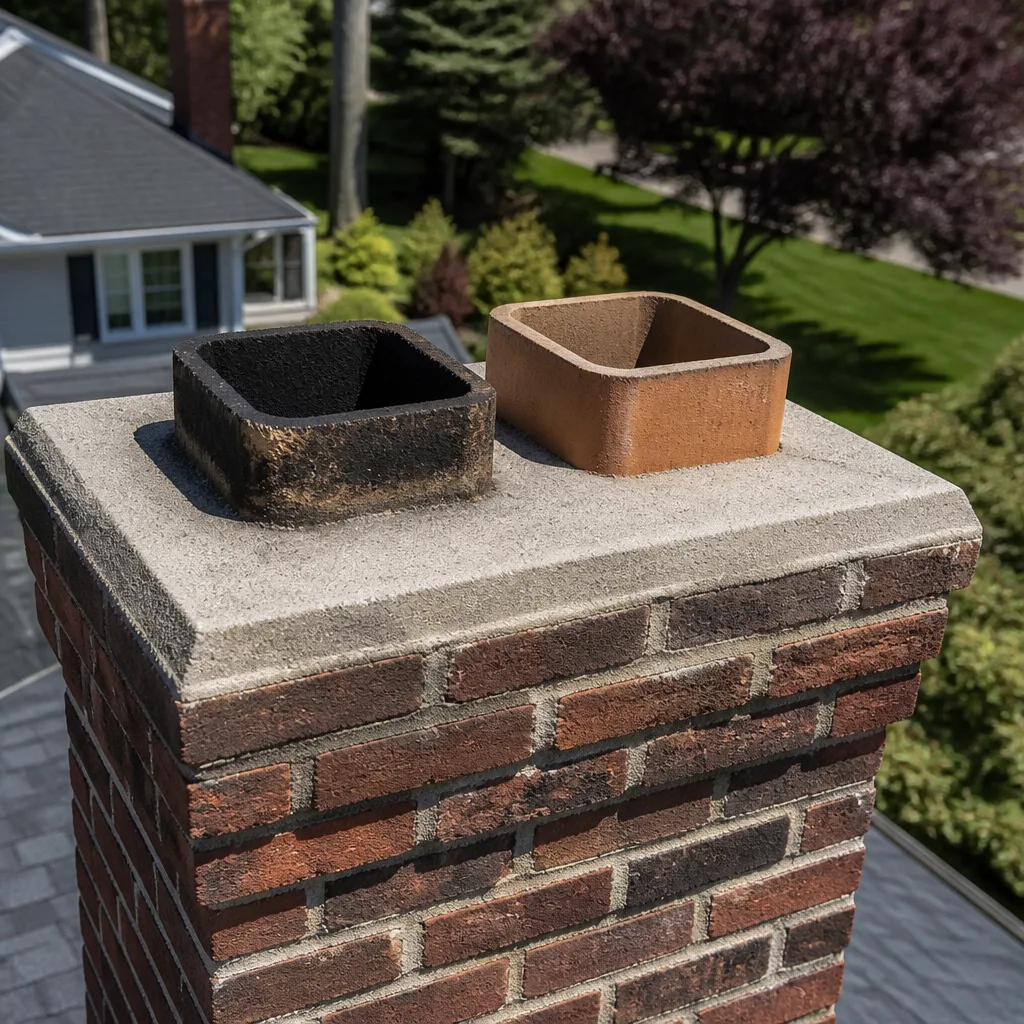 Sweep & inspection
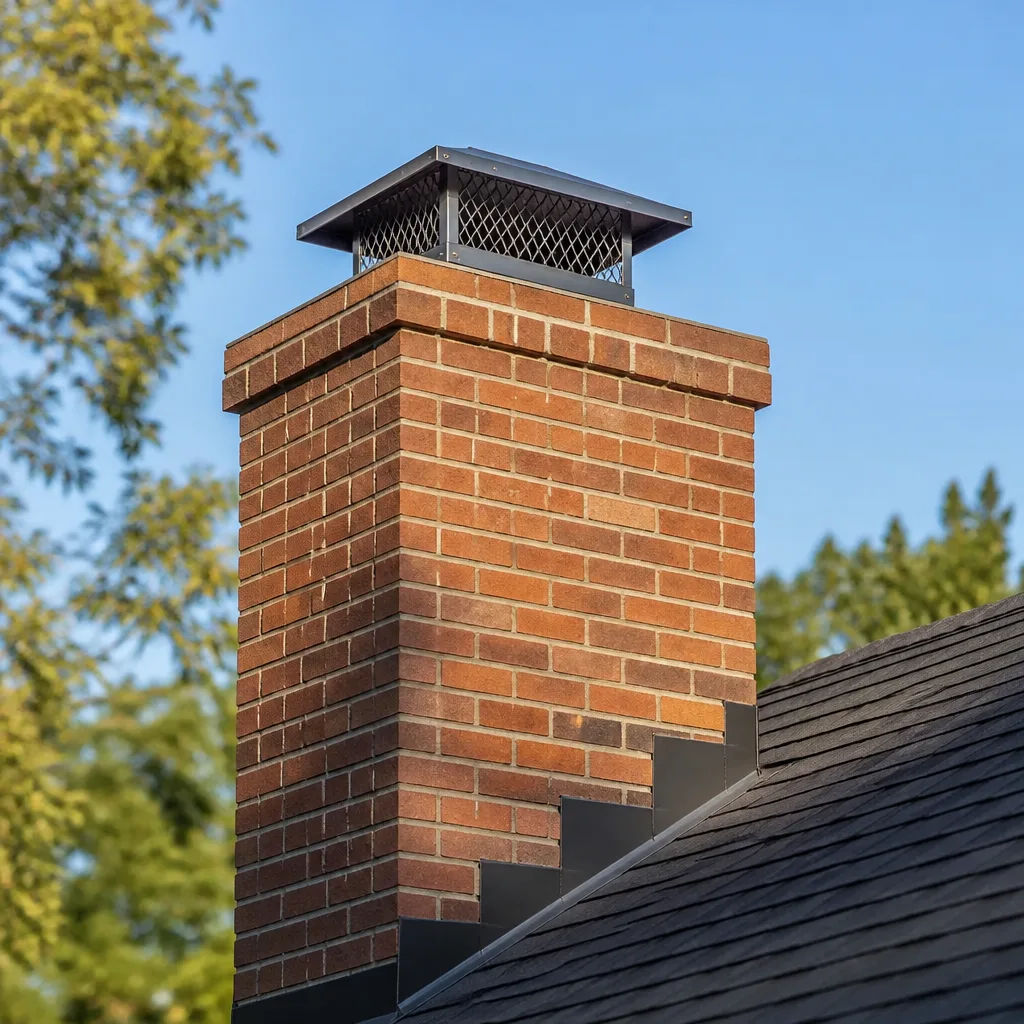 Caps & crowns
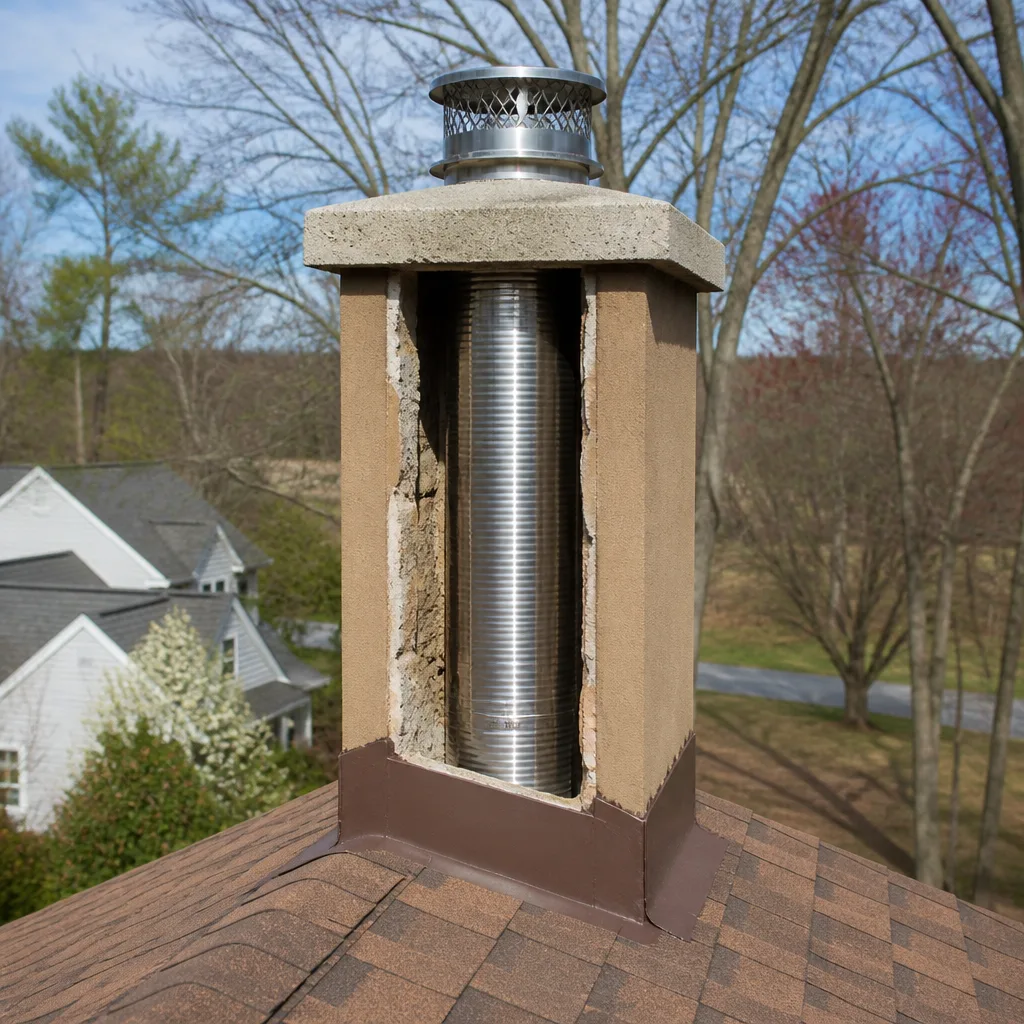 Flue relining
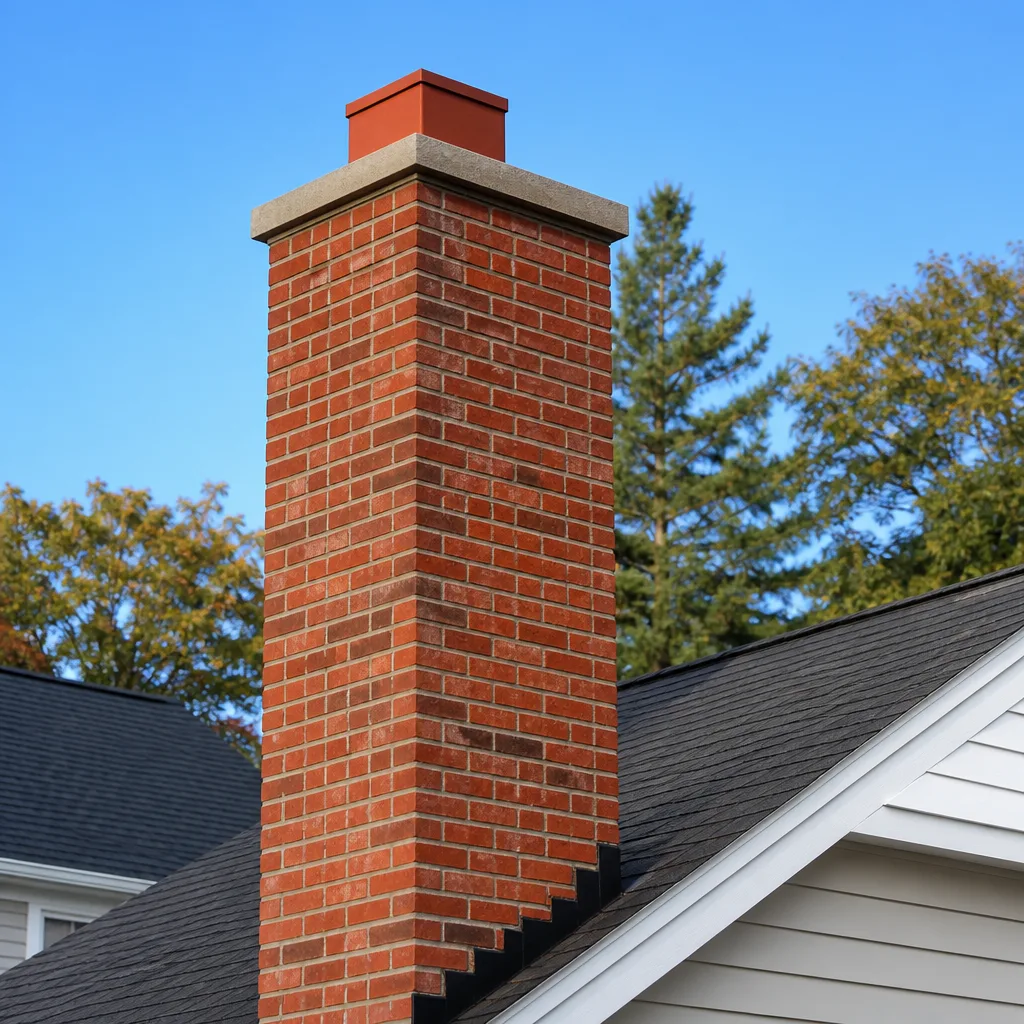 Masonry repair
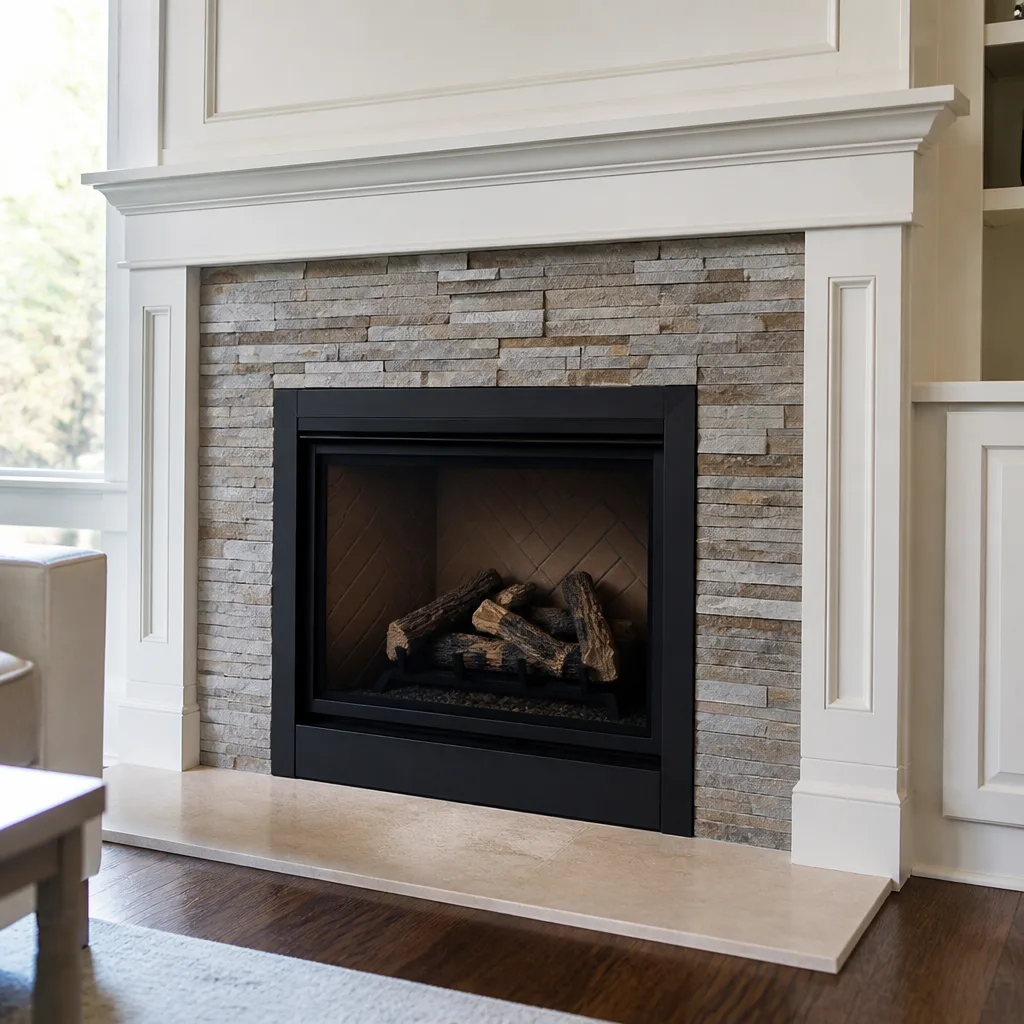 Gas fireplace service
Level 1 sweep and inspection to the NFPA 211 annual standard - flue, crown, cap, and flashing checked and photographed
Chimney sweep logs do not sweep chimneys. They loosen some creosote - which then falls where a brush and vacuum still have to collect it.
How to Hire a Chimney Cleaning Contractor in Simi Valley: A Step-by-Step Guide
Most homeowners assume the hard part is finding someone who shows up on time. In reality, the hard part is knowing whether the person holding the brush actually understands what’s above your firebox. California has no state trade license specifically for chimney sweeps, which means anyone with a ladder and a wire brush can print business cards and start knocking on doors in Simi Valley. This guide walks you through the questions that separate a trained specialist from someone who will take your money and leave the real problem untouched.
Styles & brands we work with
- Sweep & inspection
- Caps & crowns
- Flue relining
- Masonry repair
- Gas fireplace service
Quick Answer
To hire a chimney cleaning contractor in Simi Valley, start by verifying CSIA certification through the Chimney Safety Institute of America’s public directory, not just a logo on a website. Ask five specific questions before booking: what inspection method they use, what equipment they bring, what happens if damage is found, how they handle disposal, and what written report you’ll receive. Choose a chimney-focused specialist over a generalist, and be wary of quotes that sound too good to be true.
Table of Contents
- Why Hiring a Chimney-Only Specialist Matters in Simi Valley
- What CSIA Certification Actually Means and How to Verify It
- Five Questions to Ask Before You Book
- Red Flags in Chimney Cleaning Pricing
- What a Proper Post-Service Report Should Include
- Why Sweep-to-Repair Continuity Changes the Hiring Decision
- Simi Valley’s Other Hidden Fire Risk: Dryer Vents
- Common Mistakes to Avoid
- When to Call a Professional
- Frequently Asked Questions
- The Bottom Line
Why Hiring a Chimney-Only Specialist Matters in Simi Valley
A fireplace and chimney company and an HVAC company both might offer chimney cleaning as a side service. The difference shows up when something is wrong. A generalist who spends most of their week on furnaces or ductwork notices soot buildup and tells you it’s clean. A chimney specialist notices soot buildup, checks the flue liner for cracks, examines the crown for spalling, and assesses whether the clearance to combustibles meets code for a Simi Valley home with a wood-burning insert.
The distinction matters because of what gets missed. Most chimney problems are not visible from the hearth. They hide in the flue, behind the damper, or at the top of the structure where a cracked crown lets water in. A chimney sweep who does this work every day carries the right rods, brushes sized to the flue, and inspection cameras that reveal what a flashlight cannot. A generalist with a single brush in the truck may not even own a camera. In Simi Valley, where many homes were built in the 1960s and 1970s and still have their original clay tile liners, that inspection gap becomes a safety gap.
There’s also the question of what happens after the cleaning. If we find a cracked flue tile during a sweep, we can quote the repair on the spot because Chimney Sweep Simi Valley performs chimney repair as a core service, not an upsell. That continuity means you don’t have to call a second contractor, explain the problem again, and wait for another appointment. The person who saw the problem is the person who fixes it.
What CSIA Certification Actually Means and How to Verify It
CSIA certification is the industry standard for chimney sweeps, but a logo on a website is not proof of certification. Anybody can download an image. What matters is whether the name on the certification matches the technician who shows up at your door.
- Go to the CSIA public directory. The Chimney Safety Institute of America maintains a searchable database of certified sweeps. Type in the company name or the technician’s name. If it doesn’t come up, the certification claim is questionable.
- Ask for the certification number. A legitimate certified sweep can give you their number in five seconds. If they hesitate or say they’ll “get back to you,” that’s an answer.
- Verify the certification is current. CSIA certification requires ongoing education and renewal. A sweep certified in 2012 who hasn’t renewed since then is not operating with current training.
- Check whether the whole crew is certified or just the owner. Some companies advertise the owner’s certification but send uncertified employees to do the actual work. Ask who will be on site and verify that person.
Certification matters because it covers more than brushing technique. A CSIA-certified sweep has passed exams on fire codes, clearance requirements, flue sizing, and inspection standards. That training translates directly into what they look for in a Simi Valley home, whether it’s a standard masonry fireplace, a factory-built unit with its own clearance requirements, or an insert that was installed before current venting standards existed.
Five Questions to Ask Before You Book
When you’re on the phone with a chimney company, don’t let the conversation end at price and availability. These five questions reveal more about whether the service will be worth paying for than anything else.
1. What inspection method do you use?
The correct answer includes a camera. A visual inspection with a flashlight misses what’s above the damper and around bends in the flue. A camera inspection shows the interior surface of the flue in detail, from the firebox to the chimney cap. If a company doesn’t use cameras, that’s not a dealbreaker for a routine sweep, but it limits what they can tell you about the condition of the liner. In our experience, homeowners are willing to pay a little more for a sweep that includes a camera inspection and a photo report, because they’re not being asked to take anyone’s word for the condition of their chimney.
2. What equipment do you bring?
A professional setup includes brushes sized to your flue dimensions, HEPA-filtered vacuums that keep dust out of your living room, and drop cloths that protect flooring and furniture. If the answer is vague – “just the basics” or “whatever we need” – that’s a red flag. Sizing brushes to the flue matters because an undersized brush doesn’t clean thoroughly and an oversized brush can damage clay tile liners.
3. What happens if you find damage?
This is the question that separates sweep-only companies from specialists with repair capability. If the answer is “we’ll refer you to someone else,” that’s not automatically disqualifying, but it does mean you’ll pay for a second diagnostic visit from another company. A company that can perform repairs using products like HeatShield for resurfacing or DuraFlex for relining can address the problem in the same appointment or shortly after, without a referral gap.
4. How do you handle disposal?
Soot and creosote are hazardous when inhaled in concentrated form. A professional removes the debris through the vacuum and disposes of it properly. If the answer to this question is vague or the company seems unsure, that tells you something about their experience level. This isn’t a niche concern – it’s a basic part of doing the job correctly.
5. What written documentation will I receive?
The answer should include a written report describing what was found, what was done, and any recommendations for follow-up work. Photo documentation is even better. A verbal summary at the door is insufficient. If you ever sell your home or need to verify maintenance for insurance purposes, written records matter. If a company only gives verbal feedback, that’s a sign their process isn’t built for accountability.
Red Flags in Chimney Cleaning Pricing
Chimney sweeping in Simi Valley typically costs between $150 and $350, depending on the type of system, accessibility, and whether repairs are part of the visit. If you’re quoted well below that range, something else is going on.
A suspiciously low quote usually signals an upsell-heavy business model. The company gets in the door with a cheap sweep, then finds reason after reason to recommend expensive work. Sometimes the work is legitimate. Often it’s not. The homeowner has no way to verify the claims, especially if no camera inspection was performed.
The model works because the marginal cost of running a crew is low, and the upsell conversion rate on homeowners who haven’t had their chimney inspected in years is high. A homeowner who doesn’t know what a flue liner should look like is vulnerable to being told theirs is cracked when it’s fine, or that they need a new cap when the existing one is serviceable.
This is why the inspection method question matters so much. A company that uses a camera and gives you photos of what they found is making a case you can see. A company that relies on verbal authority alone is asking for trust they haven’t earned.
The flip side is also true. A quote significantly above the typical range should come with an explanation. Factors that legitimately push the price up include steep roof pitches on some Simi Valley hillside homes, unusually tall chimneys, or previous repairs that made the flue harder to access. What matters is that the quote is itemized and the pricing is transparent, not that it’s the lowest number.
What a Proper Post-Service Report Should Include
The written report you receive after a sweep is not a formality. It’s the difference between documentation and a handshake.
- Condition of the flue liner. The report should state whether the liner is intact, cracked, spalling, or showing signs of previous damage. This is the single most important safety finding.
- Creosote level. The report should note whether creosote was present, in what quantity, and whether it was removed. If brushing didn’t fully remove glazed or stage-three creosote, that should be stated.
- Chimney cap and crown condition. A cracked crown lets water into the masonry, which accelerates deterioration. The report should note whether the cap is intact and whether the crown needs sealing or repair.
- Damper function. The damper should open and close smoothly and seal adequately when closed. A stuck or warped damper affects both safety and efficiency.
- Clearance issues. The report should flag any combustible material too close to the chimney or venting system, measured against current code requirements.
- Photographic evidence. Photos from the camera inspection give you independent verification of what the technician is describing. Without photos, you’re relying on someone else’s judgment about a structure you can’t see inside of.
A proper report gives you a baseline. Next year’s sweep can be compared against it to track changes over time. If a technician tells you the liner is deteriorating, you should be able to see that progression in photos from one year to the next. That’s what accountability looks like in this trade.
Why Sweep-to-Repair Continuity Changes the Hiring Decision
Most chimney cleaning companies will happily clean your chimney and then refer you to someone else if they find damage. That creates a genuine problem for the homeowner: you’ve already paid for a diagnostic visit, and now you’re paying another company for the same. You’re also starting from zero on trust with a contractor who wasn’t there when the problem was found.
A company that handles both cleaning and repair eliminates that gap. When we sweep a chimney and find liner damage, we quote the repair using materials we stock and install regularly: HeatShield for resurfacing deteriorated flue liners, DuraFlex for relining systems that have failed beyond resurfacing, Olympia Chimney for caps and chase covers. The recommendation comes from the same crew that performed the inspection, backed by the same camera footage.
This matters in Simi Valley because many homes run fireplaces seasonally, not daily. A homeowner who uses their fireplace ten or fifteen times a year during mild Ventura County winters may not notice a small flue crack until it becomes a big one. By then, the repair is more extensive and the safety window has narrowed. A sweep-to-repair company catches problems at the stage when they’re cheaper to fix.
It also matters for gas appliance venting. A gas fireplace insert or gas log set produces different byproducts than wood, and the venting requirements are different too. A technician trained to inspect and repair venting systems, not just brush them, can identify whether your gas setup is venting correctly or creating a carbon monoxide risk inside the home.
Simi Valley’s Other Hidden Fire Risk: Dryer Vents
Fireplace and chimney maintenance gets most of the attention, but dryer vents cause a significant share of residential fires every year, and the lint buildup that causes them is invisible until it’s serious. The dryer itself runs fine right up until the point where restricted airflow creates enough heat to ignite the lint.
Dryer vent cleaning is not a luxury service for fussy homeowners. It’s a fire-safety maintenance item that most people neglect because the warning signs start small: clothes take longer to dry, the outside of the dryer gets hotter than normal, the lint trap fills up faster. By the time the symptom is obvious, the buildup inside the vent is often severe.
Having both services handled by the same provider makes practical sense for a couple of reasons. First, you’re not maintaining two separate contractor relationships for two fire risks in the same house. Second, a venting specialist understands airflow and clearance issues across both systems. The same principles that govern flue sizing and vent terminations apply to dryer exhaust, and a company that works with Famco venting products brings professional-grade materials knowledge to both.
For a Simi Valley homeowner who wants to address fire risk holistically, scheduling a chimney sweep and dryer vent cleaning in one visit is the simplest way to close the gap between knowing you should do something and actually doing it.
Common Mistakes to Avoid
- Hiring based on price alone. A $79 chimney sweep is a marketing tactic that assumes you’ll pay for the upsell. The saved money on the sweep gets spent on questionable recommendations you have no way to verify. Ask about the inspection method before you ask about the price.
- Accepting verbal feedback instead of a written report. A technician who tells you everything looks fine but won’t put it in writing is offering an opinion, not a service. Documentation is what protects you if something goes wrong later.
- Skipping the question about camera inspection. Without a camera, the technician can’t see the top third of the flue, and that’s where a lot of liner damage lives. A chimney looks clean from below while a cracked tile section sits twenty feet up.
- Hiring a general handyman for chimney work. A handyman who cleans gutters and paints fences might also offer chimney sweeping as a side service. The tools, training, and inspection capability are not the same as those of a chimney-specific contractor.
- Neglecting the dryer vent because the chimney looks fine. These are separate systems with separate risk profiles. A clean chimney doesn’t mean clean dryer exhaust, and the dryer vent can be a worse fire hazard because it’s used far more often than most fireplaces.
- Assuming license and insurance cover competency. A business license proves the company exists. Insurance protects you if something goes wrong. Neither one tells you whether the technician knows how to inspect a flue liner properly. That’s what certification and questioning are for.
When to Call a Professional
If you haven’t had your chimney inspected in over a year and you’ve used it at all, it’s time. If you notice a smell from the fireplace when it’s not in use, that’s creosote. If you see soot falling back into the firebox, that’s a draft problem. If your dryer is taking longer than it used to, that’s restricted airflow. If you just bought a home in Simi Valley and the previous owner can’t produce maintenance records, schedule an inspection before the first fire of the season. And if you’ve never thought about your dryer vent, that’s also a reason to act, not a reason to delay.
Chimney Sweep Simi Valley offers free estimates in Simi Valley. Call (833) 593-4098. We answer 24/7. Fast dispatch from 7am to 7pm, Sunday through Friday.
Frequently Asked Questions
In Simi Valley, a standard chimney sweep typically costs between $150 and $350, depending on the type of fireplace or stove, the height and accessibility of the chimney, and whether any repair work is identified during the inspection. The written estimate sets the final price. Call (833) 593-4098 for an exact quote based on your system.
Most fire safety organizations in the United States recommend a chimney inspection at least once a year and cleaning whenever creosote buildup reaches 1/8 inch or more. For homes in Simi Valley that burn wood regularly during the cooler months, that usually means an annual sweep. Homes that use the fireplace only occasionally can often go longer between cleanings, but an annual inspection is still the safest practice.
Yes, though the issues are different. Gas fireplaces don’t produce creosote, but they can develop vent blockages from debris, animal nests, or corrosion, and the venting system can deteriorate over time. A routine inspection is important even if the firebox itself looks clean. A trained technician can verify that your gas venting system is moving combustion byproducts out of the home safely.
Go to the Charter Chimney Safety Institute of America’s public directory and search for the company name and the technician’s name. Ask for the certification number and verify it matches. A logo on a website or a truck is not verification. Certification also needs to be current, so ask when it was last renewed.
That depends on the company you hire. Sweep-only companies will refer you elsewhere, which means a second diagnostic visit and a new contractor relationship. Companies with repair capability can quote the work on the spot, often using materials like HeatShield or DuraFlex for liner issues. Both approaches are legitimate, but the single-provider model saves you time and preserves the inspection context.
Yes, and it’s a common pairing. Chimney and dryer vent cleaning address two separate hidden fire risks in the same home, and a venting specialist understands the airflow and clearance principles behind both. Scheduling both in one visit is the simplest way to resolve both maintenance items without maintaining two contractor relationships. Call (833) 593-4098 to ask about scheduling both services together.
The Bottom Line
Hiring the right chimney cleaning contractor in Simi Valley comes down to asking questions that most homeowners don’t know to ask. Verify certification through the CSIA directory, not a website logo. Require camera inspection and written documentation. Ask what happens if damage is found, because that answer determines whether you’re hiring a cleaner or a specialist. Be skeptical of prices well below the local range, because they often fund an upsell model that pressures you into work you can’t verify. And remember that a chimney-specific contractor who handles repairs, not just sweeps, gives you the strongest position: a single crew that found the problem and can fix it using professional-grade materials. No referrals, no second opinions from strangers, no guessing about whether your chimney is safe to burn.
Written by the team at Chimney Sweep Simi Valley, serving Simi Valley since 2015.
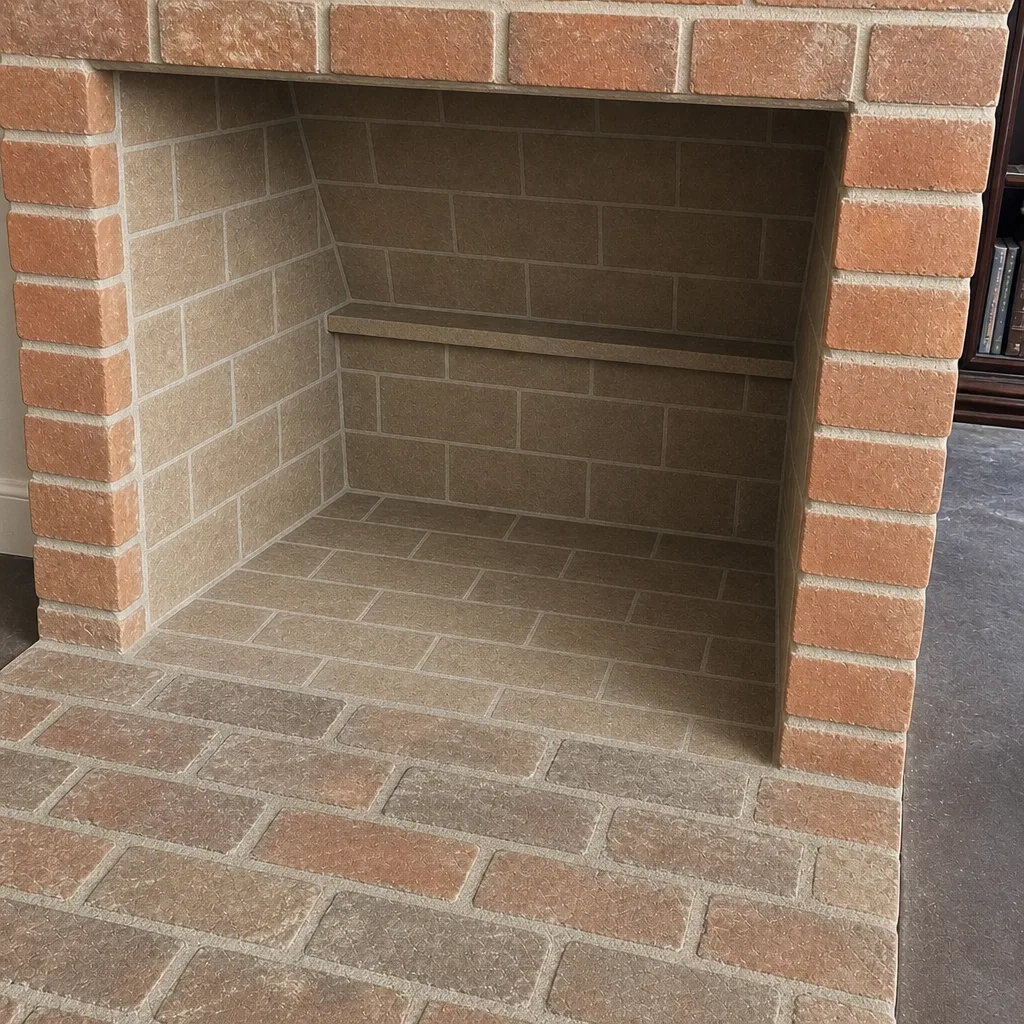
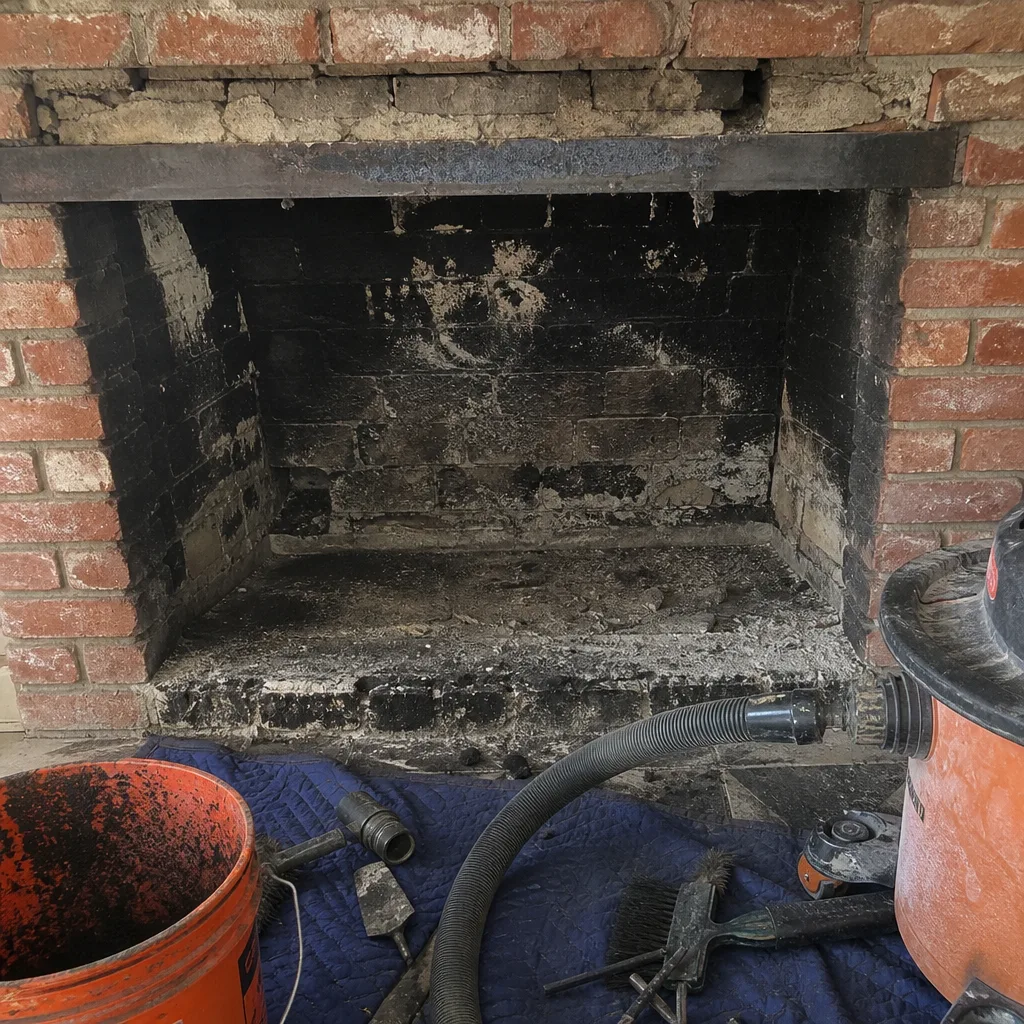
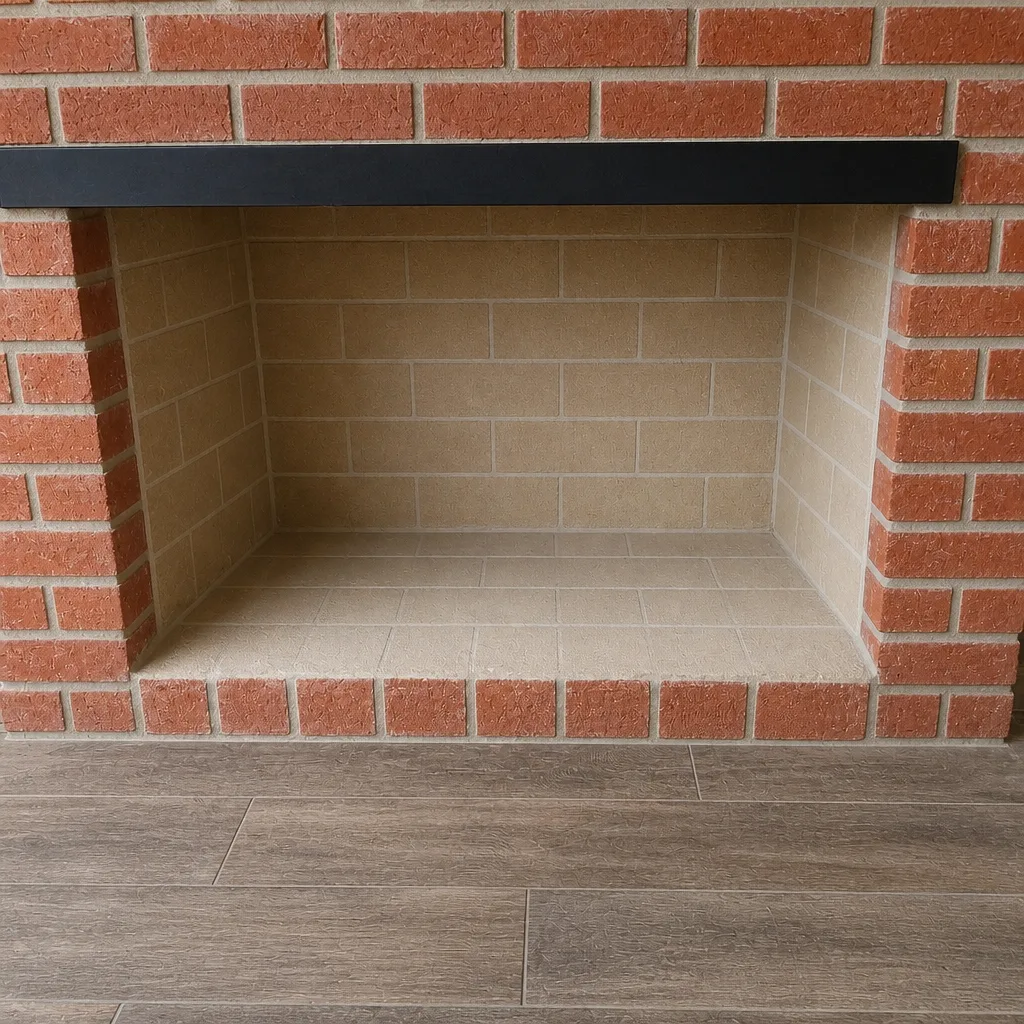
See the difference
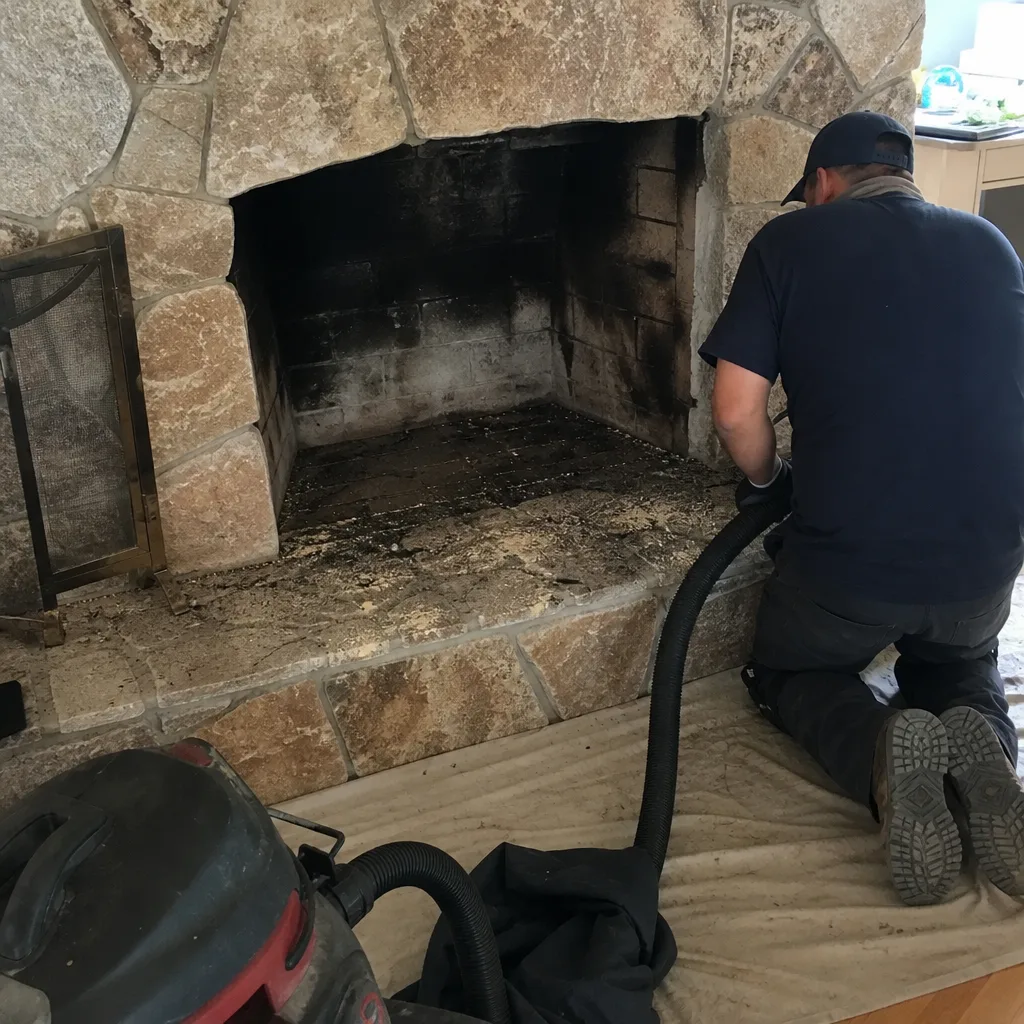 Before
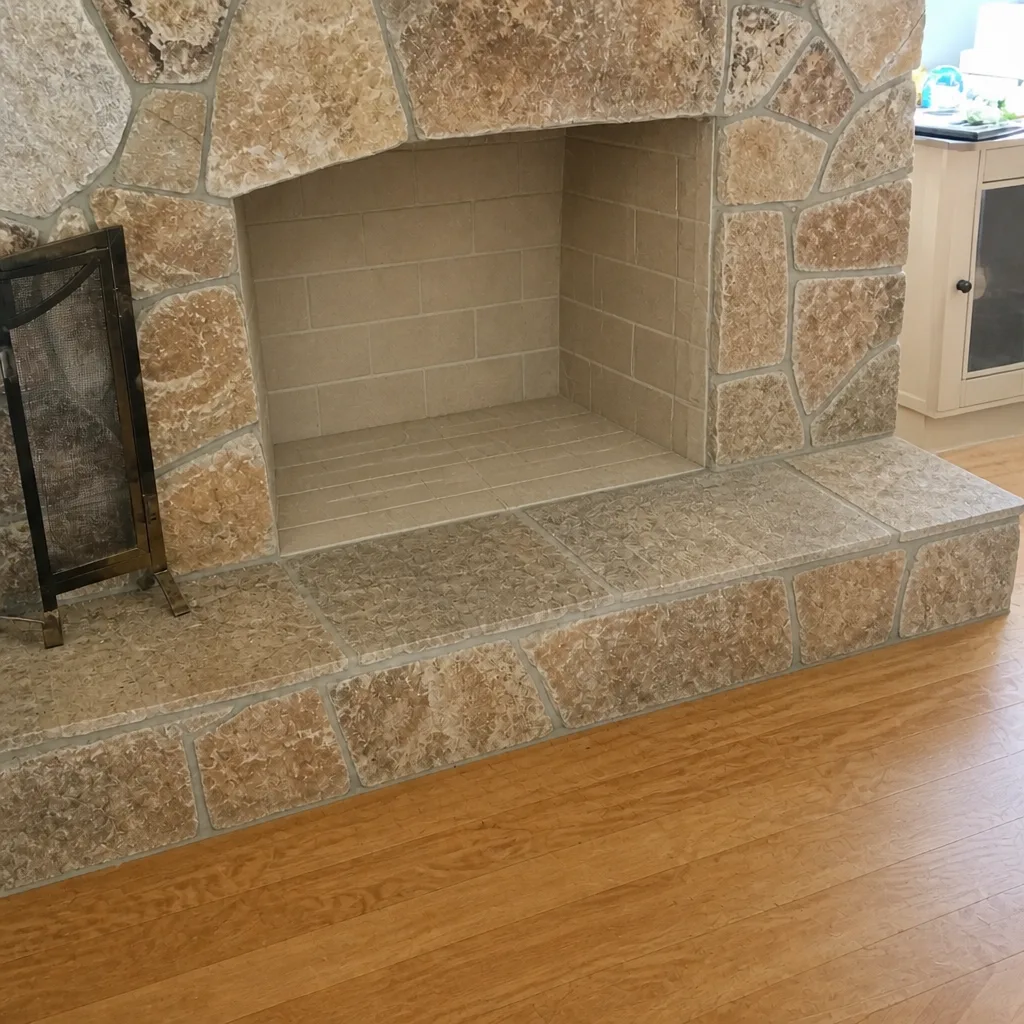 After
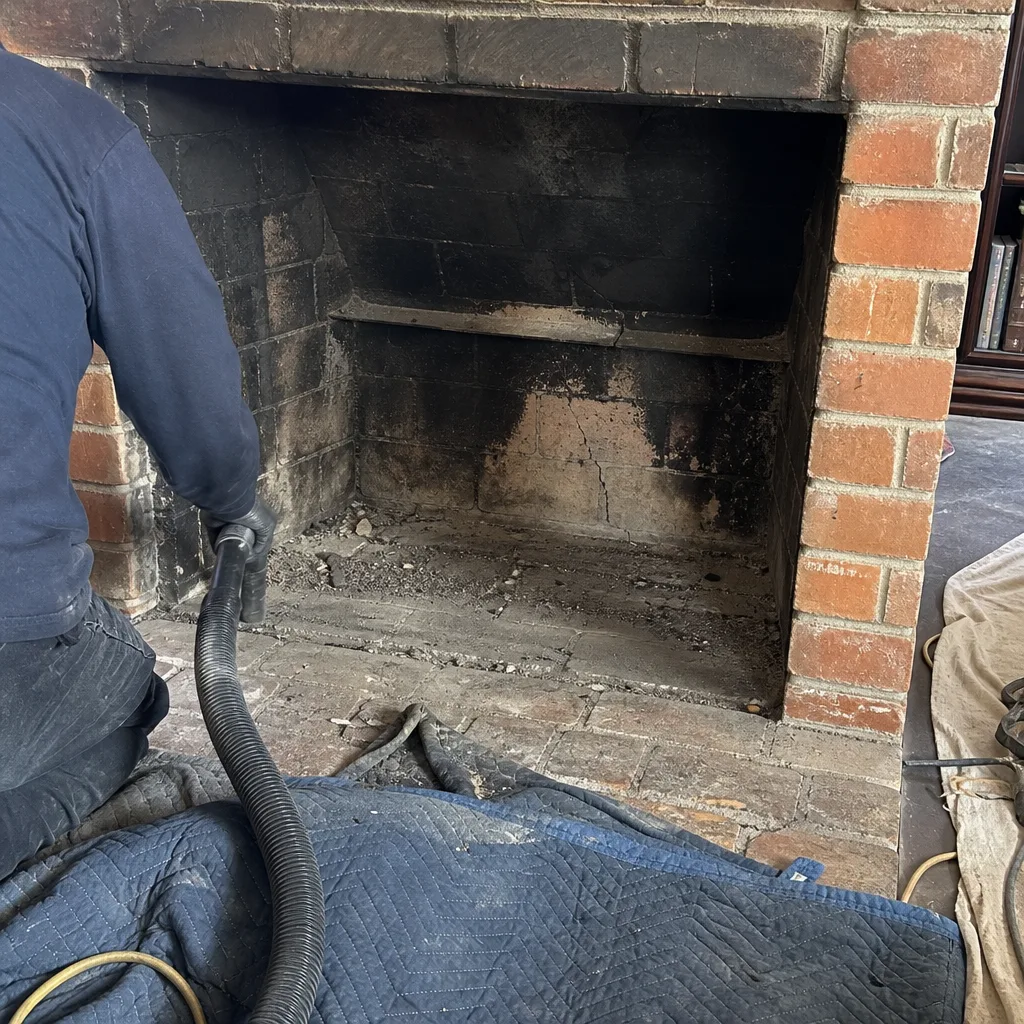 Before
 After
 Before
 After