
Last updated November 4, 2026
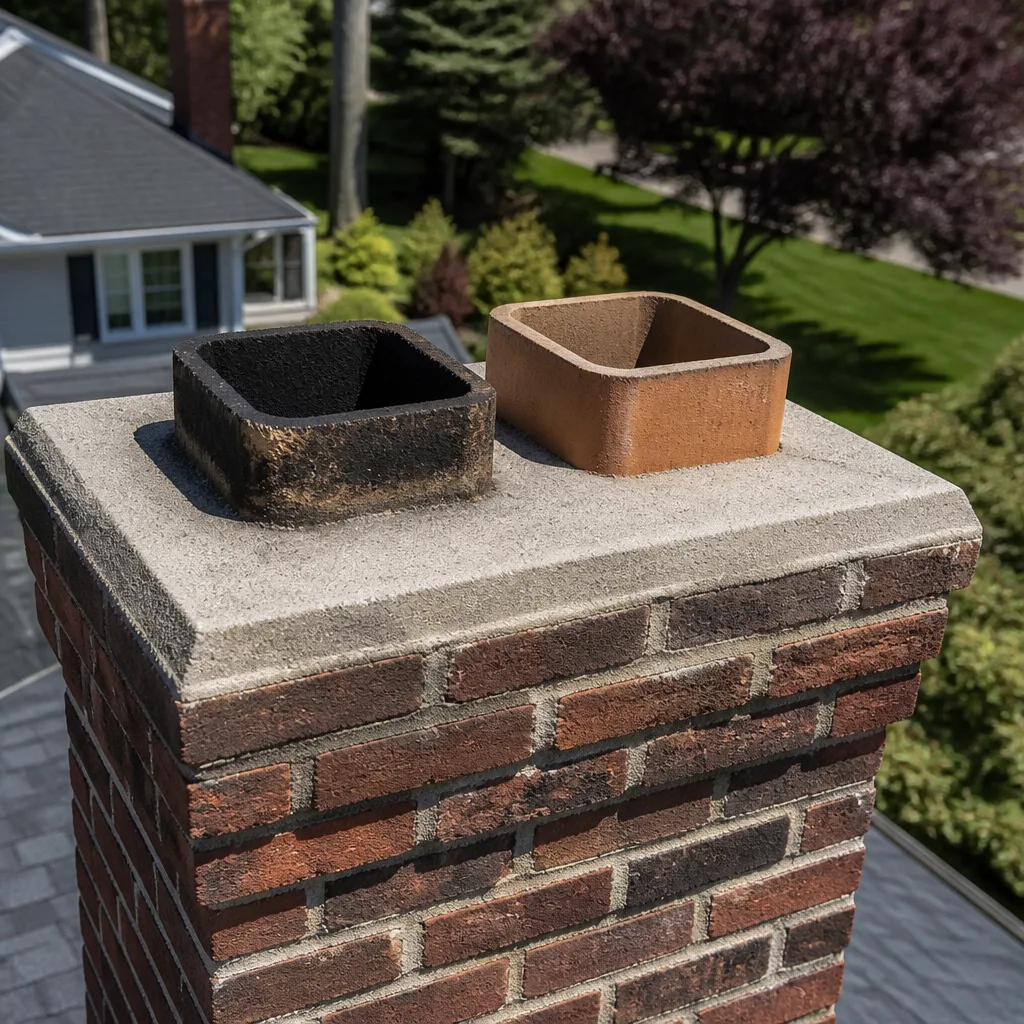 Sweep & inspection
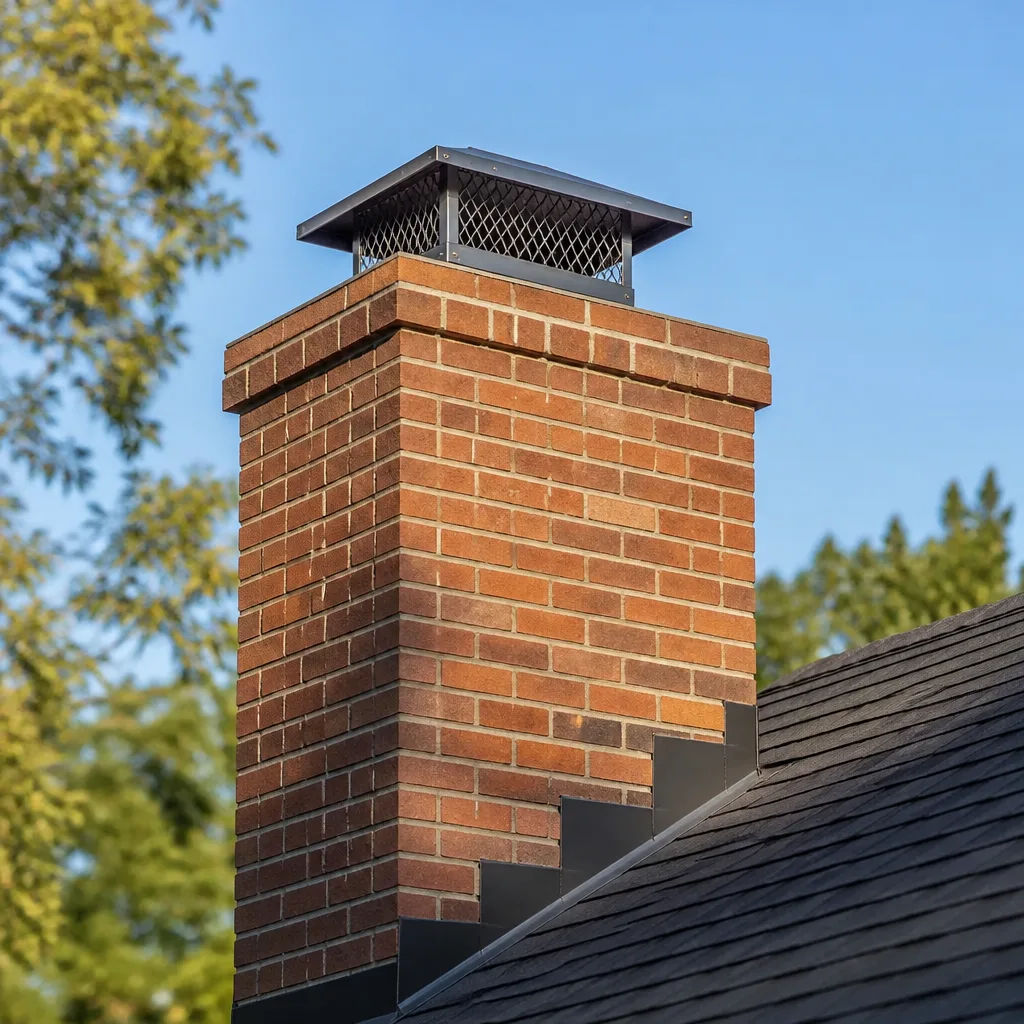 Caps & crowns
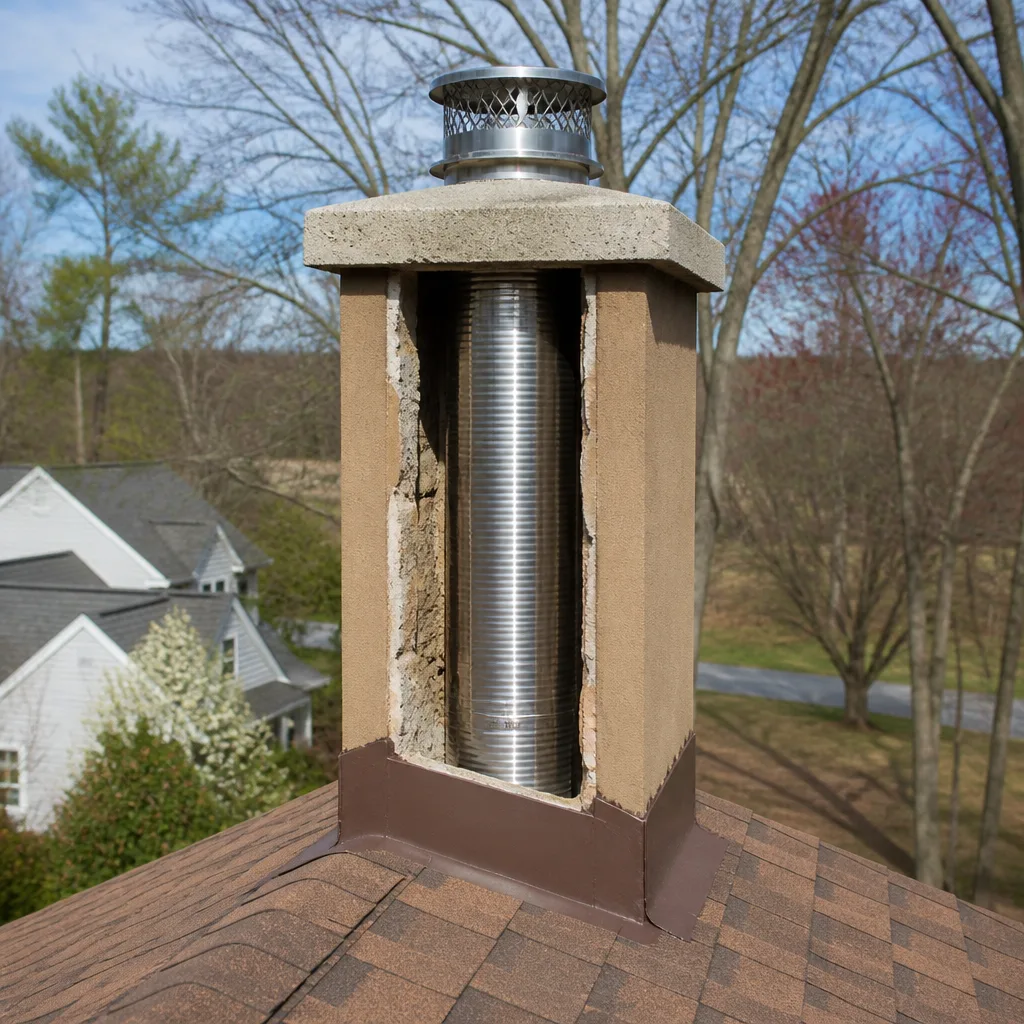 Flue relining
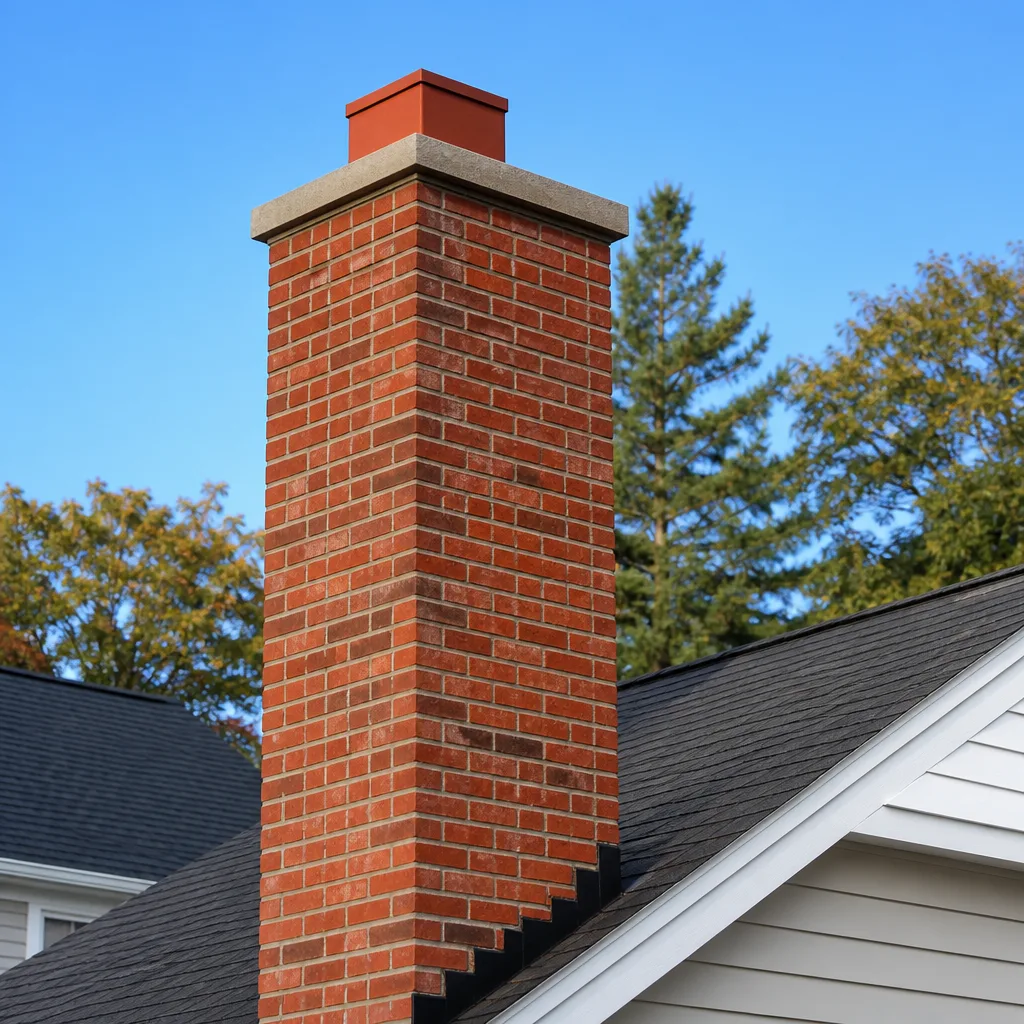 Masonry repair
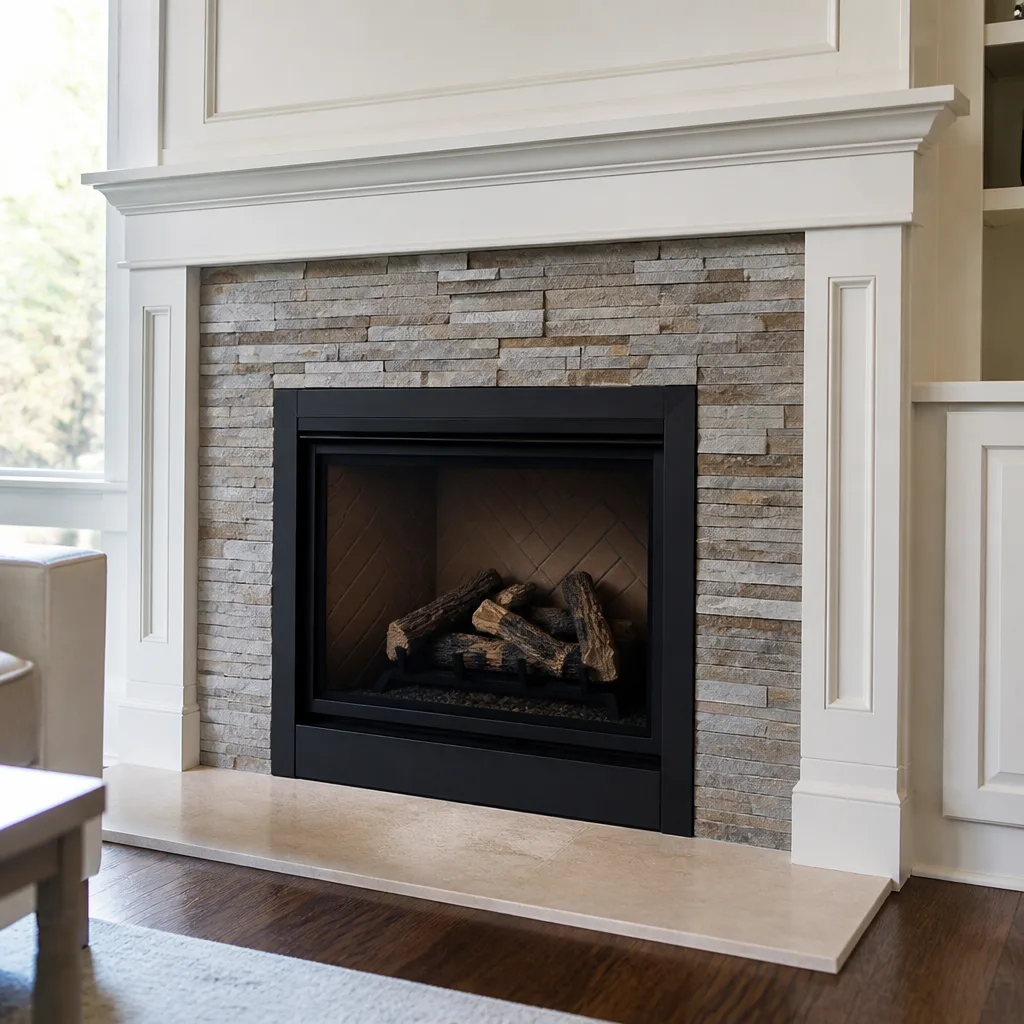 Gas fireplace service
Level 1 sweep and inspection to the NFPA 211 annual standard - flue, crown, cap, and flashing checked and photographed
Chimney sweep logs do not sweep chimneys. They loosen some creosote - which then falls where a brush and vacuum still have to collect it.
Chimney Cleaning Emergency Preparedness Guide for Simi Valley Homes
A chimney fire can reach 2,000°F inside the flue while producing no visible flame outside the chimney. Homeowners have reported not knowing one was happening until they heard the roaring sound or saw the flue glow at night. In Simi Valley, that risk compounds with a second threat most people never think about: wildfires that send embers through an unprotected cap into your home. This guide covers what to do in the first three minutes of a chimney fire, how to prepare before fire season, and why a visual inspection after any fire event is never enough.
Quick Answer
Chimney emergency preparedness in Simi Valley means controlling two fire paths: creosote buildup inside the flue that can ignite a chimney fire, and embers from surrounding wildfires entering through a cap that lacks spark arrestor protection. Before high-fire-danger months begin, get a chimney sweep that removes creosote at every stage, confirm your cap meets CalFire ember-resistance standards, and know the three signs of an active chimney fire: a roaring sound like a freight train, dense smoke pushing from the flue, and a glowing or vibrating flue wall. If a fire happens, call 911 first, close the damper if you can do so safely, and do not use the fireplace again until a professional inspects the full system.
Table of Contents
- Two Fire Threats Every Simi Valley Homeowner Faces
- How to Recognize an Active Chimney Fire in the First Minutes
- What to Do in the First Three Minutes of a Chimney Fire
- What to Do After a Chimney Fire Before Using the Fireplace Again
- How Creosote Buildup Maps to Fire Risk
- Spark Arrestor Caps and Simi Valley’s Wildfire Interface Zone
- Pre-Season Emergency Prep Checklist for Simi Valley Homes
- The Overlooked Second Fire Risk: Dryer Vents
Two Fire Threats Every Simi Valley Homeowner Faces
Most emergency preparedness advice for chimneys stops at creosote. That covers the fire that starts inside your flue, but it misses the fire that starts outside. Simi Valley sits within a wildfire interface zone where ember-driven structure fires are a documented, repeatable threat. The same wind conditions that push a brush fire through the hills east of town can carry embers for miles. Those embers don’t need to land on your roof to get inside. They can enter through a chimney cap that lacks proper spark arrestor mesh.
That makes emergency prep a two-part problem. The first part is controlling what’s inside the flue: creosote, which forms from every wood fire you burn and accumulates in layers that harden over time. The second part is controlling what can get into the flue from outside: floating embers from a wildfire, plus birds, squirrels, and debris that create blockages and secondary fire loads.
Think of it as defense in both directions. A clean flue without a proper cap is still vulnerable during fire season. A proper cap on a dirty flue doesn’t stop a chimney fire from igniting inside. Simi Valley homeowners need both controls working together, and most homes we assess are missing at least one.
How to Recognize an Active Chimney Fire in the First Minutes
The most dangerous thing about a chimney fire is how quiet it can be at the start. It doesn’t announce itself with visible flames from the top of the chimney in most cases. The heat is contained inside the flue, which means the first indicators are sensory, not visual.
Here are the three signals to listen and look for:
- Sound: A low rumbling or roaring noise that grows louder, often described as sounding like a freight train or a low-flying jet. This is the sound of combustion air accelerating through the flue as temperatures climb. It’s loud enough to hear from inside the house, sometimes from rooms away from the fireplace.
- Smell and smoke: Dense, dark smoke pushing from the chimney top in volume that’s noticeably heavier than normal startup smoke. Inside the house, you may smell something sharp and acrid, different from the usual wood-smoke smell.
- Visual indicators: At night, a section of the flue can glow red or orange through the chimney structure. During daylight, look for flames or hot embers at the chimney top, or flue tiles that appear to be vibrating or cracking.
The reason this matters in Simi Valley specifically is response time. Even with fast dispatch from 7am to 7pm, a chimney fire is not a situation where you wait for a chimney technician. It’s a 911 call. The fire department needs to arrive while the fire is still contained to the flue, because the moment it breaches into the wall structure or attic, you’ve gone from a chimney fire to a structure fire.
What to Do in the First Three Minutes of a Chimney Fire
If you recognize an active chimney fire, your actions in the first three minutes determine whether it stays a chimney problem or becomes a house problem. Every second matters, and the order matters too.
- Call 911 immediately. Don’t wait to see if it settles down. Chimney fires can smolder inside the flue and then reignite with full intensity. Firefighters in Simi Valley respond to chimney fire calls and will check for extension into the structure. This is not an overreaction.
- Close the damper if you can reach it safely. This cuts the air supply to the fire, which slows combustion. Do not put your face near the fireplace opening to do this. Use a fireplace glove or tool if available, and close it from the side, never reaching directly into the firebox.
- Close the glass doors on the fireplace or insert. If your fireplace has glass doors, shut them. This limits air from the room entering the firebox. If you have an insert, do not open it during an active fire.
- Evacuate if the fire department tells you to, or if walls near the chimney feel hot to the touch. Heat transferring to wall surfaces is a sign the fire may have breached the flue. Get everyone out and meet in a pre-designated spot away from the house.
- Do not use water on an active chimney fire. Water hitting superheated flue tiles or metal liners can cause thermal shock that cracks the liner, turning a contained fire into a structural breach. The fire department uses specialized methods for a reason.
We answer 24/7. A call outside dispatch hours is booked into the next opening, Sunday through Friday, 7am to 7pm. But in an active fire, your first call is 911, not us. Once the fire is out and the flue is cool, that’s when we come in.
What to Do After a Chimney Fire Before Using the Fireplace Again
The single biggest mistake we see after a chimney fire is a homeowner who lets the fire department clear the scene, glances up the flue with a flashlight, and decides it looks fine. A visual check cannot assess what happened to the liner, the mortar joints, or the structural integrity of the flue after temperatures that may have exceeded 1,700°F.
Chimney fires cause damage you cannot see from the top or bottom with the naked eye. Here’s what actually needs to happen before that fireplace is safe to burn again:
- Full internal inspection: A professional chimney inspection uses lighting and optics to evaluate the entire flue length, not just what’s visible from the cleanout door or the rooftop. Flue tiles crack under thermal stress, and cracked tiles mean the next fire can reach combustibles around the chimney chase.
- Liner assessment: If you have a metal liner, the fire may have warped or separated sections. A DuraFlex liner that’s been through a chimney fire often needs replacement, because the metal loses its structural integrity even when it looks intact from the outside.
- Creosote removal after the fire: A chimney fire burns some creosote, but it also creates a new layer of expanded, honeycombed creosote that’s dry and highly combustible. Whatever wasn’t burned becomes even more dangerous for the next fire. The flue needs a mechanical sweep before any further use.
- Cap and crown inspection: The same fire that stressed the liner may have damaged the cap or cracked the crown. In a wildfire-prone area like Simi Valley, an intact cap is not optional.
This is where sweep-to-repair continuity matters. A chimney sweep who only removes soot can clean the flue and then hand you a report of damage you need someone else to fix. Our technicians are trained to assess and restore, which means the assessment and the repair happen in one relationship, not a handoff. And if the damage is limited to the firebox or flue surface, products like HeatShield allow resurfacing without a full teardown, a repair category many sweep-only companies cannot perform.
How Creosote Buildup Maps to Fire Risk
Creosote forms at different rates depending on what you burn and how you burn it, but it always forms. Wood fires produce smoke, and smoke carries unburned particles that condense on the cooler walls of the flue. That’s creosote. And creosote is fuel.
Chimney professionals classify creosote in three stages, and each stage corresponds directly to how urgently you need a sweep:
- Stage 1 (soot-like dust): A thin, flaky layer that brushes off easily. This is normal accumulation from regular burning. An annual sweep typically removes it before it becomes a problem. Fire risk is low but not zero, especially if you burn unseasoned wood.
- Stage 2 (glazed granules): A thicker, crustier layer with a tar-like texture. At this point, the buildup is dense enough to sustain a chimney fire if ignited. This is the stage where a professional sweep becomes urgent, and where burned-down wood like softwoods common in our region accelerate buildup if not seasoned properly.
- Stage 3 (glazed or tarred, hard as road surface): A thick, hardened layer that resembles glass or charcoal. This is a serious fire hazard and also restricts airflow, which makes your fireplace draft poorly and increases creosote formation further. Stage 3 creosote typically requires mechanical removal with rotary tools, not just a brush.
The variable most homeowners miss is that creosote hazard is cumulative and invisible. You cannot assess your flue’s stage by looking up from the firebox or by how often you use the fireplace. The only accurate assessment is a professional inspection of the full flue length. That’s why the industry recommendation is an annual sweep for homes that burn regularly, and why homes in Simi Valley that use fireplaces as a primary heat source during our cooler valley evenings should not stretch that interval.
Spark Arrestor Caps and Simi Valley’s Wildfire Interface Zone
Simi Valley sits where residential neighborhoods meet open space. The hills around the city, the ridgelines, and the open areas between neighborhoods are all potential fuel sources during high-fire-danger months. When a wildfire burns nearby, it produces embers that travel on wind currents, and those embers can land on rooftops and enter any opening they find.
A chimney without a spark arrestor cap is an open vertical shaft from your roof into your living room. That’s not an exaggeration. The flue runs directly from the fireplace to the exterior, and without a cap with ember-resistant mesh, there is nothing to stop an ember from dropping through.
CalFire and local building codes in wildfire interface zones like Simi Valley specify requirements for spark arrestor caps on all chimneys serving solid-fuel appliances. The key requirements include:
- Mesh size: The spark arrestor screen must have openings no larger than 1/2 inch. This blocks embers and sparks from entering while allowing adequate draft for combustion.
- Material: The cap and mesh should be corrosion-resistant metal. In our inland climate, this is less about salt air and more about withstanding direct sun and the occasional Santa Ana wind event that kicks up dust and debris.
- Coverage: The arrestor must cover the entire flue opening, with no gaps at the edges where embers can slip through.
- Damper compatibility: The cap must work with your existing damper system, particularly for chimneys serving open-hearth fireplaces versus inserts or stoves.
- Schedule an annual chimney sweep before the first burn of the season. This removes creosote that accumulated during the previous season and gives you a clean baseline. If you burn regularly, do this even if your fireplace saw light use last year.
- Have the full flue inspected, not just swept. A sweep removes buildup. An inspection checks for cracks, separated mortar joints, deteriorated flue tiles, and blockages that a brush won’t fix. In our experience, roughly a third of homes with functional fireplaces have at least one issue that would be missed by a sweep-only visit.
- Verify your cap is present, intact, and properly sized. If you don’t have a cap or your current cap shows rust, warping, or visible gaps, replace it before fire season. This is one of the cheapest protective measures you can take and one of the most frequently neglected.
- Check the chimney crown for cracking. The crown is the concrete surface that seals the top of the chimney structure. Hairline cracks let water in, and water damages masonry and flue liners over time. A cracked crown is not a cosmetic issue.
- Confirm the fireplace damper opens, closes, and seals completely. A damper that won’t fully close leaks conditioned air up the flue year-round and creates draft problems when you burn.
- Clear vegetation and debris from the chimney exterior. Remove leaves, twigs, and any animal nesting material from the chimney top and surrounding roof area. Dead vegetation is fire fuel, and in Simi Valley, any combustible material near the chimney opening during wind events is a hazard.
- Test smoke and carbon monoxide detectors. This is part of chimney prep because the chimney is directly tied to both fire and CO risk. A blocked flue or backdrafting fireplace can put carbon monoxide into the home, and you won’t know without a functioning detector.
- Waiting until you smell smoke or see a problem to schedule a sweep. Creosote buildup has no household odor until it’s already dangerous. By the time you notice something, you’re responding to a problem instead of preventing one.
- Assuming a cap is optional because you don’t have trees near your roof. Embers travel on wind. A home in a cleared neighborhood in Simi Valley can still receive embers from a fire two miles away. The cap is not about tree debris. It’s about fire.
- Attempting a visual inspection from the firebox and concluding the chimney is clean. You can only see a few feet of flue from the bottom. Most problems, including Stage 2 and Stage 3 creosote, live further up.
- Using the fireplace after a chimney fire without a professional inspection. A chimney fire changes the flue permanently until it’s assessed and repaired. Burning again on an unknown liner is gambling with a fire pathway.
- Burning unseasoned wood because it’s cheaper or easier to source. Green wood produces cooler, smokier fires with more creosote per burn. The money saved on wood gets spent on more frequent sweeps and higher fire risk.
- Ignoring the dryer vent while scheduling chimney maintenance. Both are vertical fire pathways that require annual cleaning. Treating one as important and the other as optional leaves a gap in your emergency preparedness.
- Scheduling a sweep but not an inspection. A standard sweep removes creosote but doesn’t assess liner condition, flue tile integrity, or crown damage. For true preparedness, you need both.
We stock and install professional-grade caps from brands like Olympia Chimney and Copperfield, including models specifically designed for wildfire interface zones. The difference between a hardware store cap and a professional cap is fit, material quality, and longevity. We find caps installed with generic sizing that leaves gaps, or caps made from thin metal that warps after a season or two and pulls away from the flue. In a fire-prone area, that gap is the difference between prepared and exposed.
Pre-Season Emergency Prep Checklist for Simi Valley Homes
Our fire season in Simi Valley isn’t theoretical. The city’s location at the eastern edge of Ventura County puts it in Santa Ana wind territory, where dry air and high wind can push fire behavior to extremes. Preparing your chimney before those conditions arrive means completing these steps while the weather is still mild and scheduling is flexible.
If your fireplace has visible creosote, a smoky smell when not in use, or you can’t remember when it was last swept, the answer is to call before the season starts. The time to address a problem is not during the first cold evening when everyone else is calling too. Call (833) 593-4098. We answer 24/7. Fast dispatch from 7am to 7pm, Sunday through Friday.
The Overlooked Second Fire Risk: Dryer Vents
Your chimney is one vertical fire pathway. Your dryer vent is another. The same air currents, the same dust and debris, and the same seasonal buildup patterns apply to both, yet homeowners in Simi Valley routinely schedule chimney maintenance and ignore the dryer vent until it fails.
Dryer vents accumulate lint, which is highly combustible when it builds up against a restricted airflow. A clogged vent forces the dryer to run hotter, and that heat plus trapped lint creates conditions for a fire. The Consumer Product Safety Commission has identified dryer vent fires as one of the leading causes of residential fires, and most of them are preventable with routine cleaning.
This is why we include dryer vent cleaning alongside chimney services. Two fire risks, one call. A single visit can address both hidden hazards, using Famco-grade venting knowledge for the dryer side of the house and professional chimney inspection for the fireplace side. The continuity matters because fire risk in a home is cumulative. You don’t want to fix one pathway and leave the other one waiting to fail.
Common Mistakes to Avoid
When to Call a Professional
Call a professional if you cannot remember the last time your chimney was swept, if you see visible creosote glazing inside the flue, if your fireplace smells smoky when not in use, if you’ve had a chimney fire, or if your cap is missing or damaged. Also call if your dryer takes longer than one cycle to dry a normal load, as that’s a direct indicator of restricted vent airflow. Chimney Sweep Simi Valley offers free estimates in Simi Valley. Call (833) 593-4098 for an estimate, and we can assess both your chimney and your dryer vent in the same visit.
Frequently Asked Questions
A chimney should be swept at least once per year if you burn regularly, and before the first burn of the season. Homes that burn softwoods or unseasoned wood may need more frequent sweeps because those fuels produce creosote faster. The interval is about hours of burning, not calendar time, so a home that uses the fireplace every winter evening needs closer attention than one that burns occasionally. Call (833) 593-4098 for an exact recommendation based on your usage. We answer 24/7. Fast dispatch from 7am to 7pm, Sunday through Friday.
A chimney fire sounds like a low roar or rumble that resembles a freight train passing close by, and the sound often gets louder as the fire grows. It’s loud enough to hear inside the house, sometimes from rooms away from the fireplace. If you hear this sound and you’re burning a fire, call 911 immediately.
Yes, a spark arrestor cap is required on chimneys serving solid-fuel appliances in wildfire interface zones like Simi Valley, with mesh openings no larger than 1/2 inch. The cap blocks both embers from entering during wildfire events and sparks from escaping when you burn. Working with a professional brand like Copperfield or Olympia Chimney ensures the cap fits correctly and meets the current requirements.
No. A chimney fire stresses the flue liner and mortar joints at temperatures that can cause hidden cracking, and the creosote left behind after a fire is often more combustible than the original buildup. A professional inspection is required before the fireplace is safe to burn again, and a visual check from the firebox or rooftop is not sufficient.
A standard chimney sweep typically takes 45 to 90 minutes, depending on the flue length, the stage of creosote present, and whether the technician finds issues that warrant a closer look. An inspection adds time, and a repair like resurfacing or relining extends the visit. The estimate sets the scope before work begins.
Yes. Lint accumulation in a dryer vent restricts airflow, which forces the dryer to run hotter and creates conditions where lint can ignite. Dryer vent fires are a leading cause of residential fires, and the risk is invisible until the vent is inspected. Combining dryer vent cleaning with a chimney sweep means both vertical fire pathways in your home are addressed in one appointment.
The Bottom Line
Chimney emergency preparedness in Simi Valley is not about buying a fire extinguisher and hoping for the best. It’s about controlling the two fire pathways every home has: the flue that can ignite from inside, and the opening that can admit fire from outside. Clean creosote before it reaches Stage 2 or 3. Install and maintain a proper spark arrestor cap. Know the sounds and signs of an active chimney fire, and know that 911 comes first. After any fire event, a visual check is not a pass. And while you’re at it, treat the dryer vent with the same seriousness as the chimney. Two fire risks, one call. You don’t need to memorize everything in this guide. You just need to make the call before the fire season does.
Written by the team at Chimney Sweep Simi Valley, serving Simi Valley since 2015.
Styles & brands we work with
- Sweep & inspection
- Caps & crowns
- Flue relining
- Masonry repair
- Gas fireplace service
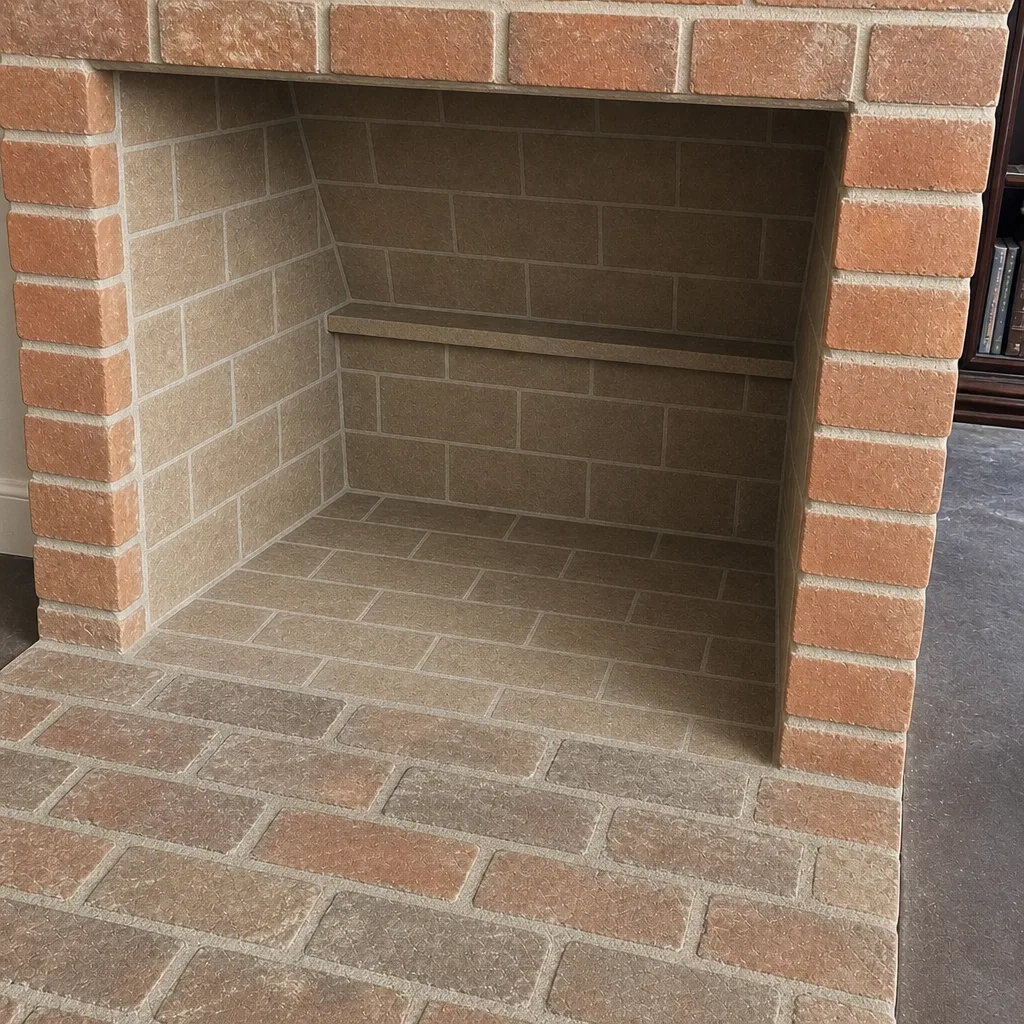
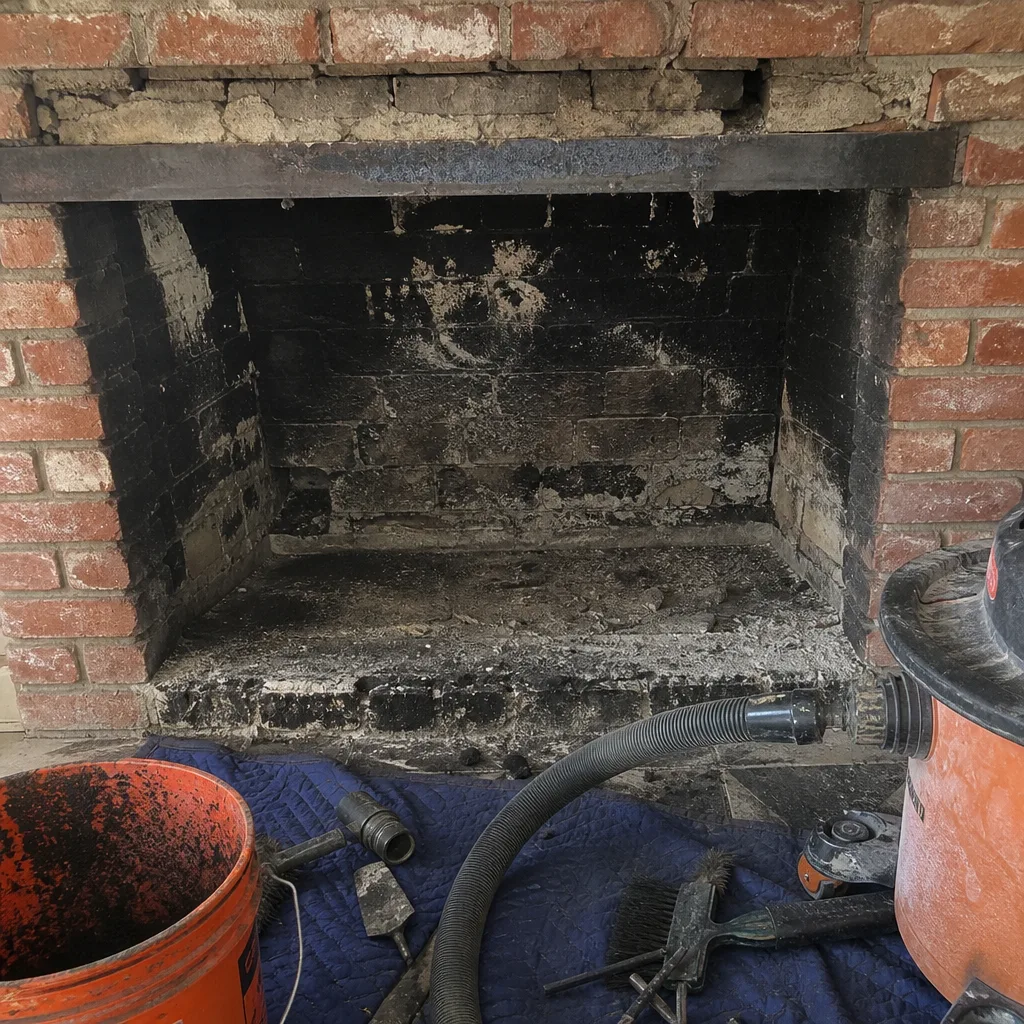
See the difference
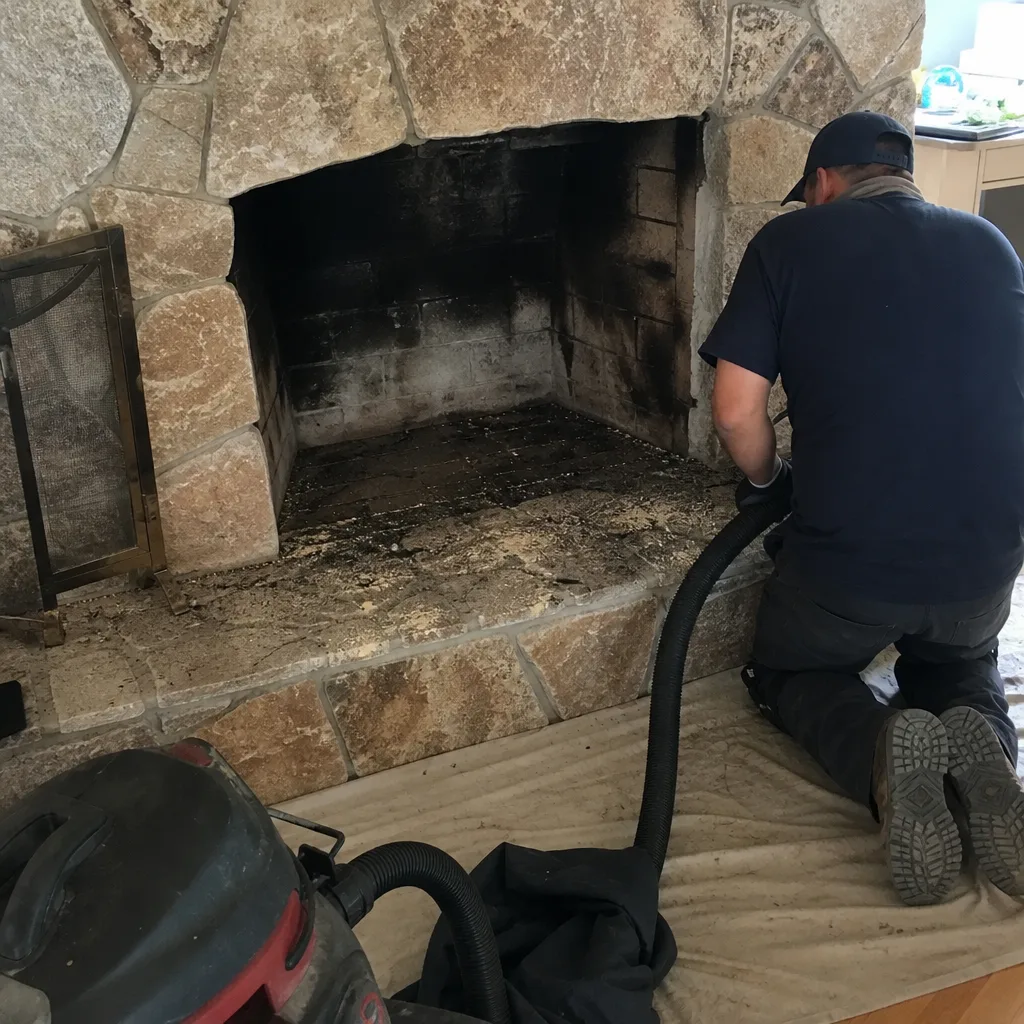 Before
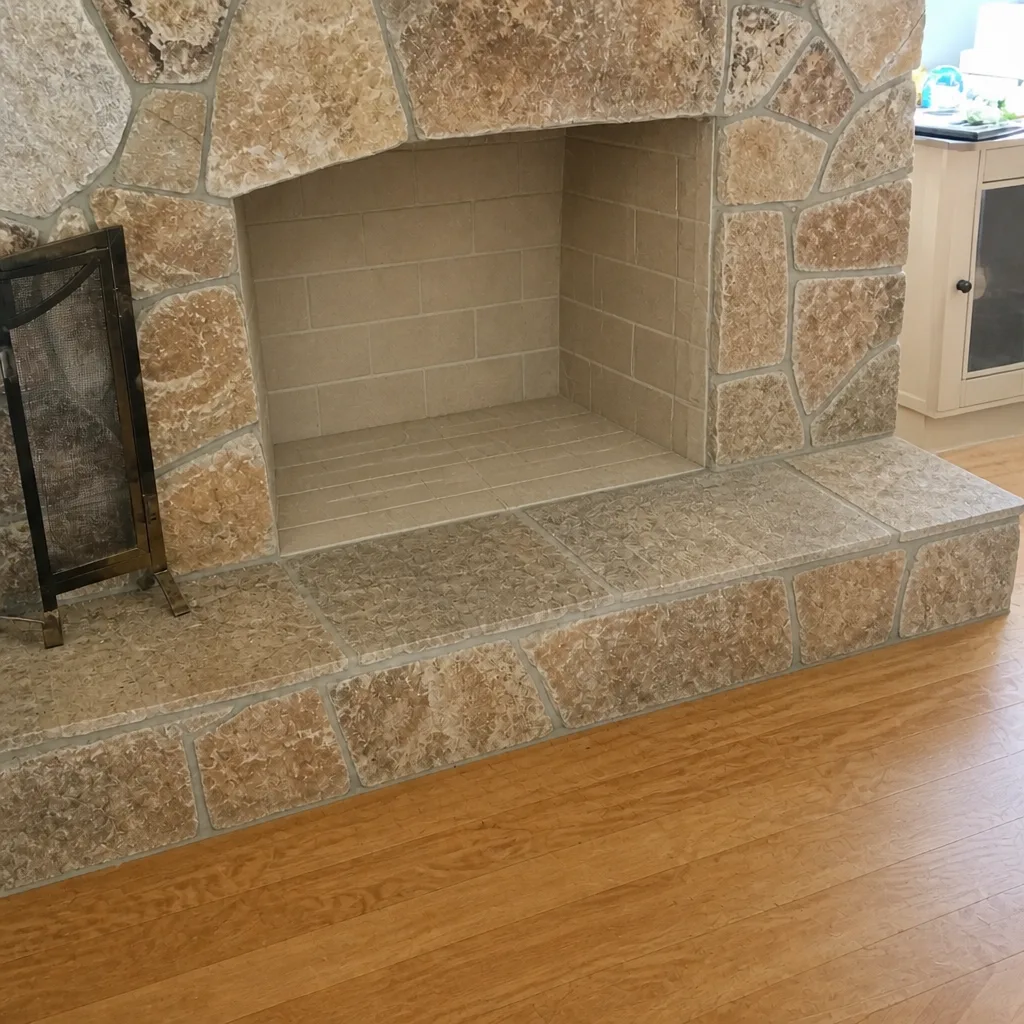 After
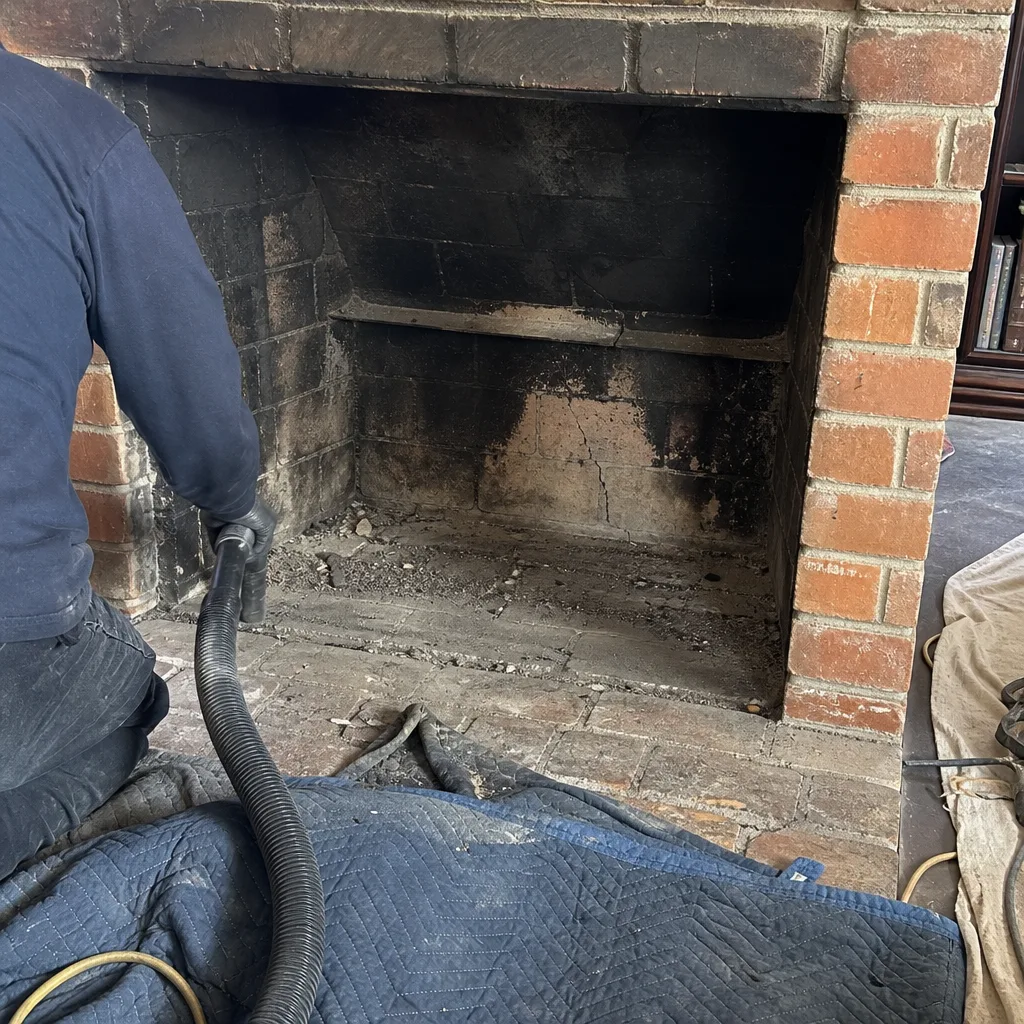 Before
 After
 Before
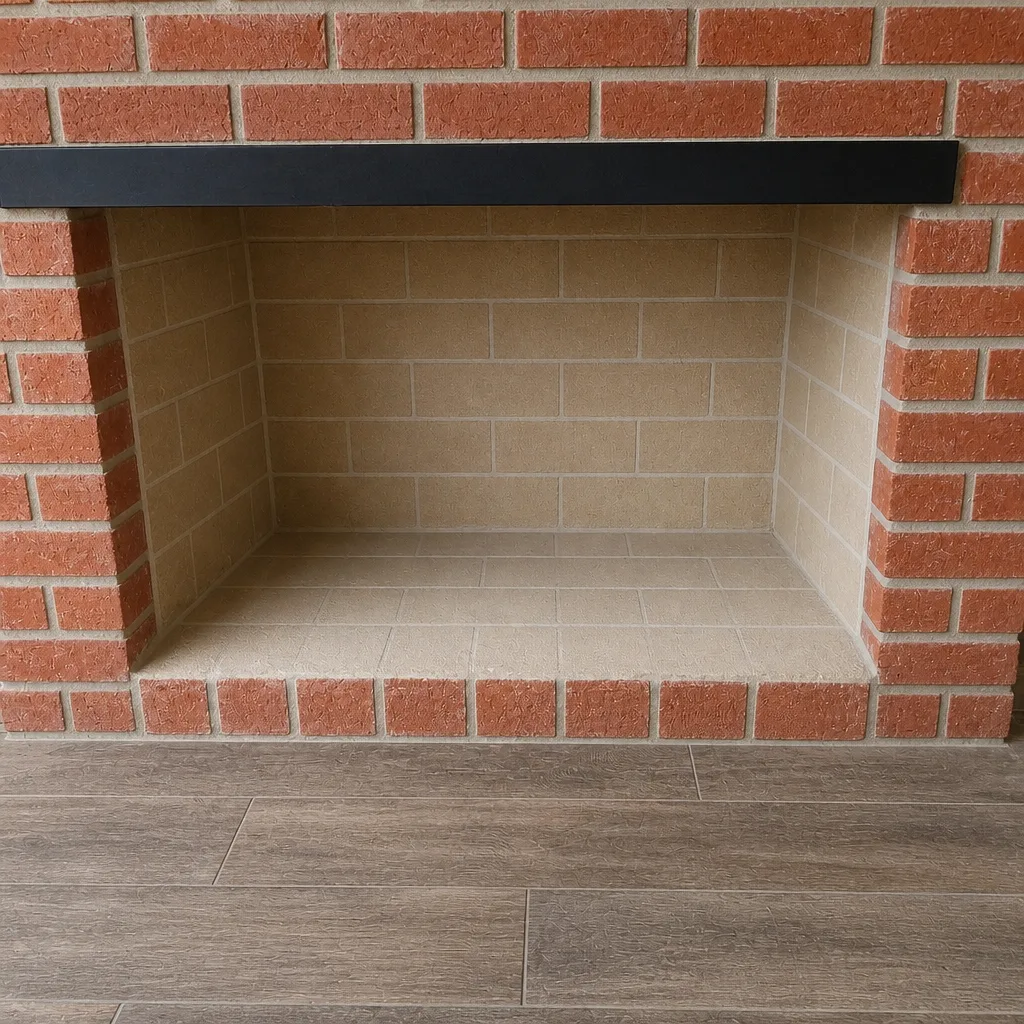 After