
Last updated November 4, 2026
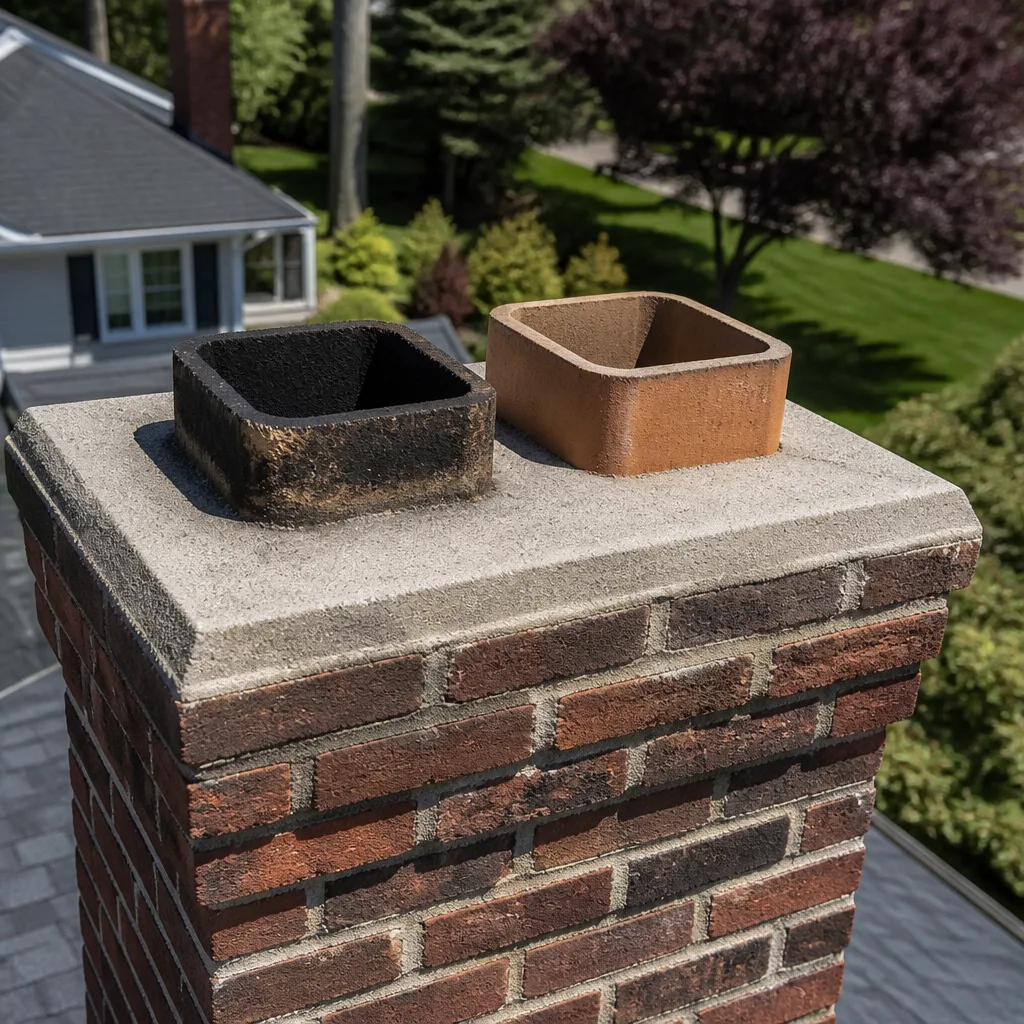 Sweep & inspection
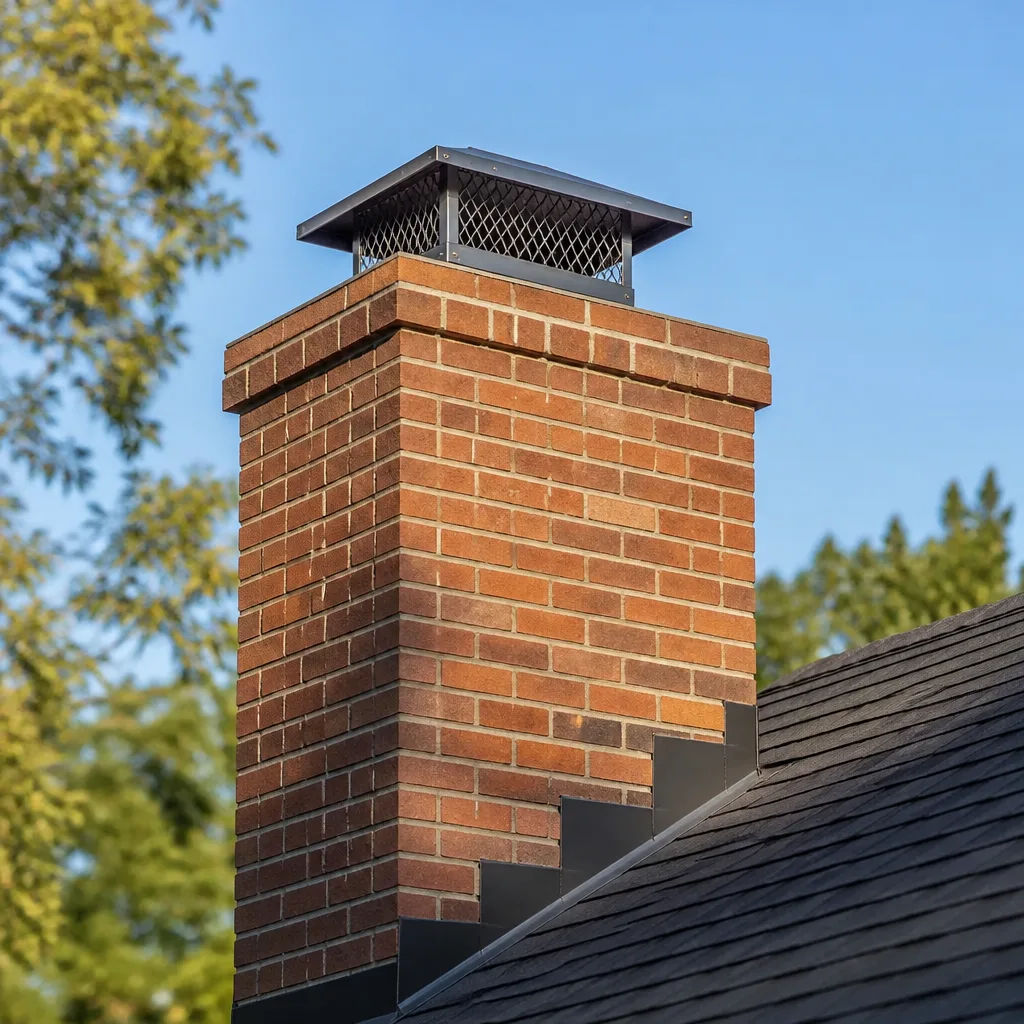 Caps & crowns
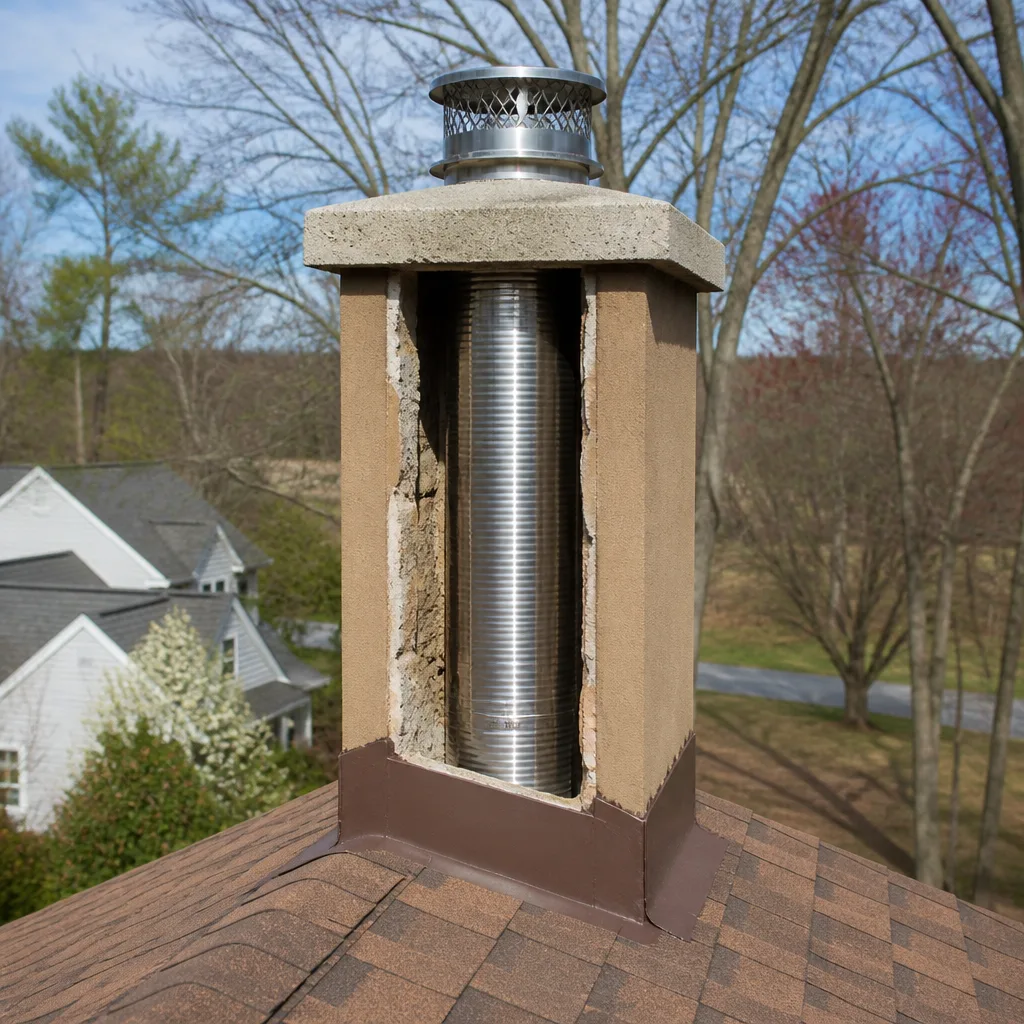 Flue relining
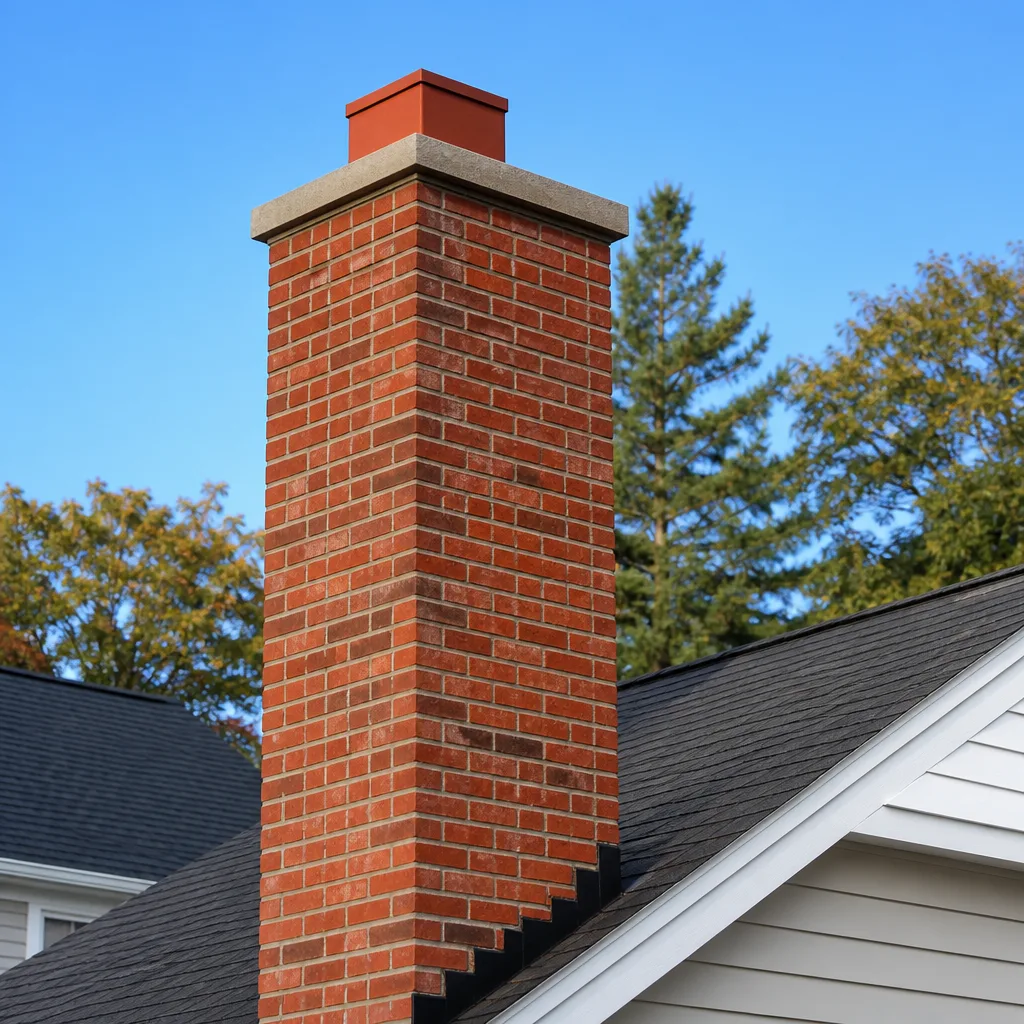 Masonry repair
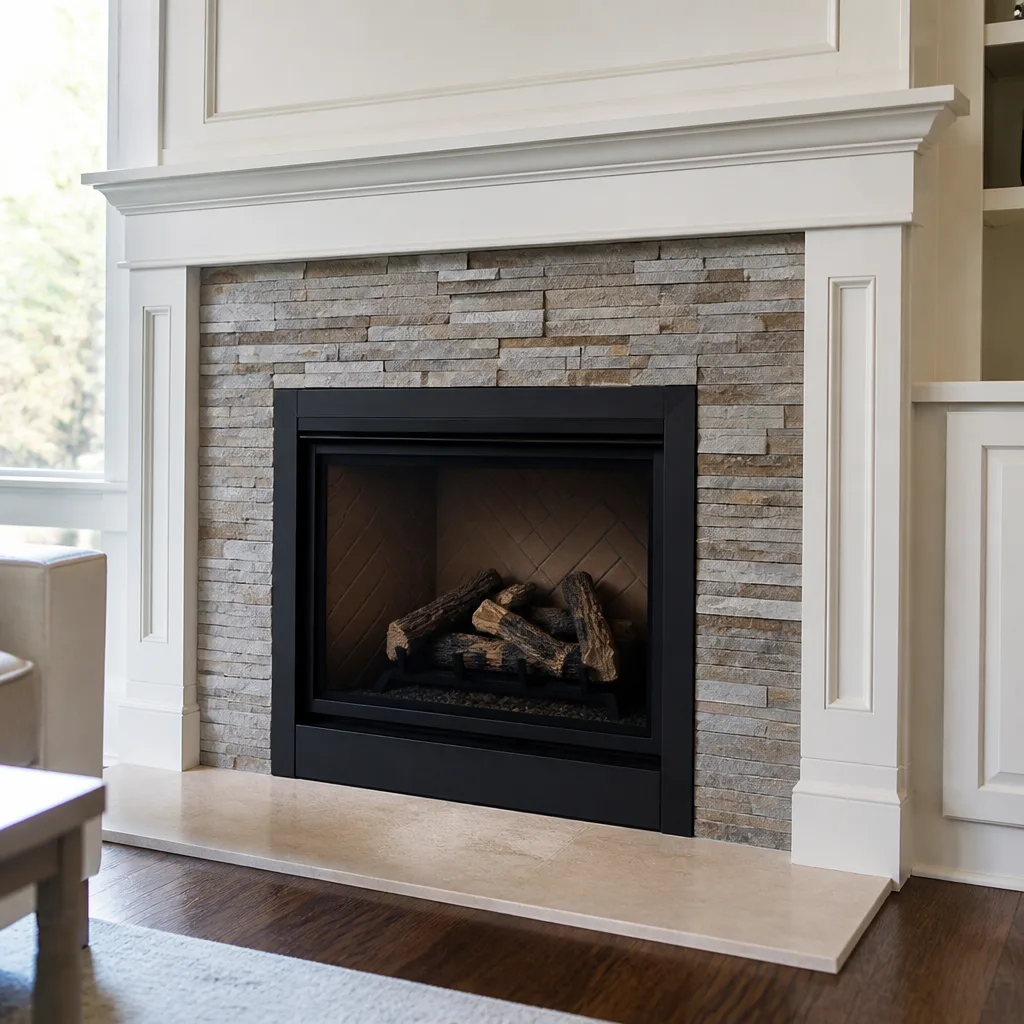 Gas fireplace service
Level 1 sweep and inspection to the NFPA 211 annual standard - flue, crown, cap, and flashing checked and photographed
Chimney sweep logs do not sweep chimneys. They loosen some creosote - which then falls where a brush and vacuum still have to collect it.
Chimney Cleaning Warning Signs: A Simi Valley Homeowner’s Reference Guide
Most homeowners in Simi Valley assume a smoky fireplace means one thing: the chimney needs sweeping. Sometimes that’s true. But often, the smoke rolling into your living room has nothing to do with soot. It could be a pressure imbalance caused by new dual-pane windows you installed last spring. It could be a bird nest blocking the cap. It could be a cracked flue liner pulling air the wrong direction. Cleaning a chimney with a broken liner doesn’t fix the problem, and it can give you false confidence that a dangerous system is safe. This guide decodes what your chimney is actually telling you, symptom by symptom, so you know when a sweep is enough and when you need a repair professional who can handle both.
Quick Answer
The most common chimney warning signs in Simi Valley are smoke backing into the room, a strong odor from the firebox when it’s not in use, visible staining on the exterior chase, and unusual sounds from the flue as it cools. A smoky smell usually points to creosote buildup or a drafting problem, while an acrid or chemical odor suggests moisture mixing with soot inside a damaged liner. If you notice any of these signs, stop burning and have the system inspected. A professional chimney sweep can identify the specific cause, whether it’s routine buildup or structural damage.
Styles & brands we work with
- Sweep & inspection
- Caps & crowns
- Flue relining
- Masonry repair
- Gas fireplace service
Table of Contents
- Smell Indicators: Musty, Smoky, and Acrid Odors Decoded
- Draft Problems: Why Smoke Rolls Into the Room
- Visual Clues Inside the Firebox: Efflorescence, Spalling, and Rust
- Exterior Indicators: What the Chase, Mortar, and Crown Reveal
- Popping and Ticking Sounds: What Your Liner Is Saying
- Gas vs. Wood-Burning Fireplaces: Different Signs, Different Risks
- Common Mistakes to Avoid
- When to Call a Professional
Smell Indicators: Musty, Smoky, and Acrid Odors Decoded
Your nose is often the first warning system you have, and different smells point to different failures. Understanding the difference matters because the fix for each is not the same.
Smoky odor when the fireplace is not in use: This is the classic sign of creosote accumulation inside the flue. Creosote is the black or brown residue left behind by wood combustion, and it has a charred, campfire-like smell. On humid days or when the house pressure changes, that odor travels downward into the living space. A sweep addresses this. But if you’ve had the chimney cleaned recently and the smell returns quickly, the issue may be an undersized flue or a drafting problem rather than simple buildup.
Musty or damp smell: This points to water intrusion. In Simi Valley, rain is seasonal but can be intense during winter storms. A cracked crown, missing chimney cap, or deteriorated flashing allows moisture into the masonry. Once water mixes with soot inside the flue, that damp odor seeps into the home. Musty smells mean moisture, and moisture means accelerated deterioration of the liner and mortar joints. Water entry is a repair issue, not a cleaning issue.
Acrid or chemical odor, especially when the fireplace is cold: This is the smell that worries us most. When moisture saturates creosote, the resulting compound has a sharp, acidic smell. It can also indicate a cracked flue liner allowing combustion byproducts to linger in the chimney cavity and re-enter the home. In our experience in Simi Valley, acrid odors correlate more often with liner damage than with routine soot. If you smell something that makes your nose sting, stop using the fireplace and have the system camera-inspected before burning again.
The distinction matters because a sweep fixes soot, but it cannot fix a leaking crown or a compromised liner. Those require repair work, which is why we built our service around sweep-to-repair continuity: the same crew that finds the problem addresses it, using professional-grade products from manufacturers like Olympia Chimney and DuraFlex when repairs are needed.
Draft Problems: Why Smoke Rolls Into the Room
A fireplace that backdrafts, pushing smoke into the living room instead of up the flue, is a frustrating and potentially dangerous problem. Most homeowners assume the chimney is dirty. Sometimes it is. But we’ve seen five mechanical causes in Simi Valley homes that have nothing to do with soot:
- Negative house pressure: Modern homes are sealed tighter than older construction. Weatherstripping, new windows, whole-house fans, and even running kitchen or bathroom exhaust vents can create negative pressure that pulls air down the chimney instead of allowing it to rise. This is especially common in newer Simi Valley developments where energy efficiency is a priority.
- Blocked or restricted cap: Bird nests, debris, and even tennis balls find their way onto or into chimney caps. A partial blockage disrupts airflow and forces smoke back into the house. This is also a fire hazard if the blockage is combustible.
- Oversized flue: If the flue is too large for the fireplace or insert, it cannot maintain adequate draft. The smoke cools too quickly and loses upward momentum. An oversized flue may require a properly sized liner. We use DuraFlex liner systems for exactly this kind of correction.
- Cracked or separated flue liner: A damaged liner disrupts the smooth flow of combustion gases. It can create turbulence that pushes smoke backward, and it can also allow toxic gases to enter the wall cavity. This is a serious condition requiring professional assessment.
- Chimney height or location issues: A chimney that terminates too low relative to the roofline, or one that sits in a wind shadow created by a taller section of roof or a nearby tree, may struggle to draft. Wind patterns in Simi Valley, particularly during Santa Ana events, can exacerbate this.
The fix depends entirely on the cause. A blocked cap needs debris removal. Negative pressure may require a make-up air solution. A damaged liner requires relining. A qualified Chimney Sweep Simi Valley technician diagnoses the problem rather than assuming it’s dirt, which saves you from paying for a cleaning that won’t solve the symptom.
Visual Clues Inside the Firebox: Efflorescence, Spalling, and Rust
The inside of your firebox tells a story if you know what to look for. These three visual indicators are often overlooked or dismissed as cosmetic, but each one signals a specific system failure.
Efflorescence: This is the white, powdery substance that appears on brick or masonry. It occurs when water moves through masonry and deposits dissolved salts on the surface as it evaporates. Efflorescence inside a firebox indicates water intrusion from above, typically through a failed crown or damaged masonry above the roofline. It is not just a cosmetic issue. The same water that leaves salt deposits is also deteriorating the structure from within.
Spalling firebrick: When firebrick begins to flake, chip, or crumble, that is spalling. Water inside the brick expands and contracts with temperature changes, breaking the brick apart over time. This weakens the firebox’s ability to contain heat and protect surrounding combustible materials. In Simi Valley, where temperature swings between hot days and cool nights are normal, spalling progresses steadily once it starts.
Rust streaks: Rust-colored staining on the firebox walls or damper assembly suggests condensation mixing with creosote or metal components corroding. Rust on the damper is often a sign of moisture entry that has persisted for some time. Rust streaks from above point to a metal chimney component that is failing and needs replacement.
None of these conditions responds to sweeping alone. They are repair indicators. The advantage of working with a company that performs both cleaning and repair is that these problems do not get documented and then left for you to handle with another contractor. We find the issue, quote the repair, and complete it with products like HeatShield resurfacing materials when appropriate.
Exterior Indicators: What the Chase, Mortar, and Crown Reveal
You do not need to climb on your roof to spot several important warning signs. A walk around the exterior of your home, looking at the chimney from the ground, can reveal a great deal about your system’s condition.
Staining on the chase: If you have a factory-built or prefabricated chimney, the chase is the framed enclosure that surrounds the metal flue pipe. Dark staining, streaks, or discoloration on the chase siding or stucco indicates water entry. It may look like ordinary grime, but water running down the inside of the chase causes rust on the metal flue, soaks the chase insulation, and eventually shows through to the exterior surface. By the time you see staining, the moisture problem has been ongoing.
Deteriorating mortar joints: For masonry chimneys, look at the joints between bricks or stone. Mortar should be full and intact. Eroded, cracked, or missing mortar joints allow water to penetrate the chimney structure. This is repointing work, which prevents more extensive structural failure later. It is also a sign that the chimney has been absorbing water, which means internal components like the flue liner may also be compromised.
Crown cracking: The crown is the concrete or mortar surface at the very top of a masonry chimney. It is designed to shed water away from the flue and the chimney body. Hairline cracks are normal over time, but wider cracks, spalling, or pieces of the crown missing indicate that the crown is no longer performing. Rain in Simi Valley enters through those openings and saturates the masonry. Crown repair or replacement is not a sweeping issue. It is a structural repair that should be addressed by someone who understands chimney construction.
At Chimney Sweep Simi Valley, exterior assessment is part of every inspection we perform. When we identify crown damage or deteriorating mortar, we recommend repairs that address the water entry at its source, using materials suited to the job rather than a patch-up that fails again next winter.
Popping and Ticking Sounds: What Your Liner Is Saying
After a fire dies down and the fireplace begins to cool, you may hear popping or ticking sounds from inside the chimney. Many homeowners write this off as metal expanding and contracting. Sometimes that is exactly what it is. But those sounds can also indicate problems you should not ignore.
A healthy stainless steel liner expands as it heats and contracts as it cools. Some ticking during cool-down is normal, especially with older liners. However, persistent or loud popping sounds, particularly when accompanied by any odor or drafting issues, can signal that the liner has separated at a seam, cracked, or pulled away from the chimney structure. What you are hearing may be the liner flexing against itself or against the masonry as temperatures change.
In an unlined masonry chimney, popping can indicate damaged flue tiles shifting or cracking. Clay tile liners degrade over time, and once a tile cracks or separates, the chimney is no longer safely containing combustion byproducts. This is how chimney fires spread into the home structure.
The only way to know what those sounds mean is to run a camera through the flue during a chimney inspection. We routinely perform this as part of evaluating whether a liner is intact. When we find damage, we reline using DuraFlex products, which are engineered for longevity and proper draft performance. If the liner is intact and the sounds are benign, you get that confirmation in writing, and you can enjoy your fireplace without worrying.
Gas vs. Wood-Burning Fireplaces: Different Signs, Different Risks
Gas fireplaces, inserts, and stoves in Simi Valley present different warning signs than wood-burning units, and homeowners sometimes assume gas appliances need no chimney maintenance at all. That assumption can be dangerous.
Wood-burning signs to watch: Beyond the smells, visual clues, and sounds already covered, watch the buildup rate. If you have heavy creosote accumulation after only a few fires, your wood may be unseasoned, your burn habits may need adjustment, or your flue may be drafting too cold. Creosote glazed onto the flue walls is the stuff that ignites and creates a chimney fire.
Gas fireplace signs to watch: Gas appliances produce less visible residue, but they still vent combustion gases. Watch for soot building up on the glass or around the appliance, a sign of incomplete combustion or venting problems. Any gas smell near the fireplace is an immediate shut-down condition. You should also watch for corrosion on the venting system, unusual flame color (a healthy gas flame is primarily blue with minimal yellow tipping), and condensation inside the firebox.
A gas fireplace or insert connected to a chimney still needs that chimney inspected. The liner’s condition matters whether you burn wood or gas, because both produce gases that must vent outside. We inspect and clean chimneys serving gas fireplaces regularly. And while you are addressing fireplace safety, consider the other vent in your home. Dryer vent cleaning addresses a fire risk that causes far more residential fires than chimneys do, and it can be done in the same appointment.
Common Mistakes to Avoid
- Assuming smoke means dirty and sweeping fixes everything. Smoke backdrafting into a room can be caused by pressure issues, damaged liners, or blocked caps. Sweeping a chimney with a failing liner wastes money and delays actual repairs.
- Putting off exterior repairs because the fireplace still works. Crown cracks, deteriorating mortar, and chase staining get worse every time it rains in Simi Valley. The fireplace can appear fine for years while water silently degrades the structure.
- Ignoring musty smells during the off-season. Chimneys are most noticeable in winter, but water damage progresses year-round. A musty smell in August is telling you that moisture has already gotten inside.
- Burning anything other than seasoned firewood. Construction scraps, painted wood, cardboard, and wrapping paper create thick creosote and can burn unpredictably. Use only dry, seasoned hardwood in your fireplace or stove.
- Assuming a gas fireplace never needs chimney service. Gas appliances still produce combustion gases. The venting system still needs inspection for corrosion, blockages, and proper clearances.
- Waiting until fall to schedule service. By the time October arrives, every chimney company in Simi Valley is booked solid. Scheduling a spring or summer inspection gives you flexibility and ensures you are ready for the first cold night without a wait.
When to Call a Professional
Some situations are clear signals to stop using your fireplace and call a chimney professional. If you smell acrid odors from a cold fireplace, if smoke billows into the room despite opening the damper, if you see rust streaks or efflorescence inside the firebox, or if the chimney is making loud popping sounds during cool-down, those are not conditions to monitor and wait on. They are conditions that worsen with every fire and every rain. A camera inspection gives you certainty. Fixing a liner or crown early costs less than repairing the damage that occurs when water and combustion gases have had another year to move through your walls.
Simi Valley homeowners can call Chimney Sweep Simi Valley at (833) 593-4098 for a free estimate. We inspect, clean, and repair in one appointment, so the problem gets resolved rather than handed off.
See the difference
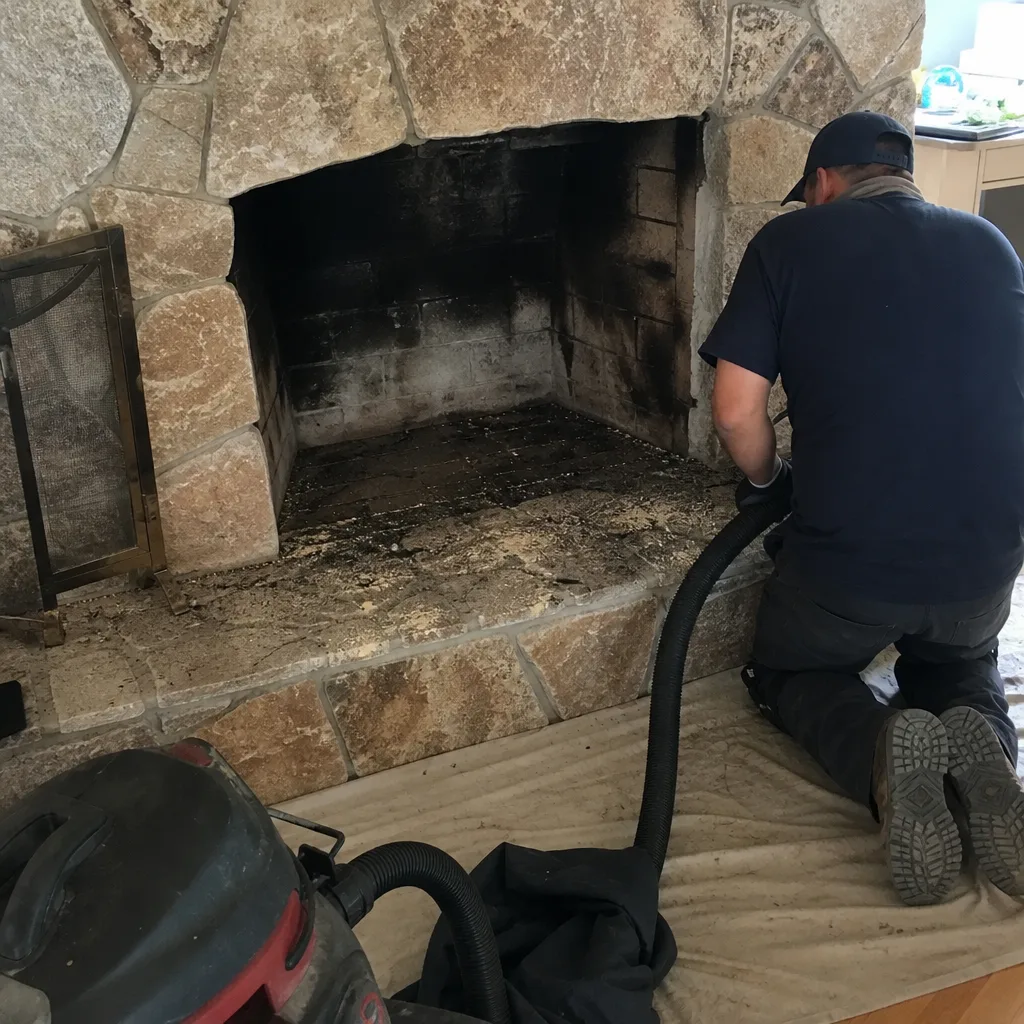 Before
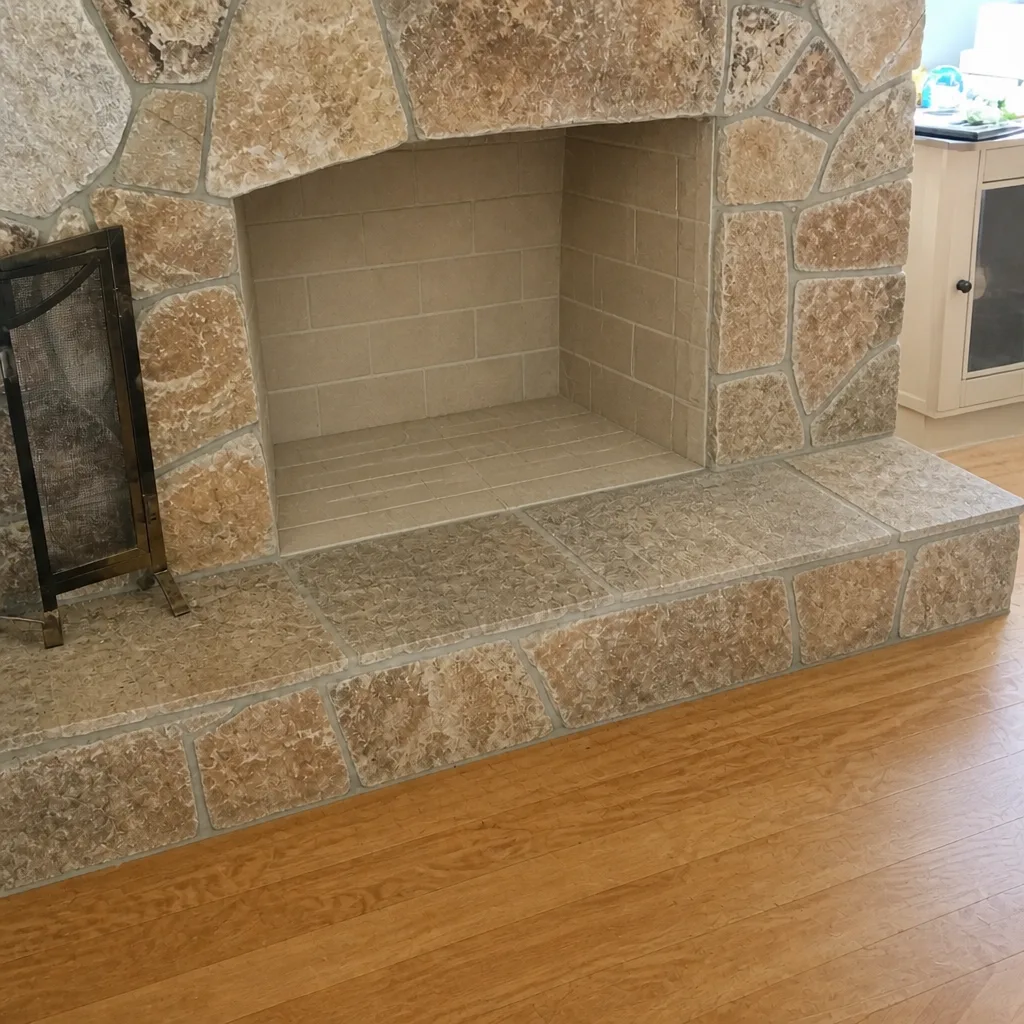 After
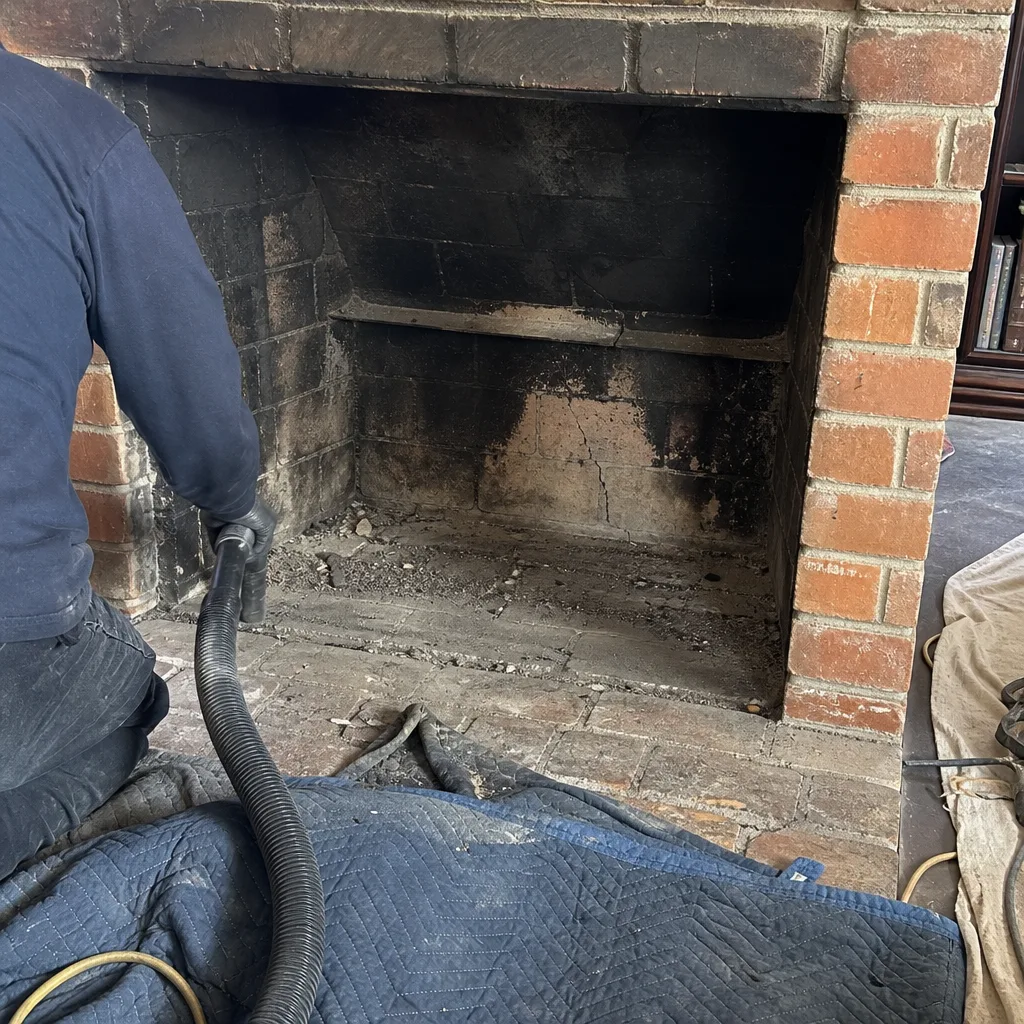 Before
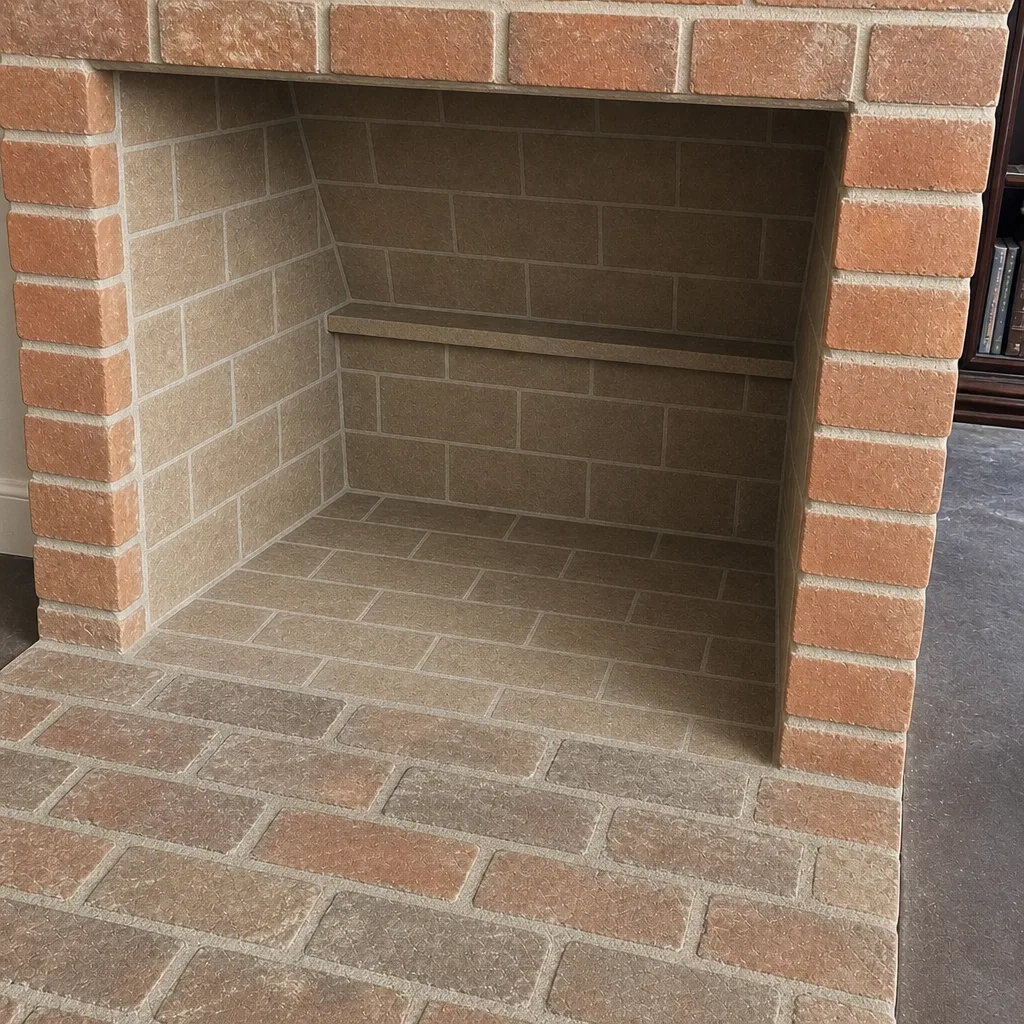 After
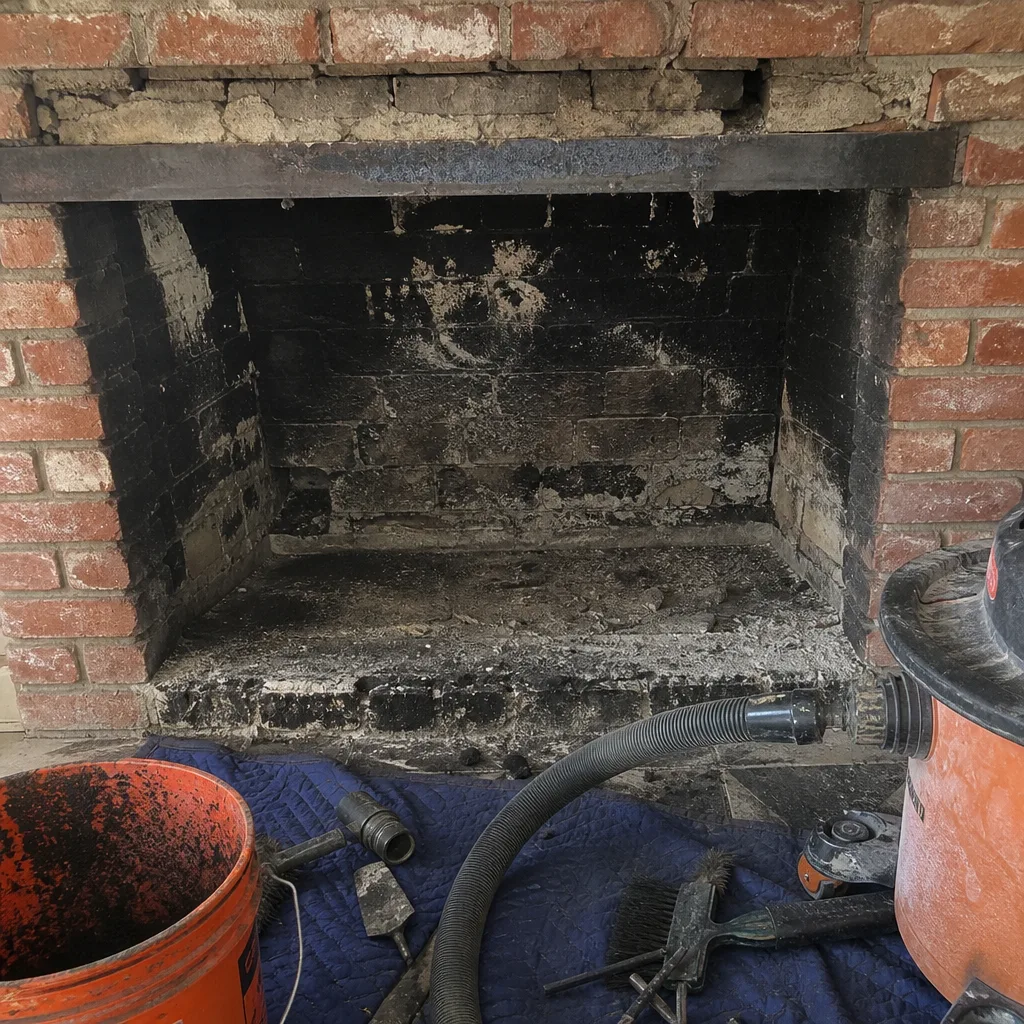 Before
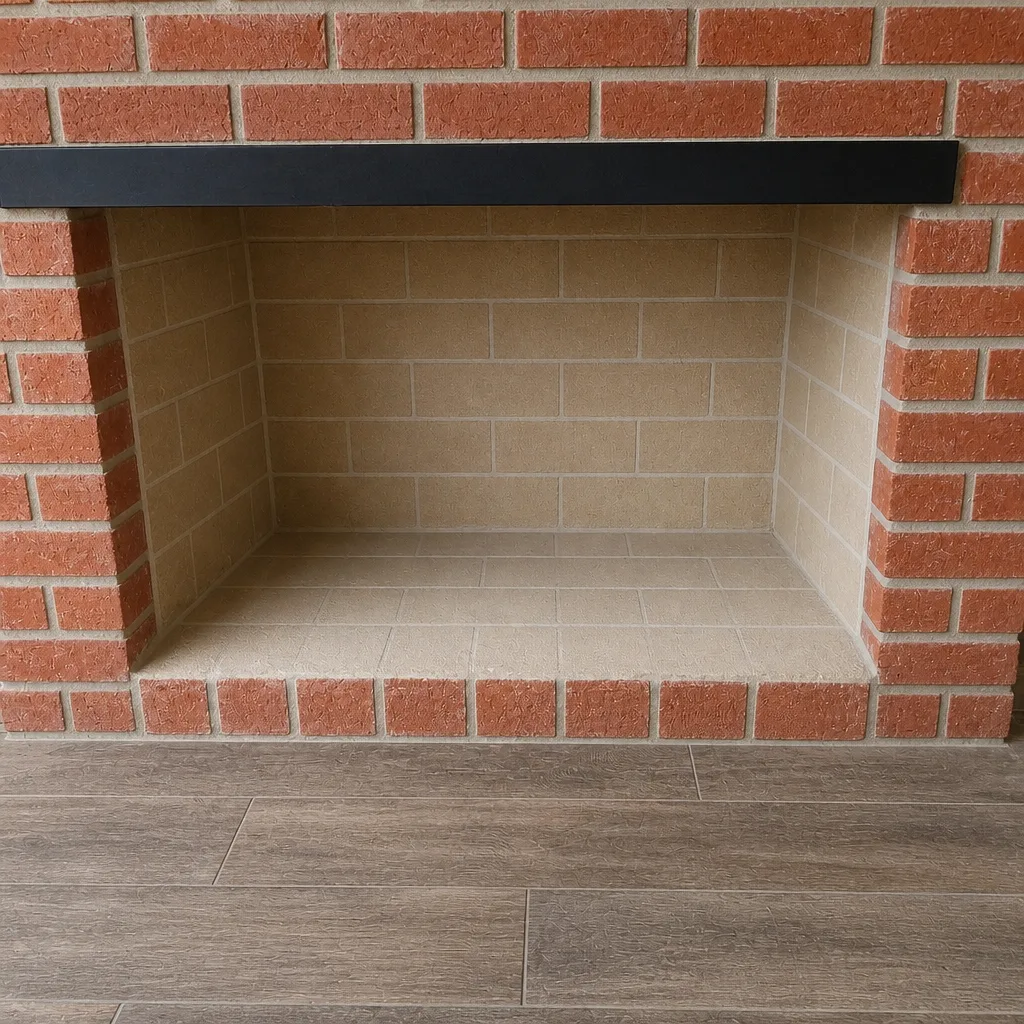 After
Frequently Asked Questions
The National Fire Protection Association recommends an annual inspection and cleaning as needed, and that’s the standard we follow in Simi Valley. If you burn frequently, use softer woods, or burn during every winter weekend, you may need more than one cleaning per season. Call (833) 593-4098 and we’ll help you determine a schedule that matches how you actually use your fireplace.
A smell from an unused fireplace is almost always creosote or moisture inside the flue. Creosote produces a smoky, charred odor that travels down when air pressure changes. A musty smell means water is entering through the crown, cap, or mortar joints and saturating the soot inside. Both situations require an inspection to identify the specific cause before the smell gets better.
The cost depends on the type of system, the level of buildup, and whether repairs are needed. A standard cleaning typically runs higher when creosote is heavy or the flue is difficult to access. Every quote is based on an inspection and a written estimate, so you know the price before any work starts. Estimates are free.
A cracked flue liner is a safety issue, not a cosmetic one. The liner’s job is to contain combustion gases and heat inside the flue. Once it cracks, those gases can enter the chimney cavity and the home structure. Whether you need a full reline or a resurfacing treatment depends on the extent of the damage, but doing nothing is not a safe option. We use both HeatShield resurfacing and DuraFlex relining systems, and we’ll show you the camera footage so you understand what you’re seeing.
Creosote accumulates in the flue. If it is thick enough, a hot fire or a spark can ignite it, creating a chimney fire that can reach temperatures high enough to crack the flue liner and spread to the surrounding structure. Even if no fire occurs, built-up creosote corrodes the liner over time and blocks the draft. The risk compounds with each season. Call (833) 593-4098 for a free estimate and get a clear picture of your system’s condition.
Yes. We are a sweep-to-repair company, which means the same team that cleans your chimney identifies problems and completes repairs. You won’t be handed a report and told to find another contractor. Call (833) 593-4098. We answer 24/7. Fast dispatch from 7am to 7pm, Sunday through Friday.
The Bottom Line
Your chimney tells you when something is wrong. You just need to know how to read the signs. A smoky smell means creosote or a drafting issue. A musty smell means water. An acrid smell means moisture has saturated soot or the liner is compromised. Rust, efflorescence, and spalling brick all point to water intrusion. Popping sounds from the flue might be normal, or they might be the liner failing. The only way to know for certain is to have the system inspected by someone trained to evaluate both cleaning and structural integrity. Chimney Sweep Simi Valley does both, in one visit, with professional-grade materials when repairs are needed. Call (833) 593-4098 for a free estimate in Simi Valley.
Written by the team at Chimney Sweep Simi Valley, serving Simi Valley since 2015.