
Last updated November 4, 2026
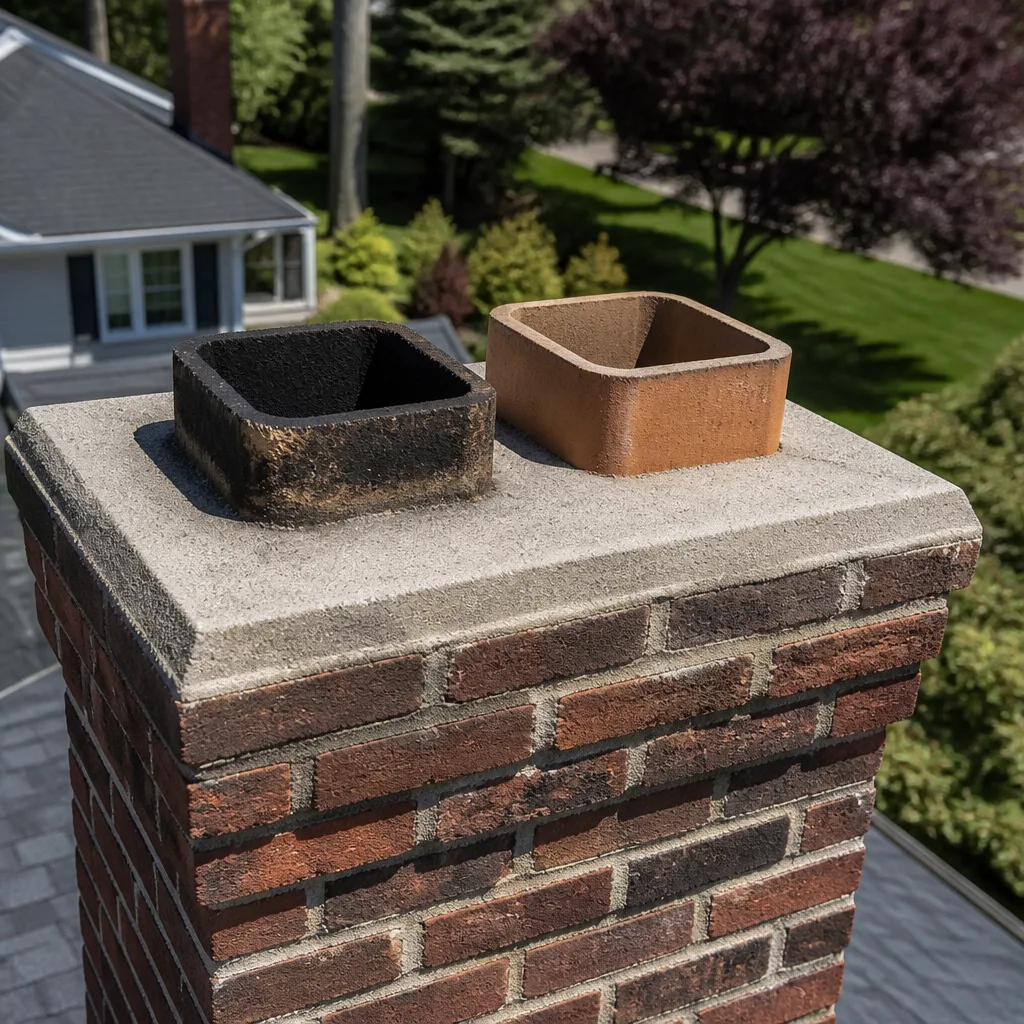 Sweep & inspection
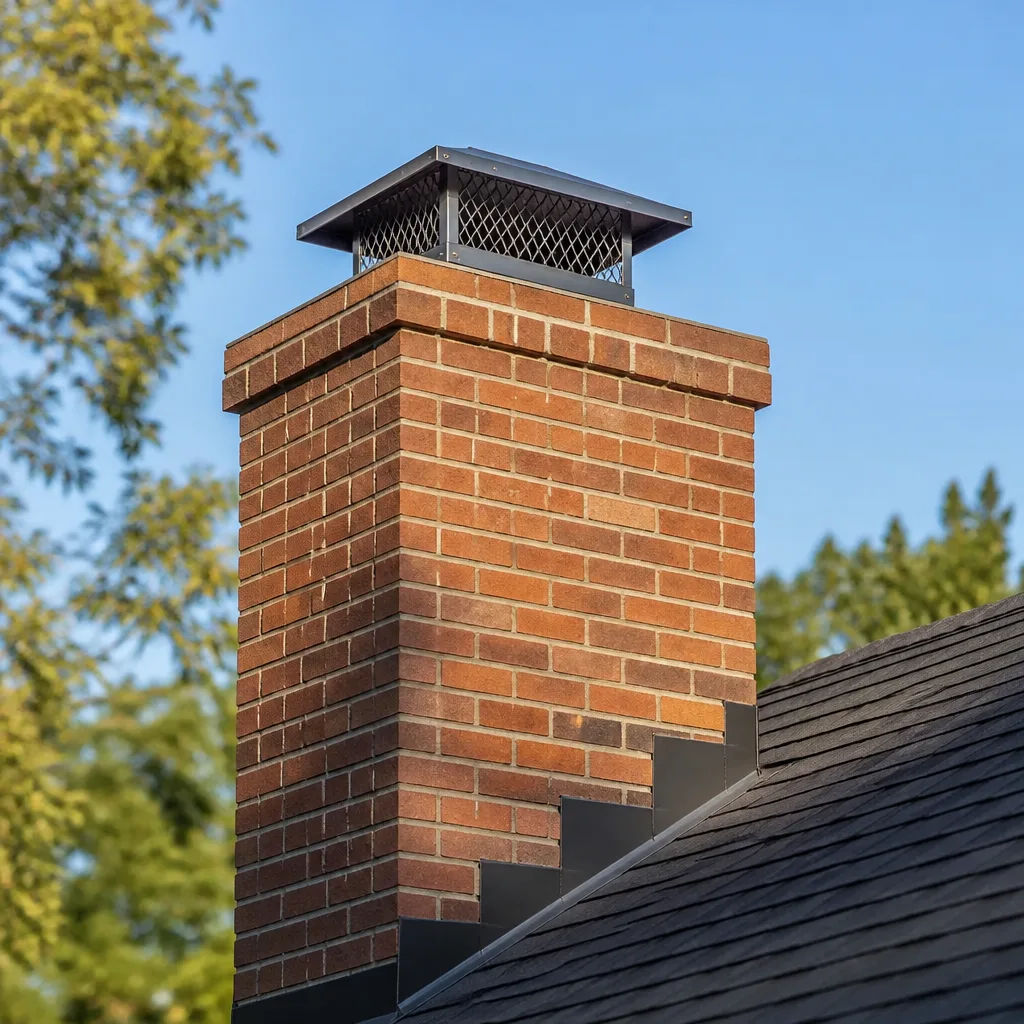 Caps & crowns
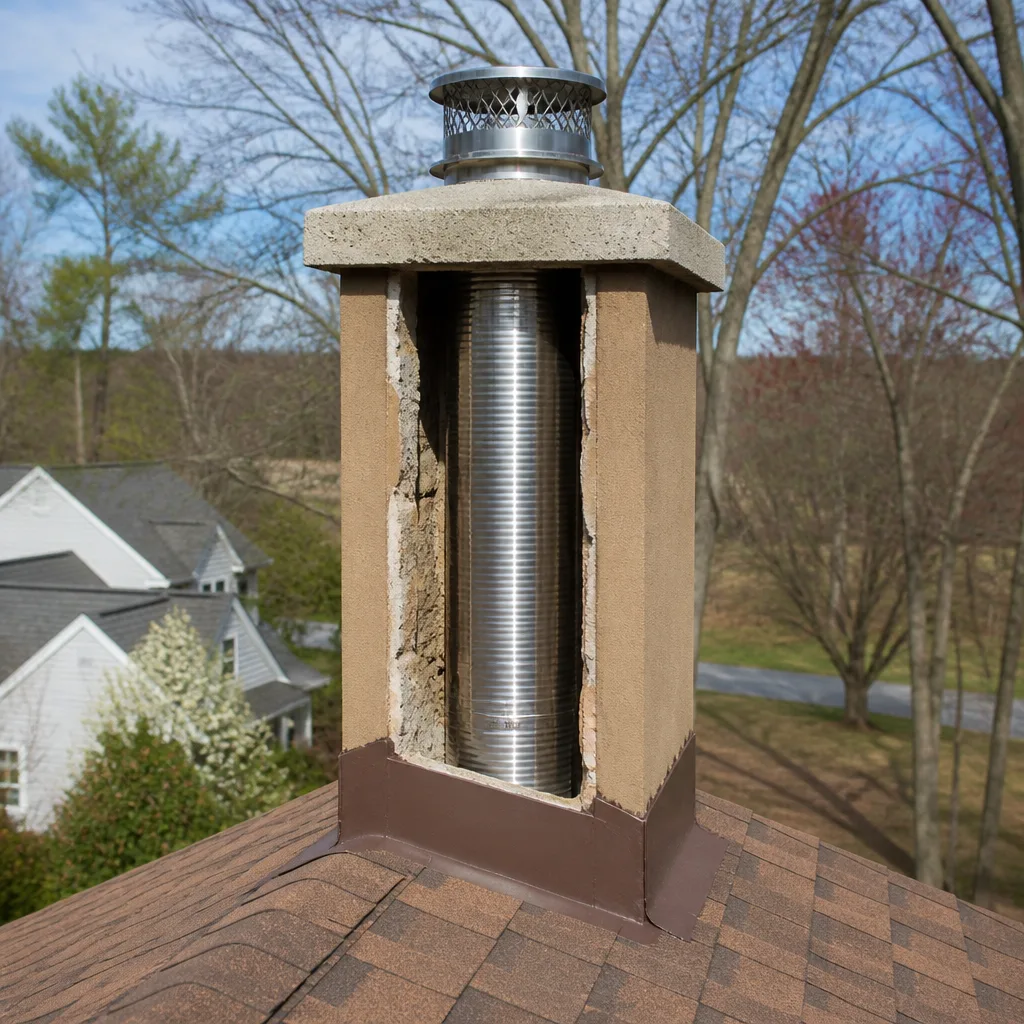 Flue relining
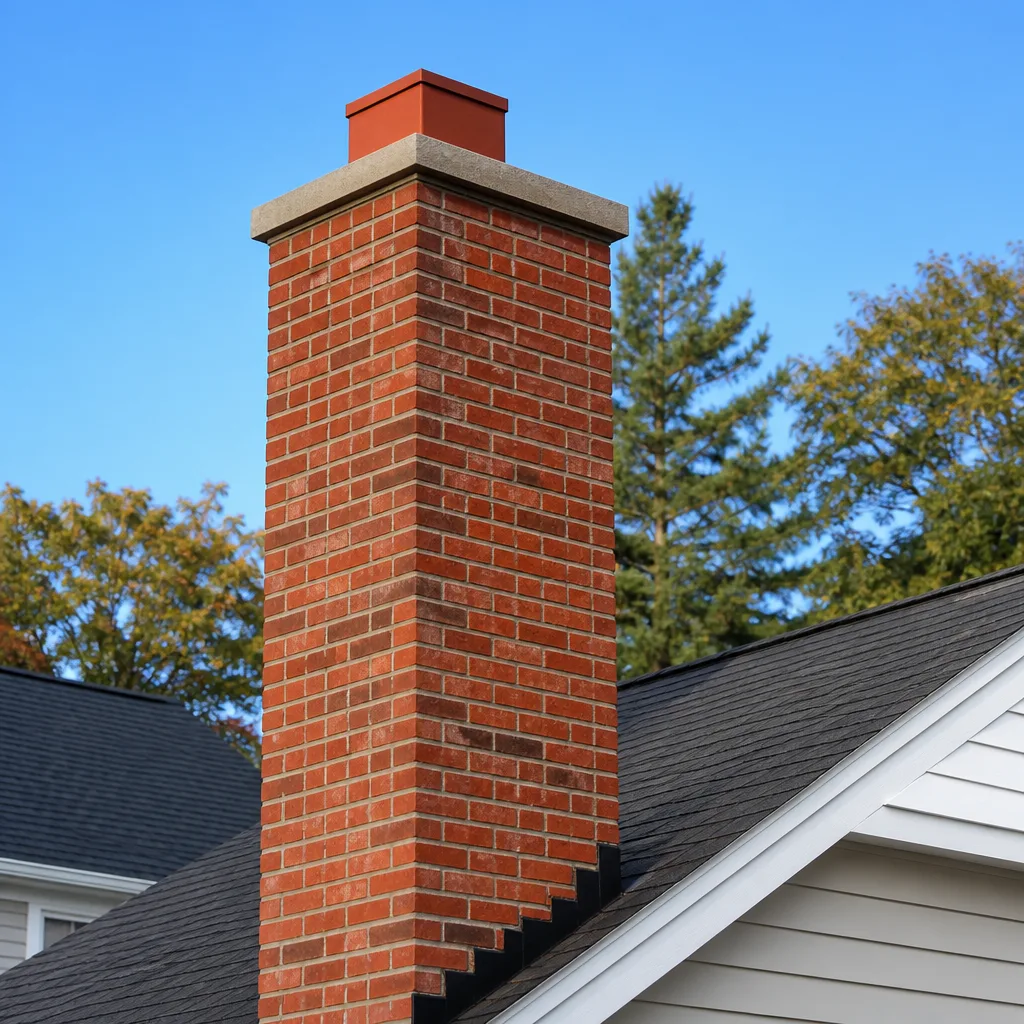 Masonry repair
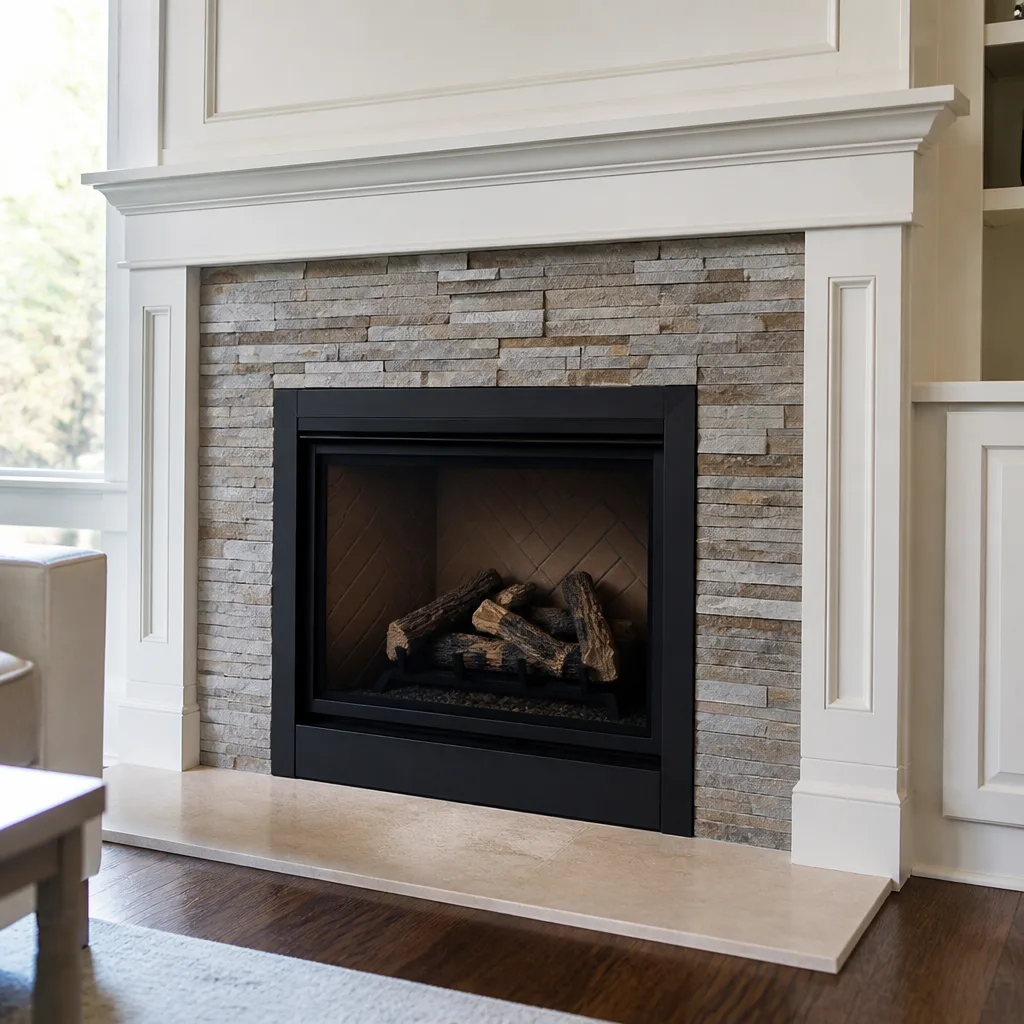 Gas fireplace service
Level 1 sweep and inspection to the NFPA 211 annual standard - flue, crown, cap, and flashing checked and photographed
Chimney sweep logs do not sweep chimneys. They loosen some creosote - which then falls where a brush and vacuum still have to collect it.
Chimney Sweep Troubleshooting in Simi Valley: Common Problems and How to Fix Them
Most chimney problems in Simi Valley get misdiagnosed on the first try. A homeowner notices smoke spilling into the living room, assumes the flue needs sweeping, and calls it a day. But a smoky fireplace is rarely just a dirty flue. It’s a system failure with multiple possible origins: a damper that won’t fully open, negative air pressure created by modern insulation, an animal nest blocking the top, or a cap that’s rusted shut. This guide walks through the diagnostic sequence we use as a Chimney Sweep Simi Valley team, so Simi Valley homeowners can trace symptoms to actual mechanical causes instead of guessing, and know which fixes are safe to attempt and which need a specialist before the next fire.
Quick Answer
Chimney problems in Simi Valley homes fall into five main symptom categories: smoke backdraft, persistent odors, water staining on walls or ceilings, slow or weak draw, and visible cracks in masonry or the crown. Each symptom maps to a chain of possible mechanical causes, from blocked flues and failed dampers to negative house pressure and cracked flue liners. The most common misdiagnoses we see are draft issues blamed on creosote that are actually caused by tight home construction, and crown cracks dismissed as cosmetic when they’re structural water entry points. A professional chimney sweep in Simi Valley can identify the true cause and fix it in one visit rather than leaving you to chase symptoms.
Styles & brands we work with
- Sweep & inspection
- Caps & crowns
- Flue relining
- Masonry repair
- Gas fireplace service
Table of Contents
- Symptom 1: Smoke Backdraft into the Room
- Symptom 2: Persistent Chimney Odor
- Symptom 3: Water Staining on Walls or Ceilings
- Symptom 4: Slow or Weak Draw
- Symptom 5: Visible Cracks in Masonry or Crown
- What You Can Fix Yourself vs. What Needs a Pro
- The Diagnostic Sequence a Chimney Specialist Uses
- Common Mistakes to Avoid
- When to Call a Professional
Symptom 1: Smoke Backdraft into the Room
Smoke backdraft is the most alarming chimney symptom because it’s immediate and visible. You light a fire, and smoke rolls into the living room instead of going up the flue. The root cause is almost never what homeowners assume. In Simi Valley, where homes range from 1960s ranch-style construction in neighborhoods like Santa Susana Knolls to newer builds in Big Sky and Wood Ranch, the age and tightness of the home matters a lot.
A backdraft means the chimney cannot establish a pressure differential. The warm air inside the flue must rise faster than the air in the room pushes back. When it doesn’t, smoke follows the path of least resistance, which is into your living space. The fix depends on which part of the system failed:
- Blocked flue: Bird nests, squirrel debris, or heavy creosote accumulation can physically narrow the flue opening. In Simi Valley’s dry climate, creosote forms as a hard, glazed deposit rather than the sticky tar seen in wetter regions, and it can chip off in chunks or build up as a hard shell that reduces draft.
- Failed damper: A damper that won’t open fully, has warped from heat exposure, or is rusted at the hinge restricts exhaust flow at the throat. This is common on fireplaces that sit unused for long stretches, which describes many Simi Valley homes where the fireplace is seasonal.
- Negative house pressure: Tightly sealed homes with double-pane windows, new weatherstripping, and modern insulation create a vacuum effect. Exhaust fans in kitchens and bathrooms, along with gas appliances pulling combustion air, depressurize the home. The chimney becomes the only opening, and outside air gets pulled down the flue, fighting the smoke trying to exit.
- Chimney height or cap issues: A chimney that doesn’t extend high enough above the roofline, or a cap that’s sized incorrectly, can create turbulence that reverses draft on windy days. The Santa Ana winds that sweep through Simi Valley’s valley floor can turn an otherwise functional chimney into a backdraft machine.
We don’t recommend attempting to run a fire while diagnosing backdraft. The danger isn’t just smoke inhalation. It’s carbon monoxide, which is odorless and can accumulate in the room without you realizing it. If you’re getting smoke in the room, stop using the fireplace and have the system evaluated.
Symptom 2: Persistent Chimney Odor
A fireplace smell that lingers when the fireplace isn’t in use is one of the most common complaints we hear from Simi Valley homeowners, especially during the warmer months. The smell is usually described as smoky, musty, or vaguely acrid. The mechanical cause is almost always moisture interacting with creosote deposits, or a pressure differential pulling air down the flue and into the house.
Here’s the chain: creosote, even in small amounts, is absorbent. When humidity rises inside the flue, either from evening condensation or rain if the cap is damaged, the creosote releases volatile compounds that smell like a campfire. That odor seeps into the home through the fireplace opening, especially on days when the house is cooler than the outside air, which creates a down-draft.
The specific causes we’ve traced in Simi Valley homes break down like this:
- Damaged or missing chimney cap: Without a cap, rain enters the flue directly and saturates creosote. Even a light overnight dew in Simi Valley’s valley climate can be enough to trigger odor release when the flue isn’t sealed off.
- Damper not sealing: A damper that’s warped, rusted, or improperly seated allows air to move freely between the flue and the house. That air carries the odor with it. Even a slight gap is enough.
- Negative pressure from exhaust fans: The same tight-home condition that causes backdraft also causes odor. When your house is sealed up and exhaust fans run, the chimney becomes a fresh air intake, pulling flue air down into the living space.
- Animal debris: Bird or squirrel nests inside the flue hold moisture and decomposing organic matter. The smell is distinct from creosote, often more pungent and persistent, and it won’t go away until the nest is physically removed.
The fix starts with a professional chimney sweep to remove creosote deposits and clear any blockages, followed by a cap installation or repair if that’s the water entry point, and a damper repair or replacement if the seal has failed. Odor isn’t something you can mask with a scented candle. The source has to be corrected.
Symptom 3: Water Staining on Walls or Ceilings
Water stains near a chimney are the symptom most likely to be dismissed until they’re severe. A homeowner sees a faint brown ring on the ceiling or an upstairs wall near the chimney chase, assumes it’s a roof leak, and patches the drywall. Six months later, the stain is back. That’s because the actual water entry point is usually the chimney system, not the roof decking.
In Simi Valley, water intrusion follows a predictable pattern. The dry climate means the flue liner, mortar joints, and crown expand and contract with temperature swings. Over years, hairline cracks open up. Rain doesn’t need to be heavy to enter. Even brief Southern California storms push water into cracks that then sits against the masonry and migrates inward, where it shows up as staining on interior surfaces.
The mechanical causes to check:
- Cracked crown: The crown is the concrete slab that caps the masonry at the top of the chimney. It’s exposed to direct sun in Simi Valley, which causes it to expand and contract daily. Over time, cracks form, and water seeps through those cracks into the masonry below. This is the most commonly misdiagnosed chimney problem we see, because homeowners assume a small crack is cosmetic when it’s actually a structural water entry point.
- Failed flashing: The metal flashing where the chimney meets the roofline is a vulnerable point. If it’s loose, corroded, or was never installed correctly, water runs under it and into the roof decking and wall cavities.
- Deteriorated mortar joints: Mortar doesn’t last forever, and in Simi Valley’s climate, it dries out and erodes from thermal cycling. When mortar joints recede, water gets behind the brick or stone and into the structure.
- Missing or damaged chimney cap: Without a cap, rain falls directly into the flue. In a masonry chimney, that rain soaks into the liner and can migrate through the brick into the surrounding framing.
The fix depends on which component failed. A cracked crown can often be repaired with a proper crown sealant or rebuilt if the damage is extensive. Flashing can be replaced. Mortar joints can be repointed. But the first step is determining where the water is actually entering, which requires a close visual inspection of the crown, flashing, and masonry from above.
Symptom 4: Slow or Weak Draw
Slow draw means the fire burns, but smoke doesn’t exit quickly. It lingers at the top of the firebox, curls outward in small wisps, or the fire seems to need constant attention to keep smoke moving up. It’s a less dramatic symptom than full backdraft, but it’s usually a warning sign that the system is becoming restricted.
The causes in Simi Valley homes are often different from what homeowners expect. Because the fireplace gets used less frequently than in colder climates, the system sits idle for months. That idle time allows creosote to harden, animals to move in, and dampers to seize.
The most common mechanical causes:
- Partial flue blockage: A nest, a dead animal, or heavy creosote accumulation can reduce the effective flue opening from, say, 12 inches to 8 inches. The fire still draws, but poorly. You wouldn’t know without looking down the flue with a camera.
- Cold flue reversal: A flue that’s cold from disuse can be slow to establish draft. The air inside is dense and sinks, pushing smoke back until the flue warms up. This is common in Simi Valley on the first fire of the season.
- Undersized flue for the fireplace: If the fireplace opening is large but the flue liner is small, the ratio is wrong. The flue can’t move the volume of exhaust the fire produces. This is an installation issue that requires a liner assessment.
- Flue liner damage: Cracked clay tile liners or eroded mortar between tile sections creates turbulence inside the flue. The smoke path isn’t smooth, which reduces draft efficiency and also creates a fire hazard if hot gases reach the masonry behind the liner.
Slow draw is often the first physical sign of creosote buildup that would eventually become a chimney fire hazard. If the draw was strong last season and weak this season, something changed inside the flue. It’s worth having it looked at before burning again.
Symptom 5: Visible Cracks in Masonry or Crown
Cracks in the chimney’s exterior masonry or the crown at the top get ignored more than any other symptom. From the ground, a crack in the brick looks small. Up close, it’s a structural opening that’s allowing water in and is gradually worsening with every thermal cycle.
The distinction that matters is whether a crack is cosmetic or structural. Cosmetic cracks are hairline surface fractures in the mortar or brick face that don’t penetrate deeply. They look bad but don’t affect function. Structural cracks go all the way through the masonry, allow water entry, and indicate movement or deterioration that will worsen over time. The problem is that a homeowner can’t reliably tell the difference from the ground.
Here’s what we look for in Simi Valley specifically:
- Crown cracks: The crown sits flat and exposed to direct sun most of the year. Simi Valley gets 270+ days of sunshine annually, which means the crown cycles through thermal expansion and contraction daily. Cracks are inevitable over a long enough timeline. The question is whether water is getting through them, and the answer is usually yes once they’re wide enough to see.
- Step cracks: Cracks that follow the mortar joints in a stair-step pattern often indicate foundation settling or footing movement. Simi Valley has expansive clay soils in some areas, and homes on hillside lots in neighborhoods like Bridle Path or Texas Tract can see more movement than flat lots.
- Vertical cracks: Vertical cracks through bricks usually indicate thermal stress or impact damage. Santa Ana wind events can carry debris that impacts the chimney, and a cracked brick face isn’t just cosmetic if it exposes the softer interior to moisture.
- Spalling brick: Spalling is when the face of the brick pops off due to moisture inside the brick expanding and contracting. It’s a sign that water has already entered the masonry, and it accelerates as more surface area is exposed.
If you see cracks that are wider than a dime, cracks that grow between seasons, or any spalling, the system is actively deteriorating. It’s not a cosmetic concern. A Simi Valley chimney specialist can assess whether the cracks are structural and recommend repair before water damage spreads to the surrounding framing.
What You Can Fix Yourself vs. What Needs a Pro
There’s a clear line between what a homeowner can safely address and what requires a trained chimney technician. Crossing that line, especially with anything involving liner work, structural masonry, or flue access, creates real risk. Here’s the honest breakdown.
What you can typically address yourself:
- Cap replacement: If you’re comfortable on a ladder and the chimney is a single-story access, replacing a damaged chimney cap with a properly sized one is straightforward. The cap itself is an important functional component, not just a rain cover, and many Simi Valley homes have caps that are rusted through or sized incorrectly. If the chimney is on a steep roof or two stories up, call a pro. Don’t get on a steep roof in Simi Valley’s wind conditions.
- Damper check and light lubrication: You can open and close the damper, check for obvious warping or rust, and apply a heat-resistant lubricant to the hinge. But if the damper is warped or rusted enough that it won’t seal, replacement is a job for a technician because it requires removing and replacing the damper assembly.
- Visual inspection from the ground: You can see obvious cap damage, missing mortar from the chimney exterior, and cracks in the crown from the ground with binoculars. That’s useful information to have when you call for service.
What requires a professional, period:
- Anything inside the flue: You cannot safely inspect or diagnose the inside of a flue from the ground. A professional uses a camera scope to see creosote accumulation, liner damage, animal debris, and structural issues that aren’t visible from the top or bottom. Guessing at what’s inside the flue is how chimney fires start.
- Creosote removal: Creosote removal requires specialized tools and technique. It’s not just brushing. Hard, glazed creosote requires chemical treatment and mechanical removal that can damage a liner if done incorrectly by someone without experience.
- Liner inspection and replacement: If the flue liner is cracked, deteriorated, or undersized, it’s a repair that involves working inside a narrow vertical space with specific materials. We use DuraFlex liner systems and HeatShield resurfacing products because they’re professional-grade materials designed for chimney relining, not off-the-shelf patches.
- Crown repair or rebuild: A crown repair requires the proper mix, proper slope, and proper curing. A poorly done crown repair leaks again within a year or two. This is work where the material and the method matter.
- Structural masonry repair: Repointing, brick replacement, and crack repairs on the chimney body are specialized masonry work. Doing this wrong creates a weak spot in the chimney that grows over time.
The Diagnostic Sequence a Chimney Specialist Uses
When we arrive at a Simi Valley home for a troubleshooting call, we follow a specific sequence. It’s not random. Each step eliminates possible causes in order, which means we can get to the true root cause faster and avoid treating symptoms instead of the system. Understanding this sequence helps homeowners communicate what they’re seeing more accurately, which gets better results faster.
Step 1: Visual exterior assessment from the ground. Before we go up, we’re looking at the chimney’s general condition, the roof line around it, the cap if visible, and any obvious damage to the masonry or crown. The condition of the chimney from the ground tells us what to expect when we get closer.
Step 2: Interior damper and firebox inspection. We check the damper operation, look for rust or warping, check the firebox for cracks in refractory panels or mortar, and note the firebox dimensions relative to the flue size. This tells us whether the fireplace itself is a contributing factor.
Step 3: Top-down flue scope. Using a camera, we inspect the flue liner from the top down, looking for creosote accumulation, cracks in tile liners, gaps between sections, animal debris, and any narrowing or obstruction. The camera shows what the eye can’t see from either end, and we can show homeowners the footage so they see exactly what we’re seeing.
Step 4: House pressure assessment. We check exhaust fans, kitchen and bath ventilation, furnace and water heater venting, and whether the home has a fresh air intake. In Simi Valley’s tighter newer construction, this is the step that typically reveals negative pressure as the cause of draft and odor issues that homeowners assumed were creosote.
Step 5: Crown and flashing close inspection. From the roof, we look closely at the crown for cracks, check the flashing condition and fit, and assess the mortar joints. This is where water entry issues are identified, and it’s the step that catches crown cracks before they become wall stains.
Step 6: Diagnosis and recommendation. By now, the cause is usually clear. We explain what we found, what needs to happen, and whether it’s urgent or can wait. If repair is needed, the same crew handles it, whether it’s a dryer vent cleaning alongside chimney work, a liner repair, or a crown rebuild. That continuity means no referral gaps and no second contractor.
Common Mistakes to Avoid
- Blaming creosote for every draft issue. This is the most common misdiagnosis in Simi Valley. If the flue is clean and the draft is still weak, the issue is usually negative house pressure, an undersized flue, or a damper problem. Sweeping won’t fix any of those, and the homeowner who keeps getting the chimney swept without addressing the pressure issue is spending money on a symptom, not the cause.
- Ignoring crown cracks as cosmetic. Crown cracks are the primary water entry point for most Simi Valley chimneys, and they’re worse here than in wetter climates because our long dry season lets cracks open and stay open. A crown crack is never cosmetic once it’s wide enough to see from the ground.
- Fixing drywall stains before fixing the chimney. If water is entering through the crown or flashing, patching the ceiling does nothing. The stain comes back because the water source is still active. Fix the chimney system first, then repair the interior damage.
- Burning with a known backdraft issue. Every fire lit while backdrafting puts smoke and potentially carbon monoxide into the home. It’s not worth the risk. Stop burning, get the system evaluated, and wait for the all-clear.
- Assuming the damper is fine because it moves. A damper that opens and closes isn’t automatically sealing properly. The seal matters just as much as the movement, and a damper that’s slightly warped or rusted can look functional from the handle while leaking air and odor constantly.
- Delaying animal removal until “after the season.” Animal nests don’t resolve themselves. They hold moisture, create odor, and can be a fire hazard if they’re in contact with the flue liner. If something nested in your chimney in Simi Valley, it needs to come out before the next fire.
- Using the fireplace as the sole heat source in older homes. Simi Valley’s older homes, particularly in the central valley neighborhoods built in the 1950s and 1960s, often have chimneys that were built for occasional use, not daily burning. Pushing a fireplace beyond its intended use accelerates every wear component.
When to Call a Professional
You need a professional chimney specialist when any of these conditions are present: smoke enters the room during a fire, you smell chimney odors when the fireplace isn’t in use, water stains appear near the chimney and return after patching, you see cracks wider than a dime in the crown or masonry, the fireplace hasn’t been inspected in more than a year, or you’ve had animals in or around the chimney. You also need a professional before your first fire of the season if you haven’t had the flue checked since the previous spring, because Simi Valley’s dry climate combined with seasonal disuse is exactly the condition that allows creosote to harden and animal intrusion to go unnoticed. Chimney Sweep Simi Valley offers free estimates in Simi Valley. Call (833) 593-4098. We answer 24/7. Fast dispatch from 7am to 7pm, Sunday through Friday.
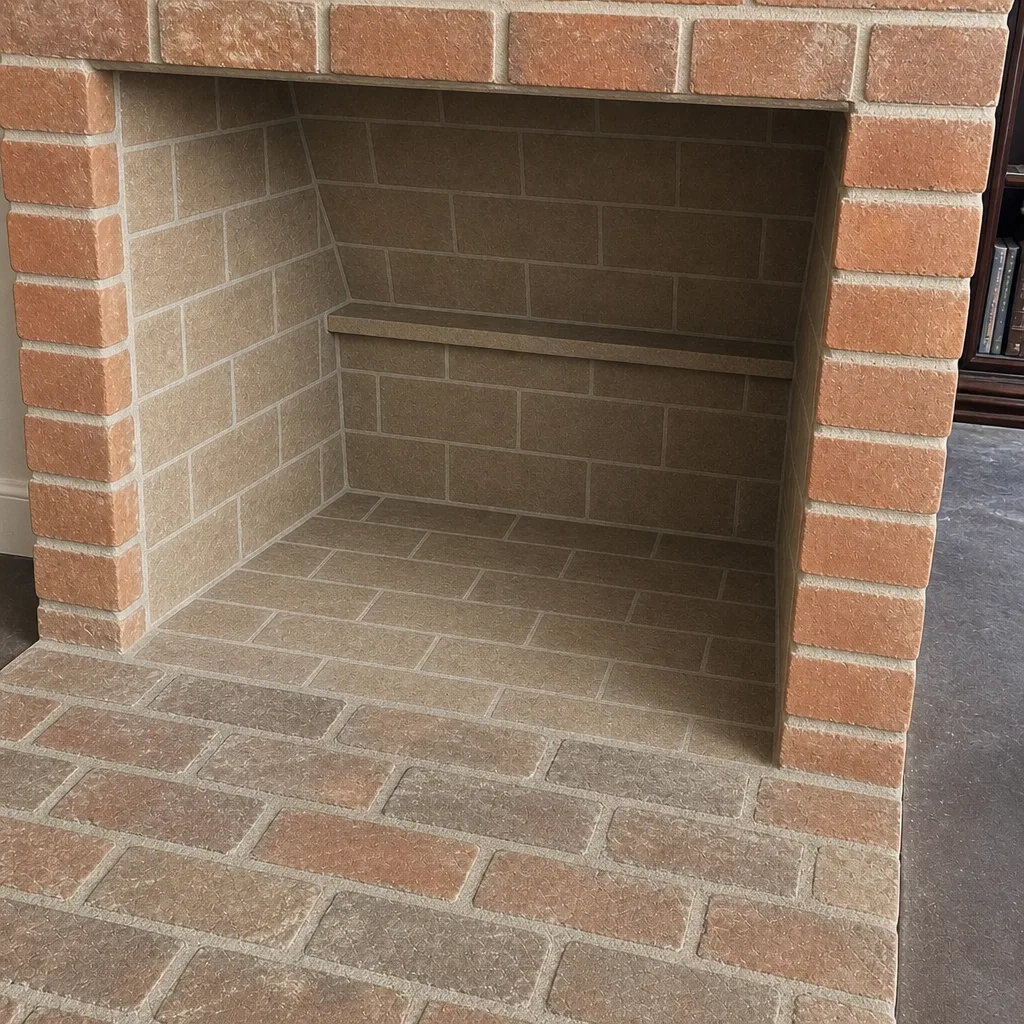
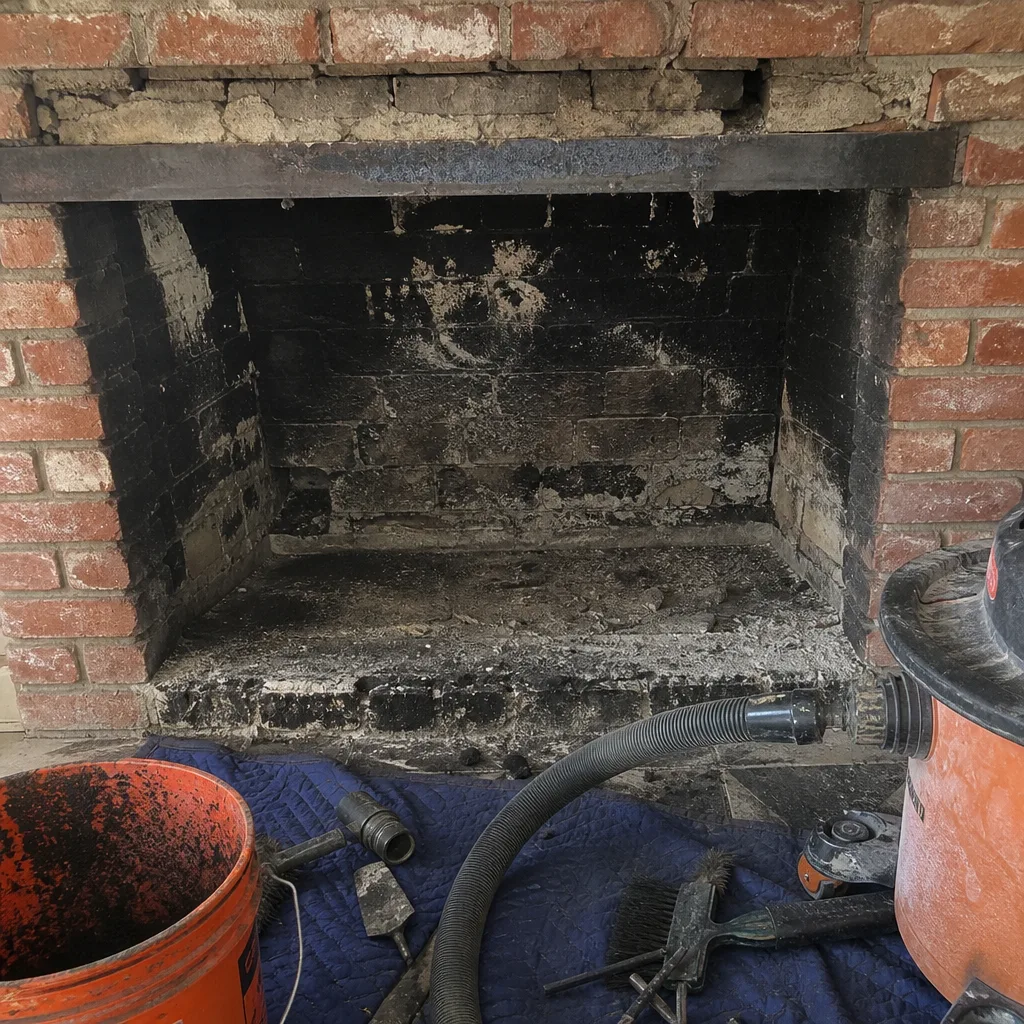
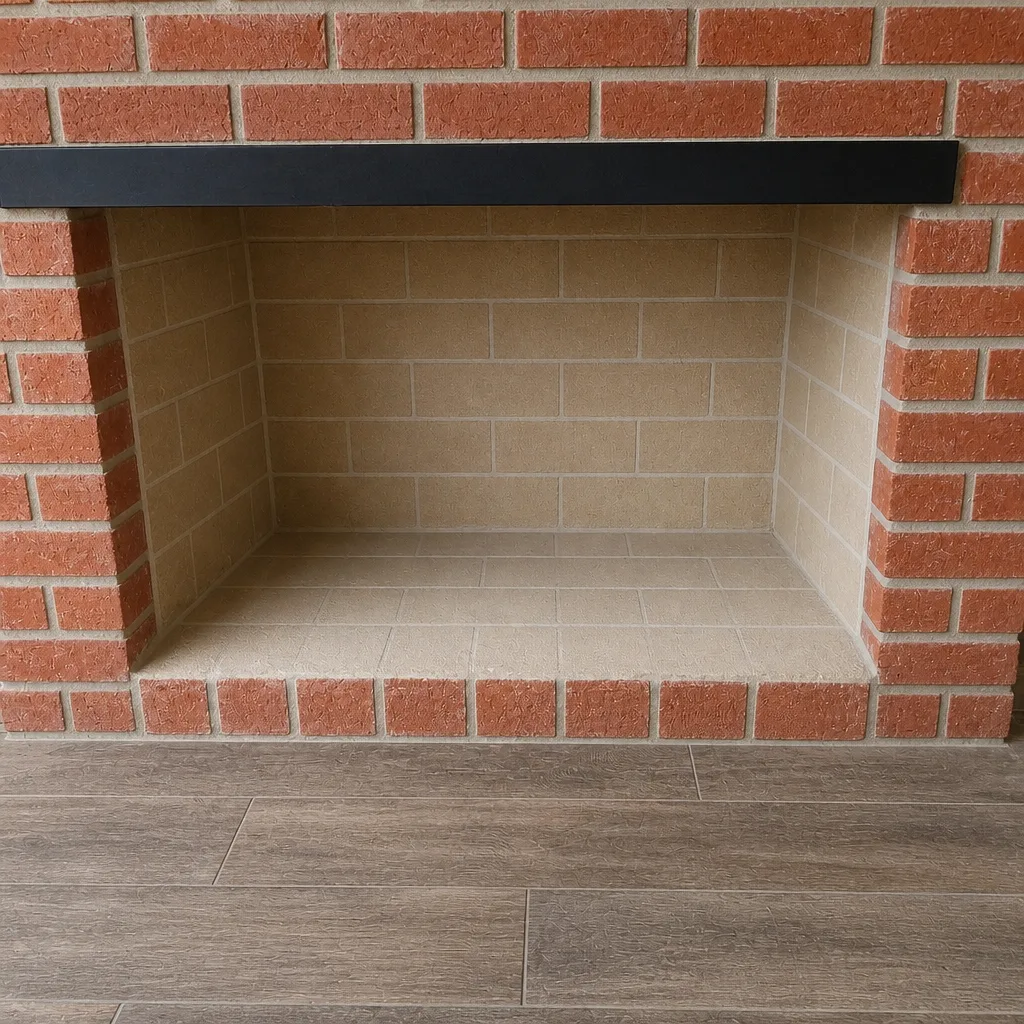
See the difference
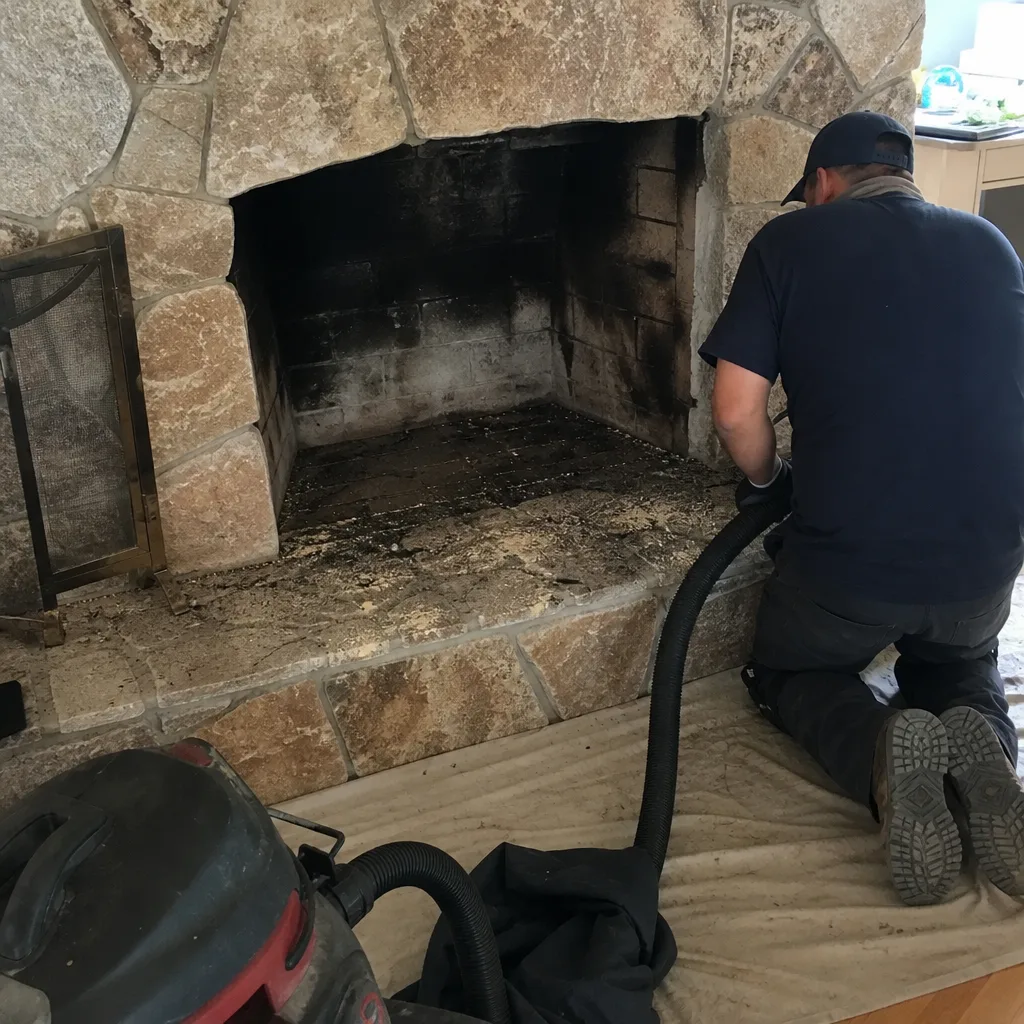 Before
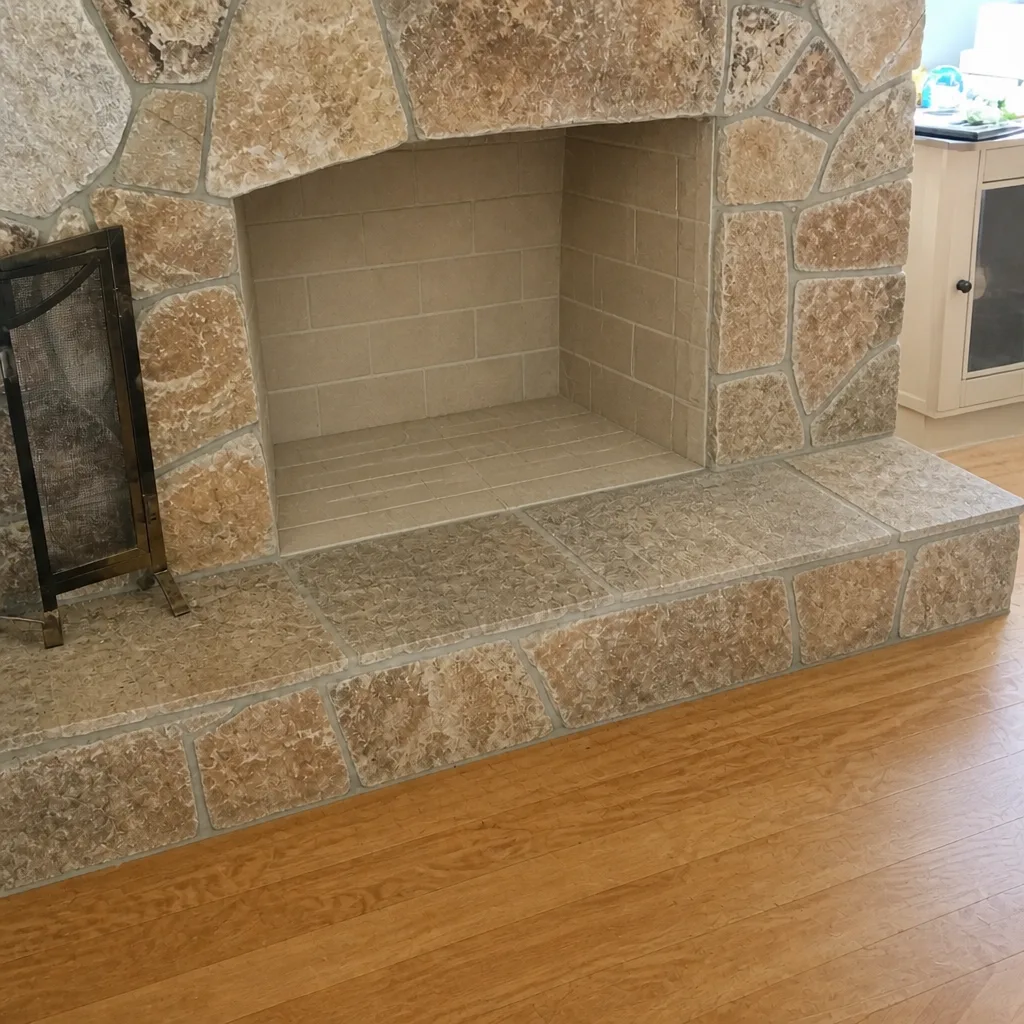 After
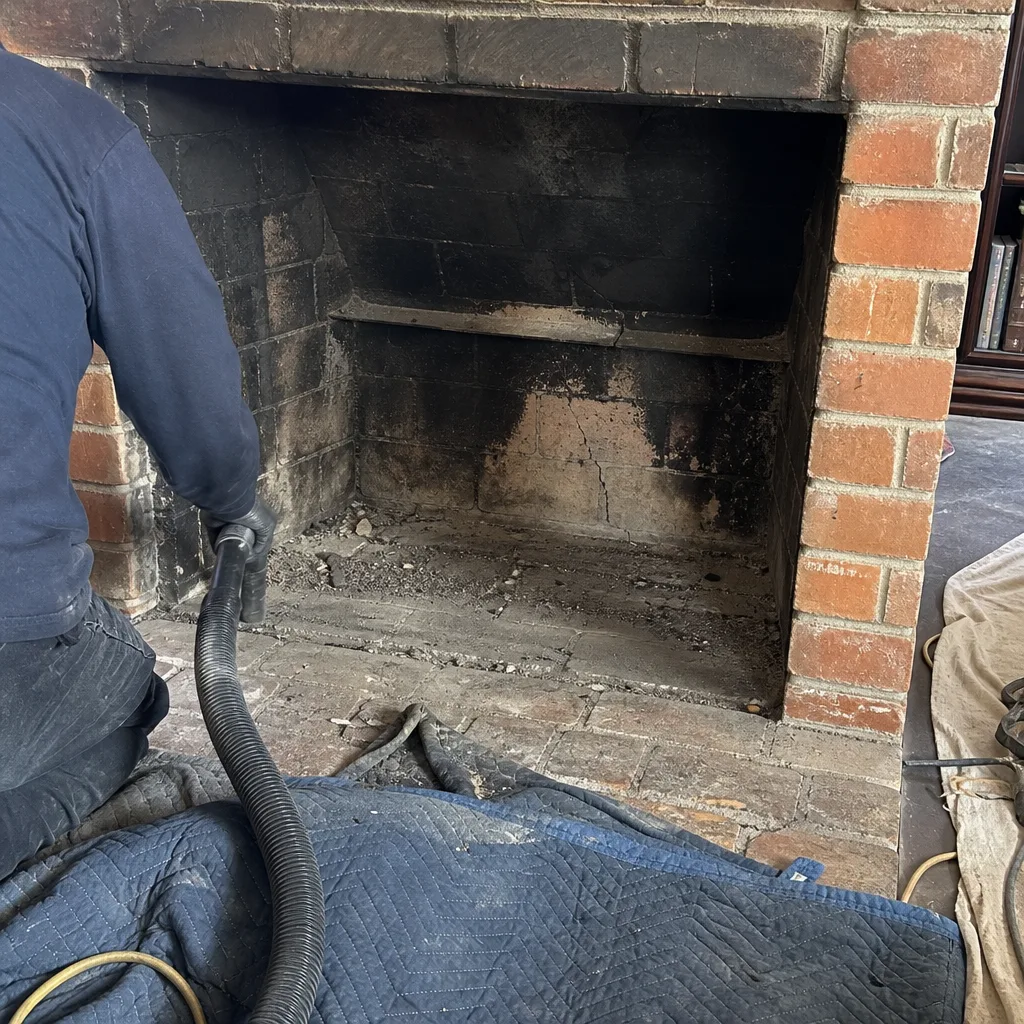 Before
 After
 Before
 After
Frequently Asked Questions
A standard chimney sweep in Simi Valley typically runs between $180 and $340, depending on the condition of the flue, the level of creosote buildup, and whether any blockages need to be removed. If repairs are needed, such as cap replacement or crown sealing, those are quoted separately after the inspection. The written estimate sets the final price, and estimates are free. Call (833) 593-4098 for an exact quote based on your chimney’s condition.
The National Fire Protection Association recommends a chimney inspection at least once a year, with sweeping as needed based on use and creosote accumulation. Even if you only burn fires occasionally in Simi Valley, an annual inspection catches animal intrusion, crown cracks, and damper deterioration that happen whether or not you’re burning. If you burn more than twice a week during the cooler months, expect to need sweeping every year.
A fireplace odor when the fireplace is not in use is caused by air moving down the flue and carrying creosote or animal debris odors into the home. The movement is usually driven by negative house pressure from exhaust fans or temperature differences between inside and outside. The fix is removing the creosote or debris that’s causing the odor and sealing the damper or adding a cap so air can’t flow down the flue.
If you skip chimney maintenance, creosote continues to accumulate and harden, which increases the risk of a chimney fire. Gaps in the flue liner can allow heat to reach the surrounding framing. Crown cracks widen and allow more water in, which damages masonry and eventually the interior of the house. The system deteriorates progressively, and the repair cost grows the longer it’s deferred.
You only need a new liner if the existing one is cracked, deteriorated, undersized, or otherwise no longer safe to contain the flue gases. We don’t recommend liner work without camera evidence that shows the damage, and we show homeowners the footage before any recommendation is made. Some liner damage can be addressed with HeatShield resurfacing rather than full replacement, and the decision depends on the extent of the damage.
Yes. Chimney sweeping and dryer vent cleaning are both services we perform, and scheduling them together is efficient for Simi Valley homeowners who want both fire-risk systems addressed in one appointment. The dryer vent is a separate system with its own cleaning process, but the same crew handles both, which means no coordination with a second contractor. Call (833) 593-4098 to schedule both.
The Bottom Line
Chimney problems in Simi Valley are rarely single-point failures. They’re chains of connected issues: a cracked crown lets water in, which degrades the masonry, which widens the crack, which eventually moves water into your walls. A tight house creates negative pressure, which pulls air down the flue, which carries odor into the room, which gets blamed on creosote that isn’t actually the problem. Tracing symptoms back to root causes is what a specialist does, and it’s why guesswork fixes don’t hold. If your fireplace is showing any of the symptoms in this guide, the next step is a professional inspection that shows you exactly what’s going on inside your flue, on your crown, and at your damper. That’s how you burn safely in Simi Valley, season after season.
Written by the team at Chimney Sweep Simi Valley, serving Simi Valley since 2015.