
Last updated November 4, 2026
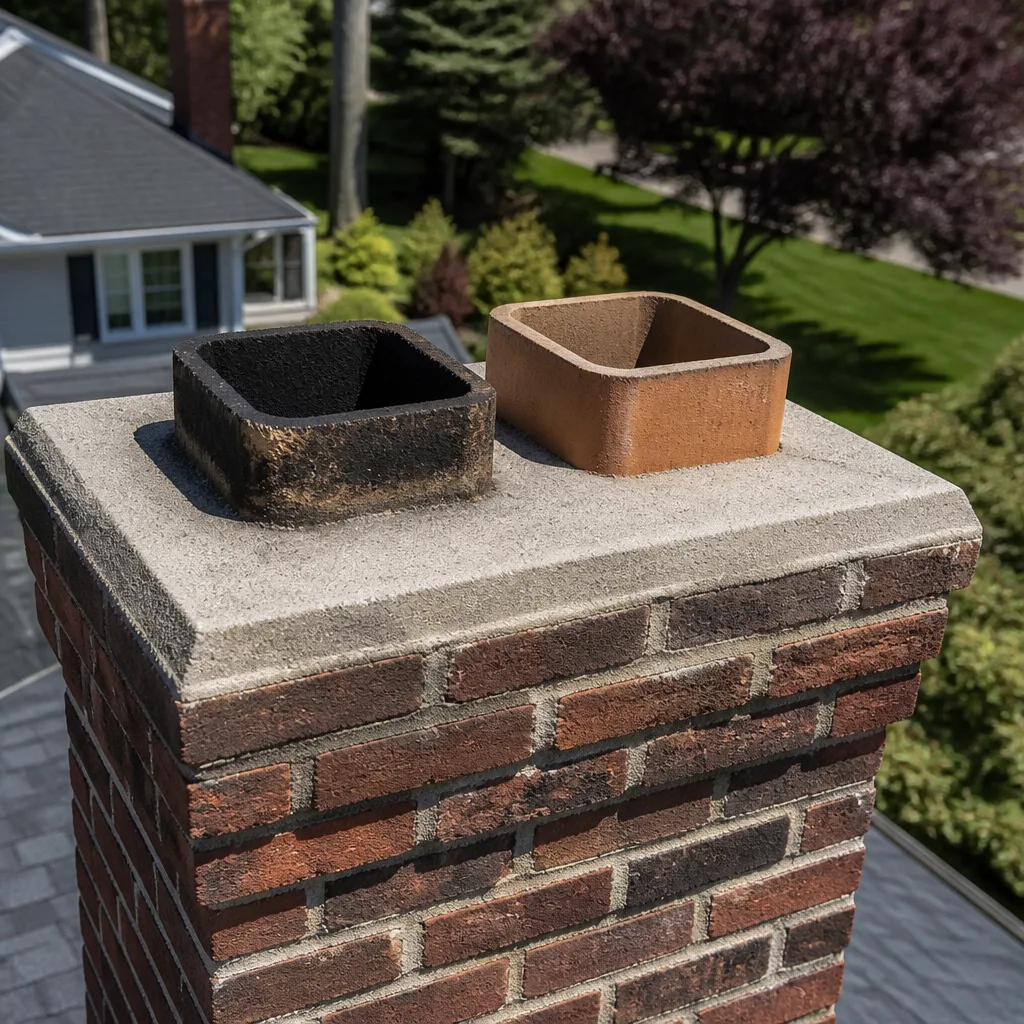 Sweep & inspection
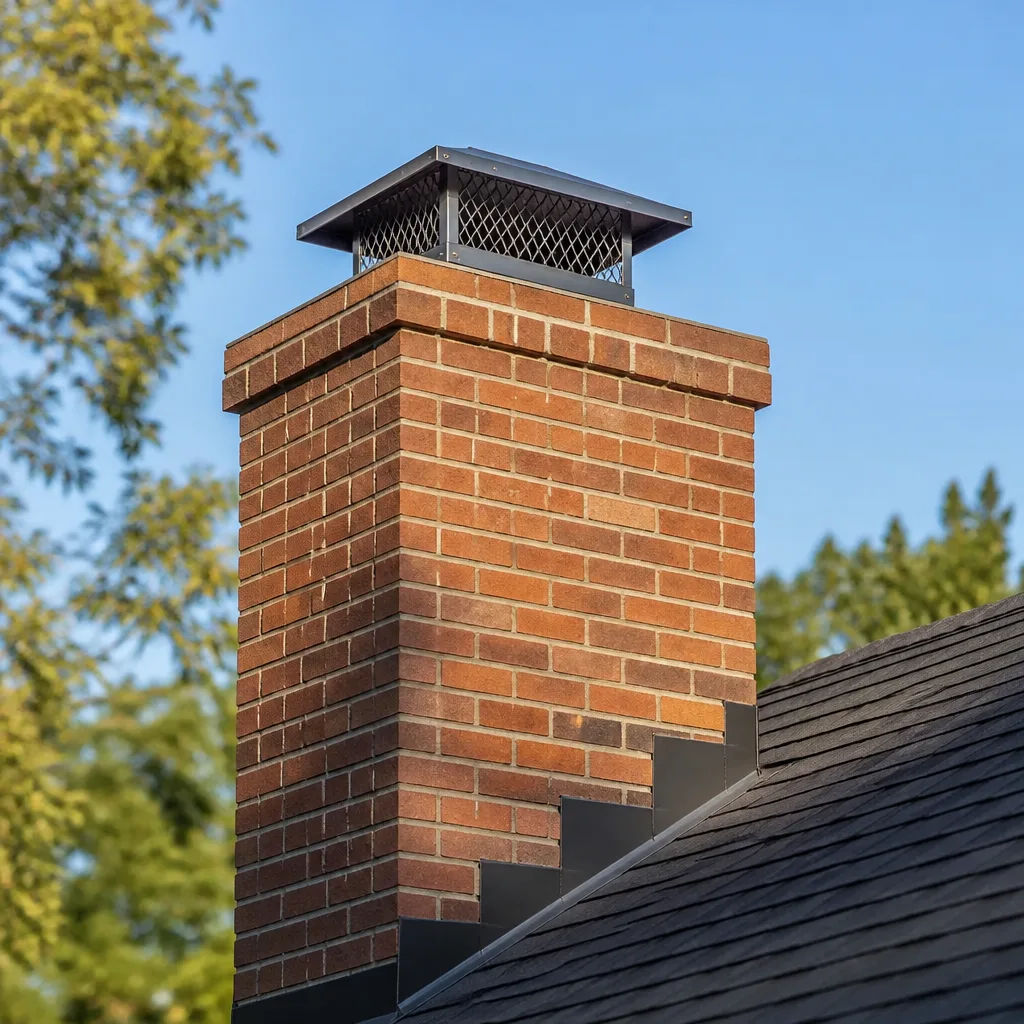 Caps & crowns
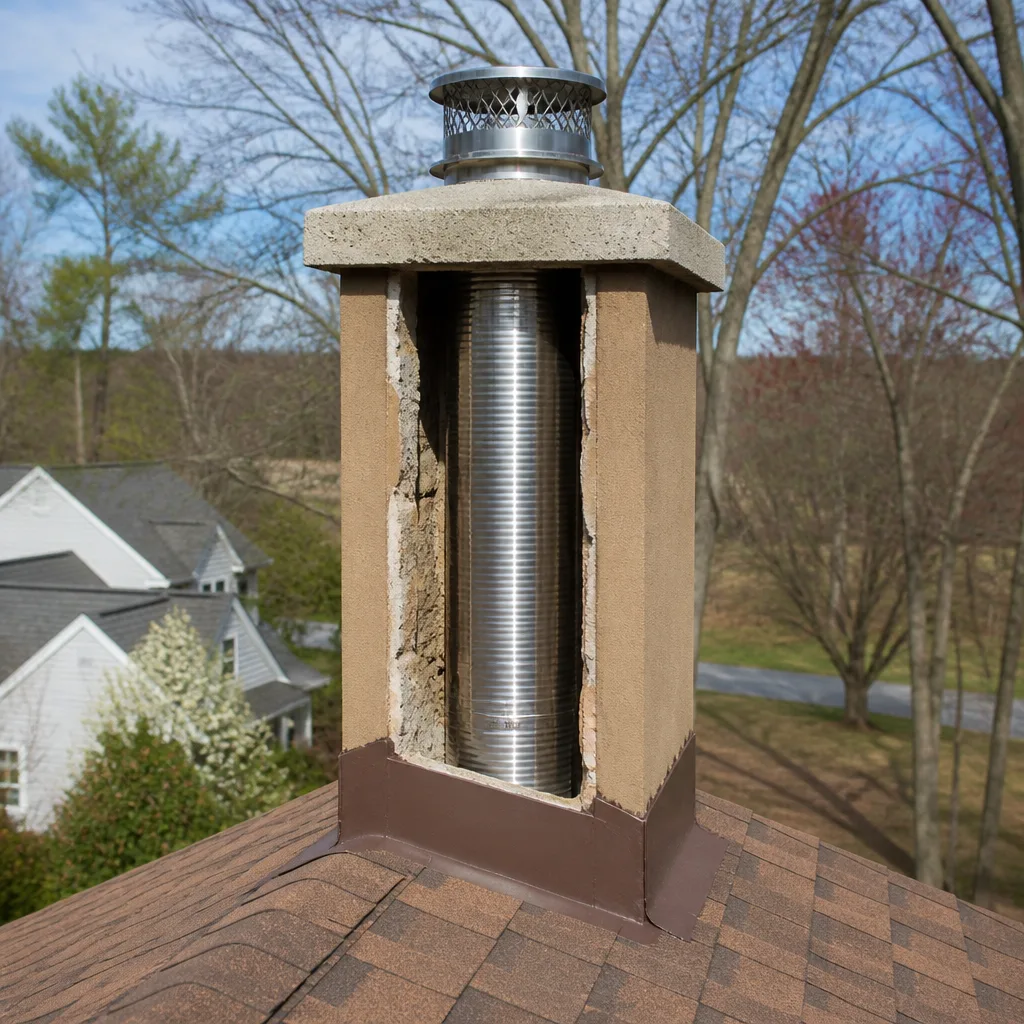 Flue relining
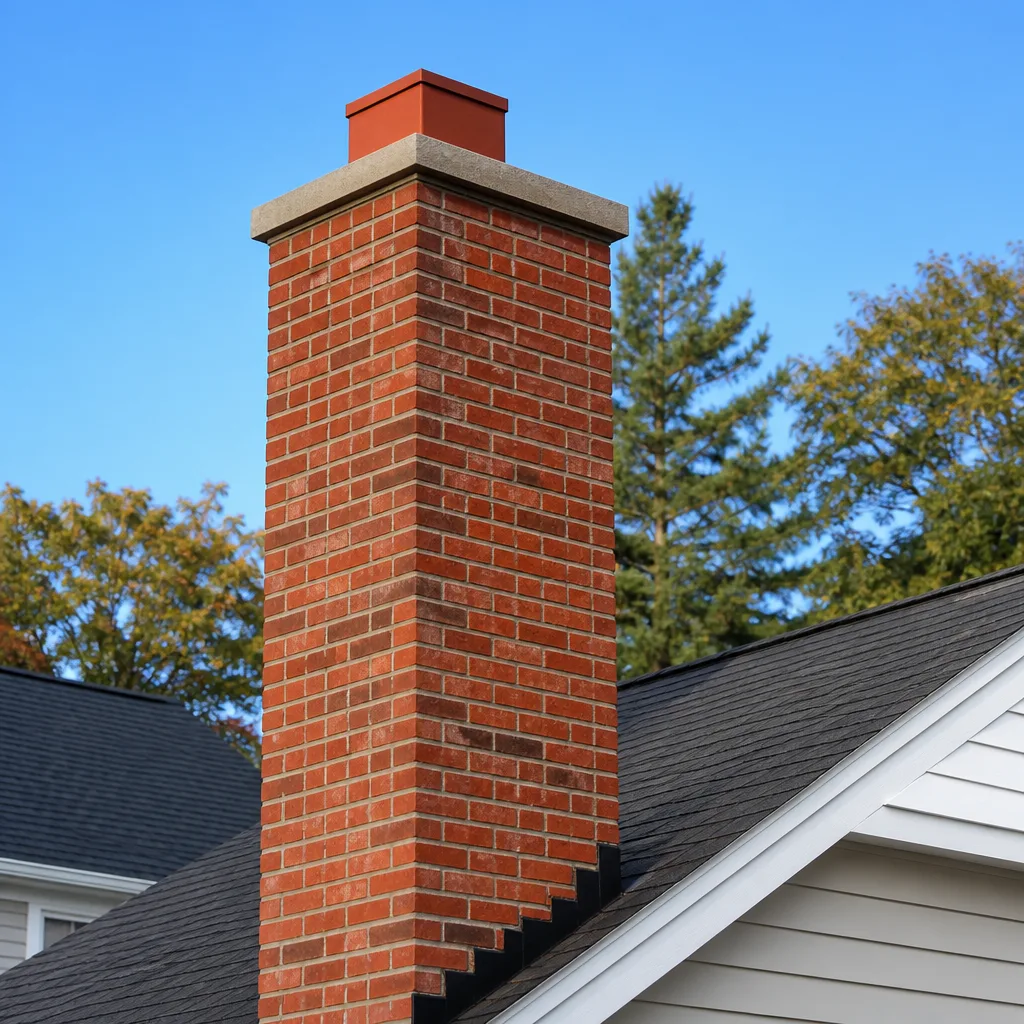 Masonry repair
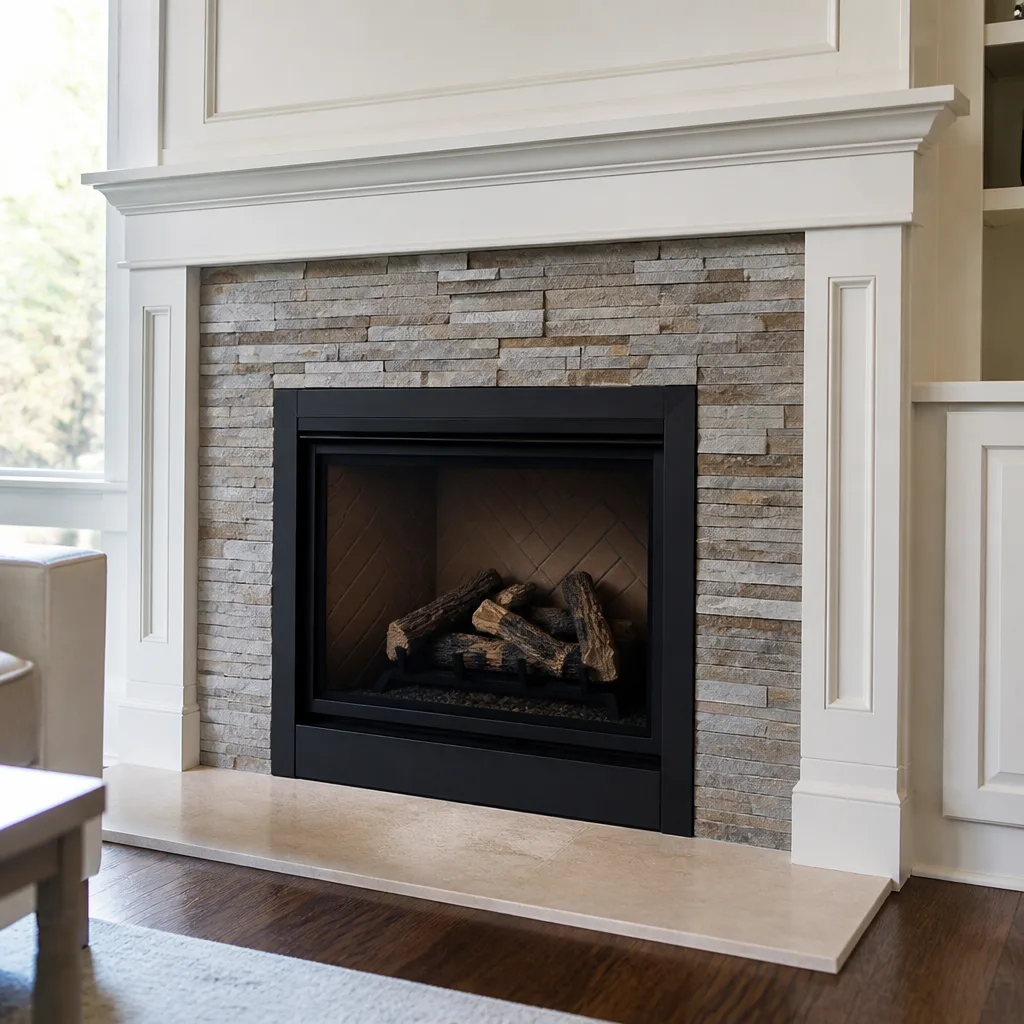 Gas fireplace service
Level 1 sweep and inspection to the NFPA 211 annual standard - flue, crown, cap, and flashing checked and photographed
Chimney sweep logs do not sweep chimneys. They loosen some creosote - which then falls where a brush and vacuum still have to collect it.
The Complete Guide to Chimney Cleaning in Simi Valley
Most Simi Valley homeowners who have a chimney fire never saw it coming. The fireplace looked fine from the living room, the fire burned normally, and the family had used it for years without incident. What they couldn’t see was a layer of glazed creosote thinner than a nickel, baked onto the flue walls by years of hot fires and slow burns. That thin layer is fuel, and when it ignites, it burns at temperatures that crack flue tiles and spread into the home’s framing. This guide explains how our local climate, our wind patterns, and our fire seasons combine to create a specific chimney risk profile in Simi Valley, and what you can do about it before the next fire season begins.
Styles & brands we work with
- Sweep & inspection
- Caps & crowns
- Flue relining
- Masonry repair
- Gas fireplace service
Quick Answer
Chimney cleaning in Simi Valley typically costs between $189 and $350 for a standard sweep, with the final quote depending on the flue’s condition, creosote stage, and whether repairs are needed. A certified chimney sweep removes combustible creosote, clears debris, inspects the flue liner and damper, and verifies the system is safe to operate. In Simi Valley’s dry climate, most homes with regular fireplace use should schedule a chimney sweep annually, before the first cold snap of the season.
Table of Contents
- Why Simi Valley Chimneys Differ From Other California Homes
- What Chimney Cleaning Actually Involves
- Understanding Creosote: The Three Stages
- Level 1 vs Level 2 Inspections: What You Need in Simi Valley
- Wildfire Smoke and Your Chimney: The Hidden Residue Problem
- How Santa Ana Winds Affect Your Flue
- Sweep, Inspect, Repair: What Sets a Specialist Apart
- Dryer Vents and Chimneys: Two Fire Risks, One Call
- Common Mistakes to Avoid
- When to Call a Professional
- Frequently Asked Questions
- The Bottom Line
Why Simi Valley Chimneys Differ From Other California Homes
Simi Valley sits in a valley geography that creates distinct chimney conditions you won’t find in coastal Los Angeles or the colder mountain communities. Our winters are mild, which means fireplaces are used sporadically rather than daily. That intermittent use pattern creates a specific creosote profile: fires are often built small, allowed to smolder, and shut down before the flue reaches full operating temperature. Smoldering fires produce more creosote per hour of burn time than hot, active fires, because combustion is incomplete and the smoke condenses on cooler flue walls. A chimney that gets 20 small, lazy fires per season can accumulate more Stage 2 creosote than a chimney in a cold climate that sees 100 hot, well-built fires.
The valley’s air movement also matters. Prevailing breezes push into the hillsides and across residential canyons, creating negative pressure zones that can draw outside air down an uncapped flue or through a deteriorating damper. That outside air carries dust, pollen, and fine debris that settles on creosote deposits, forming a sticky, gritty layer that’s harder to remove than pure creosote. Homeowners in the Texas Tract, the Wood Ranch area, and neighborhoods along the Arroyo Simi often tell us their fireplaces smell dusty or musty even when the flue was cleaned the previous year. That smell is often fine debris bonded to creosote residue, and it’s a signature of our local conditions.
Add to this the reality of our wildfire seasons. Even if you never light a fire, smoke from regional wildfires infiltrates chimney flues and settles as a thin, acidic film on the liner. That film attracts moisture and accelerates creosote hardening. A chimney sweep who works exclusively in Simi Valley sees these patterns every season, and they inform everything from the cleaning approach to the repair recommendations that follow.
What Chimney Cleaning Actually Involves
A proper Chimney Sweep Simi Valley service isn’t just running a brush up a flue. It’s a systematic process that removes combustible deposits, identifies structural or mechanical problems, and leaves you with a clear assessment of whether your fireplace is safe to operate. Here’s what a professional cleaning includes, step by step:
- Interior protection. The tech lays drop cloths around the firebox and covers nearby flooring and furniture. A high-powered vacuum with HEPA filtration runs continuously to capture dust before it enters your living space.
- Visual inspection of the firebox and damper. Before any brush touches the flue, the tech examines the firebox walls, the damper plate, and the smoke shelf. A warped damper, cracked firebrick, or heavy creosote accumulation at the smoke shelf changes how the cleaning should proceed.
- Creosote removal from the flue. Using the right-sized brush for your flue diameter, the tech scrubs the full length of the chimney. For Stage 2 or Stage 3 creosote, rotary cleaning heads or chemical treatments may be needed. A standard brush alone won’t remove glazed creosote.
- Debris clearance. Leaves, twigs, bird nesting material, and wind-blown debris are removed from the flue, the smoke shelf, and the crown area. In Simi Valley, our Santa Ana winds deposit more material in uncapped chimneys than most homeowners realize.
- Post-clean inspection. After the flue is clean, the tech re-inspects the liner, looking for cracks, missing mortar joints, or corrosion that was hidden under creosote. This is when many homeowners discover their chimney needs more than a sweep.
- Report and recommendation. You receive a clear summary of what was found, what was cleaned, and whether any follow-up work is recommended. Nothing gets recommended without evidence you can see, often in the form of camera photos.
This process takes 45 to 90 minutes for a standard open fireplace. Inserts and wood stoves take longer because the appliance must be partially dismantled to access the flue connection. If you have a gas fireplace, the cleaning includes burner inspection, log set cleaning, and verification that the venting is drafting correctly. The goal is the same in every case: you know, with documentation, that your chimney is genuinely safe to use, not just that it looks clean.
Understanding Creosote: The Three Stages
Creosote is the byproduct of incomplete wood combustion. As smoke rises through a cooling flue, tar, soot, and moisture condense on the liner walls. That deposit is creosote, and it comes in three distinct stages, each requiring a different cleaning approach. Knowing which stage you have determines whether a standard sweep is sufficient or whether you need a specialized treatment.
- Stage 1: Flaky soot. This is a powdery, dusty deposit that brushes off easily with a standard chimney brush. It’s the result of hot, well-ventilated fires. Most homes that burn seasoned hardwood and clean their chimney annually stay in Stage 1. A standard sweep handles this.
- Stage 2: Crunchy, granular creosote. This looks like baked-on coffee grounds or flaky black crystals. It forms when fires smolder, when green or partially seasoned wood is burned, or when the flue runs cooler than it should. Stage 2 creosote doesn’t come off with a basic brush sweep alone in most cases. It requires rotary cleaning heads or chemical softening treatments.
- Stage 3: Glazed, tar-like creosote. This is the dangerous one. It looks like a shiny, black, hard coating similar to a ceramic glaze, and it can form in a layer as thin as a nickel and still contain enough fuel to sustain a chimney fire. Glazed creosote is extremely difficult to remove. It often requires chemical treatment followed by aggressive mechanical cleaning, and in severe cases, the flue liner itself may need replacement.
In Simi Valley, we see a disproportionate amount of Stage 2 creosote compared to colder climates. Why? Because our mild winters encourage the kind of small, smoldering fires that produce it. A homeowner burns a “decorative fire” for two hours on a cool evening, lets it burn down, and closes the damper before the flue has fully cooled. That’s a perfect recipe for creosote condensation. Over a full season, those deposits build up quickly. If you’re unsure what stage your chimney is in, the next cleaning will reveal it. The important thing is to get it checked before Stage 2 becomes Stage 3.
Level 1 vs Level 2 Inspections: What You Need in Simi Valley
Chimney inspections are classified into three levels by the National Fire Protection Association, and understanding the difference helps you know what to expect when a technician arrives. Most routine cleanings in Simi Valley include a Level 1 inspection. Some situations require a Level 2 inspection, and it’s helpful to know when to expect that recommendation.
Level 1 inspection is the standard for chimneys that are in continuous service with no changes to the system. The technician examines the readily accessible portions of the chimney: the firebox, damper, smoke chamber, flue interior (from above and below), and the exterior chimney structure. No special tools are needed, and the inspection is visual. When you schedule a routine chimney sweep, a Level 1 inspection is almost always included as part of the service.
Level 2 inspection is required when there’s been a change to the system or a significant event. You need a Level 2 inspection in Simi Valley if any of the following apply:
- You’re buying or selling the home
- You’ve changed the appliance (for example, converting from a wood fireplace to a gas insert)
- You’ve had a chimney fire, even a small one you put out yourself
- Your chimney experienced a seismic event, earthquake, or severe wind storm that may have shifted the structure
- You’ve relined the flue or made modifications to the firebox
- Heavy wildfire smoke sat over the property for an extended period
A Level 2 inspection includes everything in Level 1, plus access to attics, crawl spaces, and the roof to examine the chimney’s full exterior. It also involves video scanning of the flue interior. That camera footage is the single most valuable tool in the inspection because it documents the liner’s condition in real time, showing cracks, separated clay tiles, failing mortar joints, or damaged metal liner sections that would otherwise be invisible. In our experience, this is where Simi Valley homeowners most often discover they need repairs they didn’t know they needed. A flue can look fine from the top and fine from the bottom, while the middle section is failing.
If your chimney hasn’t been inspected in years, or if you’ve never had a video scan, ask for one at your next cleaning. The cost is modest, and the information it provides often prevents far more expensive repairs later.
Wildfire Smoke and Your Chimney: The Hidden Residue Problem
Simi Valley sits in a wildfire-prone region. The Woolsey Fire, the Easy Fire, and others have blanketed our valley in smoke for days at a time. Homeowners who evacuated or sheltered indoors during those events often don’t connect those smoke events to their fireplace chimneys. But the connection is real, and it matters.
Wildfire smoke is chemically different from the smoke your fireplace produces. It contains fine particulates, partially combusted plant oils, and a cocktail of compounds released when structures burn. When that smoke hangs over a neighborhood for days, it infiltrates chimney flues through the cap and damper openings. The residue it leaves behind is a fine, acidic film that coats the flue liner. If your flue already has any creosote deposit, that film bonds with it, accelerating the hardening process and making existing deposits harder to remove. Even a chimney that was swept clean before fire season can end up with a noticeable film after a single heavy smoke event.
The practical implication is simple: if your home was under a significant wildfire smoke plume, your chimney should be inspected before you build your first fire of the season, even if you didn’t use the fireplace at all during the fire. A cleaning after a major smoke event removes the residue and returns the flue to a safe operating condition. This is a Simi Valley-specific reality. Coastal homes don’t deal with this. Homes in wetter climates don’t deal with this. But our valley’s wildfire cycles make it a standard part of chimney maintenance here.
How Santa Ana Winds Affect Your Flue
The Santa Ana winds are a defining feature of Simi Valley life. They arrive in the fall, blow dry air down through the passes, and create the high-fire-danger days we all watch for. What most homeowners don’t consider is what those winds do to their chimneys.
Santa Ana winds are strong, sustained, and often gusty. When they blow across a chimney cap or an uncapped flue, they create a venturi effect: wind moving across the top of the chimney creates negative pressure inside the flue, which draws air upward and out of the firebox. That’s normal chimney drafting physics, but during sustained Santa Ana events, the effects are amplified. Here’s what that means for your fireplace:
- Debris accumulation in uncapped chimneys. Gusting winds carry leaves, twigs, and fine dust horizontally. An uncapped flue is an open invitation, and Santa Ana events can fill a chimney with combustible debris in a single day. That debris blocks the flue and creates a fire hazard the moment you light your first fire of the season.
- Downdraft cycling. Strong gusting winds can overpower normal chimney draft, pushing outside air back down the flue. That air carries whatever’s in the chimney – dust, creosote particles, and debris – back into the firebox and sometimes into the living space. Homeowners report “smoky” smells during Santa Ana events even when no fire has been lit. That’s often downdraft cycling moving chimney residue into the home.
- Damper wear. The constant pressure cycling of wind gusts forces the damper plate to flex. Over years of Santa Ana seasons, dampers in Simi Valley develop warping and poor seals faster than dampers in calmer climates. A damper that doesn’t seal properly allows conditioned air to escape year-round and allows outside debris to enter in windy weather.
- Cap stress. Chimney caps, especially older or improperly installed ones, get battered by sustained wind. Screws loosen, flashing bends, and water penetration points develop. A loose cap is a common cause of “mystery leaks” around the firebox during rain events that follow wind events.
If you live in a wind-exposed part of Simi Valley, such as the hillside homes above Madera Road or the rural properties on the east end of town, your chimney faces more wind stress than a home tucked into a protected canyon. Annual inspections should include a close look at the cap, the damper, and the crown for wind-related wear.
Sweep, Inspect, Repair: What Sets a Specialist Apart
Most homeowners think of chimney cleaning as a maintenance task, like changing furnace filters. They hire a sweeping service, the brush goes up, the soot comes down, and everyone moves on. But what happens when the cleaning reveals a problem? A cracked flue tile. A deteriorating damper. A liner with corrosion holes. A smoke chamber with damaged parging. That’s where the difference between a generalist and a specialist becomes obvious.
A generalist handyman who offers chimney sweeping as an add-on service has no repair capability beyond the brush. If the cleaning uncovers a problem, you get a report and a referral. Then you start over with a different contractor, pay a second diagnostic fee, and lose time while the problem sits unresolved. In Simi Valley’s fire season, that lost time matters.
A specialist works differently. When we sweep a chimney, we’re also inspecting it with a repair-trained eye. If we find a cracked flue tile, we can address it. If the damper is failing, we can replace it. If the crown is spalling, we can rebuild it. If the liner is damaged beyond repair, we can reline the flue with a DuraFlex liner system, a professional-grade stainless liner designed for long service life. If the flue has surface damage that doesn’t require full relining, we can resurface it with HeatShield, a certified repair method that restores the liner’s integrity without the cost of full replacement. This is the sweep-to-repair continuity that a single-provider model delivers: the same crew that identifies the problem also fixes the problem.
That continuity matters for practical reasons. There’s no information lost between a cleaning contractor and a repair contractor. No handoff, no re-diagnosis, no scheduling delays. The person who saw the problem is the person who fixes the problem. For Simi Valley homeowners facing a limited window before the next fire season, that’s the difference between a chimney that’s ready to burn and one that’s still waiting for a repair estimate.
Dryer Vents and Chimneys: Two Fire Risks, One Call
While chimney fires are dramatic and visible, dryer vent fires are the quiet hazard most homeowners never think about. In the United States, clogged dryer vents cause thousands of residential fires every year, and the mechanism is simple: lint accumulates in the vent duct, restricts airflow, and the dryer’s heating element ignites the lint. In Simi Valley’s dry air, that lint is even more flammable than it would be in a humid climate.
Most homeowners don’t connect their dryer vent to their chimney, but the same company can service both. We offer dryer vent cleaning as a core service alongside chimney sweeping, because both involve the same principle: removing combustible material from venting systems before it becomes a fire hazard. The skill set overlaps. The tools overlap. And the homeowner benefit is significant: you get two fire-risk services completed in a single appointment, without coordinating two different contractors.
Our venting knowledge draws on industry-standard practices and professional-grade components. We work with Famco venting products and Olympia Chimney components, brands known in the trade for reliability and correct fit. That matters because generic, off-the-shelf vent components often don’t match the existing duct system, creating airflow restrictions or leaks that make the problem worse. A properly matched vent cap, duct section, or connector restores full airflow and reduces the fire risk.
If your dryer has been taking longer to dry a load, if the exterior vent flap doesn’t open fully when the dryer runs, or if you can’t remember the last time the vent was cleaned, it’s overdue. In a typical Simi Valley home, dryer vents should be cleaned every one to two years, more often for large families or households with pets. It’s a small service with a substantial safety return.
Common Mistakes to Avoid
- Assuming a rarely used chimney doesn’t need cleaning. In Simi Valley, even a fireplace that gets lit only a few times per year accumulates debris from Santa Ana winds and residue from wildfire smoke events. A rarely used chimney can have a fully blocked flue and the homeowner never knows it because they don’t use it often enough to notice drafting problems.
- Closing the damper immediately after a fire. This is the single most common cause of accelerated creosote buildup we see in Simi Valley. Closing the damper traps warm, smoke-laden air in the flue, and that smoke condenses into creosote as it cools. Wait until the fire is fully extinguished and the embers are cold before closing the damper.
- Burning green or unseasoned wood. Green wood contains up to 45% moisture by weight. Burning it produces a cool, smoky fire that deposits creosote quickly. In our dry climate, wood seasons well if it’s split and stacked with good airflow for at least six months. Burn only seasoned hardwood.
- Skipping the camera inspection to save money. A visual inspection only shows what’s visible from the top and bottom of the flue. The middle section, where clay tile cracks and liner corrosion often begin, is invisible without a video scan. The cost of a camera inspection is small compared to the cost of a chimney fire or a failed liner.
- Using a generalist handyman for chimney repair. A handyman can run a brush. A handyman cannot properly diagnose a cracked flue tile, resurface a damaged smoke chamber, or install a DuraFlex liner system. If a cleaning reveals structural issues, use a specialist who repairs chimneys as a core service, not an occasional side job.
- Ignoring a musty or smoky odor between fires. That odor is your chimney communicating with you. It means creosote deposits, accumulated debris, or water intrusion is present. It won’t resolve itself. A cleaning and inspection will identify the cause.
When to Call a Professional
Certain situations should never wait for the next annual cleaning. If you see black, tar-like material flaking down into the firebox, you’re looking at Stage 3 creosote, and it’s a fire hazard that needs immediate attention. If you smell smoke in the house when the fireplace is in use, your draft is compromised, possibly by a blockage or a failing damper. If you see water staining on the ceiling near the chimney, the flashing or crown is leaking. If you’ve had a chimney fire, even a small one you extinguished yourself, the flue must be inspected before the fireplace is used again, because chimney fire temperatures can crack the liner even when the fire was brief. If you’re buying or selling a home in Simi Valley, a Level 2 inspection should be part of the transaction.
Chimney Sweep Simi Valley offers free estimates in Simi Valley. Call (833) 593-4098. We answer 24/7. Fast dispatch from 7am to 7pm, Sunday through Friday.
Frequently Asked Questions
A standard chimney sweep in Simi Valley typically costs between $189 and $350, depending on the flue’s size, creosote stage, and accessibility. Stage 2 or Stage 3 creosote removal requires additional time and specialized treatment, increasing the cost. The written estimate sets the final price before work begins, so there are no surprises. Call (833) 593-4098 for an exact quote – estimates are free.
Most homes with regular fireplace use should have the chimney swept annually, before the first sustained burn of the season. Homes that experience wildfire smoke events, heavy Santa Ana wind debris, or that burn frequent fires may need more than one cleaning per year. The National Fire Protection Association recommends cleaning when creosote reaches 1/8 inch thickness, which in practice translates to annual service for most Simi Valley homes.
Not necessarily. Hairline cracks in clay tile liners can sometimes be repaired with HeatShield resurfacing, which restores the liner’s integrity without full replacement. More extensive damage, corroded metal liners, or multiple separated tiles may require a DuraFlex relining system. The right answer depends on what the camera inspection shows, and you should never agree to a liner replacement without seeing the video evidence for yourself.
Yes. Wildfire smoke infiltrates the flue through the cap and damper openings and leaves an acidic film on the liner. That film bonds with existing creosote and accelerates hardening, and it can also corrode metal components over time. If your home sat under a significant wildfire smoke plume, have the chimney inspected before the next burn season, even if you didn’t use the fireplace during the fire event.
Creosote continues to build up inside the flue, and each fire adds another layer of fuel. Eventually, a hot fire or a spark can ignite that creosote, causing a chimney fire that burns at temperatures hot enough to crack flue tiles and spread into the home’s framing. Even without a fire, heavy creosote blocks the flue, causing smoke to back up into the living space. A $250 cleaning prevents what can become a five-figure structural repair or a total loss. Call (833) 593-4098 to schedule a sweep – estimates are free.
For a basic Stage 1 cleaning, a handyman with the right brush can remove loose soot. But a handyman cannot diagnose liner damage, resurface a smoke chamber, install a DuraFlex liner, or perform a HeatShield repair. In Simi Valley, where our wind and wildfire conditions create more complex chimney problems than the average coastal home faces, the specialist’s diagnostic and repair capability is the difference between a clean chimney and a safe one.
The Bottom Line
Chimney cleaning in Simi Valley is a seasonal priority, not an optional maintenance task. Our valley’s specific conditions – mild winters that encourage smoldering fires, Santa Ana winds that fill flues with debris, and wildfire smoke seasons that leave corrosive residue – create a creosote and blockage profile that generic cleaning advice doesn’t address. The solution is a specialist who understands local conditions, cleans thoroughly, inspects with a camera, and repairs what the inspection reveals. That’s the sweep-to-repair continuity we deliver. Before you light your next fire, make sure your chimney is actually safe to burn, not just visually clean.
Written by the team at Chimney Sweep Simi Valley, serving Simi Valley since 2015.
See the difference
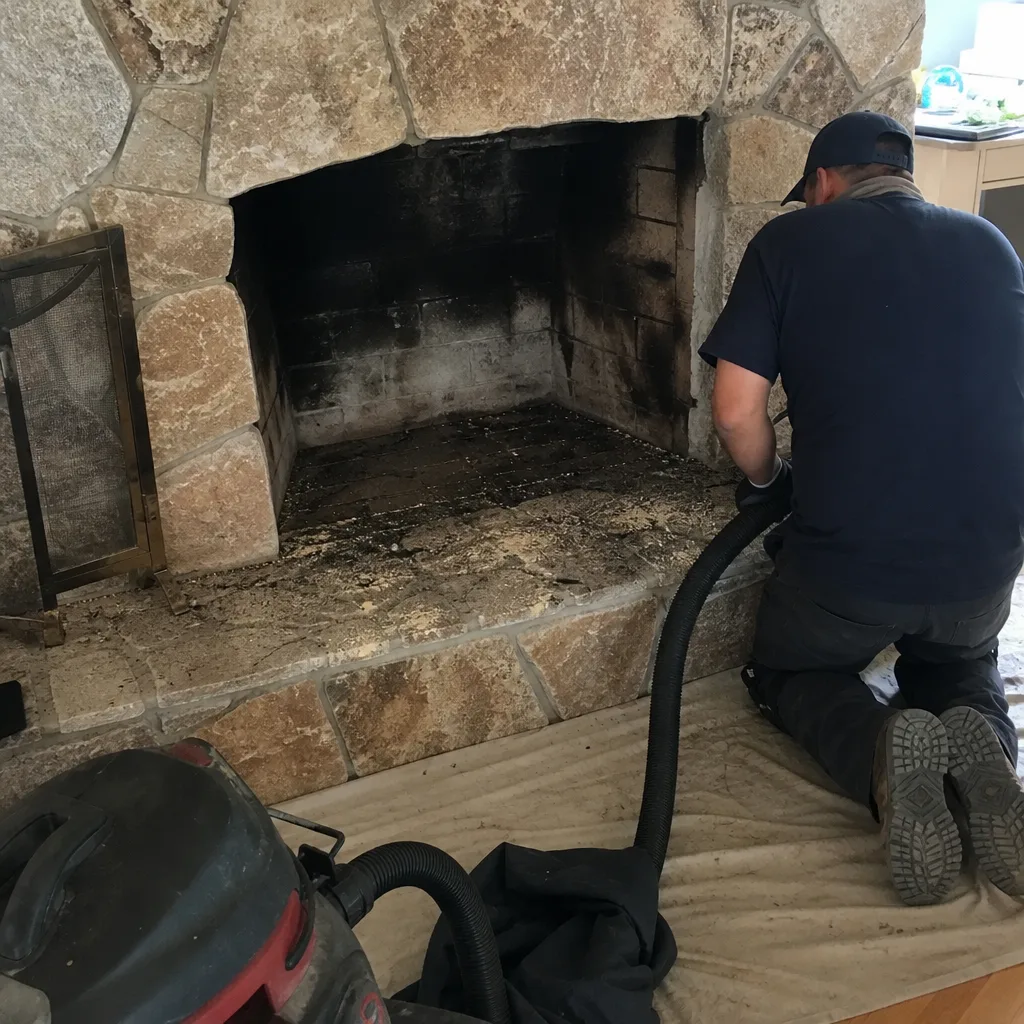 Before
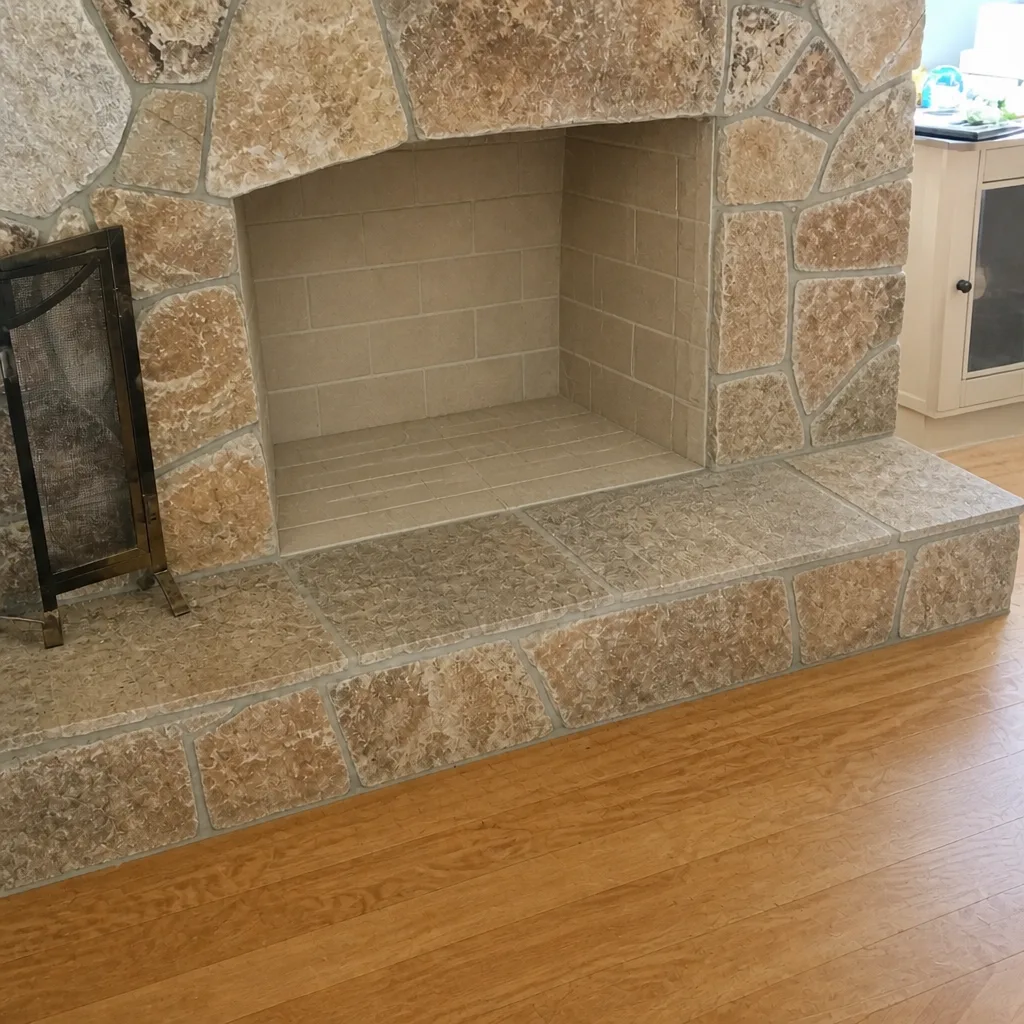 After
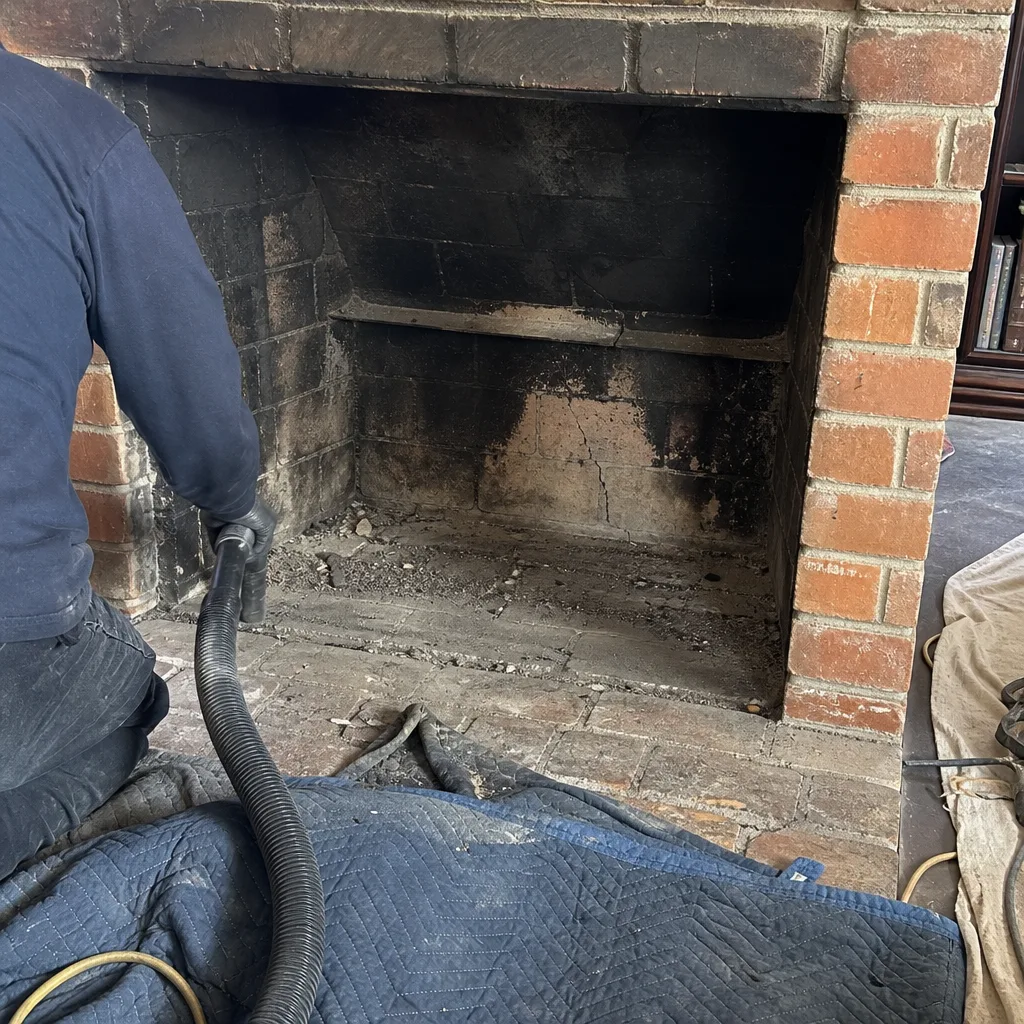 Before
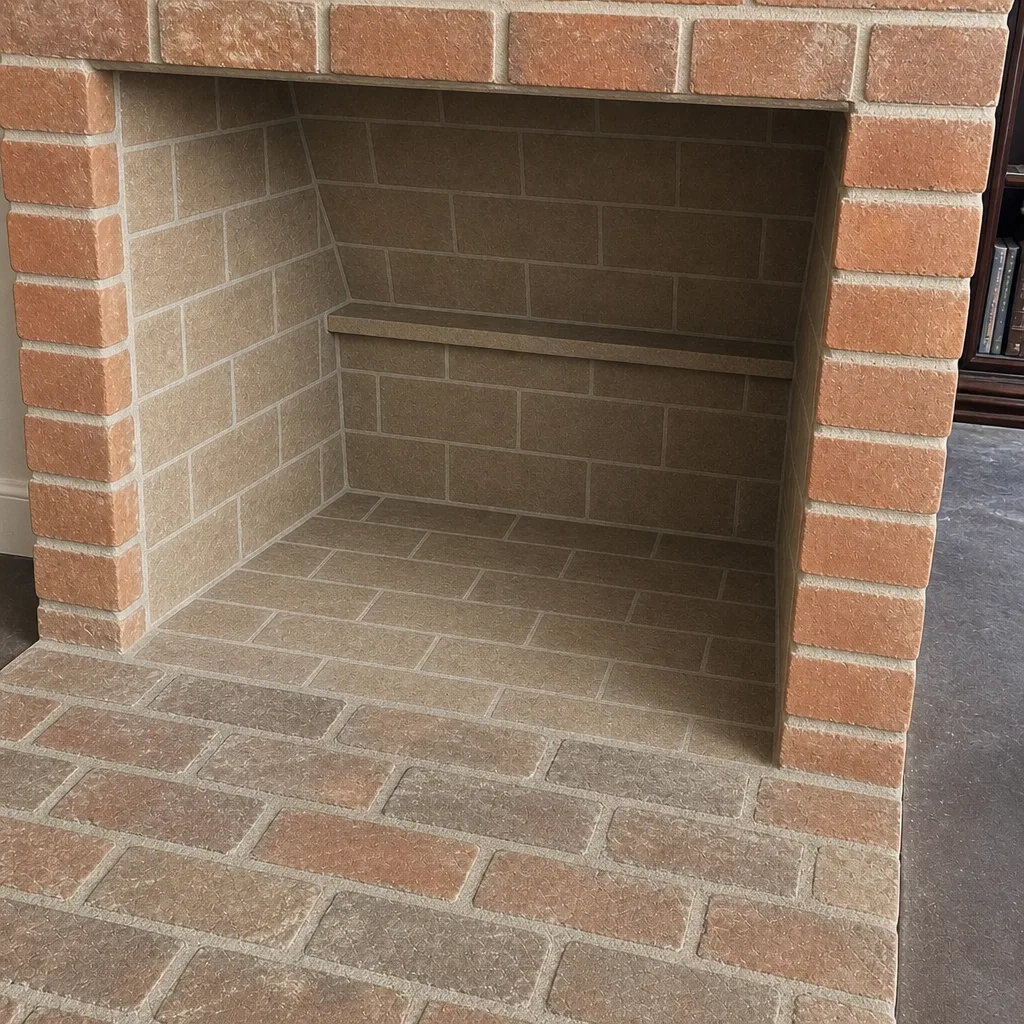 After
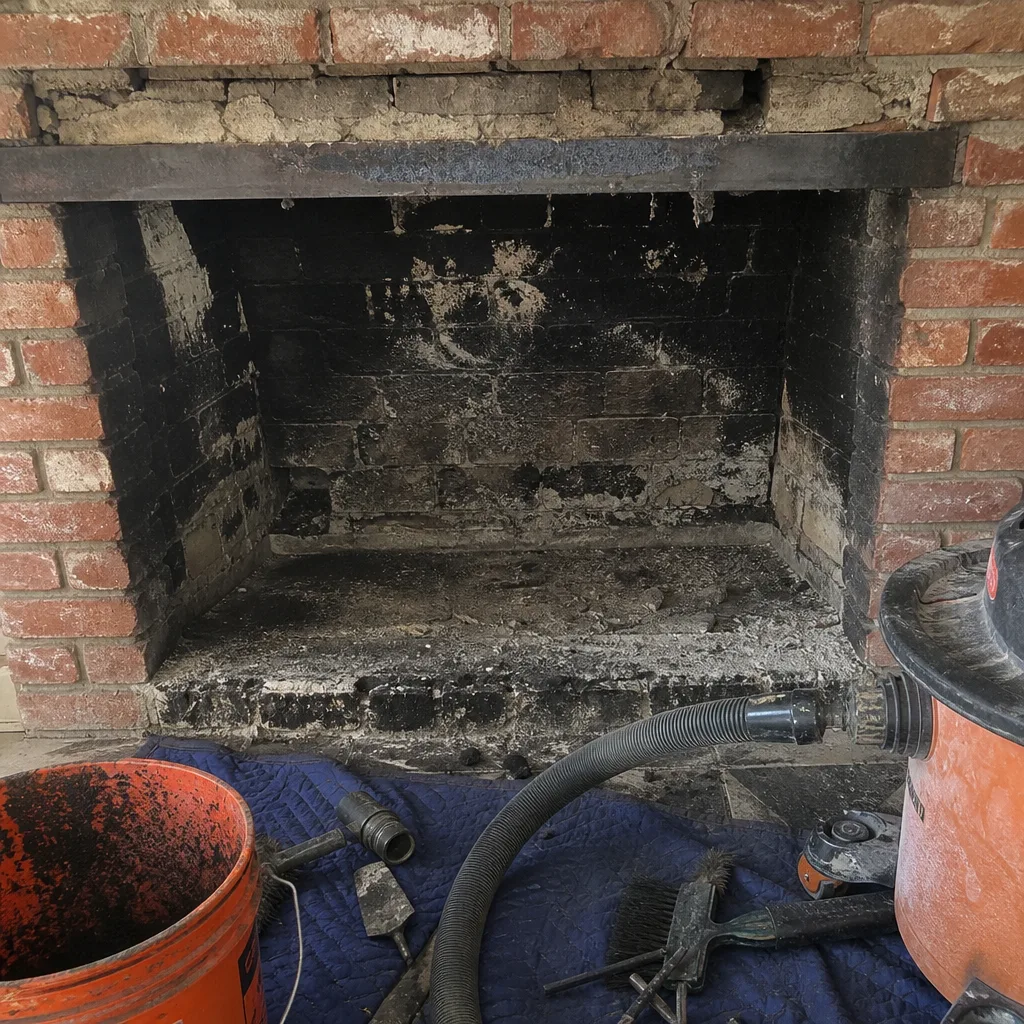 Before
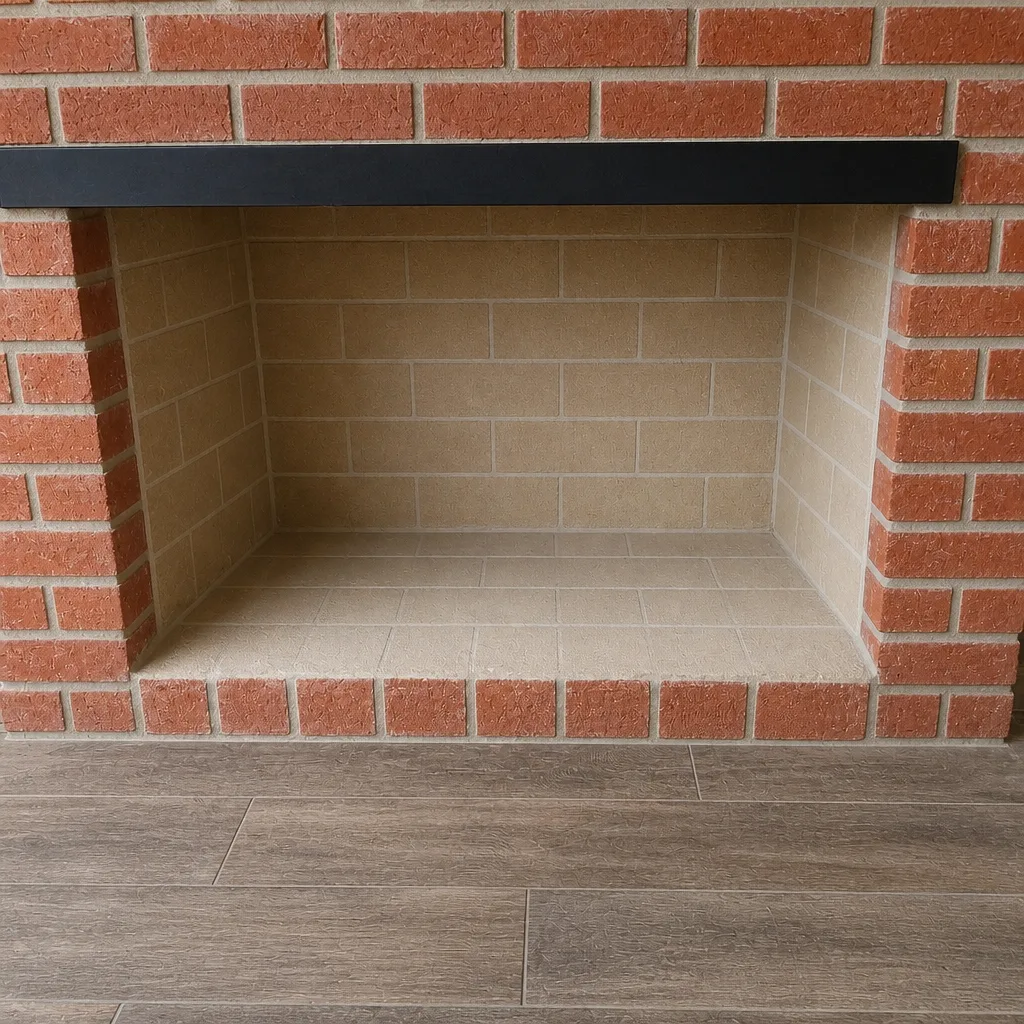 After