
Last updated November 4, 2026
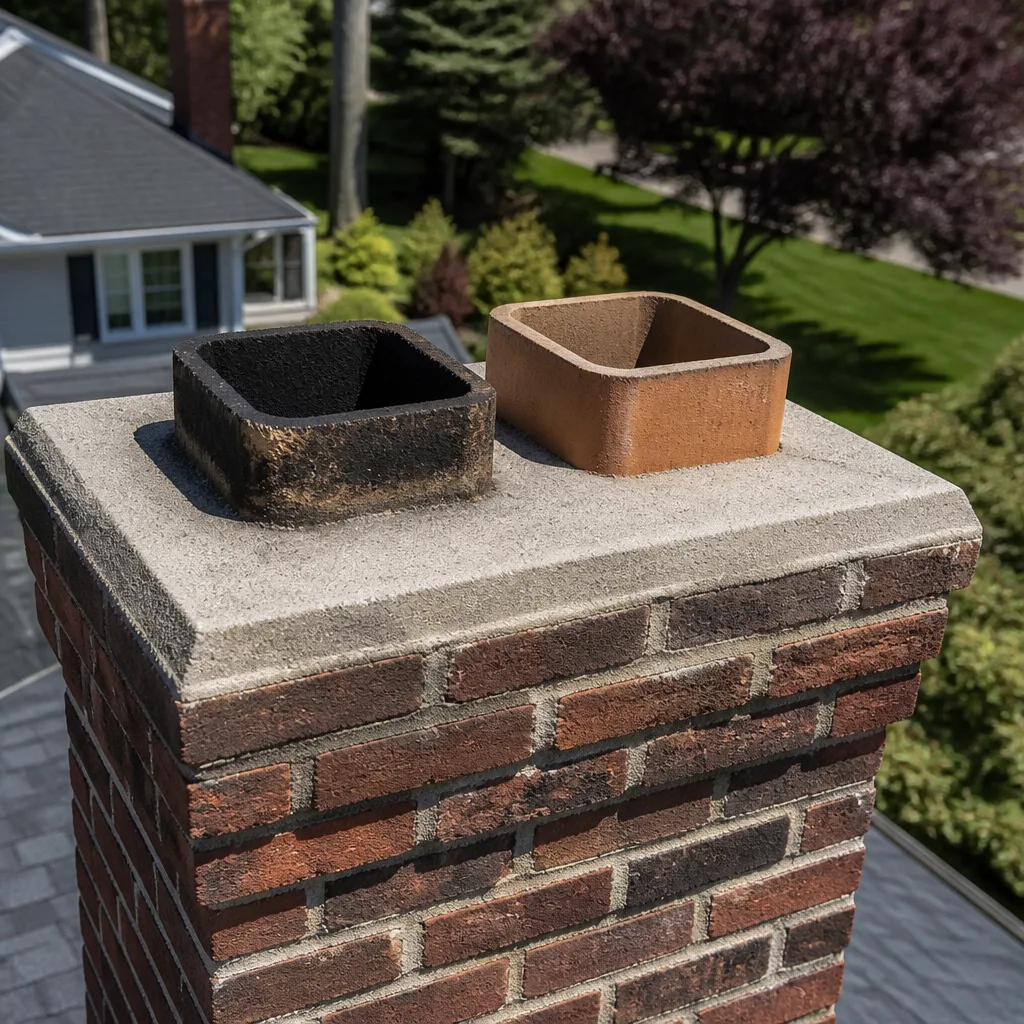 Sweep & inspection
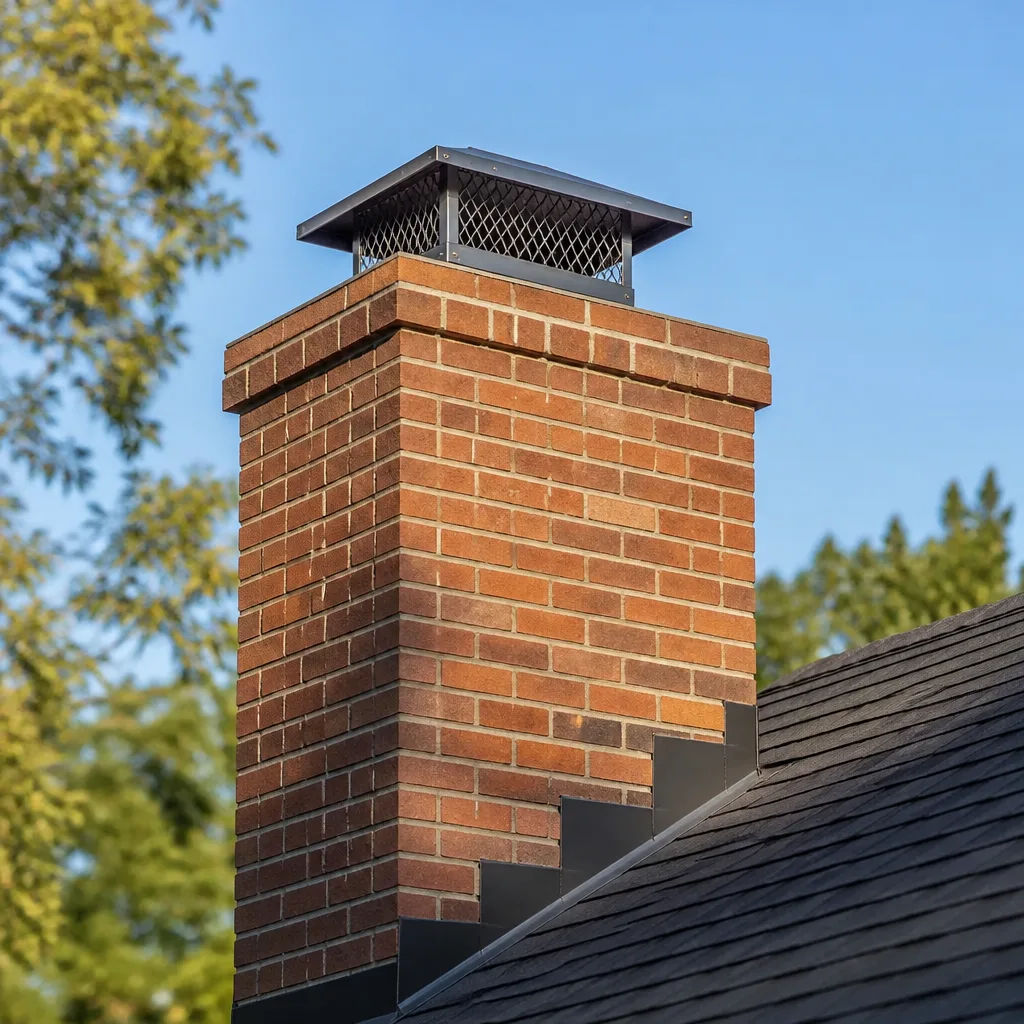 Caps & crowns
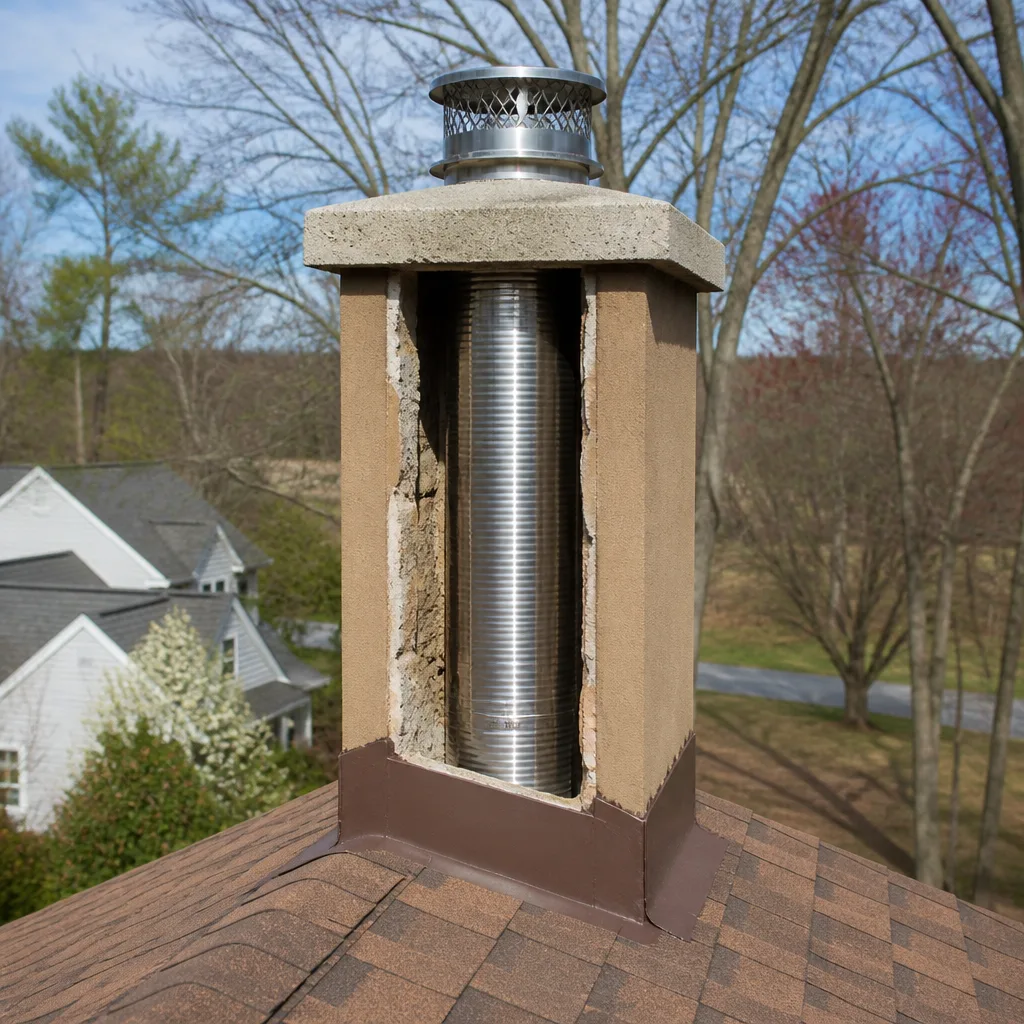 Flue relining
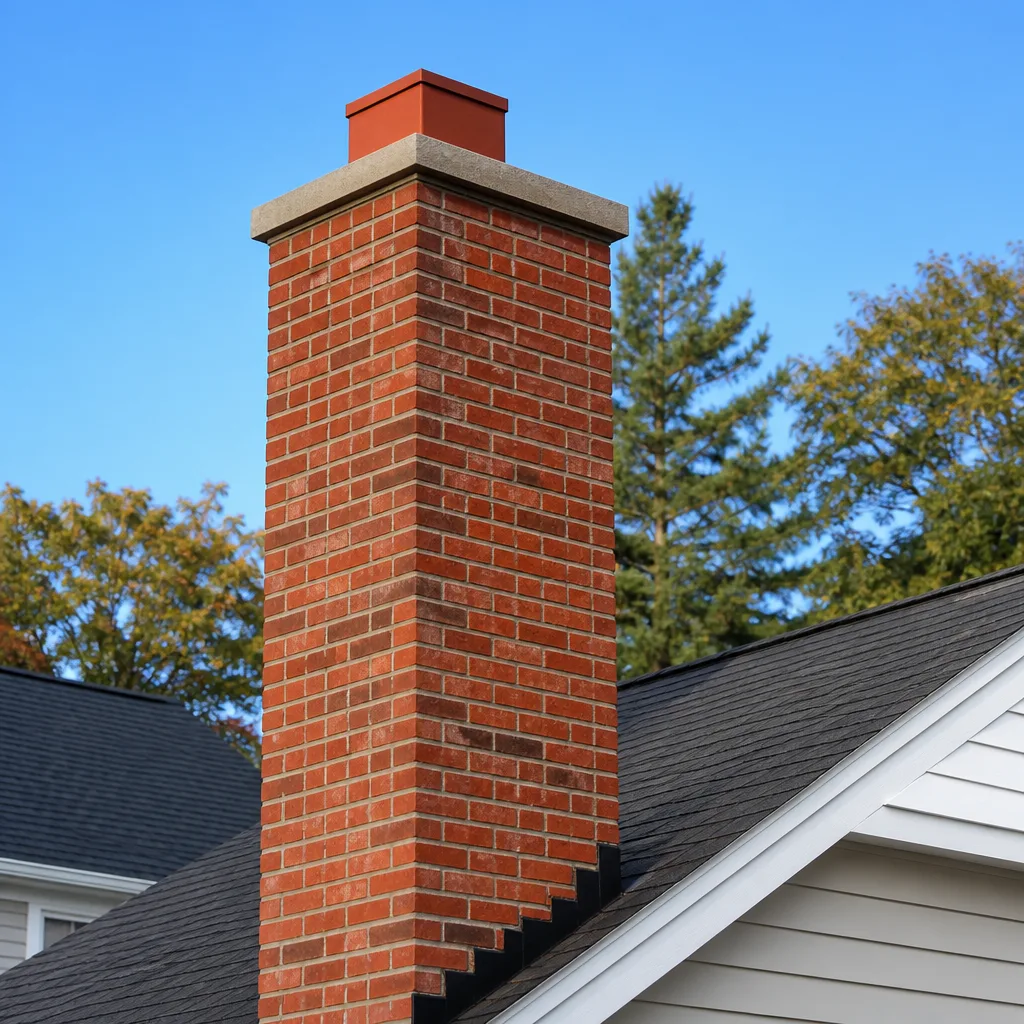 Masonry repair
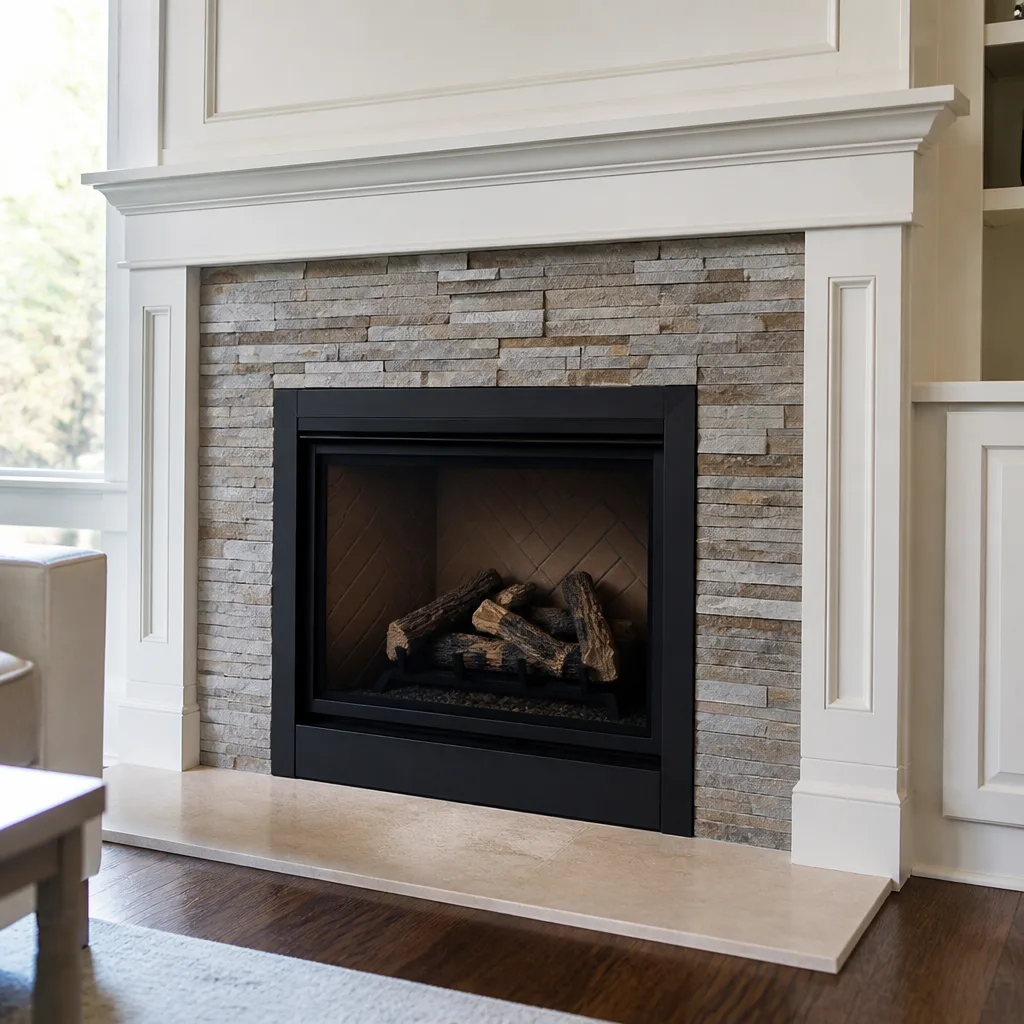 Gas fireplace service
Level 1 sweep and inspection to the NFPA 211 annual standard - flue, crown, cap, and flashing checked and photographed
Chimney sweep logs do not sweep chimneys. They loosen some creosote - which then falls where a brush and vacuum still have to collect it.
Seasonal Chimney Cleaning Care for Simi Valley: Year-Round Homeowner’s Guide
The standard chimney advice you’ll find online says to book your cleaning in September, right before heating season kicks in. That calendar was written for places with real winters, where fireplaces sit dormant for six months under snow. Simi Valley doesn’t work that way. Here, fire season stretches across most of the year, mild temperatures mean occasional fires even in spring, and the real question isn’t “did you clean before winter” but “what has accumulated in your flue since the last time anyone looked.” This guide walks you through what actually happens inside a Simi Valley chimney month by month, and when cleaning makes the most sense for this climate.
Styles & brands we work with
- Sweep & inspection
- Caps & crowns
- Flue relining
- Masonry repair
- Gas fireplace service
Quick Answer
In Simi Valley, the best time for a chimney sweep is typically late spring or early fall, after seasonal wind and fire events have deposited debris and creosote conditions have stabilized. Homes that burn wood regularly should plan for an annual cleaning, while occasional-use fireplaces can often go 18 to 24 months. Wildfire smoke events and Santa Ana wind seasons create secondary cleaning needs that most national maintenance calendars completely ignore.
Table of Contents
- Why the Standard Cleaning Calendar Fails in Simi Valley
- Month-by-Month: What’s Happening Inside Your Chimney
- Why Late Spring Is Often the Smarter Cleaning Window
- How Wildfire Smoke Events Create a Secondary Cleaning Need
- Gas Fireplaces: Not Maintenance-Free, Even in Mild Climates
- Santa Ana Winds and Chimney Cap Debris Accumulation
- Signs Your Chimney Needs Attention Between Cleanings
- Common Mistakes to Avoid
- When to Call a Professional
- Frequently Asked Questions
- The Bottom Line
Why the Standard Cleaning Calendar Fails in Simi Valley
National chimney maintenance advice assumes a heating season that starts in October and ends in April, with the fireplace dark the rest of the year. In Simi Valley, fireplaces get used in December through February, sure, but also on cool March evenings, during June gloom mornings, and on random chilly nights in October. That intermittent use pattern changes how creosote builds. Instead of a thick layer forming over one long burn season, you get thinner deposits that bake and harden between uses, then get covered by new layers months later. Hardened creosote is actually more difficult to remove than the fluffy stuff, which means a cleaning scheduled only in September can miss months of accumulated material from the previous winter and spring.
Then there’s the wildfire factor. When smoke from regional fires drifts through the valley, it carries fine particulates that settle inside chimneys. This isn’t creosote in the traditional sense, but it coats flue walls and can combine with existing deposits to create a stubborn residue. A homeowner in Simi Valley who cleaned in September 2023 may have had a perfectly clean flue going into winter, only to find it coated again by the time fire season kicked into gear the following summer. The seasonal rhythm here has more in common with a Mediterranean climate than a continental one, and your maintenance calendar should reflect that.
Month-by-Month: What’s Happening Inside Your Chimney
Understanding the seasonal cycle helps you anticipate when your chimney needs attention. Here’s what we typically see across the year in Simi Valley:
January – February: Peak Burn Season
This is when wood-burning fireplaces in Simi Valley see their heaviest use. Creosote accumulates fastest during these months, especially if you burn soft woods like pine or use your fireplace most evenings. Glazed creosote, the hard, shiny, tar-like form, can begin forming in as little as a few weeks of heavy burning. Keep an eye on smoke behavior: any smoke spilling into the room instead of drawing up the flue means something has changed and needs a look.
March – April: The Transitional Window
Fireplace use drops off but doesn’t stop entirely. This is when we see the hardened creosote problem develop. Deposits left from winter cool down and solidify, bonding to flue walls. If your chimney wasn’t cleaned after the previous burn season, this is when those deposits become genuinely difficult to remove. March and April are also when birds begin nesting activity around chimney caps in Simi Valley neighborhoods, and un-capped or damaged caps invite problems.
May – June: The Smart Cleaning Window
Late spring is arguably the best time for a chimney cleaning in Simi Valley, and we’ll dig into why in a moment. The short version: the burn season is over, deposits have stabilized, and you have months before the next fire. This is also when most professional chimney sweeps have flexible scheduling, since the national rush doesn’t start until September.
July – August: Fire Season Peaks
Wildfire smoke becomes the dominant chimney concern during these months, even if your fireplace sits unused. Smoke particulates settle into flues, and if you have any existing creosote, the combination creates a coating that’s harder to clean later. This is also when debris from dried vegetation and Santa Ana wind events can accumulate around and inside chimney caps.
September – October: Santa Ana Season Begins
The start of the fall wind season brings two chimney-related issues. First, debris accumulation accelerates as winds scour the hillsides around Simi Valley and deposit leaves, twigs, and dust. Second, homeowners begin firing up fireplaces again, often for the first time in months, which means any nesting material or debris from summer becomes a fire hazard the moment flame meets it. If you skipped a spring cleaning, this is the absolute latest you should schedule one before burn season.
November – December: Peak Season Again
Heavy fireplace use returns. If your chimney was properly cleaned in late spring or fall, you’re in good shape. If not, this is when problems surface: smoky rooms, unusual odors, or visible soot. The risk of chimney fires increases during these months, particularly in chimneys that have gone two or more years without a proper sweeping.
Why Late Spring Is Often the Smarter Cleaning Window
Here’s the counterintuitive part: the best time to clean a Simi Valley chimney is often May or June, months before most homeowners think about their fireplaces. Here’s why this timing works so well for the local climate:
- Deposits have stabilized. Creosote from winter burning has cooled and set, making it easier to identify the true condition of the flue. A spring cleaning assesses the actual state of the chimney, not a transitional mess.
- You catch off-season damage early. Cracks, deteriorated mortar, or damaged caps that happened during winter rains or spring winds get identified months before you need the fireplace again. That leaves ample time for repairs without urgency.
- Bird nesting season has passed. By late spring, most nesting activity is complete. Cleaning after this period removes debris and verifies the cap is doing its job before another year of weather exposure.
- You’re ready for the next burn season on day one. When that first cool October evening arrives, your chimney is clean, inspected, and safe to burn immediately. No scrambling, no waiting list.
- Scheduling is smoother. Most Simi Valley homeowners wait until September or October, meaning sweeps get booked out. A spring cleaning happens on your schedule, not the rush schedule.
One common objection is that a spring cleaning means the chimney sits unused all summer and might need another cleaning before winter. For most homes, that’s not how it works. The deposits that create fire risk come from burning, not from sitting idle. Unless you have a specific event like a wildfire smoke intrusion or a severe windstorm that dumps debris into your flue, a chimney cleaned in May is still clean in November.
How Wildfire Smoke Events Create a Secondary Cleaning Need
This is the factor most national cleaning guides never address because they’re written for regions where wildfire smoke isn’t a recurring reality. In Simi Valley, it absolutely is. When smoke from regional fires settles over the valley, it doesn’t just affect air quality outside. It affects what’s inside your chimney too.
Wildfire smoke contains fine particulate matter, ash, and chemical compounds that can coat the interior of a flue. If your chimney already has creosote deposits, whether thick or thin, the smoke particulates bind to that sticky surface and create a layer that’s more stubborn than either substance alone. We’ve seen flues that were swept in March look like they’d gone a full year without cleaning by September, solely because of wildfire smoke exposure during July and August.
Here’s what homeowners should watch for after smoke events:
- Unusual odor coming from the fireplace when it’s not in use, indicating smoke residue inside the flue
- Visible film or discoloration around the damper or on the firebox walls
- Excess dust settling in the room near the fireplace after windy conditions
- A change in how the fireplace draws when you do light a fire, even months later
The practical takeaway: if Simi Valley experiences a significant wildfire smoke event during summer, and you plan to use your fireplace that winter, a cleaning and inspection is worth scheduling in early fall. It’s not about paranoia; it’s about recognizing that your chimney is a passive air intake structure that collects what the wind brings.
Gas Fireplaces: Not Maintenance-Free, Even in Mild Climates
There’s a persistent belief that gas fireplaces don’t need chimney cleaning. That’s only partially true for the flue, but misses the bigger picture. Gas fireplaces in Simi Valley face specific seasonal challenges that justify annual attention:
- Dust and debris accumulation. Gas fireplaces often have direct-vent or B-vent systems that draw air from outside. Santa Ana winds push dust, pollen, and fine debris into these vents. Over time, this restricts airflow and can cause performance issues or carbon monoxide buildup.
- Spider and insect intrusion. Gas burners with small orifices are vulnerable to spider webs, which can block the gas-air mixture and cause improper combustion. This is a year-round issue in Southern California’s mild climate, but particularly after warm springs when insect activity increases.
- Log and burner degradation. Gas logs and burners deteriorate over time, even with minimal use. Ceramic logs crack, burner ports clog, and the flame pattern changes. An annual inspection catches these issues before they become safety problems.
- Nesting material in vent caps. Even gas fireplace vents get colonized by birds or rodents looking for a protected spot. This is especially true in Simi Valley neighborhoods with mature trees and significant bird populations.
The key point: a gas fireplace burns clean and doesn’t create creosote, but that doesn’t mean it’s maintenance-free. Vent blockage is the primary safety concern, and in a climate with seasonal wind and wildlife activity, blockage is a real risk.
Santa Ana Winds and Chimney Cap Debris Accumulation
Santa Ana wind events are a defining feature of Simi Valley’s fall and winter seasons. These winds, which can gust from 40 to over 60 mph depending on location and intensity, move a tremendous amount of debris across the landscape. Leaves, twigs, dust, and sometimes larger material get lofted and deposited wherever the wind finds resistance. Your chimney cap and flue top are prime collection points.
The mechanics are straightforward: Santa Ana winds typically blow from the northeast to the southwest, and the topography around Simi Valley funnels these winds through specific corridors. Homes on hillsides or in open areas get the brunt of it. Even with a properly installed cap, debris can accumulate against and around the cap’s mesh screen. Without a cap, or with a damaged one, leaves and twigs drop directly into the flue and collect on the smoke shelf or damper.
Why this matters seasonally:
- Debris sitting on the smoke shelf dries out during the warm, dry conditions that accompany Santa Ana events, becoming highly flammable by the time fireplace season arrives
- Accumulated debris on the cap restricts draft, causing smoke to back up into the room when you do light a fire
- Wind-driven debris can dislodge or dent caps that weren’t installed securely, creating new openings for future debris or wildlife
- Fine dust and grit from wind events works its way into chimney components, including dampers, which can seize or become difficult to operate
If you live in a Simi Valley neighborhood that gets strong Santa Ana wind exposure, check your chimney cap visually after major wind events. From ground level, you should be able to see whether the cap is straight, whether the mesh is intact, and whether material has piled around it. If you can’t see it clearly or something looks off, schedule an inspection.
Signs Your Chimney Needs Attention Between Cleanings
You don’t need to wait for a scheduled cleaning to know something’s wrong. Here are the signals that warrant a professional look in Simi Valley’s seasonal rhythm:
Smoke Behavior Changes
If smoke starts spilling into the room instead of drawing up the flue, something has changed. This could be a blockage, a damper issue, or creosote buildup. It’s never normal, and it’s never something to power through with more kindling.
Odors That Appear or Intensify
A fireplace that smells musty, smoky, or just unpleasant when not in use is telling you something about what’s inside the flue. This is especially common in Simi Valley during humid or damp periods, when moisture interacts with creosote deposits.
Visible Flakes or Dust
If you notice black flakes, sooty dust, or small debris falling into the firebox or appearing on the hearth, that’s material breaking loose from the flue walls. It often signals a significant creosote layer or deteriorating mortar.
Animal Activity
Scratching sounds, chirping, or the distinct smell of animal nesting means you have a visitor. Bird nests are common in uncapped or poorly capped chimneys across Simi Valley, and the material they bring in creates both fire risk and draft problems.
Water Stains or Efflorescence
White staining on brick or water marks on the ceiling near the chimney indicate moisture intrusion. While Simi Valley doesn’t deal with freeze-thaw cycles, water still deteriorates masonry and creates conditions for more damage.
Common Mistakes to Avoid
- Cleaning only before winter. The national calendar says September, but Simi Valley’s fire season and intermittent use pattern mean a single fall cleaning may not address everything that accumulated during wildfire smoke season. Consider a spring or early summer cleaning as your primary annual service.
- Assuming gas fireplaces don’t need attention. Gas systems absolutely require seasonal checks, particularly the venting. Blocked vents from wind-blown debris or wildlife activity are a real safety issue in this climate.
- Ignoring the chimney cap. The cap is your first line of defense against debris, animals, and moisture. A damaged or missing cap turns a minor problem into a recurring one, and Santa Ana winds will find any weakness.
- Burning treated or wet wood. These materials create more creosote and burn less cleanly than seasoned hardwood. If you’re burning regularly in Simi Valley, invest in properly seasoned wood and store it off the ground, covered, but with airflow.
- Skipping the inspection with the sweeping. A sweep that only removes soot without assessing the flue condition misses the whole point. In our experience, the inspection finds issues that cleaning alone would never address, like cracked tiles, failing mortar, or liner damage.
- Waiting until you smell smoke indoors. By the time smoke is spilling into your living room, you’ve had a draft problem for a while. Early intervention is cheaper and safer than emergency repairs.
- Treating all cleaning services as equal. Not all providers in Simi Valley offer the same scope. Some only remove surface soot. Others assess structural integrity, liner condition, and cap functionality. Know what you’re getting.
When to Call a Professional
Some situations clearly call for professional attention, and trying to address them yourself is a genuinely bad idea. Creosote removal from a flue is not a DIY project; it requires specialized brushes, proper safety equipment, and an understanding of what different deposits mean for chimney condition. If you’ve noticed any of the following, call a professional: persistent smoke spillage, strong odors that don’t improve, visible debris or nesting material, water staining, or a chimney fire event of any kind. Even a small chimney fire can damage the flue liner in ways that aren’t visible from the outside. Chimney Sweep Simi Valley offers free estimates in Simi Valley. Call (833) 593-4098. We answer 24/7. Fast dispatch from 7am to 7pm, Sunday through Friday.
Frequently Asked Questions
If you burn wood regularly, plan for an annual cleaning. Occasional-use fireplaces can often go 18 to 24 months between cleanings. The National Fire Protection Association recommends cleaning when creosote reaches 1/8 inch thickness, which translates to roughly a year of regular burning for most households. Homes that experience wildfire smoke exposure or significant Santa Ana wind debris may need additional cleanings regardless of burn frequency.
Late spring, between May and June, is often the smartest window for Simi Valley homeowners. The burn season has ended, deposits have stabilized, and you have months before the next fire. This timing also means any issues found can be repaired without urgency. If you skip spring, early fall before Santa Ana wind season is the fallback option.
If a significant wildfire smoke event settled over Simi Valley during summer and you plan to use your fireplace that winter, yes, a cleaning and inspection is worth scheduling. Smoke particulates bind to existing creosote and create a stubborn residue that’s harder to remove later. Even homeowners who don’t burn often should consider a post-smoke-season inspection, since the flue collects what the wind brings.
Expect a professional chimney sweep in Simi Valley to typically range from $150 to $350 depending on the access, system type, and condition of the flue. Gas fireplace inspections run lower. The final price is set by the written estimate, which accounts for what’s actually in your chimney. Call (833) 593-4098 for an exact quote. Estimates are free.
Yes. Gas fireplaces don’t create creosote, but their vents collect dust, debris, and sometimes wildlife nests, particularly during Santa Ana wind season. Blocked vents restrict airflow and can cause carbon monoxide issues. An annual inspection checks the burner, log set, venting, and cap, and it’s worth doing even if you use the fireplace only occasionally.
Creosote can accumulate to dangerous levels after a year or two of regular burning, especially if you burn soft woods or wet wood. You may notice smoke spillage, strong odors, or reduced draft. The bigger risk is a chimney fire: creosote is highly flammable, and once ignited, it burns hot enough to crack flue tiles and create a house-fire risk. If you’ve skipped several years, schedule a cleaning and inspection before lighting another fire. Call (833) 593-4098 for a free estimate in Simi Valley.
The Bottom Line
Simi Valley’s climate doesn’t follow the national chimney cleaning calendar, and neither should you. The best maintenance schedule here responds to what actually happens: burn season in winter, hardening deposits in spring, wildfire smoke in summer, and Santa Ana winds in fall. A late-spring cleaning covers you for the year ahead, with supplemental attention after significant smoke or wind events. Gas fireplaces need annual checks too, even if they never see a real fire. And when something doesn’t smell right, look right, or draw right, don’t wait for the calendar. Call (833) 593-4098, get a free estimate, and know your chimney is safe before the next burn.
Chimney Sweep Simi Valley also provides dryer vent cleaning, addressing another seasonal fire risk that most homeowners overlook. Two fire risks, one call.
Written by the team at Chimney Sweep Simi Valley, serving Simi Valley since 2015.
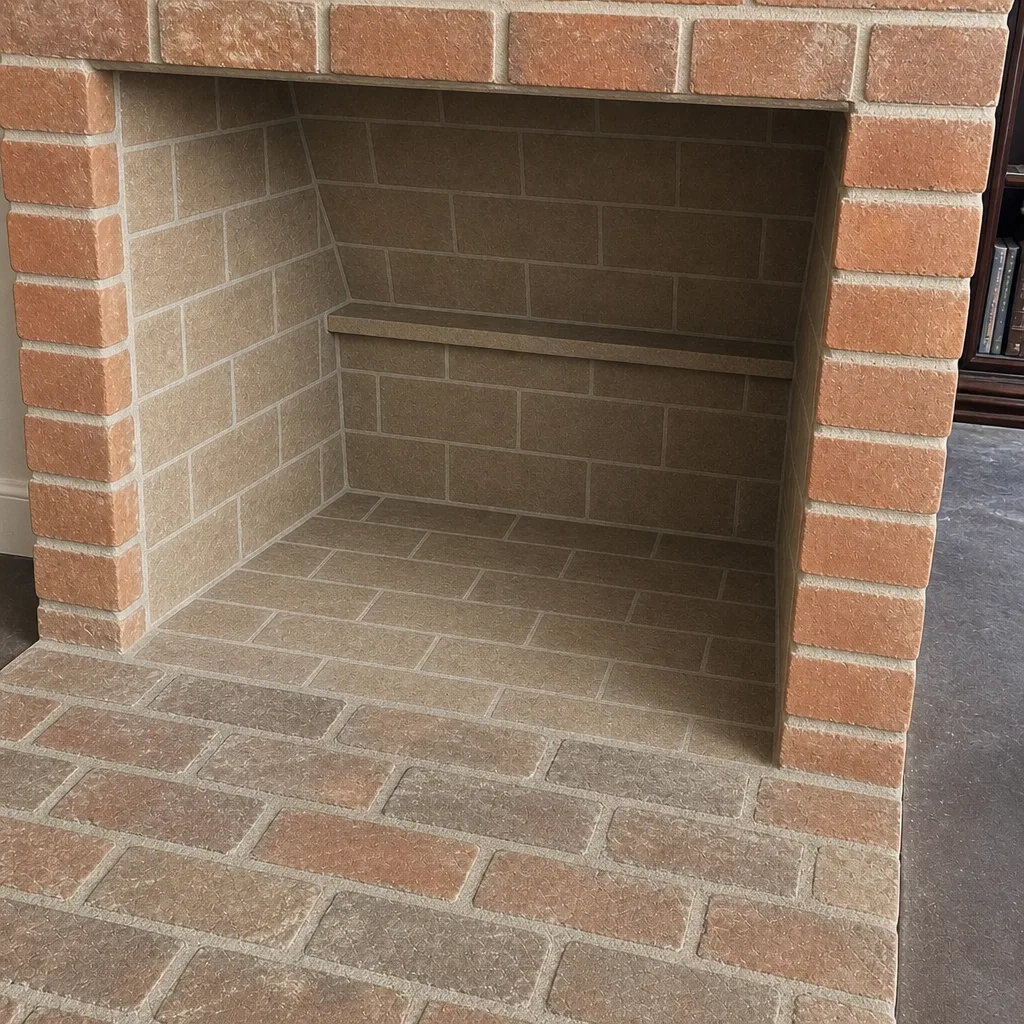
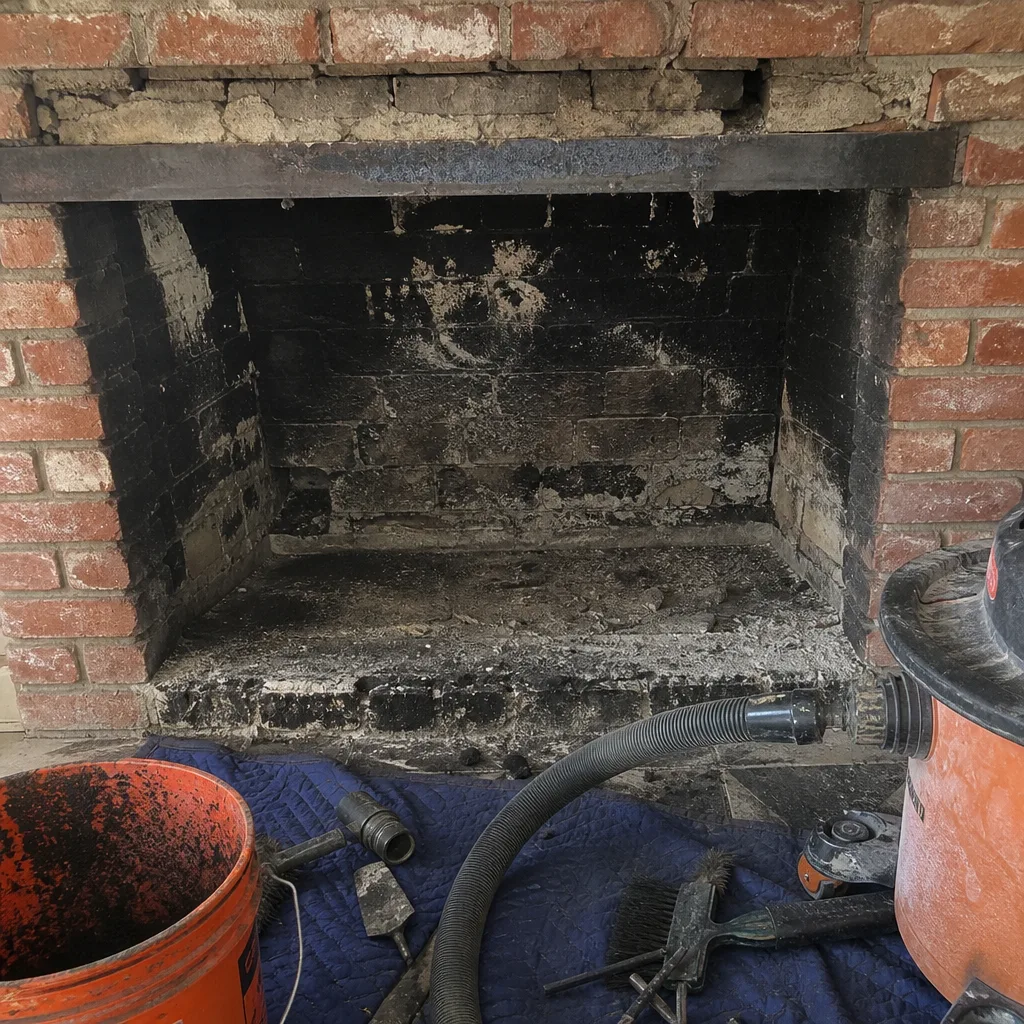
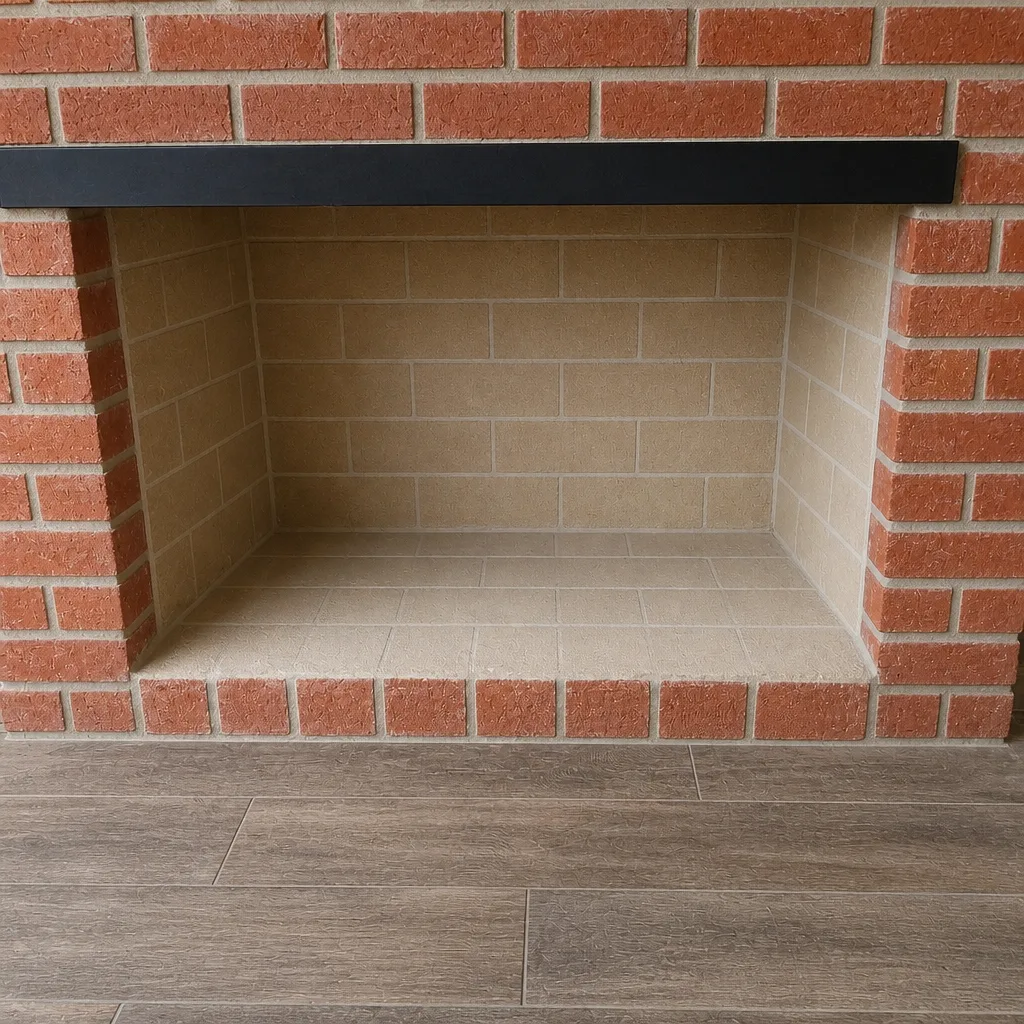
See the difference
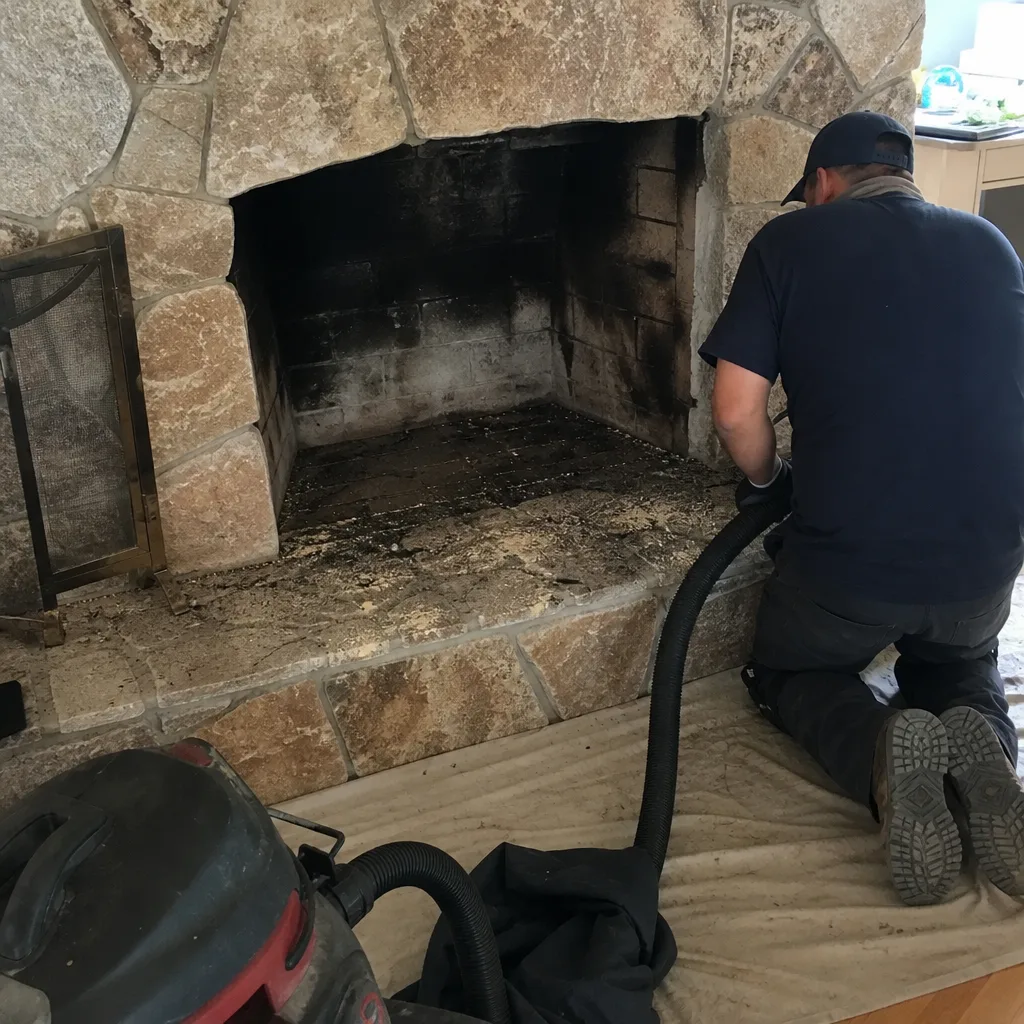 Before
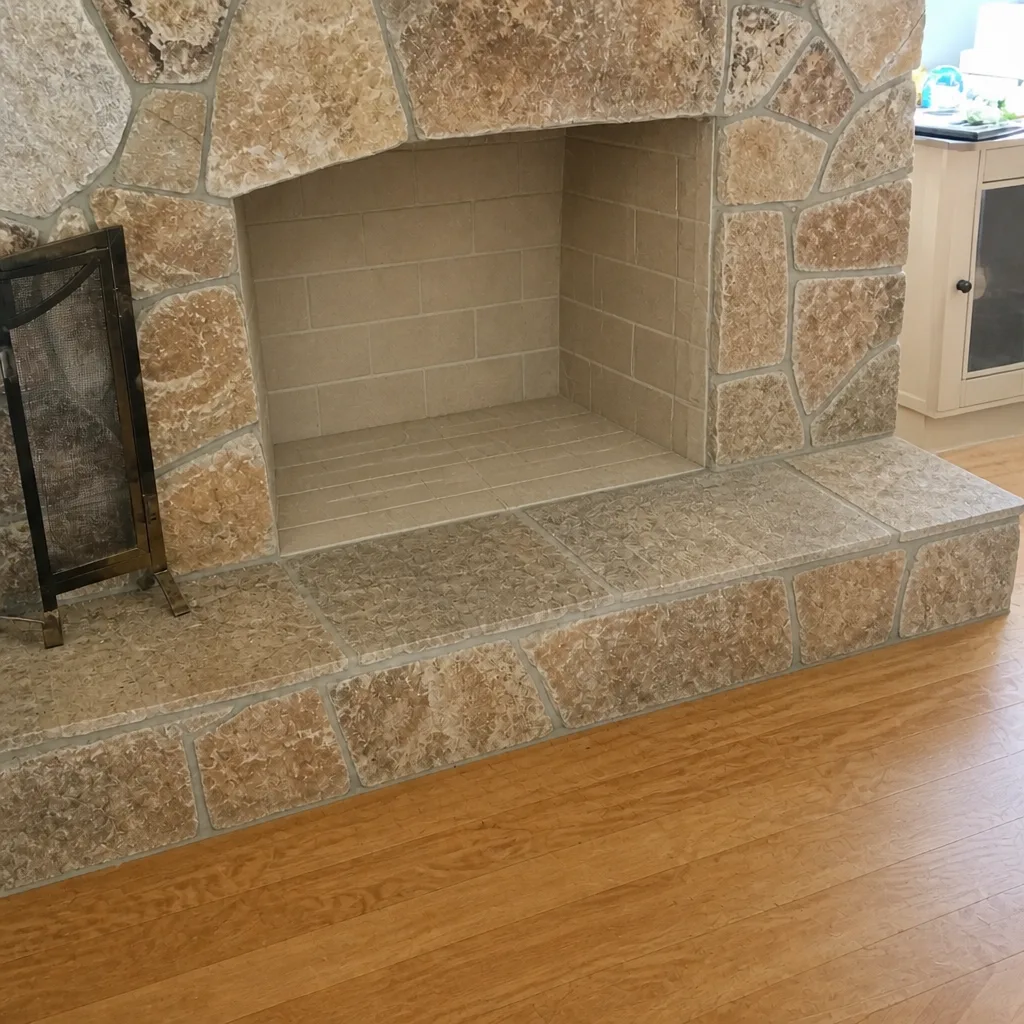 After
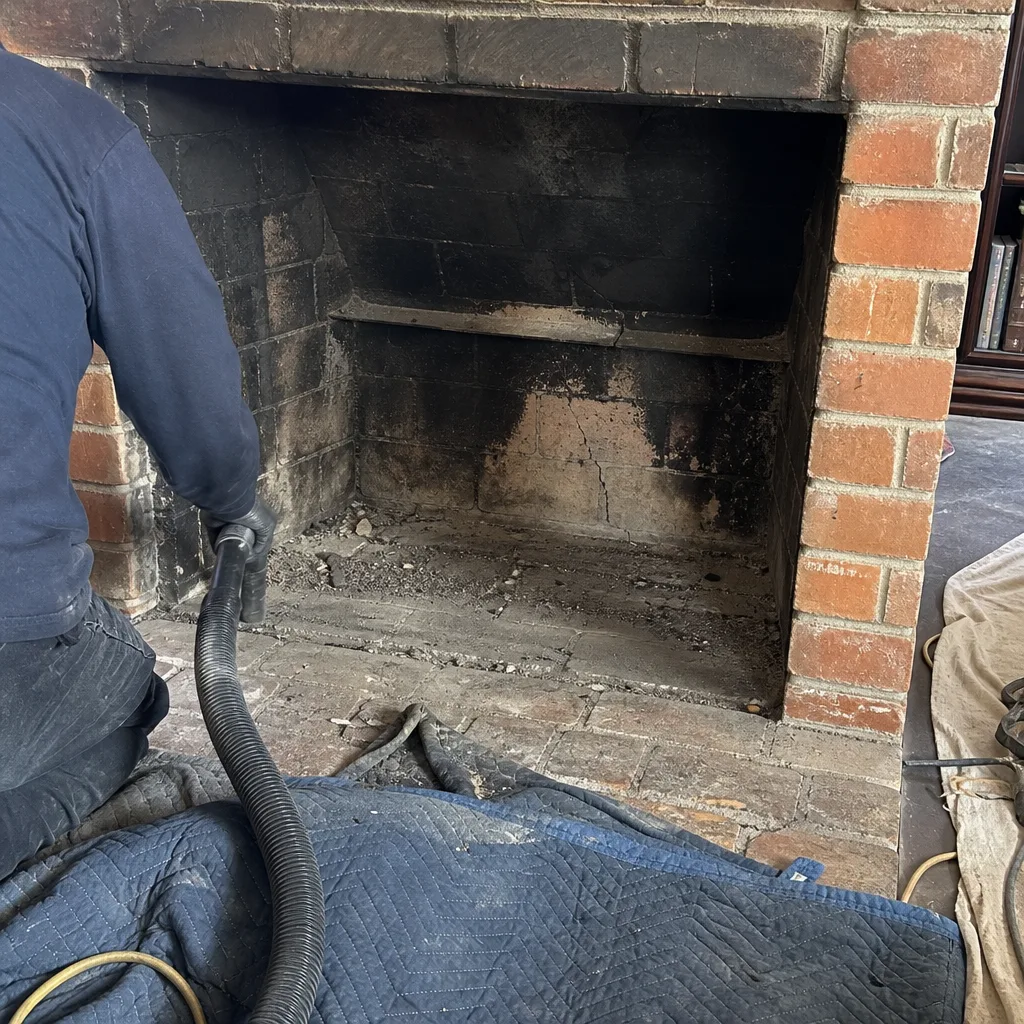 Before
 After
 Before
 After