
Last updated November 4, 2026
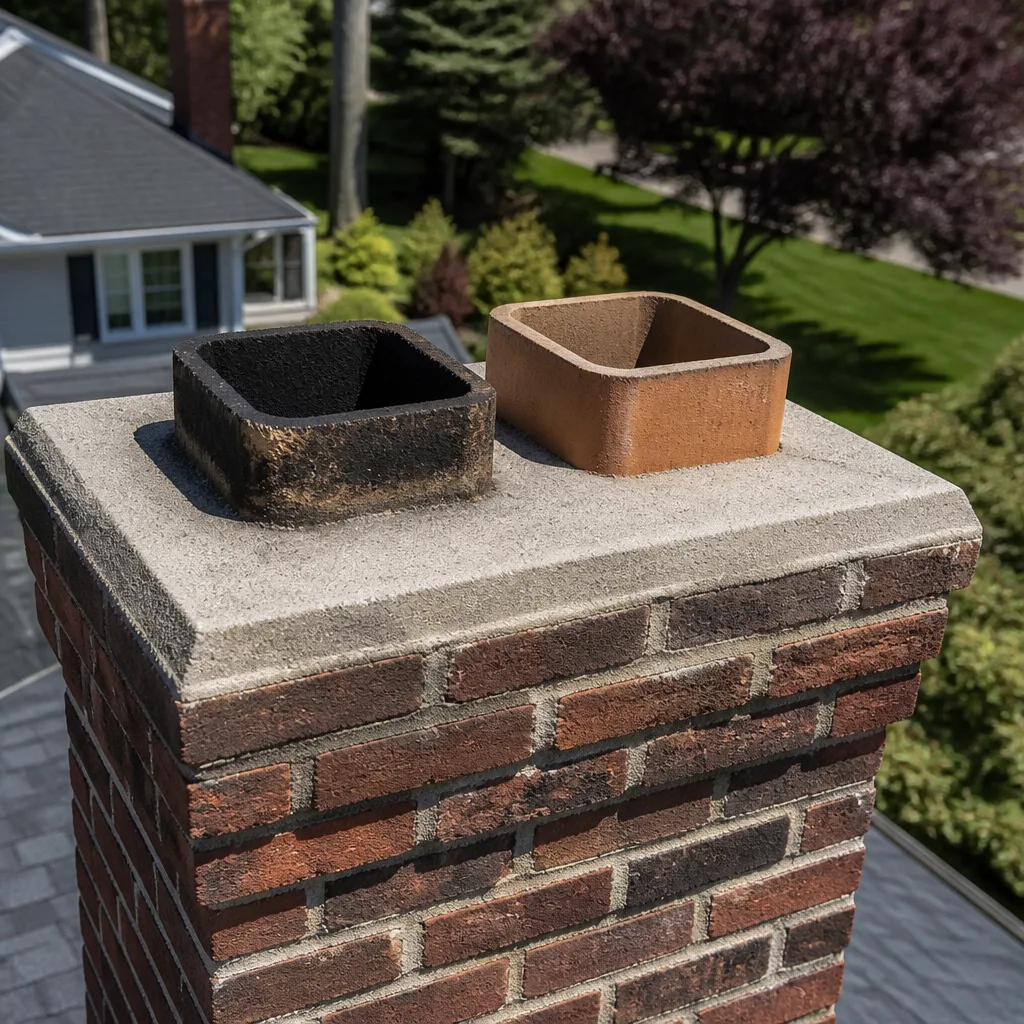 Sweep & inspection
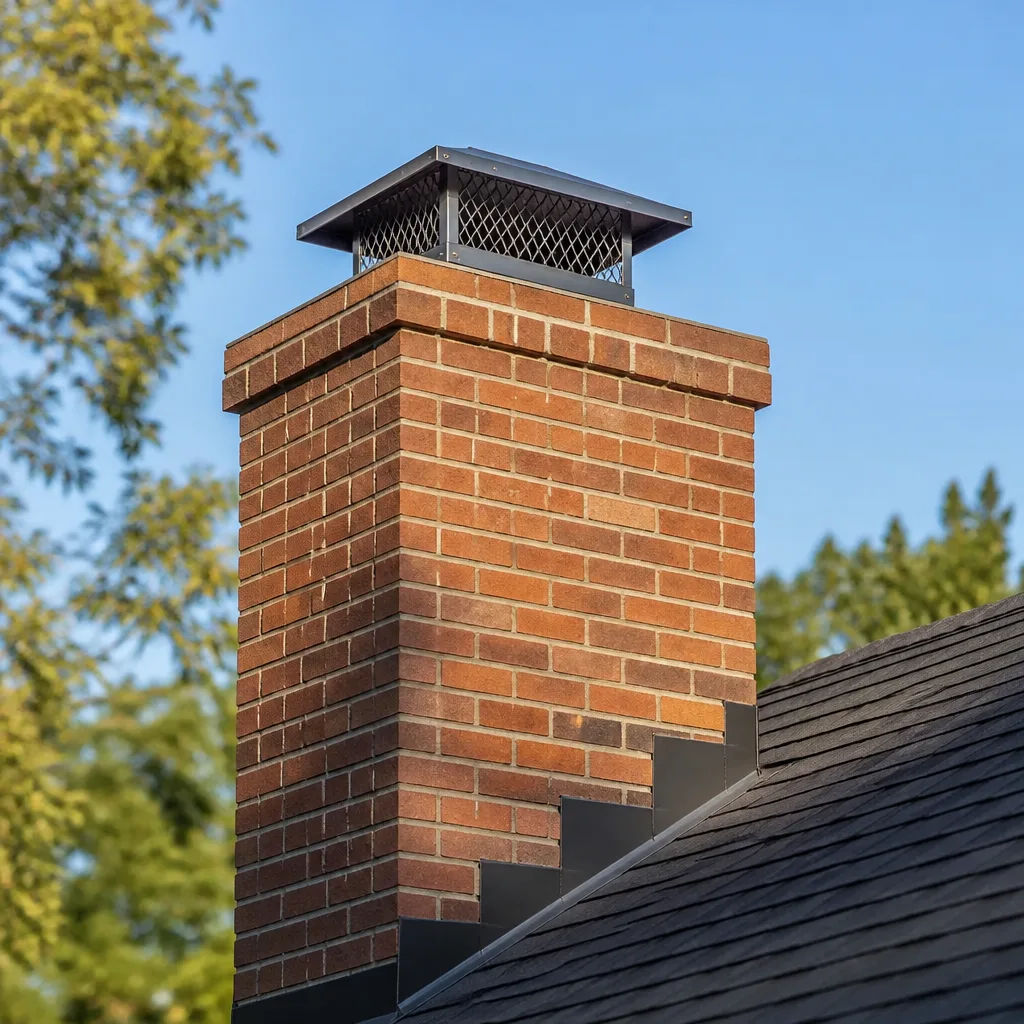 Caps & crowns
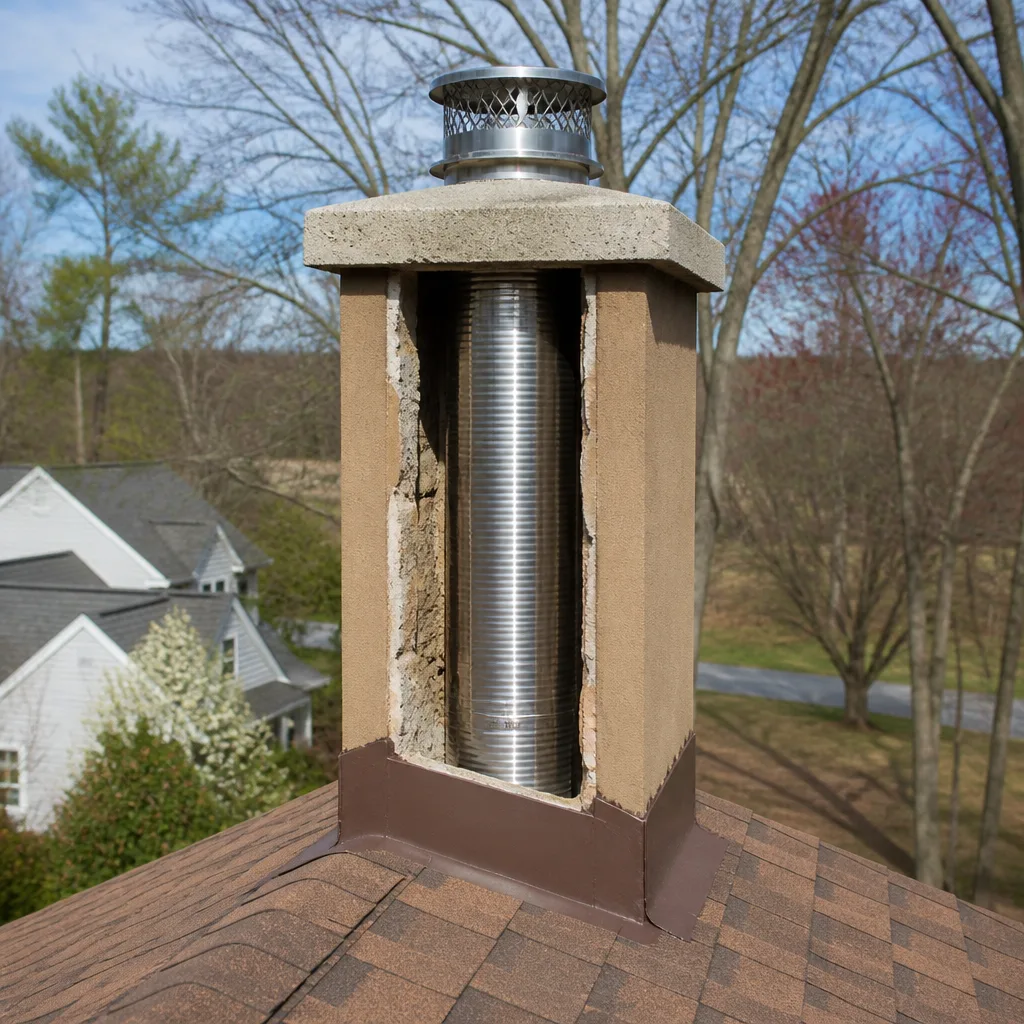 Flue relining
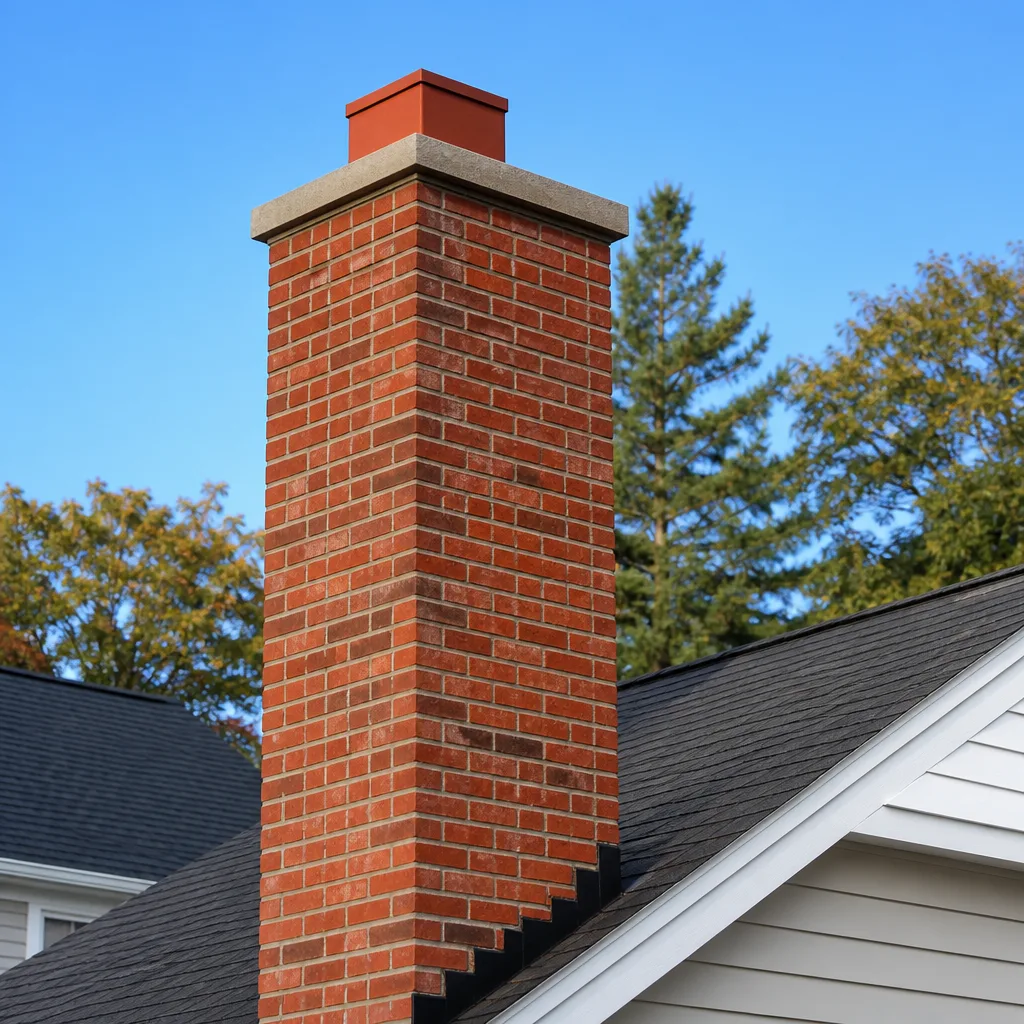 Masonry repair
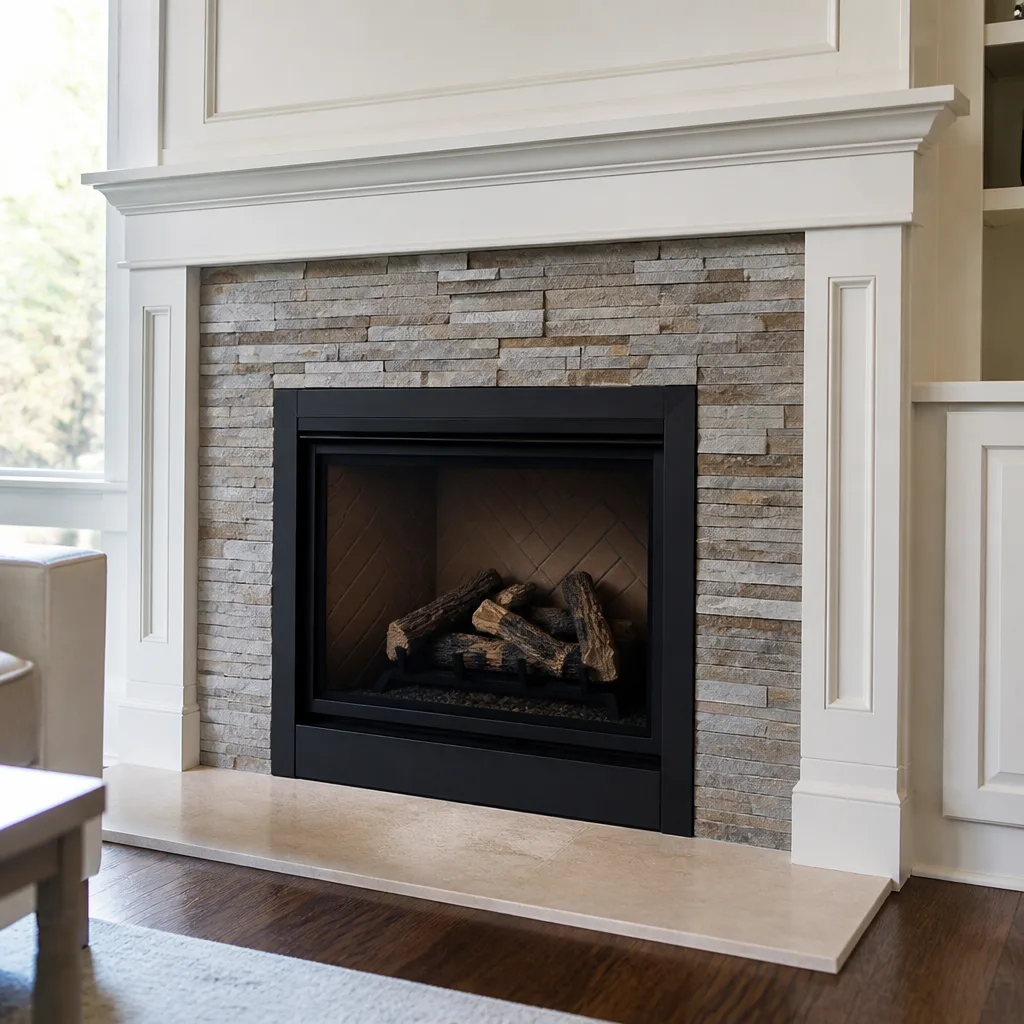 Gas fireplace service
Level 1 sweep and inspection to the NFPA 211 annual standard - flue, crown, cap, and flashing checked and photographed
Chimney sweep logs do not sweep chimneys. They loosen some creosote - which then falls where a brush and vacuum still have to collect it.
Chimney Cleaning Cost Breakdown: The Simi Valley Homeowner’s Reference for 2026
The $79 chimney cleaning special you’ve seen advertised is real. It’s also how some companies get inside your home to sell $900 in “required” repairs you can’t verify. Chimney pricing stays opaque because the base cleaning fee is rarely the final number, and homeowners in Simi Valley have no reliable reference point for what’s fair. This guide breaks down what actually drives chimney cleaning costs in 2026, which add-ons are legitimate versus inflated, and what a reasonable total looks like for wood-burning, gas, and prefabricated systems. By the time you finish, you’ll know how to read a quote like someone who’s been through this before.
Quick Answer
Chimney cleaning in Simi Valley typically costs between $180 and $340 for a standard wood-burning fireplace, $150 to $275 for a gas fireplace, and $200 to $400 for a prefabricated system. The final number depends on flue length, creosote buildup stage, accessibility, and whether an inspection finds issues requiring repair. A written estimate should itemize the sweep, the inspection level, and any recommended work separately so you can see exactly what you’re paying for.
Styles & brands we work with
- Sweep & inspection
- Caps & crowns
- Flue relining
- Masonry repair
- Gas fireplace service
Table of Contents
- Base Cleaning Costs by Chimney Type in Simi Valley
- What Actually Drives the Price Up
- Inspection Levels: Level 1, 2, and 3 Explained
- Repair Cost Benchmarks for Common Findings
- How to Read a Chimney Quote Line by Line
- Legitimate Add-Ons vs. Inflated Charges
- Common Mistakes to Avoid
- When to Call a Professional
- Frequently Asked Questions
Base Cleaning Costs by Chimney Type in Simi Valley
Your chimney type sets the floor for what you’ll pay. The three most common systems in Simi Valley homes are masonry wood-burning fireplaces, direct-vent gas fireplaces, and factory-built prefabricated units. Each has different cleaning requirements, different tools, and different labor time.
Wood-Burning Masonry Fireplace
A standard chimney sweep for a masonry fireplace with a clay tile flue runs $180 to $340 in the Simi Valley market. This assumes the fireplace gets regular use during the cooler months and hasn’t gone more than two years without service. The sweep itself covers the firebox, smoke chamber, damper, and the full flue length from firebox to chimney cap. If you burn unseasoned wood or your fires tend to smolder, expect creosote buildup to push the labor time up and the price toward the higher end.
Gas Fireplace
Gas fireplace cleaning runs $150 to $275. Many homeowners assume gas means no maintenance, but gas logs still produce combustion byproducts, and the venting system collects dust, pet hair, and sometimes nesting material from Simi Valley’s bird population. The cleaning includes removing and brushing the logs, vacuuming the firebox, checking the burner, and cleaning the vent. This is also the appointment where we check gas connections and flame color, which tells us a lot about proper combustion.
Prefabricated (Factory-Built) System
Prefab or factory-built fireplaces cost $200 to $400 to clean because they typically have smaller flue diameters and require specialized brushes that match the manufacturer’s specifications. You can’t use the same tools on a prefab stainless-steel flue that you’d use on a clay tile liner. The joints and connections need closer inspection too, because prefab systems have more components that can shift or degrade over time.
If you also need dryer vent cleaning in the same visit, most companies in the area offer it as a separate line item rather than bundling it into the chimney price. That’s a good sign, actually. It means they’re quoting each service honestly instead of padding one to hide the other.
What Actually Drives the Price Up
Base prices are just the starting point. Five factors move the number, and you should understand each before signing anything.
1. Creosote Stage
Creosote comes in three stages. Stage one is light, dusty soot that brushes off easily. Stage two is flaky, tar-like buildup that requires more aggressive rotary cleaning. Stage three is hardened glaze that may require chemical treatment before it can be removed. Each stage adds time and sometimes materials. If a technician shows you a photo of stage three glaze and you verify it with your own eyes, the upcharge is legitimate. If you can’t see what they’re describing, ask for the camera.
2. Chimney Height and Roof Access
Simi Valley’s housing stock ranges from single-story ranches in older neighborhoods to two-story homes in newer developments. Roof pitch and chimney height directly affect labor. A steep roof on a two-story home takes longer to work safely than a walkable roof on a single-story ranch. This isn’t a markup trick; it’s reality. The technician has to set up ladders, secure themselves, and work in a position that’s physically demanding. Higher and steeper means more labor hours.
3. Multiple Fireplaces on One Flue
Some Simi Valley homes have two fireplaces sharing one flue, or a fireplace on the main level and a stove in a converted garage or addition. Each appliance needs attention, and shared flues complicate the cleaning. You’ll typically pay 50-75% of the base rate for each additional fireplace, not double the full price. A quality estimate will show each appliance as its own line item.
4. Flue Length
Longer flues take longer to clean. A standard single-story chimney might have a 15-20 foot flue. A two-story home could push that to 30 feet or more. Most companies price the base rate for a standard flue length and add a per-foot charge beyond that. Ask upfront whether the quote includes the full flue length or assumes a standard one. It should be on the written estimate either way.
5. Level of Inspection
Cleaning and inspection are separate services that should be itemized separately on your quote. The inspection level depends on your circumstances, and it drives a meaningful portion of the total. Here’s how that breaks down across the Simi Valley market:
| Inspection Level | Typical Cost | When It Applies |
|---|---|---|
| Level 1 | Often included with sweep ($0-$75 standalone) | Routine annual maintenance, no changes to system |
| Level 2 | $100-$250 | Property sale, system change, weather event, or after any chimney fire |
| Level 3 | $250-$1,000+ | Suspected hidden damage, often requires demolition or specialized access |
Inspection Levels: Level 1, 2, and 3 Explained
Most homeowners hear “inspection” and assume it’s one thing. It isn’t. The Chimney Safety Institute of America defines three levels, and knowing which one you need prevents you from paying for more inspection than your situation calls for, or less than protects you.
Level 1: The Annual Checkup
A Level 1 inspection is what you get during a routine sweep when nothing has changed about your fireplace or chimney. The technician examines the readily accessible portions of the system: firebox, damper, smoke chamber, and the visible flue interior. It’s typically included with the cleaning price or runs up to $75 as a standalone. In our experience, a Level 1 inspection catches the majority of routine issues before they become expensive problems: cracked tiles, deteriorating mortar joints, damaged caps.
Level 2: The Deeper Look
A Level 2 inspection adds a video scan of the flue interior using a camera system. You need this when the system has changed since the last inspection: you’re buying or selling the home, you’ve had a chimney fire, you’re switching fuel types, or an earthquake or weather event may have shifted the structure. The camera reveals what the naked eye can’t: hidden cracks in the flue liner, separated tiles, or blockages deep in the chimney. Expect $100 to $250 for a Level 2 scan, and make sure the company provides you the video or still photos. If they won’t show you the footage, that’s a red flag.
Level 3: When You Can’t See Enough
Level 3 inspections are rare and situation-specific. They involve opening up a portion of the chimney structure, which is invasive and expensive. You’d only need this if a Level 2 scan suggests hidden damage that requires physical access to confirm, or if there’s a specific concern like a structural crack in the masonry. Cost ranges from $250 to over $1,000 depending on access and repair to the opening. A reputable chimney company will exhaust Level 1 and Level 2 options before recommending Level 3.
Repair Cost Benchmarks for Common Findings
Here’s the thing about chimney cleaning: the sweep is rarely where the conversation ends. That’s not dishonest. A good sweep discovers issues, and in Simi Valley’s climate, which is mild but dry, masonry and metal components age predictably. The honest company shows you the problem, explains whether it’s urgent or can wait, and quotes the repair separately. The dishonest company inflates the urgency and the price.
These are realistic 2026 benchmarks for what common findings cost to fix in the Simi Valley market:
- Chimney cap replacement: $150 to $450 installed. Caps are the first line of defense against rain, birds, and debris. A standard stainless cap runs $150 to $250. Custom sizes or copper caps like those from Copperfield’s professional line push the price up.
- Crown repair or reseal: $250 to $800 depending on damage. Small cracks can be sealed. Larger failures may require a recast crown. The crown is the concrete slab at the top of the chimney that sheds water. When it fails, water gets into the masonry and accelerates deterioration.
- Damper replacement: $200 to $500. A worn damper lets heated air escape in summer and conditioned air in winter. Top-sealing dampers cost more but seal better and often justify the price.
- Flue relining: $2,500 to $7,000 depending on length and system. This is the big one. When flue tiles crack or a liner deteriorates, the fix is a stainless liner system like DuraFlex. Relining is not cheap, but it’s essential for safety. A cracked flue liner exposes combustible framing to heat and gases.
- Smoke chamber parging (resurfacing): $1,200 to $3,000. The smoke chamber is the transition area above the firebox. Parging smooths and seals it, improving draft and reducing creosote accumulation. Products like HeatShield are used for this application because they’re designed specifically for chimney resurfacing.
None of these are “required” unless they actually are. A cracked tile might be stable for years, or it might need attention this season. The honest answer depends on what the camera shows. We always tell our customers what we see, what it means, and what happens if they wait. Then they decide.
How to Read a Chimney Quote Line by Line
This is where most homeowners get taken. The quote looks detailed, but the line items are vague enough to hide inflated charges. Here’s what a legitimate written estimate should include, and what vague language signals.
What a Proper Estimate Itemizes
- The sweep itself: specified by chimney type (masonry, gas, prefab) with a clear dollar figure.
- Inspection level: Level 1, 2, or 3, with its own line item and cost.
- Flue length or height: either included in the base or itemized as a per-foot additional charge.
- Access considerations: roof pitch, ladder setup, or safety equipment needs noted.
- Repairs or recommendations: listed separately from the cleaning, with specific dollar amounts and product names where applicable.
- What’s not included: anything the estimate excludes should be stated, not discovered later.
Vague Line Items That Should Make You Pause
If you see line items like “chimney service” or “maintenance package” without a breakdown, ask what exactly that includes. Same with “materials” that have no product specification. A legitimate contractor using professional-grade materials will name what they’re installing. If someone quotes you a liner and won’t tell you the brand, that’s a problem. If a quote uses terms like “as needed” without defining what triggers the additional charge, that’s an open-ended invitation to inflate.
One practice we hear about from Simi Valley homeowners is the “sweep and scare” model: a low advertised price, then urgent findings once the technician is on site. The protection against this is simple. Ask to see the problem with your own eyes or on camera. A reputable sweep wants you to see it. The ones who resist that request are the ones to send away.
Legitimate Add-Ons vs. Inflated Charges
Not every line item beyond the base sweep is a rip-off. Some are legitimate and worth paying for. Others are padding dressed up to look professional. Here’s how to tell the difference.
Legitimate Add-Ons Worth Considering
- Video scan: $100 to $250. The single best value in chimney service. You see the condition of your flue with your own eyes. No guesswork, no trust-me pricing.
- Chimney cap installation: If yours is missing or damaged, this is preventive maintenance that pays for itself. A good cap keeps out water, birds, and debris.
- Water repellent application: Simi Valley’s dry climate means less freeze-thaw damage than colder places, but masonry still absorbs moisture from the occasional heavy rain. A breathable water repellent applied to exterior brick helps. $150 to $400 depending on chimney size.
- Dryer vent cleaning in the same visit: Here’s the logic: you’ve already got a professional at your home for one hidden fire hazard. The dryer vent is another hidden fire hazard. Handling both in one appointment is efficiency, not upselling. We use Famco-grade venting knowledge for dryer vent work because it’s a different system than a chimney, and the materials matter.
- Creosote treatment: For stage three glaze, chemical treatments loosen the hardened deposits before mechanical removal. The product costs money, and skipping it means ineffective cleaning. That’s legitimate.
Charges That Should Raise Questions
- “Safety inspection” as a mandatory add-on: A basic visual check should be part of the sweep, not a separate mandatory charge. If it’s presented as “not optional,” ask why.
- Overpriced “materials” with no brand names: A chimney sweep doesn’t use proprietary sweeping “materials” that justify mystery pricing. Brushes, rods, and vacuums are equipment, not line items.
- Urgent repairs you can’t see: If a technician insists you need a new liner but won’t show you the crack, get a second opinion. Flue liners do fail, but you should see the evidence.
- Charging for “fumes” or “odor” treatment as a requirement: Chimney odors have causes. Cleaning and proper draft usually address them. Chemical treatments are optional deodorizers, not structural fixes.
The principle is straightforward: pay for what you can see and verify. Professional-grade materials and trade-level knowledge have real names attached. A company that works with brands like DuraFlex, HeatShield, Gelco, and Copperfield can tell you exactly what they’re installing and why. A company that can’t name their products is buying off a shelf and hoping you won’t notice.
Common Mistakes to Avoid
- Believing the $79 special is the final price. It’s a lead generator. The real conversation happens after the technician arrives. Go in knowing that the honest total for a standard sweep in Simi Valley is $180 to $340, and anything below that should come with a written explanation of what’s not included.
- Skipping the Level 2 inspection when buying a home. The standard home inspection doesn’t include a video scan of the flue. A chimney-specific Level 2 inspection costs a few hundred dollars and can reveal a $5,000 liner problem before you close. That’s money well spent.
- Confusing “clean” with “safe.” A chimney can look clean and still have a cracked liner or a failing damper. That’s why the inspection matters. Our job is to answer whether your fireplace is safe to burn, not just whether it’s free of soot.
- Ignoring the dryer vent. Most homeowners have no idea when their dryer vent was last cleaned because the previous owner didn’t either. Dryer vent buildup is a leading residential fire cause, and it’s one of the easiest things to address. Two fire risks, one call.
- Accepting a verbal quote. If the price is only spoken, it can change. Always get it in writing with line items. A written estimate is your baseline if the scope changes.
- Delaying a recommended repair without understanding the consequences. Sometimes a repair can wait. Sometimes it can’t. The difference should be explained in terms you understand: what happens this year, next year, and if you do nothing. If a company can’t put it in those terms, find one that will.
- Choosing price over continuity. It’s tempting to hire the cheapest sweep and then a separate repair contractor when they find problems. But that handoff is where things get lost. A single provider who can sweep, inspect, and repair in one relationship closes the gap between finding an issue and fixing it. We find it, we fix it.
When to Call a Professional
Chimney work isn’t a DIY project. The tools are specialized, the access is dangerous, and the consequences of getting it wrong include chimney fires and carbon monoxide intrusion into your home. Here’s when to pick up the phone.
Call a professional if you notice any of these: smoke entering the room during a fire rather than drafting up the flue, a persistent campfire-like odor even when the fireplace isn’t in use, visible flaking or staining on interior walls near the chimney, debris falling into the firebox, or white staining on the exterior brick that indicates water penetration. If you hear animals in the chimney, call. If you’ve experienced a chimney fire, even a small one, call before you use the fireplace again.
If you’ve recently purchased a home in the area and have no record of when the chimney was last serviced, schedule a Level 2 inspection before your first fire. The $200 or so it costs is cheap protection against an unknown history.
Chimney Sweep Simi Valley offers free estimates in Simi Valley. Call (833) 593-4098. We answer 24/7. Fast dispatch from 7am to 7pm, Sunday through Friday.
Frequently Asked Questions
A standard chimney sweep in Simi Valley runs $180 to $340 for a wood-burning masonry fireplace, $150 to $275 for a gas fireplace, and $200 to $400 for a prefabricated system. The final price depends on flue length, creosote stage, roof access, and inspection level. Call (833) 593-4098 for an exact quote. Estimates are free.
Creosote builds up with every wood fire, and creosote is what fuels chimney fires. If you skip cleanings long enough, that buildup hardens into stage three glaze, which is harder and more expensive to remove. You also miss the chance to catch small problems before they become expensive repairs. A cracked tile found early might be a few hundred dollars. The same crack left for years can mean a relining in the thousands.
Yes. Gas fireplaces don’t produce creosote like wood fires, but they still accumulate dust, pet hair, and debris in the vent and firebox. The burner can also develop issues that affect flame quality and combustion efficiency. A gas fireplace cleaning typically runs $150 to $275 and should be done annually if you use the fireplace regularly.
The standard recommendation is once a year, ideally before burning season begins. If you burn frequently, use unseasoned wood, or notice creosote buildup quickly, you may need more frequent cleanings. The honest answer depends on your burning habits and what the sweep finds. An inspection during the cleaning will tell you whether the annual schedule is right for your fireplace.
Sometimes it’s absolutely necessary, and sometimes it isn’t. The difference should be visible to you. A cracked flue liner exposes your home’s structure to heat and combustion gases, and that’s a legitimate safety issue. A video scan will show the damage. If a company recommends relining but won’t show you the crack, get a second opinion. If they show you the footage and explain what you’re seeing, you can make an informed decision.
Your chimney and your dryer vent are both hidden fire hazards. The chimney carries combustion byproducts from your fireplace. The dryer vent carries lint, which is highly flammable. Both benefit from professional cleaning, and handling both in one visit is more efficient than scheduling two separate appointments with different providers. If you can’t remember the last time your dryer vent was cleaned, it’s overdue. Two fire risks, one call.
The Bottom Line
Chimney cleaning costs in Simi Valley aren’t a mystery when you understand the structure. You’ll pay $180 to $340 for a standard wood-burning sweep, less for gas, a bit more for prefab. Inspection level, flue length, creosote stage, and access drive the final number. Repairs are where the real money gets spent, and the honest company shows you the evidence before you commit to anything. The best protection against inflated pricing is a written estimate with itemized line items and a camera you get to look through. A clean chimney matters. A safe one matters more. If you’re due for service, call (833) 593-4098. We answer 24/7. Fast dispatch from 7am to 7pm, Sunday through Friday.
Written by the team at Chimney Sweep Simi Valley, serving Simi Valley since 2015.
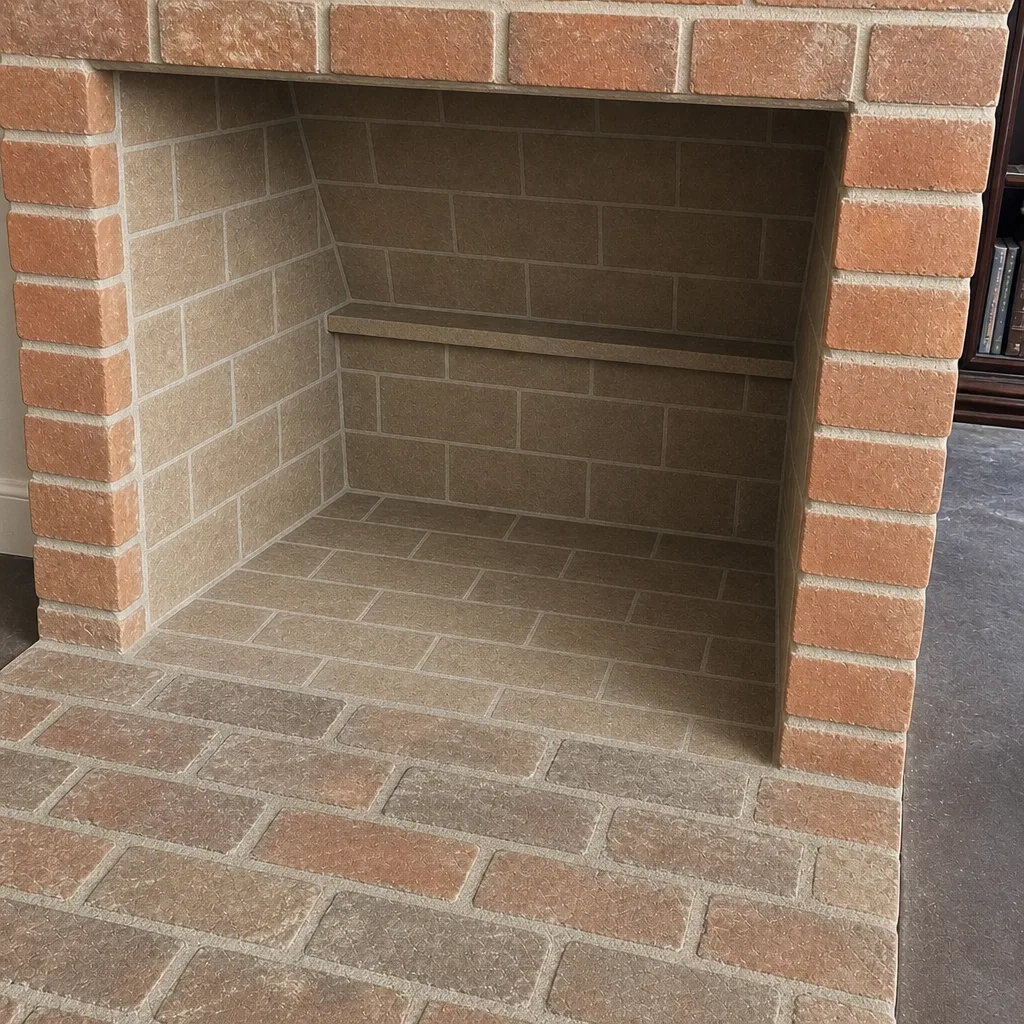
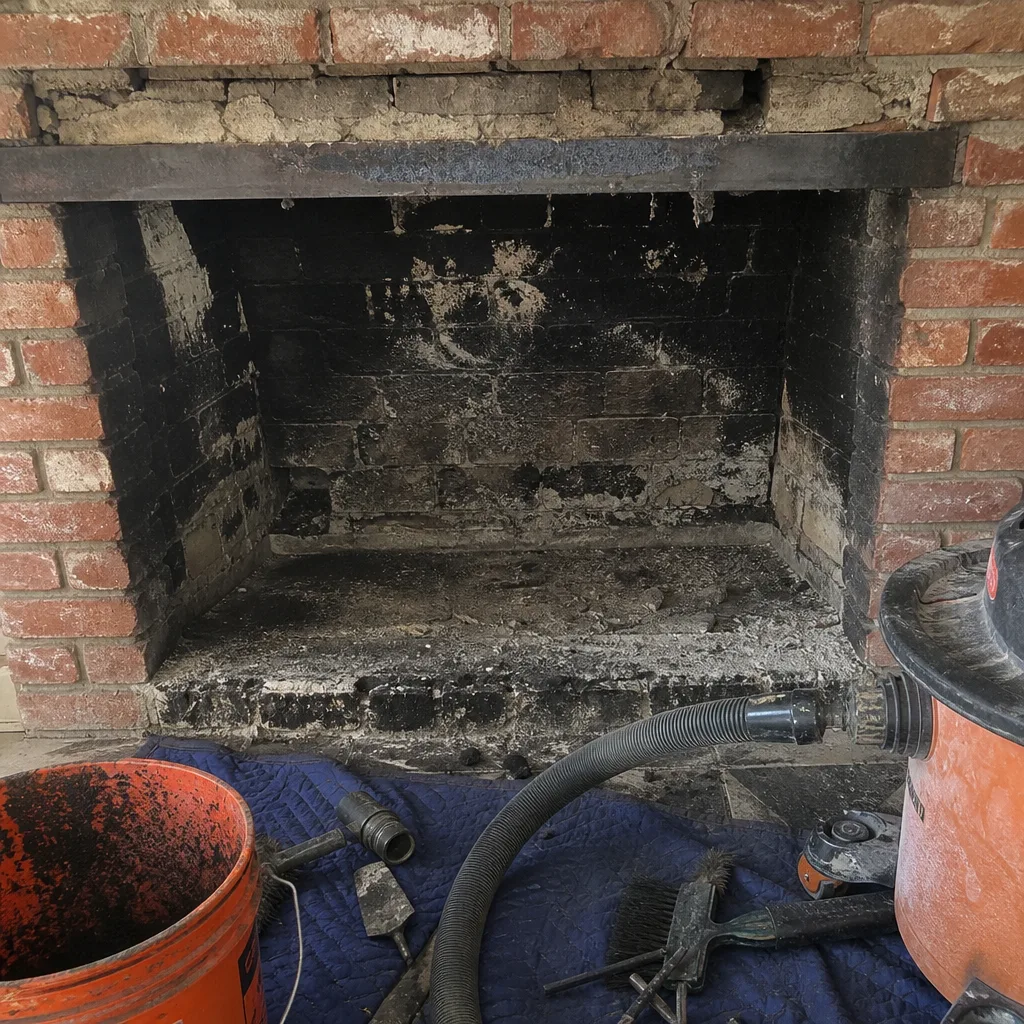
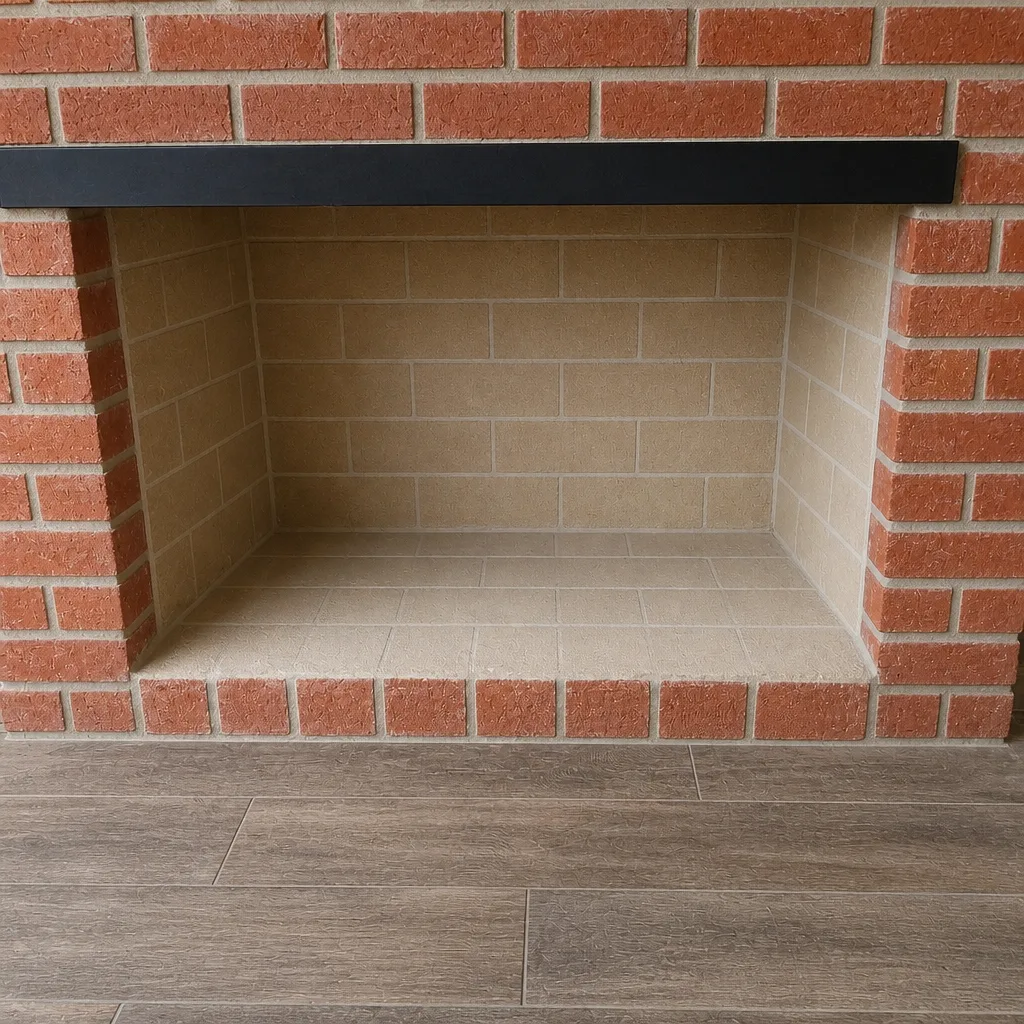
See the difference
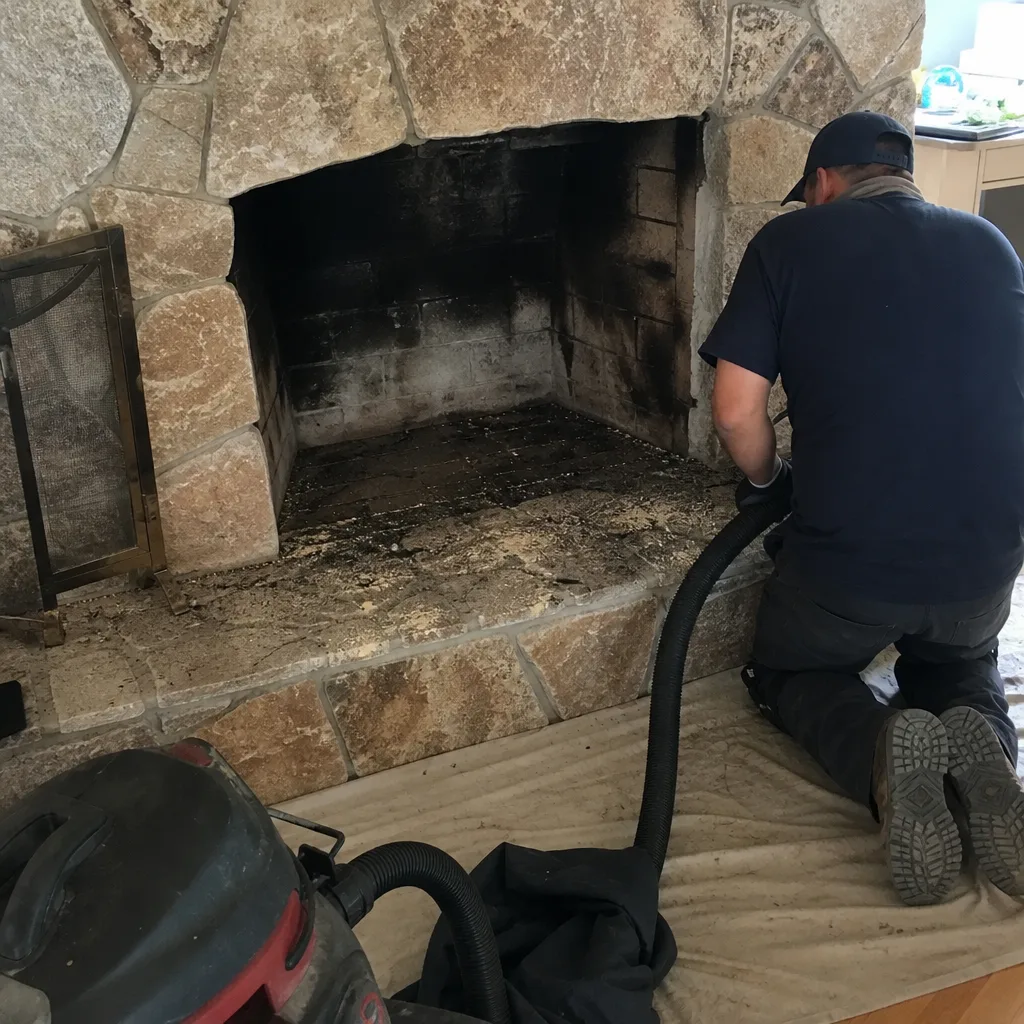 Before
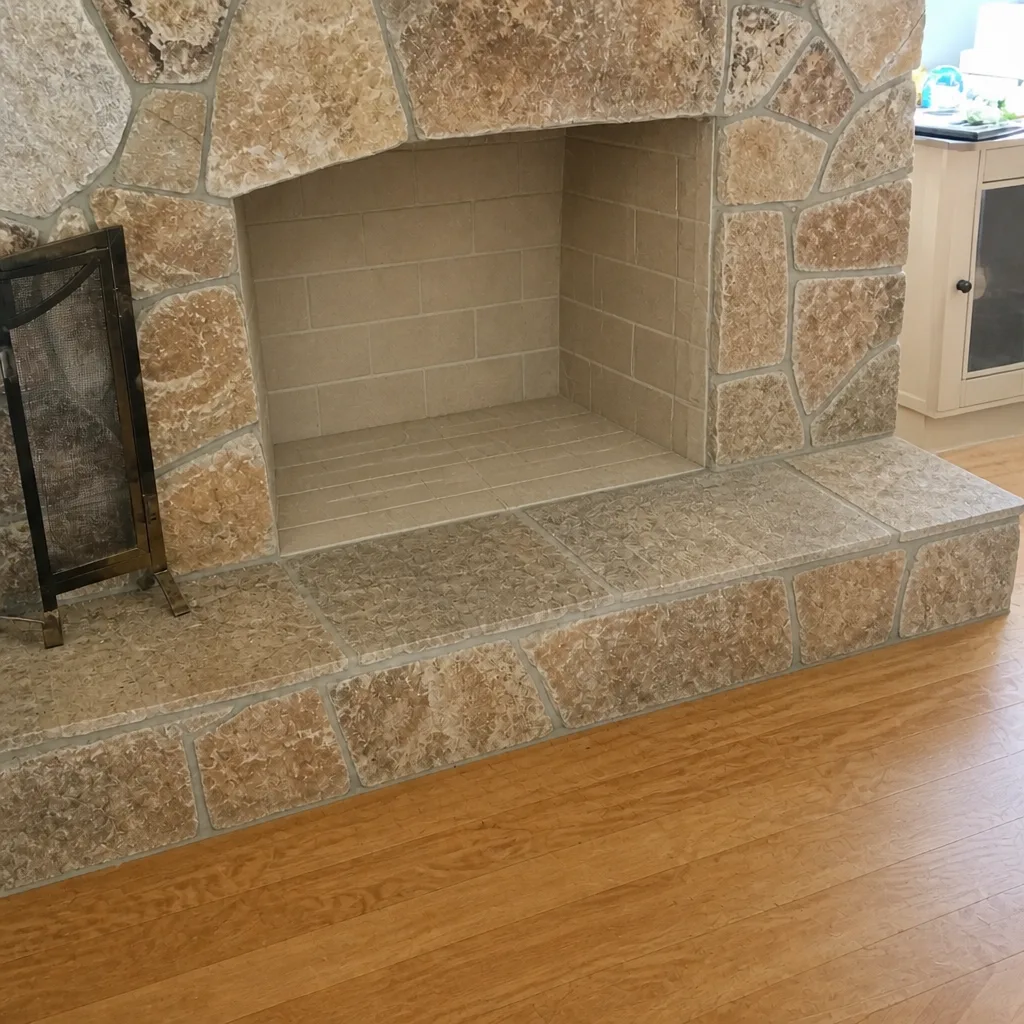 After
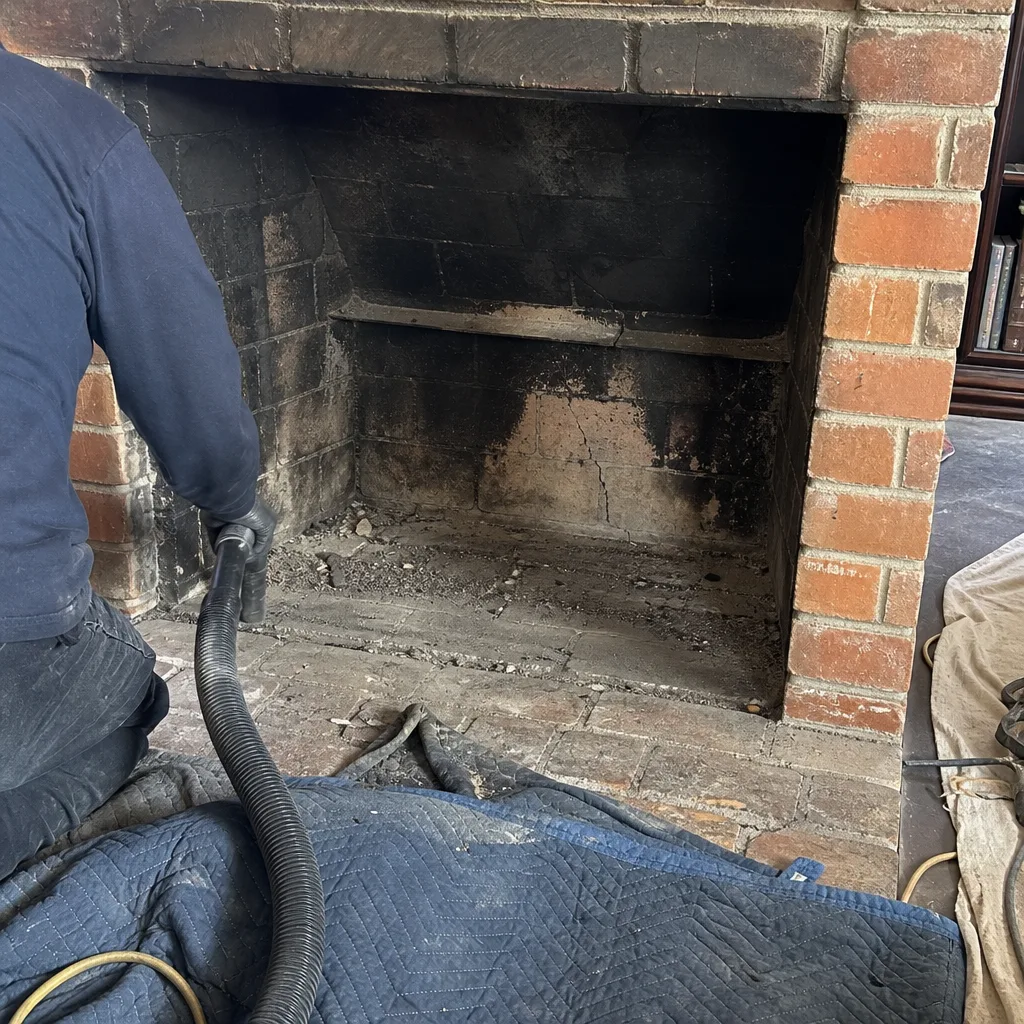 Before
 After
 Before
 After