
Last updated November 4, 2026
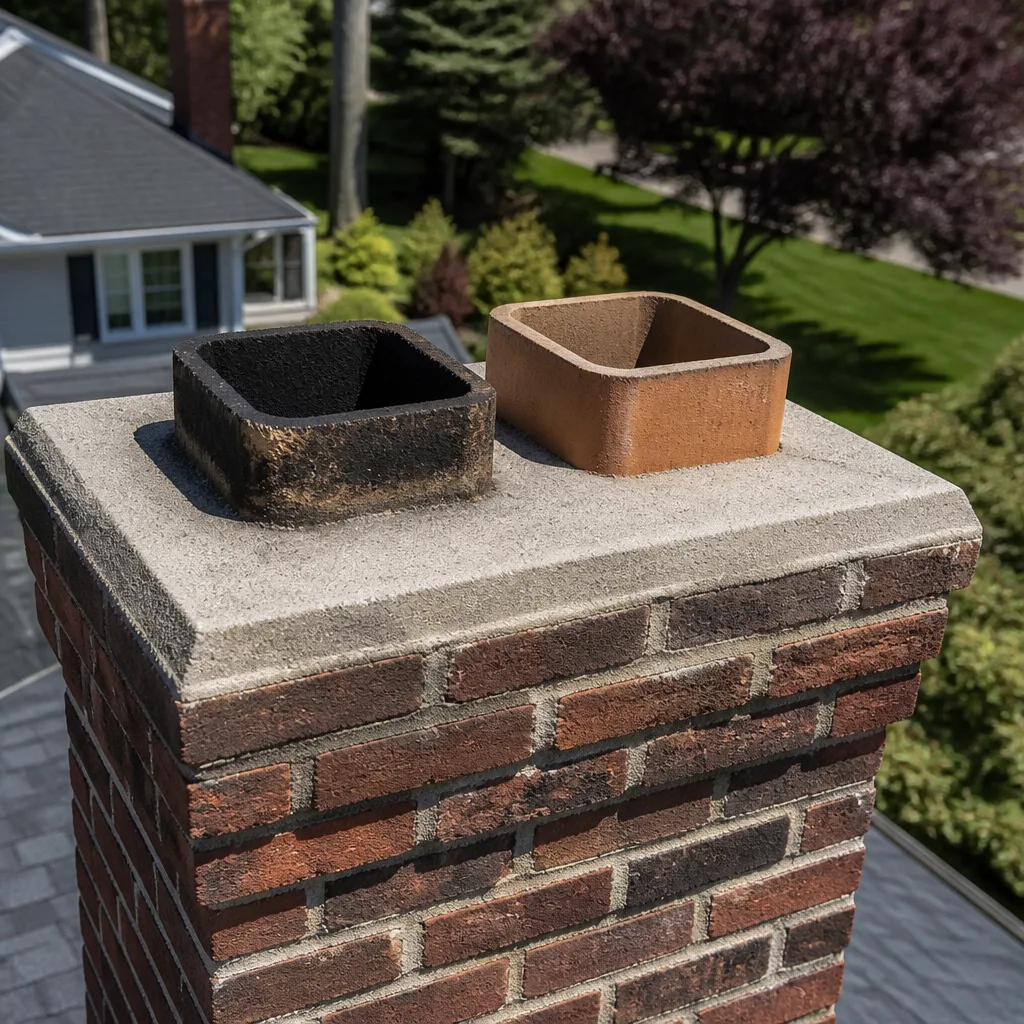 Sweep & inspection
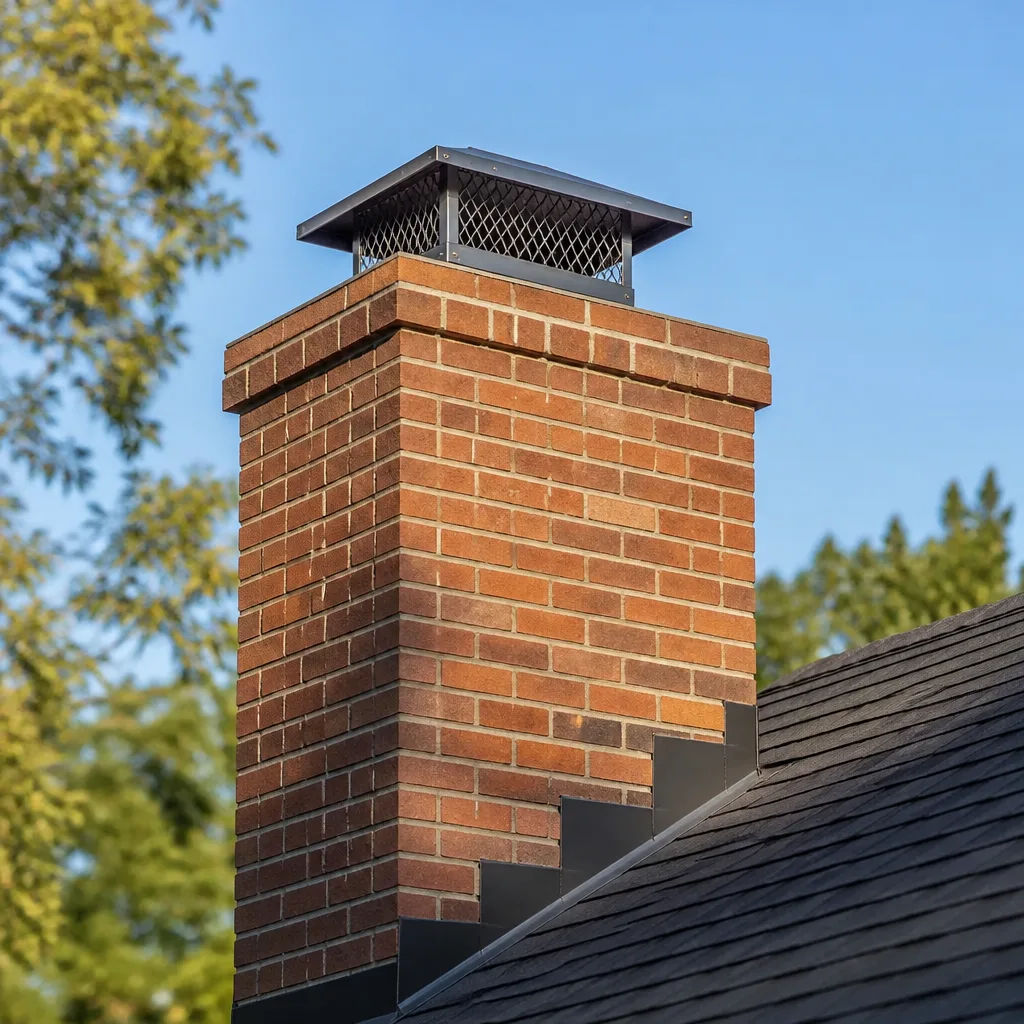 Caps & crowns
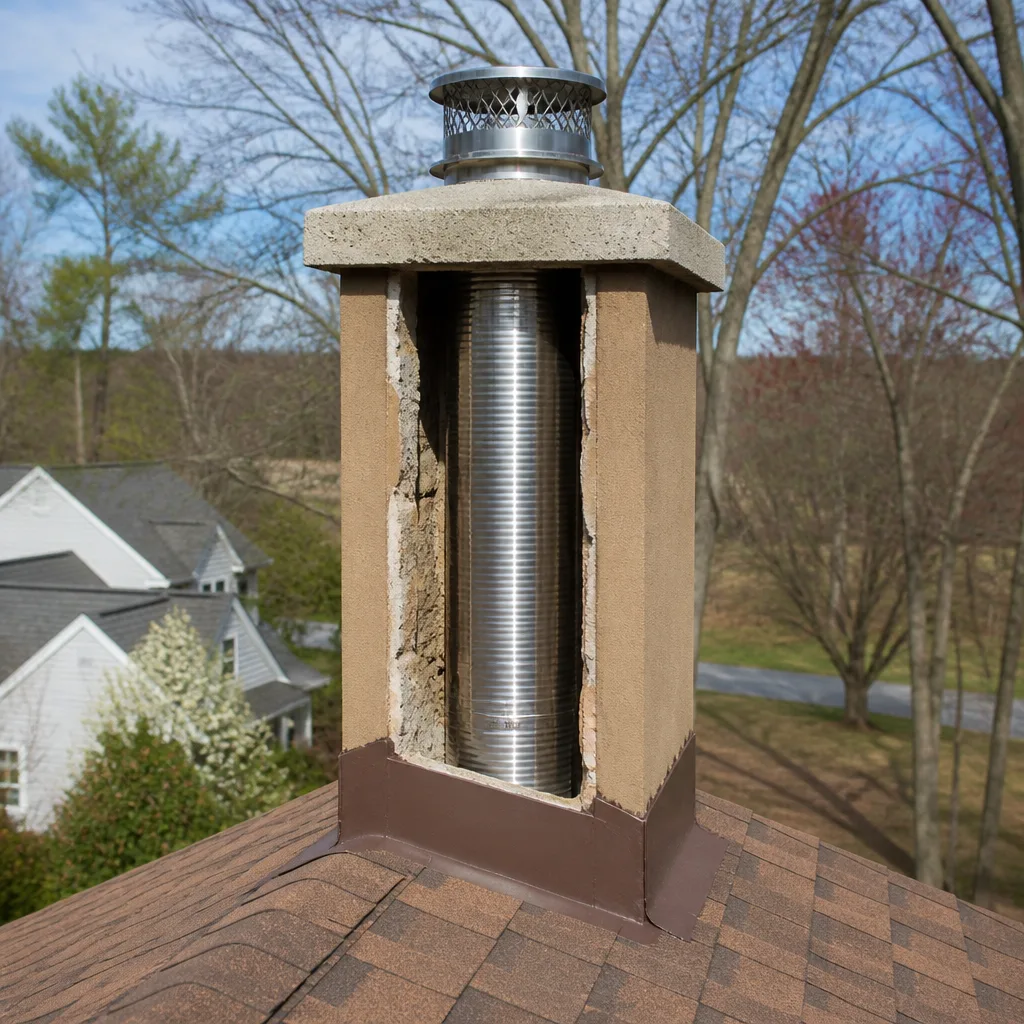 Flue relining
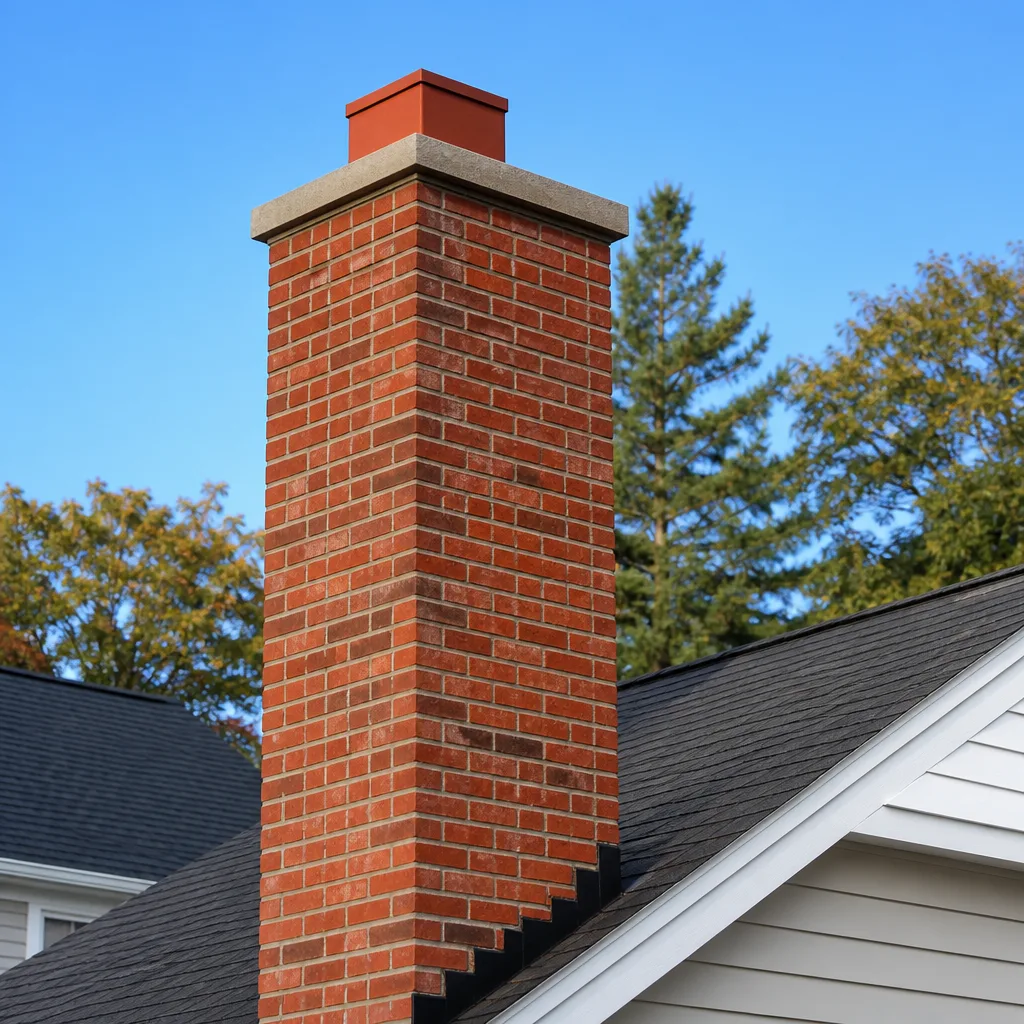 Masonry repair
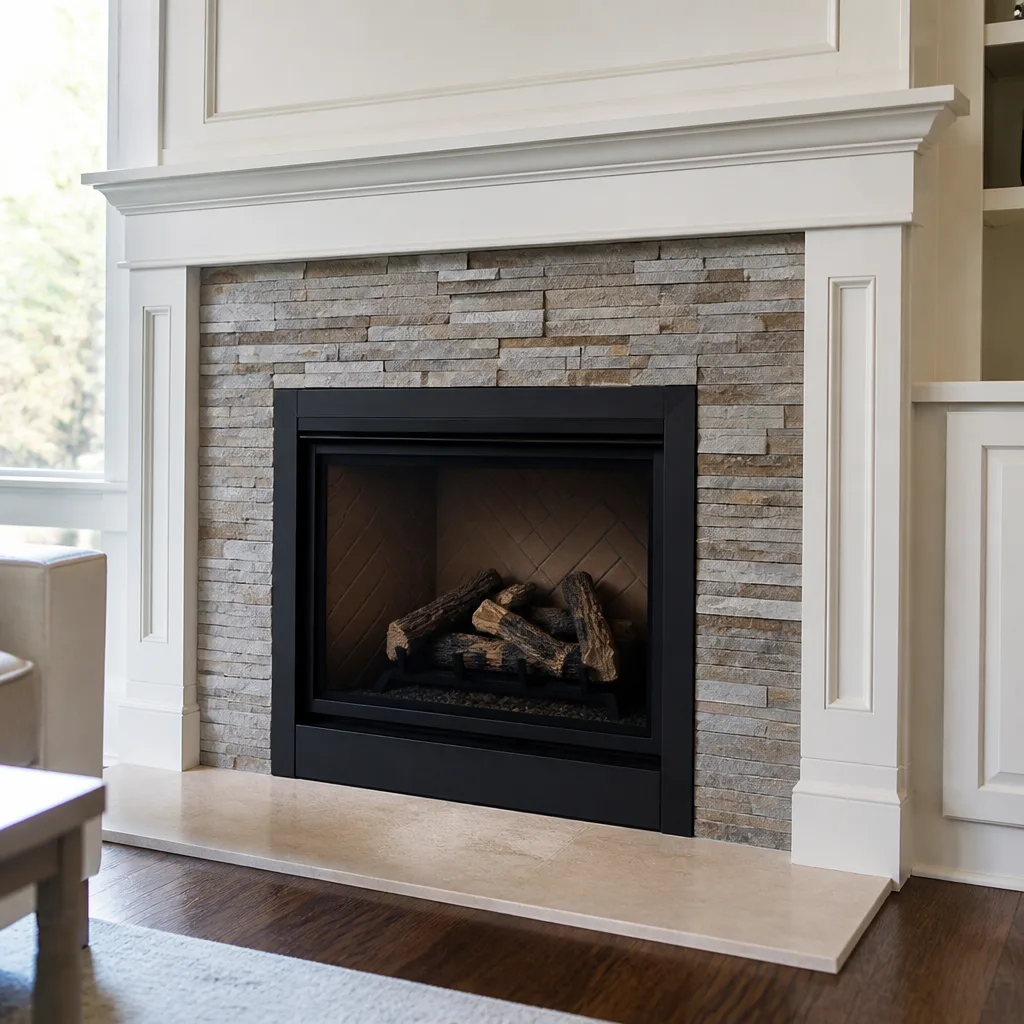 Gas fireplace service
Level 1 sweep and inspection to the NFPA 211 annual standard - flue, crown, cap, and flashing checked and photographed
Chimney sweep logs do not sweep chimneys. They loosen some creosote - which then falls where a brush and vacuum still have to collect it.
Chimney Sweep Maintenance Schedule: What to Do and When
Most chimney maintenance advice you’ll find online was written for houses in Connecticut or Ohio, where a fireplace burns five months straight and the flue accumulates creosote at a predictable rate. Simi Valley homeowners face a different reality. We burn 15 to 30 fires a season, often on chilly December evenings and not again for weeks. That intermittent use pattern creates its own set of inspection triggers, and a maintenance calendar built around “once a year, every year” doesn’t actually match how our fireplaces get used. This guide lays out a task-by-task schedule for Southern California chimney care, including what you can check yourself, what requires professional equipment, and when repairs can safely wait.
Quick Answer
In Simi Valley, schedule a professional chimney sweep every 30 to 50 fires, or roughly every one to two years for most homeowners. Run a pre-season inspection each October, a mid-season check after heavy use, a post-season close-out in spring, and a summer inspection for wildlife and moisture. Gas log inserts need a different schedule entirely, usually every two to three years, while wood-burning systems need more frequent attention based on actual burn counts rather than calendar months.
Styles & brands we work with
- Sweep & inspection
- Caps & crowns
- Flue relining
- Masonry repair
- Gas fireplace service
Table of Contents
- Why the Calendar-Based Schedule Doesn’t Work Here
- Pre-Season Prep: October Through November
- Mid-Season Check: December Through February
- Post-Season Close-Out: March Through April
- Summer Inspection: May Through September
- Gas Log Inserts vs. Wood-Burning Fireplaces
- What You Can Self-Inspect Between Professional Visits
- Documentation: What to Keep and Why It Matters
Why the Calendar-Based Schedule Doesn’t Work Here
The “sweep every year” rule assumes a fireplace that burns three to four cords of wood each winter. Most Simi Valley homes burn a fraction of that. A homeowner who lights 20 fires between December and February simply doesn’t accumulate the same creosote volume as someone in Vermont burning 80 fires the same season. That doesn’t mean you can ignore your chimney, but it does mean your maintenance triggers should match your actual usage.
We tell our customers in Simi Valley to track fires, not just months. Thirty fires is the point where a professional chimney sweep becomes a good idea, even if the chimney looks fine from the outside. Fifty fires is a hard threshold where you should schedule service regardless of what you see. Wood type matters too. Burning soft woods like pine, which is common here in bundles from the local hardware store, produces more creosote per fire than seasoned oak or almond. If you burn pine regularly, knock those thresholds down to 20 and 35 fires.
The other reason calendar advice fails here is our weather. Without sustained freezing temperatures, moisture-related masonry damage develops more slowly than in harsher climates. But our dry summers create different problems, especially with wildlife. Birds, squirrels, and rats look for nesting spots in chimneys during May and June, and a nest built in June can block a flue entirely by October. A sweep schedule built for Simi Valley has to account for that seasonal wildlife cycle, which national guides never mention.
Pre-Season Prep: October Through November
October is the month to get your fireplace ready for the burn season, even if the weather still feels warm. By late October, nighttime temperatures in Simi Valley drop enough that fireplace use starts picking up, and you want the system ready before the first real cold snap.
Here’s the pre-season sequence we recommend:
- Schedule your professional inspection and sweep. If you burned more than 30 fires last season or haven’t had a sweep in two years, book it now. If you’re under that threshold, you can stretch to every other year, which is common in Simi Valley.
- Check the damper operation. Open and close the damper fully. It should move freely and seat firmly. A damper that doesn’t close completely lets furnace air escape up the chimney all winter, and one that doesn’t open fully restricts your draft.
- Look up the flue with a flashlight. You won’t see much, but a thick, shiny black coating is a red flag that warrants a professional look. Creosote buildup is the primary fire risk in wood-burning chimneys.
- Check the chimney cap from the ground. Use binoculars if you have them. A missing or damaged cap is an open invitation for rain, birds, and rodents. Caps also serve as spark arrestors, which is a code requirement in most Southern California jurisdictions.
- Clear the hearth area. Remove anything flammable from within three feet of the fireplace opening. Rugs, firewood stacks, and decor all count as fuel in the event of an ember escape.
- Test run the fireplace on a mild day. Light a small fire before you actually need the heat. Watch for smoke backing into the room, odd smells, or poor draft. These are signs the flue needs attention before heavy use begins.
One thing to know about pre-season prep in Simi Valley: October is also when our first Santa Ana wind events typically arrive. Strong winds create negative pressure conditions that can pull smoke into your living room even through a clean chimney. If you notice drafting problems on windy days specifically, that’s usually a cap or height issue, not a creosote problem.
Mid-Season Check: December Through February
By December, fireplaces in Simi Valley are getting regular use, especially in the evenings. This is the period when problems that were latent in October start showing up, and it’s also when you’re most likely to notice them because you’re actually using the fireplace.
The mid-season check is mostly observational. You’re watching and listening for changes rather than performing maintenance tasks. Things that warrant attention during this window:
- Smoke entering the room. Any smoke backup, even occasional, means something in the draft path has changed. It could be creosote buildup, a partial blockage, or a flue that’s suddenly undersized for the conditions. Don’t ignore it.
- Visible soot falling into the firebox. Some soot flaking is normal, but if you’re seeing chunks or a steady rain of black material, the creosote layer has gotten thick enough to spall off. That’s a sweep trigger.
- A smell you notice even when the fireplace is cold. Creosote has a sharp, acrid smell that intensifies when humidity rises, which happens during our winter rain events. If you smell fireplace inside your home on days when you haven’t burned, the creosote layer is substantial.
- Animal sounds. Scratching, fluttering, or chirping from the chimney area means something has gotten in. In Simi Valley, roof rats and chimney swifts are the usual suspects in winter. A professional can remove the animal and assess what damage it caused.
- Rain intrusion. Our winter rains, while infrequent, can be intense. If you see water staining around the ceiling near the chimney or hear dripping during a storm, there’s a leak path that needs repair before it causes structural damage.
For most Simi Valley homeowners, the mid-season period doesn’t require a professional visit unless one of those warning signs appears. The exception is if you’re burning heavily, meaning more than two fires per week. In that case, a mid-season professional check is worth the cost, because heavy use compresses the creosote accumulation timeline significantly.
Post-Season Close-Out: March Through April
By March, fireplaces in Simi Valley see a steep drop in use. The evenings start warming up, and by April most homeowners are done burning until fall. This is the right time for a close-out procedure that protects the system through the warm months.
Post-season tasks we recommend:
- Schedule a sweep if you’re due. Many homeowners prefer a spring sweep over a fall one because it means the chimney sits clean all summer, and creosote absorbs moisture from the air during spring and summer, which actually makes it more corrosive and harder to remove later. A spring sweep removes the creosote before it has a chance to sit through the humid months.
- Close the damper firmly. An open damper all summer is a pathway for conditioned air to escape and for hot outside air to enter. It also lets birds and insects into the flue. Make sure it seats completely.
- Consider a chimney cap if you don’t have one. If your cap was missing or damaged during the winter, spring is the time to replace it. The wildlife pressure starts in April and May, and an uncapped flue is an open nesting cavity.
- Clean out the firebox. Remove ash and debris. Ash left in place all summer can interact with ambient moisture and become slightly acidic, which isn’t great for metal firebox components. A clean firebox also means fewer insect issues.
- Note any repairs needed. If the sweep technician mentioned anything during the season, like a deteriorating flue liner or cracked masonry, spring is a good time to address it. Summer is easier for scheduling, and you won’t be competing with the October rush.
One thing specific to our climate: spring is when the coastal marine layer pushes inland and we get morning overcast. That means higher relative humidity, which creosote absorbs readily. A layer of creosote that sat dry in the flue all winter starts taking on moisture in March and April, becoming stickier and more corrosive. Sweeping in spring, rather than waiting until October, avoids giving that creosote a full six months to bake into the flue surface.
Summer Inspection: May Through September
Most people never think about their chimney during the summer, and that’s exactly when the most avoidable problems develop. Our dry, warm summers in Simi Valley create ideal nesting conditions, and the months from May through September are peak season for unwanted chimney occupants.
What you’re checking for in summer:
- Wildlife entry. Listen for animal sounds and watch for birds flying in and out of the chimney area. Raccoons are less common here than in other parts of the country, but roof rats, squirrels, and chimney swifts are very active. A nest can completely block a flue by the time fall arrives.
- Moisture staining on interior walls near the chimney. Our summer is dry, but we do occasionally get monsoon moisture pushing up from the south in August. If you see new staining, there’s a leak path that opened during winter rains and is still allowing moisture in.
- Deteriorating mortar joints. Summer is the easiest time to inspect your exterior masonry because there’s no rain, no overcast, and long daylight hours. Look for crumbling mortar, cracked bricks, or a chimney that’s starting to lean slightly. Masonry issues develop slowly here but do progress.
- Unusual odors from the firebox. A musty smell in summer often indicates animal waste or nesting material. An acrid smell is creosote off-gassing in warm weather. Neither should be ignored.
Summer is also the most convenient time for repairs and non-urgent maintenance. Our team does significant chimney repair work in the summer months because it’s easier to schedule, the weather cooperates, and homeowners aren’t dealing with the seasonal rush. If you know going into summer that your flue liner needs attention or your crown is cracked, getting it done in July or August means your system is fully ready when October arrives.
For dryer vents, which many homeowners neglect entirely, summer is also a good check window. Lint accumulation happens year-round, but the static-dry air of summer makes lint more prone to ignition. A dryer vent cleaning in summer resolves that risk before the holiday laundry season starts, when dryers run hardest.
Gas Log Inserts vs. Wood-Burning Fireplaces
A significant number of Simi Valley homes have converted from wood-burning fireplaces to gas log inserts, and the maintenance requirements are genuinely different. Many homeowners assume a gas insert needs no maintenance at all, which isn’t accurate, but the schedule is more forgiving than with wood.
Gas logs produce no creosote, so the primary wood-burning sweep trigger doesn’t apply. What gas systems do produce is a fine white residue on the logs and burner components, plus condensation that can corrode metal parts over time. The main risks with gas inserts are carbon monoxide accumulation from improper venting and blocked exhaust paths from debris or nesting animals.
Here’s what a gas insert maintenance calendar looks like:
- Annual visual check. Every fall, inspect the logs for excessive sooting, check that the pilot light burns steady and blue, and make sure the exhaust path is clear. You can do this yourself in 10 minutes.
- Professional inspection every two to three years. A technician should verify the venting system, test for carbon monoxide at multiple points, and clean the burner and logs. This is roughly half the frequency of wood-burning maintenance.
- Immediate attention for sooting or odd smells. Black soot on gas logs or a gas smell means incomplete combustion or a venting issue. Stop using the unit and call a professional. Gas systems don’t produce black soot when working correctly.
- Chimney cap maintenance still applies. Gas inserts vent through the existing chimney in most installations, and a missing cap means the same wildlife and moisture issues apply. The cap requirement doesn’t go away with gas conversion.
The most common gas insert failure we encounter in Simi Valley is a blocked exhaust path from a bird nest that built during the summer while the unit wasn’t in use. A spring or early fall cap inspection prevents this almost entirely.
What You Can Self-Inspect Between Professional Visits
Between professional sweeps, there are several things a homeowner can check without specialized equipment. The key is knowing what you can reliably assess and what you cannot. You can spot visible damage, but you can’t see the inside of the flue, which is where the problems that matter most actually develop.
A reasonable self-inspection routine, done quarterly, takes about 15 minutes:
- Check the damper. Operate it fully open and fully closed. Look for smooth travel and a firm seat. A damper that’s stuck partially open is a year-round energy leak and a winter smoke risk.
- Inspect the firebox for cracks. Look at the back and side walls of the firebox. Hairline cracks in refractory panels are common and usually not urgent, but cracks that are widening or panels that are flaking away should get professional attention before heavy use.
- Examine the cap from the ground. You’re looking for obvious damage, missing sections, or visible debris. Don’t climb onto your roof to inspect. The risk isn’t worth the marginal information gain, and roof damage from foot traffic is a real concern on our tile roofs.
- Look for efflorescence. Efflorescence is the white, powdery mineral deposit that appears on masonry when water moves through it. In Simi Valley’s dry climate, new efflorescence after a rain event indicates water is finding its way into your chimney structure. Older, stable efflorescence is less concerning, but new deposits warrant a professional assessment.
- Check for visible smoke staining. Look at the wall area above the fireplace opening. New staining means smoke is spilling into the room rather than drafting up the flue, which has multiple possible causes, all of which require professional diagnosis.
- Listen for animals. This one’s passive. If you hear scratching or fluttering from the chimney area at dawn or dusk, something is in there. Summer is the high-risk season locally.
What you cannot do without professional equipment: assess creosote thickness, identify flue liner cracks, verify the structural integrity of the crown, or confirm that the flue is properly sized for the appliance. These require cameras, drop lights, and trained eyes. A Chimney Sweep Simi Valley technician brings all of those to every inspection.
Documentation: What to Keep and Why It Matters
Chimney maintenance records are one of those things that seem unnecessary right up until the moment they’re needed. In Ventura County’s real estate market, a documented maintenance history can be the difference between a smooth sale and a repair negotiation that costs thousands.
What to keep:
- Every sweep receipt and invoice. Include the date, what was found, and what was done. If the technician noted a minor issue that didn’t require immediate repair, that note becomes relevant later when it does need attention.
- Repair documentation. If you’ve had a flue liner installed, masonry repointed, or a cap replaced, keep the paperwork. For liner work specifically, the product brand matters. A liner made from professional-grade materials like DuraFlex or HeatShield products is a selling point if you can document it.
- Before-and-after photos. If a technician showed you camera footage of your flue, ask for copies. Visual documentation is persuasive to buyers and useful for insurance purposes.
- Insurance-related documentation. If you ever file a claim involving chimney damage, your maintenance records establish that you weren’t negligent. An insurer is far more likely to cover a chimney fire claim if you can show regular professional service.
For home resale, a clean maintenance history signals to buyers that the chimney system, which most buyers know nothing about, hasn’t been neglected. We hear from homeowners regularly who are selling and need a pre-sale chimney inspection. A documented history makes that inspection smooth and gives the seller negotiating leverage if questions come up.
Common Mistakes to Avoid
- Treating “annual sweep” as a hard rule without considering actual usage. A Simi Valley homeowner who burns 12 fires a season doesn’t need an annual sweep, but they do need a professional inspection every fall to catch wildlife and moisture issues. Skipping the seasonal check entirely because “we barely use it” is how blocked flues go undetected until the first fire of winter.
- Closing the damper too tightly after every use. Many homeowners close the damper the moment the fire dies down, which traps residual moisture and gases. Let the fire fully extinguish and the embers cool completely before closing. A damper closed too early accelerates creosote corrosion.
- Ignoring gas insert maintenance entirely. Gas logs may not need sweeping, but they need inspection. Carbon monoxide risks in gas systems are real, and the venting path through the existing chimney is still subject to wildlife blockage and cap failure.
- Waiting until October to schedule a sweep. October is when every chimney service in Southern California runs at capacity. You’ll wait longer, possibly weeks. Spring and summer sweeps are faster to schedule, and the chimney sits clean through the wildlife-heavy months.
- DIYing a flue inspection with a phone camera taped to a pole. You’ll see the first three feet of flue and nothing beyond. The problems that matter, creosote accumulation in the upper flue, liner cracks mid-span, crown degradation, all require professional camera equipment that can reach the full length of the flue.
- Treating chimney maintenance and dryer vent maintenance as separate problems. Both are fire-risk systems in your home that share a common failure mode: combustible buildup in a confined exhaust path. Addressing both through a single provider is simpler, and the scheduling logic is identical, inspect before heavy use, clean based on actual accumulation.
- Neglecting the cap. The chimney cap is the cheapest component that prevents the most expensive problems. A missing cap leads to wildlife intrusion, rain damage, and accelerated masonry deterioration. In Simi Valley’s wildlife-rich environment, going a single spring without a cap is enough to get a nest built in your flue.
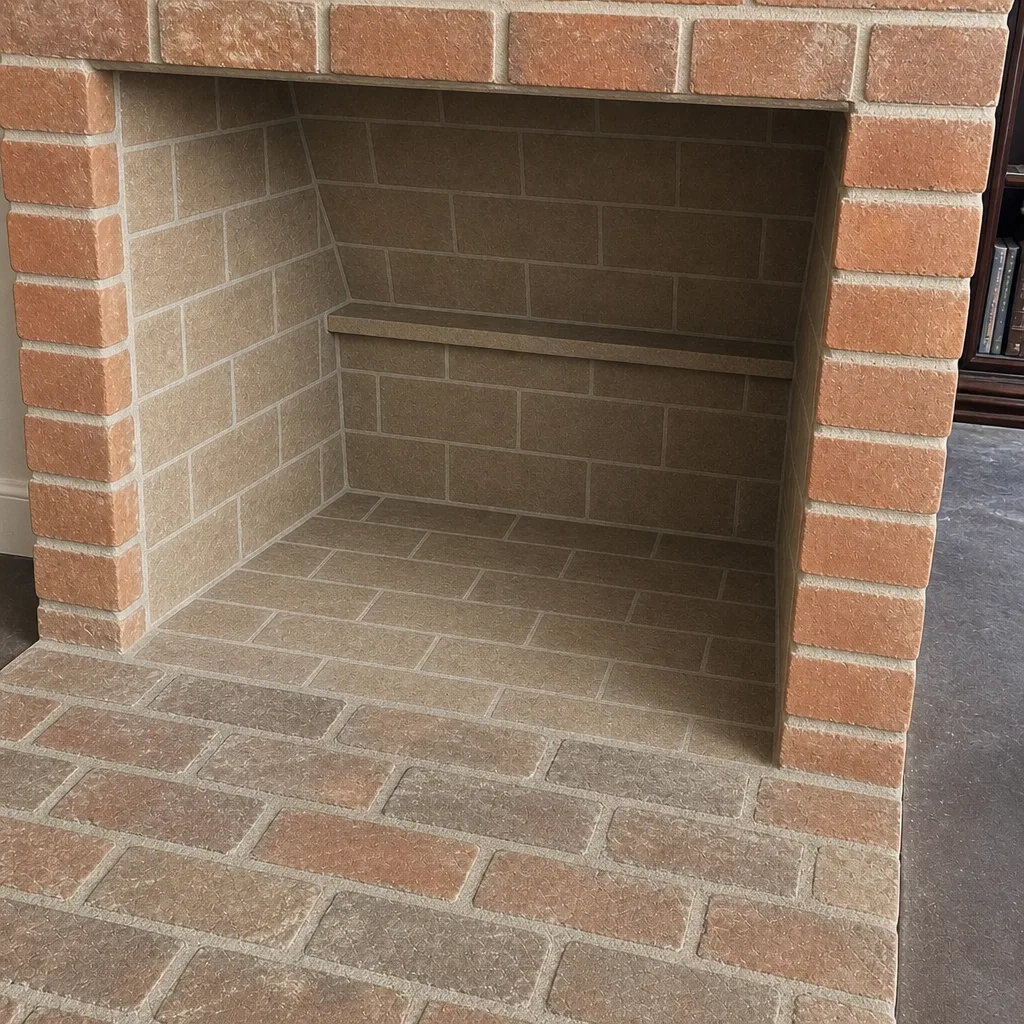
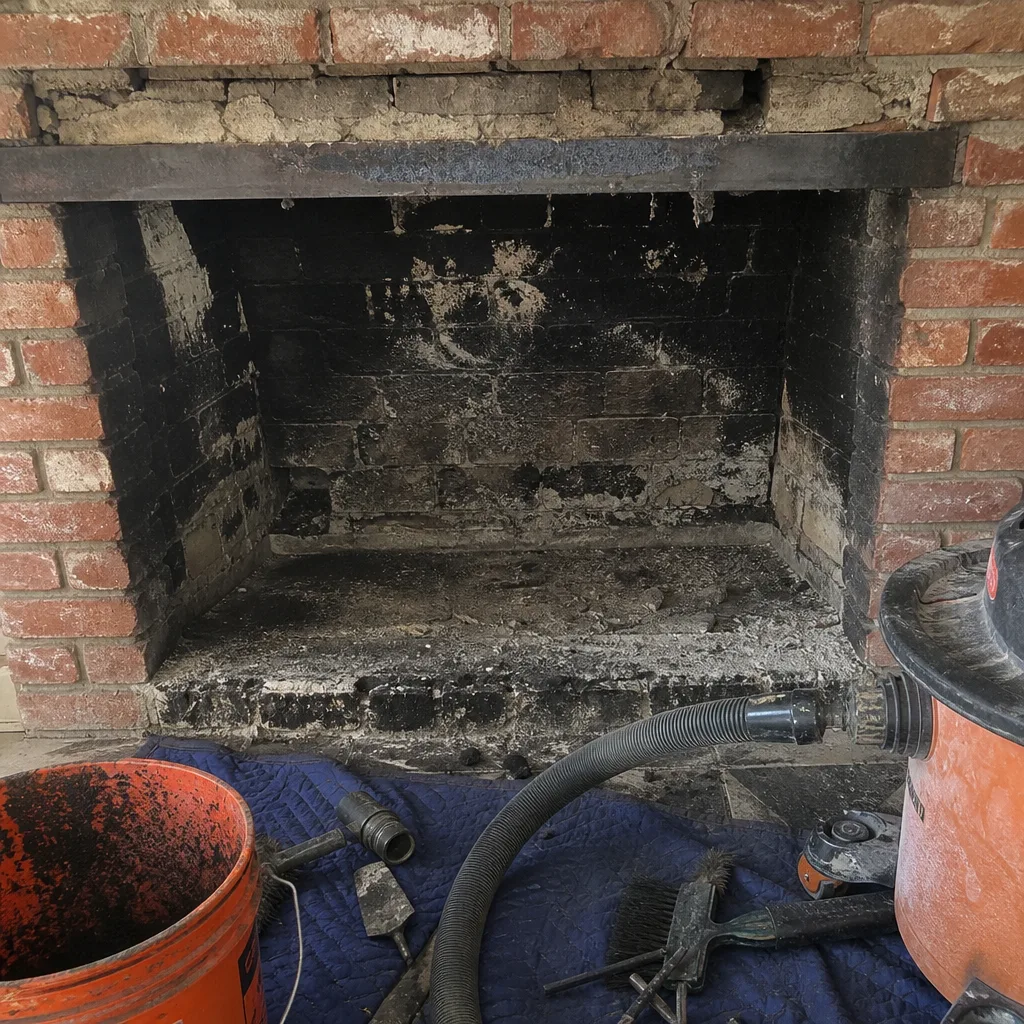
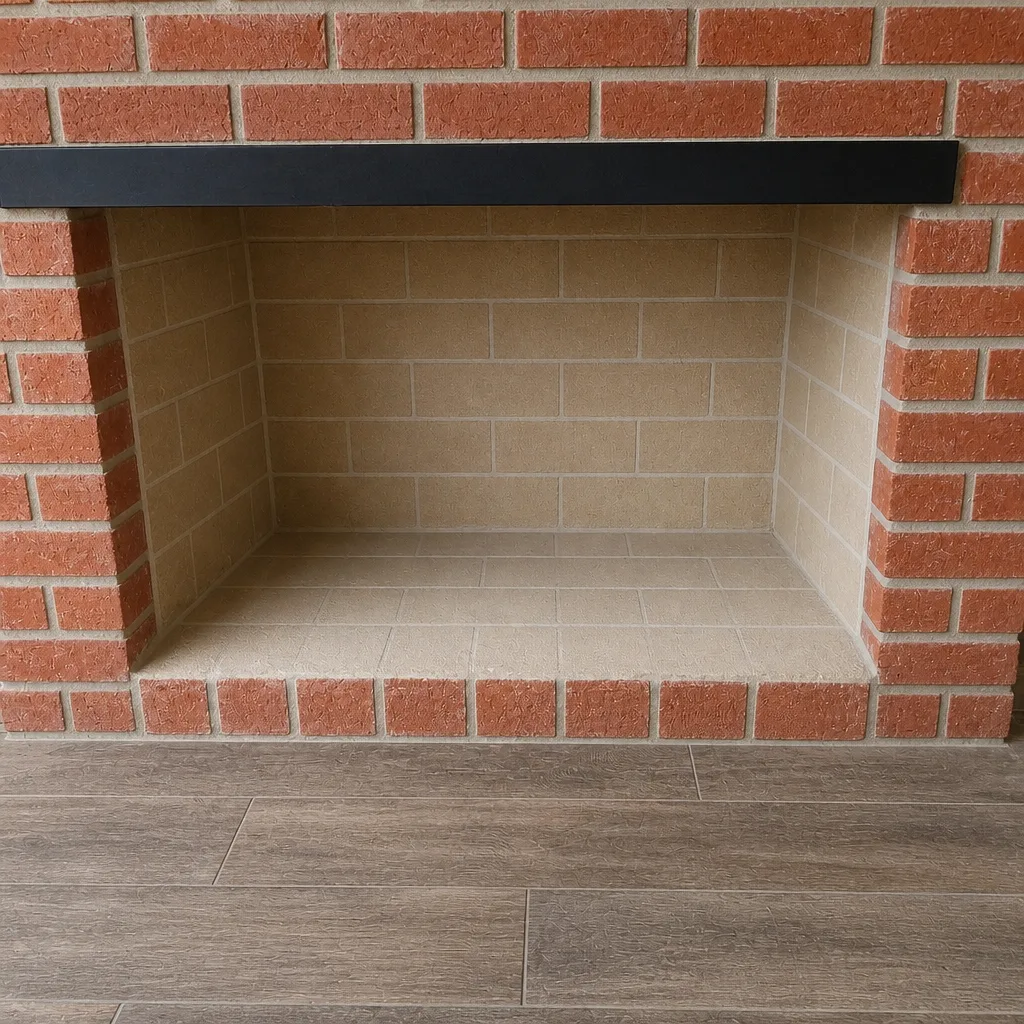
See the difference
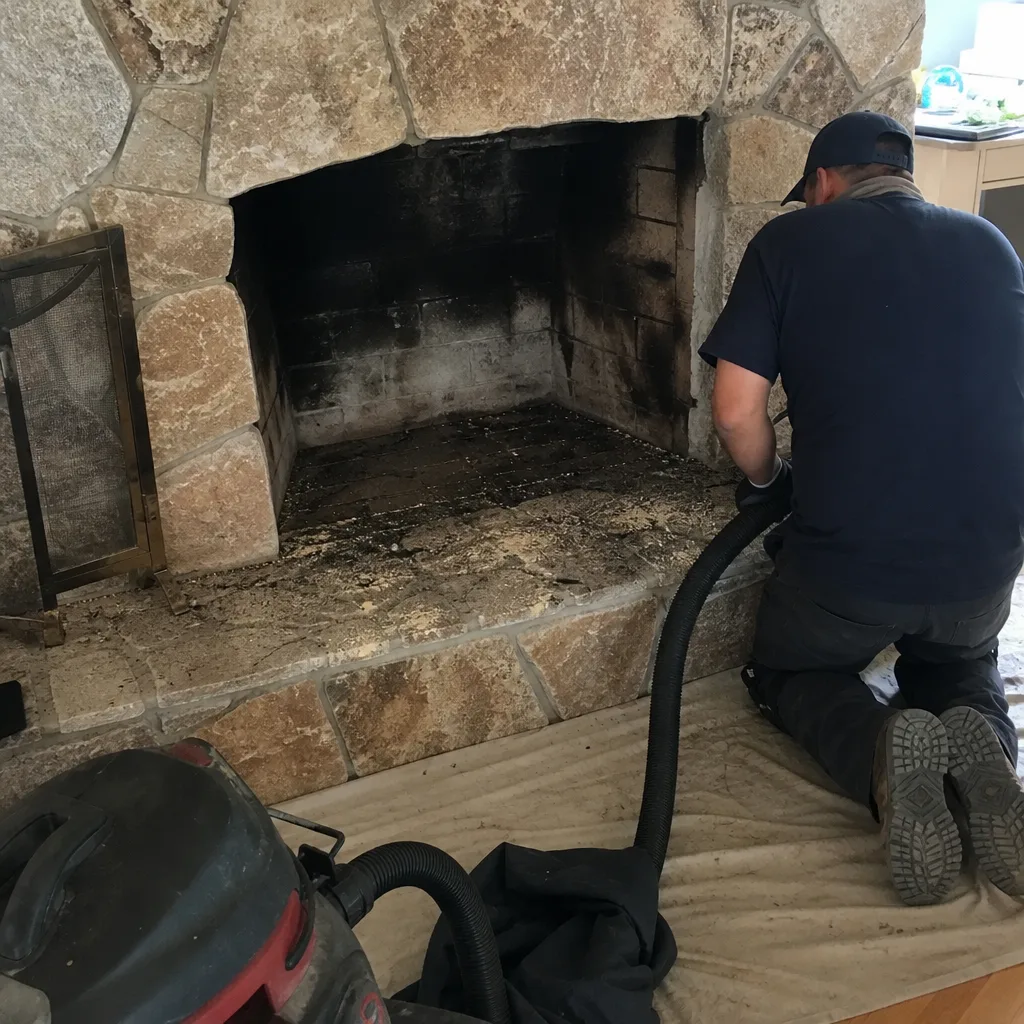 Before
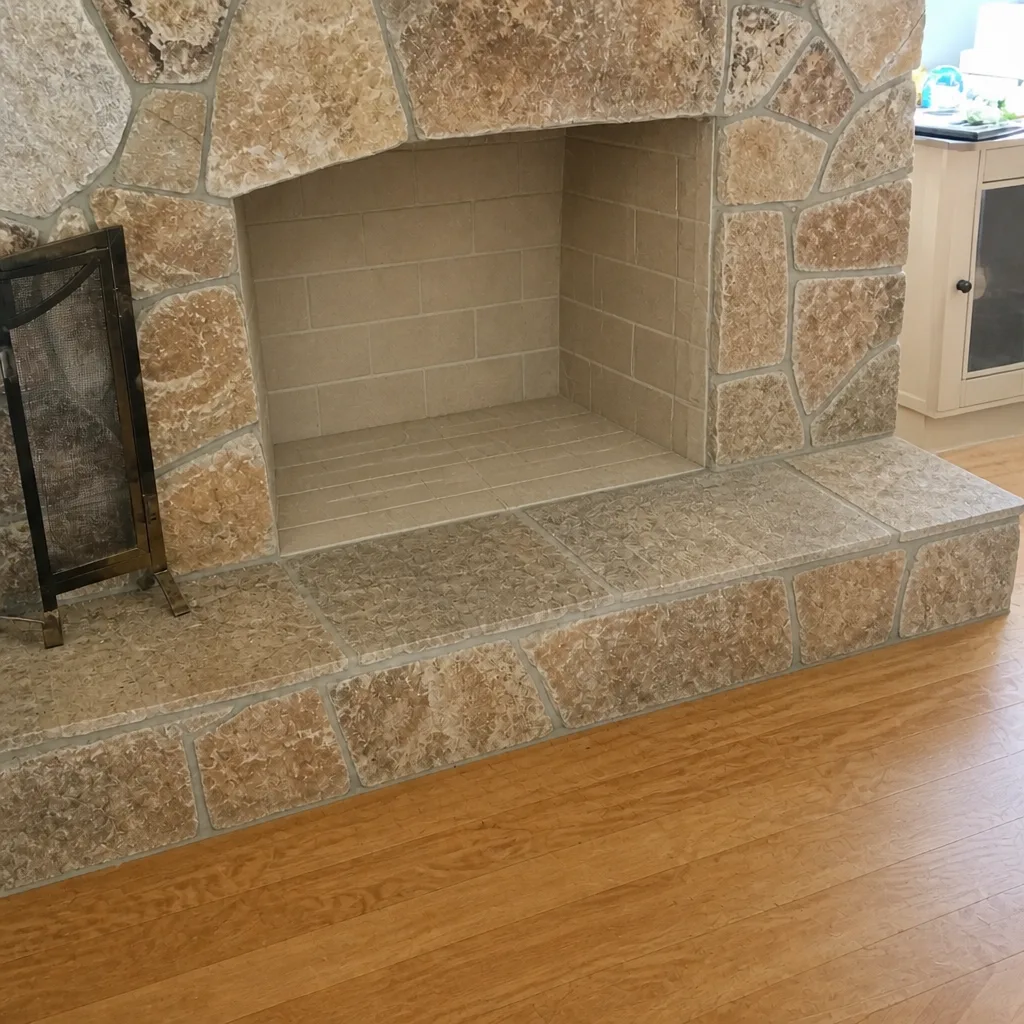 After
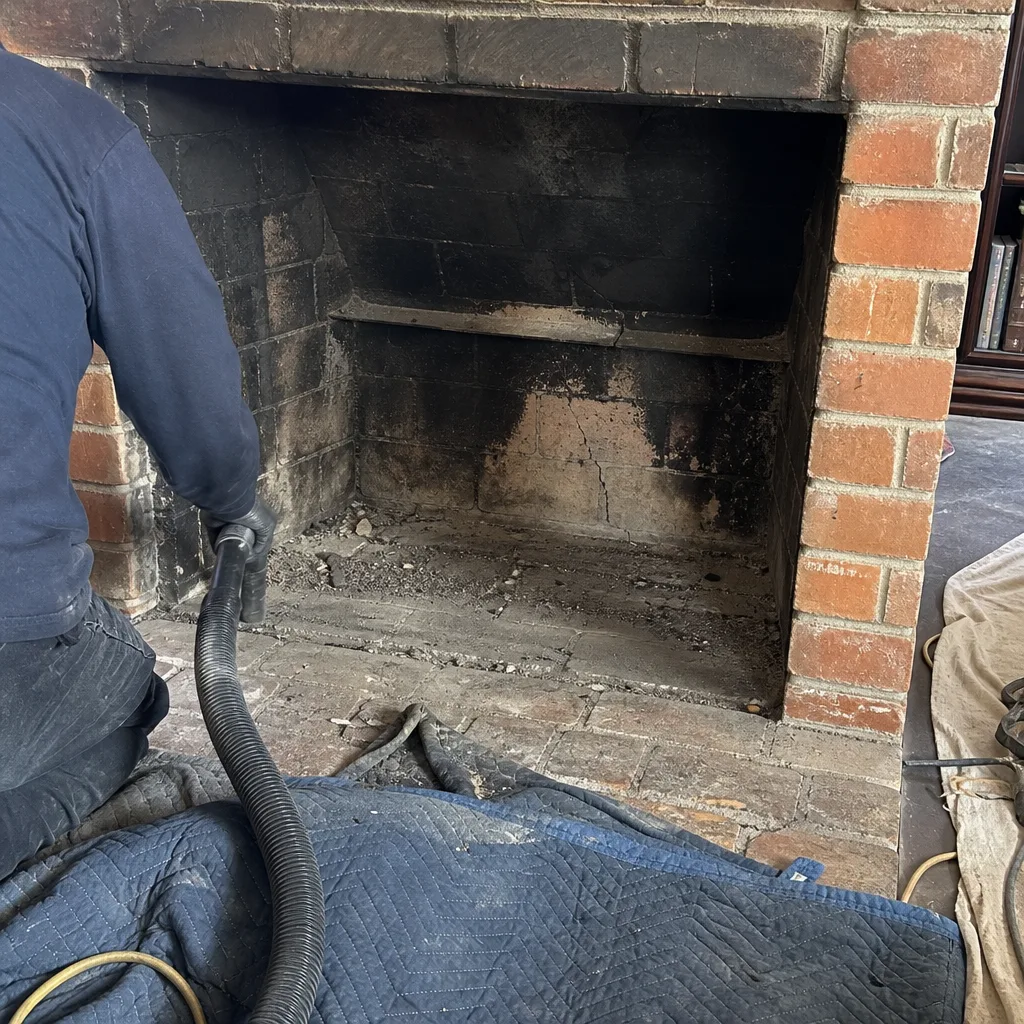 Before
 After
 Before
 After
When to Call a Professional
Some chimney issues can wait for your next scheduled maintenance, and some need attention before the next fire. Call a professional if you see smoke backing into the room, if you notice a strong creosote odor inside the house when the fireplace is cold, if you hear animals in the flue, if you see new water staining near the chimney after rain, or if your gas insert is producing black soot or a gas smell. Any of these means the system is not functioning safely, and the risk compounds with continued use. Chimney Sweep Simi Valley offers free estimates in Simi Valley, call (833) 593-4098. We answer 24/7. Fast dispatch from 7am to 7pm, Sunday through Friday.
Frequently Asked Questions
In Simi Valley, most homeowners should sweep every 30 to 50 fires, which works out to every one to two years for typical usage patterns. If you burn soft woods like pine, use a lower threshold around 20 to 35 fires. The actual trigger is creosote accumulation, not elapsed time, so tracking fires matters more than marking a calendar. Call (833) 593-4098 to schedule a sweep and get an exact assessment of your flue condition, estimates are free.
An annual sweep isn’t necessary for infrequent burners, but an annual inspection is still wise because wildlife and moisture issues develop regardless of how often you use the fireplace. A professional can inspect the full flue with a camera and tell you whether a sweep is actually needed this year or if you can safely wait. For most Simi Valley homeowners who burn 15 to 20 fires a season, a sweep every other year with an annual inspection is the right schedule.
If you skip maintenance for several years, creosote accumulates beyond safe levels, wildlife may build nests that block the flue, and small masonry or liner issues progress unnoticed. The most common outcomes we see after extended neglect in Simi Valley are smoke backing into the room, chimney fires in cases of heavy creosote, and costly liner replacement that could have been avoided with earlier intervention. A professional inspection after a long gap tells you exactly what you’re working with. Call (833) 593-4098 for a free estimate.
Yes, gas fireplaces and inserts need inspection and maintenance, though less frequently than wood-burning systems. Gas units don’t produce creosote, but they do require venting checks every two to three years to verify the exhaust path is clear and carbon monoxide isn’t accumulating. Wildlife blockage and cap failure affect gas-vented systems exactly as they affect wood-burning ones, since both vent through the existing chimney structure.
You can and should perform basic quarterly self-inspections, checking the damper operation, examining the firebox for cracks, looking for new efflorescence after rain, and listening for animal activity. What you cannot do from the ground or hearth is assess the condition of the upper flue, measure creosote thickness, or identify liner cracks. Those require professional camera equipment and trained interpretation. A professional chimney sweep provides that level of inspection as a standard part of service.
Regular maintenance documentation helps during resale because it demonstrates the chimney system wasn’t neglected, which gives buyers confidence and protects your negotiating position. In Ventura County’s market, a documented maintenance history with receipts for sweeps, inspections, and repairs is one less thing for a buyer’s inspector to flag, and it supports your asking price if chimney questions come up during escrow.
Dryer vent cleaning is a related fire-safety service, and many homeowners in Simi Valley address both through the same provider for convenience. Lint accumulates in dryer exhaust paths the same way creosote accumulates in flues, and both create a combustible buildup risk in a confined vent. The inspection logic is also the same: check before heavy use and clean based on actual accumulation. Dryer vent cleaning is a standard service we offer alongside chimney work.
The Bottom Line
Chimney maintenance in Simi Valley follows a seasonal rhythm tied to our mild climate and intermittent burn patterns, not the national advice written for harsher winters. Track your fires, not just your calendar. Inspect in October before burn season, watch for changes through the winter, close out properly in spring, and check for wildlife and moisture through the summer. Gas systems need attention too, just less often. And keep your documentation, because a well-maintained chimney with a paper trail protects your home, your insurance standing, and your resale position. If you’re not sure where your chimney stands, a professional inspection answers that question definitively, and it’s a lot cheaper than the problems it prevents.
Written by the team at Chimney Sweep Simi Valley, serving Simi Valley since 2015.