
Last updated November 4, 2026
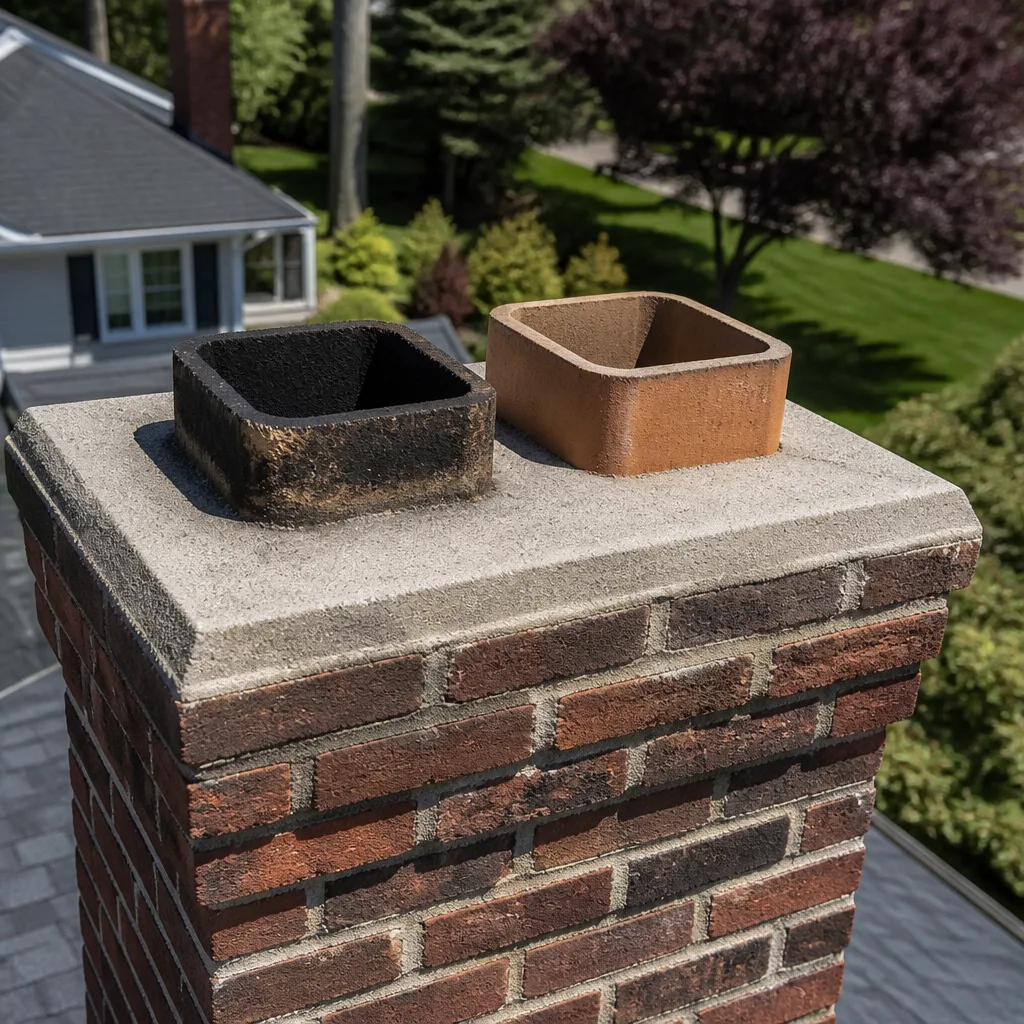 Sweep & inspection
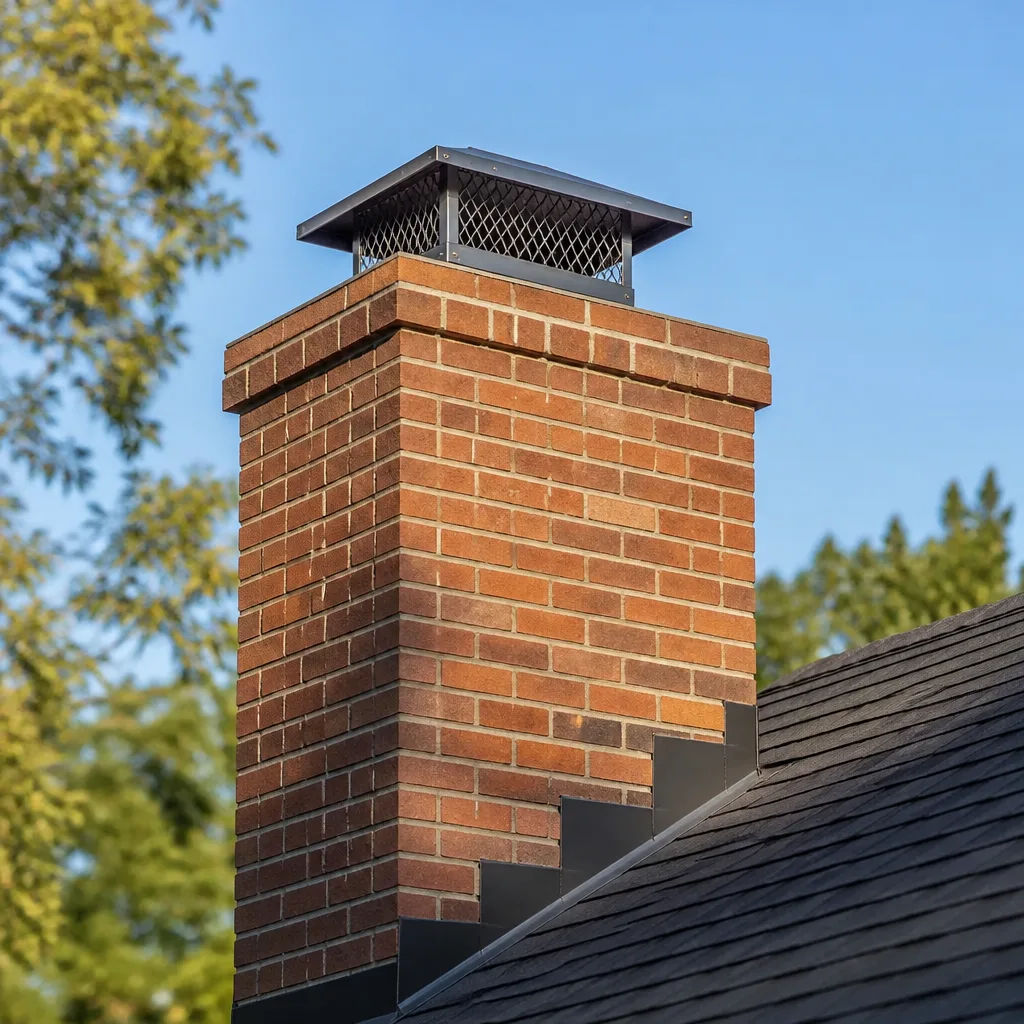 Caps & crowns
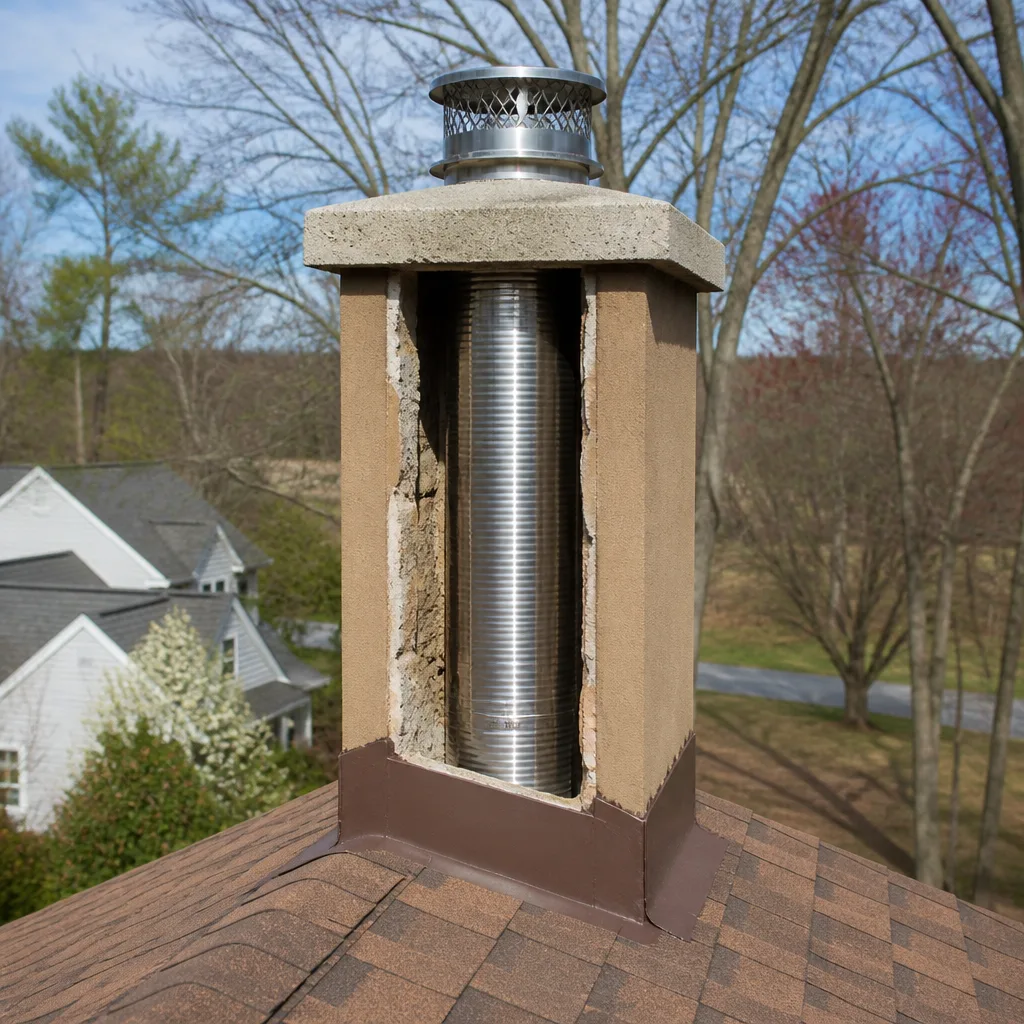 Flue relining
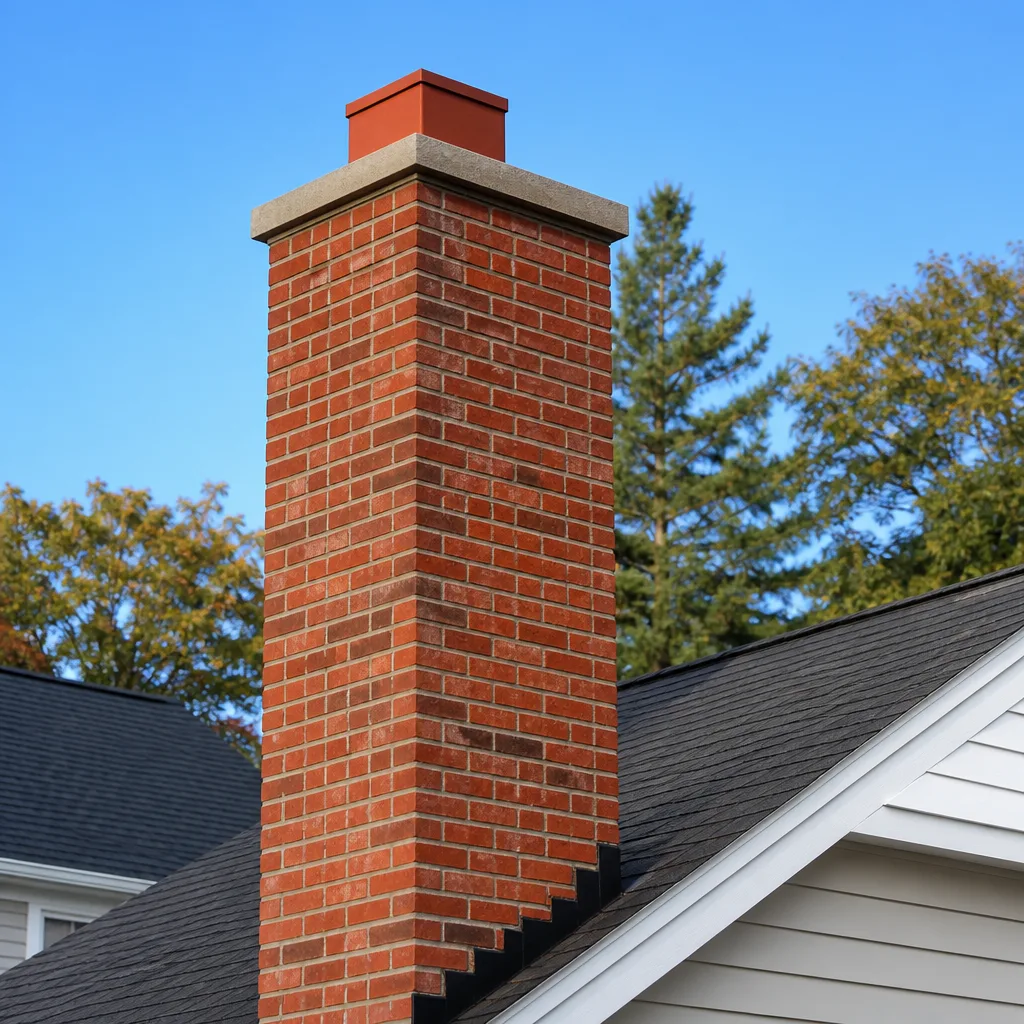 Masonry repair
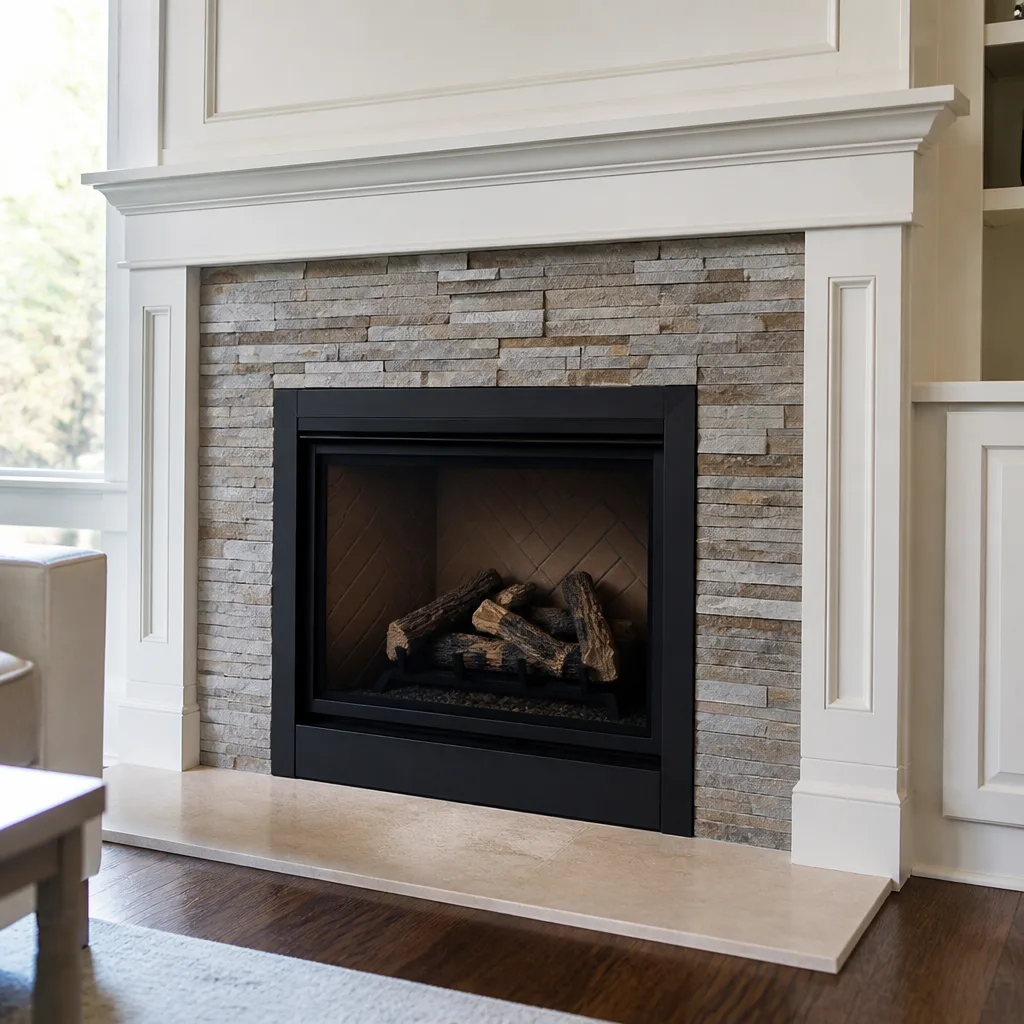 Gas fireplace service
Level 1 sweep and inspection to the NFPA 211 annual standard - flue, crown, cap, and flashing checked and photographed
Chimney sweep logs do not sweep chimneys. They loosen some creosote - which then falls where a brush and vacuum still have to collect it.
DIY vs Professional Chimney Cleaning: The Simi Valley Homeowner’s Decision Guide
You can walk into any hardware store and buy the same brushes a professional uses. The rods, the weights, the poly sheeting. It’s all consumer-grade available. What you can’t replicate is knowing what you’re looking at when the brush comes back down. Stage 2 creosote versus Stage 3. A hairline flue crack versus surface staining. A settling crown versus one that’s failing. This guide is honest about where the line sits between what a Simi Valley homeowner can reasonably do themselves and what actually keeps a chimney safe to burn. We’ll walk through the tools, the limits of consumer equipment, the inspection gap, and the specific situations where DIY makes sense as a supplement rather than a substitute.
Styles & brands we work with
- Sweep & inspection
- Caps & crowns
- Flue relining
- Masonry repair
- Gas fireplace service
Quick Answer
DIY chimney cleaning is possible for light soot and Stage 1 creosote using consumer-grade brushes, but it almost always misses the inspection element that actually determines whether a chimney is safe. Professional cleaning in Simi Valley combines mechanical and rotary sweeping with video inspection, gas pressure checks, and structural assessment that no homeowner can replicate with store-bought tools. The real question isn’t whether you can push a brush up a flue. It’s whether you can see what matters after you do.
Table of Contents
- What DIY Chimney Cleaning Can Really Do
- Where DIY Hits Its Wall
- Why Cleaning and Inspection Cannot Be Separated
- The Tools That Change the Diagnosis
- When DIY Makes Sense (and When It Doesn’t)
- Liability and Insurance: The Reality Check
- Common Mistakes to Avoid
- When to Call a Professional
- Frequently Asked Questions
- The Bottom Line
What DIY Chimney Cleaning Can Really Do
Let’s start with an honest accounting. A homeowner with the right consumer tools can absolutely remove loose soot and light Stage 1 creosote from the accessible sections of a masonry chimney or a straight-run metal flue. The kits sold at hardware stores typically include interlocking fiberglass rods, a wire or poly brush sized to a standard flue dimension, and basic instructions. For a chimney that gets casual use, a seasonal dusting, or a gas fireplace that produces minimal residue, this kind of maintenance sweep can keep things from building up noticeably.
The work itself is straightforward in theory. You cover the fireplace opening to contain the debris, run the brush up from inside the firebox or down from the roof depending on your setup, and work the flue walls in sections. What comes down is what you see: fine black powder, some flaky material if there’s light creosote, maybe a bit of nesting material from a bird that thought your flue looked like good real estate. For a homeowner who burns seasoned wood in Simi Valley’s mild winters and only uses the fireplace a handful of times each season, this may be all the cleaning that’s needed between professional visits.
But here’s the part most DIY guides skip: cleaning is the easy half. The brush does what a brush does. It removes whatever is loosely adhered to the flue walls. What it doesn’t do is tell you anything about what remains. Stage 2 creosote requires rotary tools and chemical treatment, not just brushing. Glazed creosote needs professional removal. And a brush run by an untrained hand can actually miss sections entirely without the person ever knowing it, because the brush travels the path of least resistance, not necessarily the path of maximum buildup.
So yes, DIY cleaning is real. It can accomplish a light maintenance sweep. The honest framing is that it’s a stopgap, not a substitute for the diagnostic work that professional chimney sweep service provides.
Where DIY Hits Its Wall
DIY cleaning hits a hard wall the moment anything about the chimney isn’t textbook-clean and easily accessible. Most chimneys in Simi Valley homes have some element that complicates a simple brush run. An offset flue, a clay tile liner with mortar joints that catch a brush tip, a metal liner that flexes and shifts as the brush passes. These aren’t unusual conditions. They’re standard.
The first wall is mechanical. Consumer rods are fiberglass and flexible. That flex is good for navigating a straight run. It’s terrible for applying the kind of pressure needed to remove Stage 2 creosote, which is tar-like and adheres to flue walls. A homeowner pushing a brush up from below can’t generate the rotational force that breaks this material free. The brush simply skims over it, leaving the actual hazard in place while giving the appearance of a cleaned chimney.
The second wall is access. Some flues are only safely reachable from the roof, and that means ladder work, footing on sloped surfaces, and handling equipment at height. Simi Valley’s dry, mild climate doesn’t mean the roof is automatically safe to work on. Clay tile roofing, common throughout the area, is particularly unforgiving if you step wrong. A homeowner who isn’t trained in roof safety faces a genuine fall risk just to reach the flue cap.
The third wall is knowledge. When a homeowner pulls a brush back down and looks at what came off, they see soot. A trained sweep sees the same material and reads it. The color, the texture, the way it flakes or clumps. That reading tells us whether there’s a drafting problem, a moisture problem, or a burn temperature problem we need to dig into. Same brush, same chimney, completely different information coming back down. And none of that reading happens without years of looking at the inside of hundreds of chimneys.
We work with professional-grade products from brands like DuraFlex and HeatShield, which means the chimney systems we install and repair meet trade standards, and we know what a failure looks like before it becomes obvious. That diagnostic layer is what DIY fundamentally cannot replicate, no matter how good the brush is.
Why Cleaning and Inspection Cannot Be Separated
The single biggest misconception in chimney maintenance is that cleaning and inspection are two different services. They aren’t. Every professional cleaning is also an inspection, because you can’t see what needs inspecting until the flue is clean enough to look at. The surface that matters is behind the soot. You clean to inspect. You inspect to know what to clean next and what to repair before you ever light a fire again.
DIY cleaning without inspection creates a false sense of safety. The homeowner sees a clean-ish flue, assumes the job is done, and burns fires all season with no idea that a cracked tile liner is letting heat reach combustible framing, or that a damaged crown is letting water seep into the masonry. A chimney fire doesn’t care how recent the last sweeping was if there’s a structural defect that sweeping never touched.
Here’s the sequence a professional sweep follows, and why each step matters:
- Pre-inspection: We look at the flue cap, crown, brickwork, and flashing before we start. This tells us what to expect and whether any damage needs to be addressed as part of the service.
- Setup: Drop cloths, vacuum with HEPA filtration, containment at the firebox opening. This protects the home from the mess that chimney cleaning creates.
- Sweep: Mechanical or rotary brushing appropriate to the liner type and creosote stage. This is the part a homeowner can approximate, but not equal.
- Post-sweep inspection: Now the flue is clean enough to actually see. We’re checking for cracks, gaps, deterioration, and moisture intrusion that was hidden behind buildup.
- Report: The homeowner gets a plain-language explanation of what we found, what it means, and whether anything needs attention now versus later.
The inspection element is where problems get caught before they become emergencies. A Chimney Sweep Simi Valley service that skips the inspection step isn’t doing the job. And a homeowner cleaning their own chimney almost always skips it, because they don’t know what they’re looking for.
The Tools That Change the Diagnosis
Professional chimney cleaning is diagnostically different from DIY because of the equipment involved. This isn’t about having nicer brushes. It’s about having tools that reveal information a brush can’t touch.
A rotary cleaning system is the biggest difference maker. Instead of relying on manual push-pull motion, rotary systems use a motorized whip head that spins against the flue walls at high speed. The spinning action breaks free Stage 2 creosote that a hand brush skims over. For clay tile liners with mortar joints, rotary cleaning gets into the recesses where buildup accumulates. For metal liners, it cleans without the scratching that a wire brush can cause on softer materials.
Video inspection cameras are the second piece. A camera run up the flue after cleaning shows the interior in detail that the naked eye can’t capture from the firebox or the roofline. We can see hairline cracks in clay tiles before they widen. We can see the condition of a liner seam. We can see whether that dark spot is surface staining or a gap that’s letting heat and gases escape. For a Simi Valley homeowner, this camera footage is the evidence behind any repair recommendation. If we tell you the liner needs work, you’re going to see the reason on the screen.
Gas pressure gauges and draft testing round out the diagnostic set. A chimney is a pressure system, not just a tube. If the draft is weak, combustion byproducts don’t exit efficiently. A manometer or similar tool measures whether the flue is drawing properly. This matters for both wood-burning and gas fireplaces. Carbon monoxide risk from a poorly drafting chimney is real, and it’s invisible. Testing is the only way to know the system is doing what it’s supposed to.
None of these tools are available to a homeowner at a hardware store. The brush is available. The diagnosis is not.
When DIY Makes Sense (and When It Doesn’t)
We’re going to be clear about where DIY chimney cleaning is a reasonable maintenance supplement and where it becomes a risky replacement for professional service. The honest position is that both categories exist. This isn’t a scare campaign about never touching your own chimney. It’s about understanding what the work can and can’t accomplish.
When DIY is a reasonable supplement:
- You burn seasoned hardwood in a straight-run fireplace and use it lightly, a few times a month during Simi Valley’s short cool season.
- You had a professional sweeping within the last year and want to knock down light soot accumulation between visits.
- Your fireplace is a gas unit that produces minimal residue, and you’re mainly concerned with clearing dust and cobwebs from the accessible areas.
- You have a clear, unobstructed view of the flue from the firebox and can see that buildup is light and powdery rather than dark and sticky.
When DIY is a risky replacement:
- The flue shows Stage 2 or Stage 3 creosote, which looks like shiny black tar rather than dull soot.
- You hear a hissing or cracking sound from the chimney during fires, which suggests moisture contact with creosote or a structural issue.
- You smell smoke or combustion gases in the home when the fireplace is running.
- The chimney has an offset or is lined with a material you can’t identify.
- You see water stains on the ceiling near the chimney or efflorescence on the exterior brick.
- The home has a wood stove or fireplace insert, which changes the flue dynamics and usually requires specialized tools and fittings.
The pattern is simple: if the chimney is in known-good condition from a recent professional service and you’re maintaining rather than remediating, DIY can work. If there’s any question about the condition of the system, a professional visit is the safe call. And if the last professional service was more than a year ago, you’re not maintaining. You’re guessing.
Liability and Insurance: The Reality Check
Here’s the part that rarely shows up in DIY chimney cleaning tutorials. If a chimney fire occurs after you’ve self-performed maintenance, your insurance company is going to ask questions. Hard questions. Documentation questions that a DIY sweep can’t answer.
Insurance claims for chimney fire damage typically require evidence that the chimney was cleaned and inspected by a qualified professional. A receipt for a brush kit from a hardware store is not that evidence. A handwritten note that you swept the flue in October is not that evidence. Insurance adjusters look for professional service records, inspection reports, and documented findings. Without those, a claim can be reduced or denied outright.
This isn’t a hypothetical. Chimney fires cause significant damage every year, and the aftermath involves an insurer who wants to know what prevention steps were taken. A professional Simi Valley chimney sweep provides a service record with date, findings, and recommendations. That documentation exists because it has to. It’s part of the professional standard.
There’s also the question of liability if you sell the home. In some transactions, particularly in markets like Simi Valley where buyers are diligent about inspection contingencies, a chimney that hasn’t been professionally serviced in years can become a negotiating point or a repair credit. A folder of professional sweep records is a quiet asset. A missing folder is a silent liability.
We’re not saying every home fire traced to a chimney was caused by DIY maintenance. We’re saying that when something goes wrong, the documentation matters. And the documentation only comes from professional service.
Common Mistakes to Avoid
- Cleaning without inspecting: Running a brush up the flue and calling it done skips the most important part of the job. You’ve cleaned a surface you haven’t looked at, and you don’t know what’s behind the soot you removed. This is the mistake that creates false security.
- Using the wrong brush size: A brush that’s too small doesn’t contact the flue walls with enough pressure to remove buildup. A brush that’s too large can get stuck, and a stuck brush in a flue becomes a serious problem requiring professional extraction.
- Ignoring the roof safety risk: Simi Valley roofs are often clay tile, which cracks easily under foot traffic. Working at height with poles and brushes adds another layer of risk. Fall injuries from chimney work are real and avoidable.
- Treating creosote as one substance: Stage 1 creosote brushes off. Stage 2 creosote requires rotary cleaning and sometimes chemical treatment. Glazed creosote rarely responds to anything but professional removal. Misidentifying what you’re looking at leads to leaving the real hazard in place.
- Skipping the dryer vent because the chimney got attention: Dryer vents are a separate fire hazard that often gets ignored in homes where the chimney is the main focus. Dryer vent cleaning is a different service with different tools, but it’s the same underlying fire-risk principle: accumulated lint is fuel, and fuel plus heat is fire.
- Assuming no visible smoke means no problem: Carbon monoxide is odorless and invisible. A chimney can look fine from the outside and be drafting incorrectly on the inside. Without testing, there’s no way to know whether combustion gases are actually leaving the home.
- Putting off repairs because the chimney still works: A chimney that still draws with a damaged liner is a chimney that’s failing slowly. The damage doesn’t announce itself with a bang. It worsens over time until the correction is much more expensive than the early fix would have been.
When to Call a Professional
Call a professional when the chimney hasn’t been swept and inspected in the last 12 months, regardless of how much you’ve used it. Call when you see shiny or tarry buildup, when you smell smoke inside the home, when you notice water staining near the chimney, or when the fireplace is used regularly by anyone in the household. Call when you’re buying a home in Simi Valley and want to know what you’re inheriting. Call when the last sweep was DIY and you want a real assessment of condition. Chimney Sweep Simi Valley offers free estimates in Simi Valley. Call (833) 593-4098 to schedule. We answer 24/7. Fast dispatch from 7am to 7pm, Sunday through Friday.
Frequently Asked Questions
The National Fire Protection Association standard is to have a chimney swept and inspected at least once per year. In Simi Valley’s mild climate, fireplaces see lighter seasonal use than in colder regions, but the inspection element remains important because creosote forms regardless of burn frequency, and structural issues can develop during the months the chimney sits idle. A yearly professional visit is the minimum standard.
The most likely outcome of skipping a sweep is creosote accumulation that eventually becomes a fire hazard, paired with structural deterioration that goes unnoticed until it requires expensive repair. Creosote is a byproduct of wood combustion, and it builds up every time the fireplace runs. The longer it sits, the harder it is to remove, and the closer it gets to becoming fuel for a chimney fire. The quiet risk is a damaged liner or crown that allows heat or moisture into places it doesn’t belong.
You can perform a light maintenance sweep with the right consumer tools, but you cannot replicate the diagnostic element of professional service. The brushes are available. The video inspection, draft testing, and structural assessment are not. A DIY sweep leaves you with a cleaner chimney and no information about hidden damage, which is the opposite of the certainty you want before burning fires in your home.
Yes, and here’s why: chimneys deteriorate even when they’re not being used. Moisture intrusion through a damaged crown or flashing doesn’t care how many fires you burned. Animals nesting in an unused flue is common in Simi Valley, where the mild climate means birds and small wildlife are active year-round. An unused chimney that’s structurally compromised is still a pathway for water damage to reach your home’s framing.
Not always. But when a liner is cracked, deteriorated, or incorrectly sized for the appliance it serves, the fix is a professional one. We work with DuraFlex liner systems, which are designed for relining damaged or undersized flues without major demolition. The only way to know whether a liner needs replacement or repair is a video inspection. Until we see the inside of the flue, any recommendation is premature. If we tell you the liner needs work, we’ll show you the footage that explains why.
Dryer vent cleaning is not an add-on. It’s a separate fire hazard with the same underlying mechanism as chimney risk: accumulation that becomes fuel. Lint buildup in a dryer vent restricts airflow, which causes the dryer to run hotter while exhausting less effectively. That combination is a documented cause of home fires. If your dryer vent hasn’t been cleaned in over a year, it likely needs service, and we can handle it in the same visit as a chimney sweep.
DIY chimney cleaning is a maintenance supplement at best, not a replacement for professional service. A homeowner with consumer tools can remove light soot, but can’t perform the inspection, diagnostic testing, and material assessment that determine whether a chimney is actually safe to burn. The gap between cleaning and inspecting is the whole story. That gap is where hidden damage lives, where insurance claims get complicated, and where a false sense of security leads to real consequences. In Simi Valley, where fireplaces see lighter but consistent seasonal use, the annual professional sweep with inspection is the baseline. Skip it at your own risk, and none of the hardware store tools will replace it.
Written by the team at Chimney Sweep Simi Valley, serving Simi Valley since 2015.
See the difference
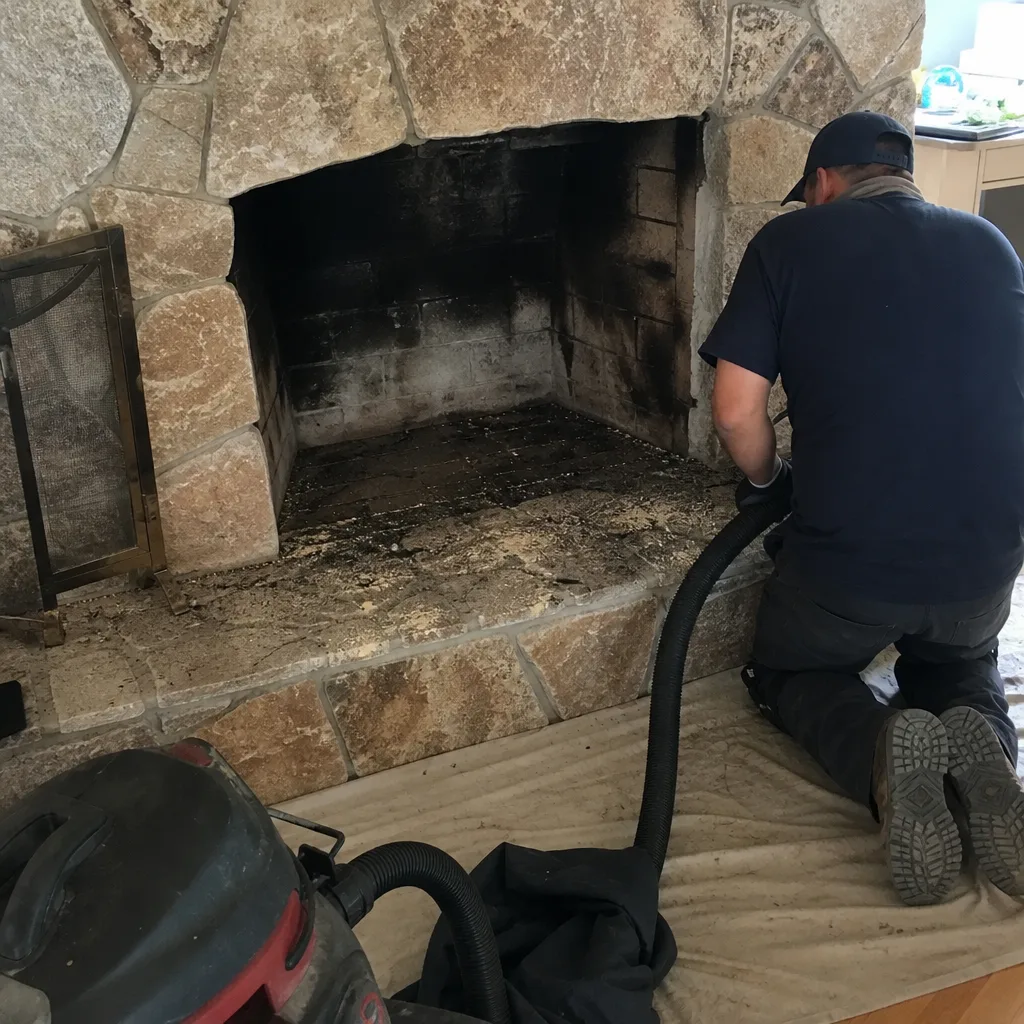 Before
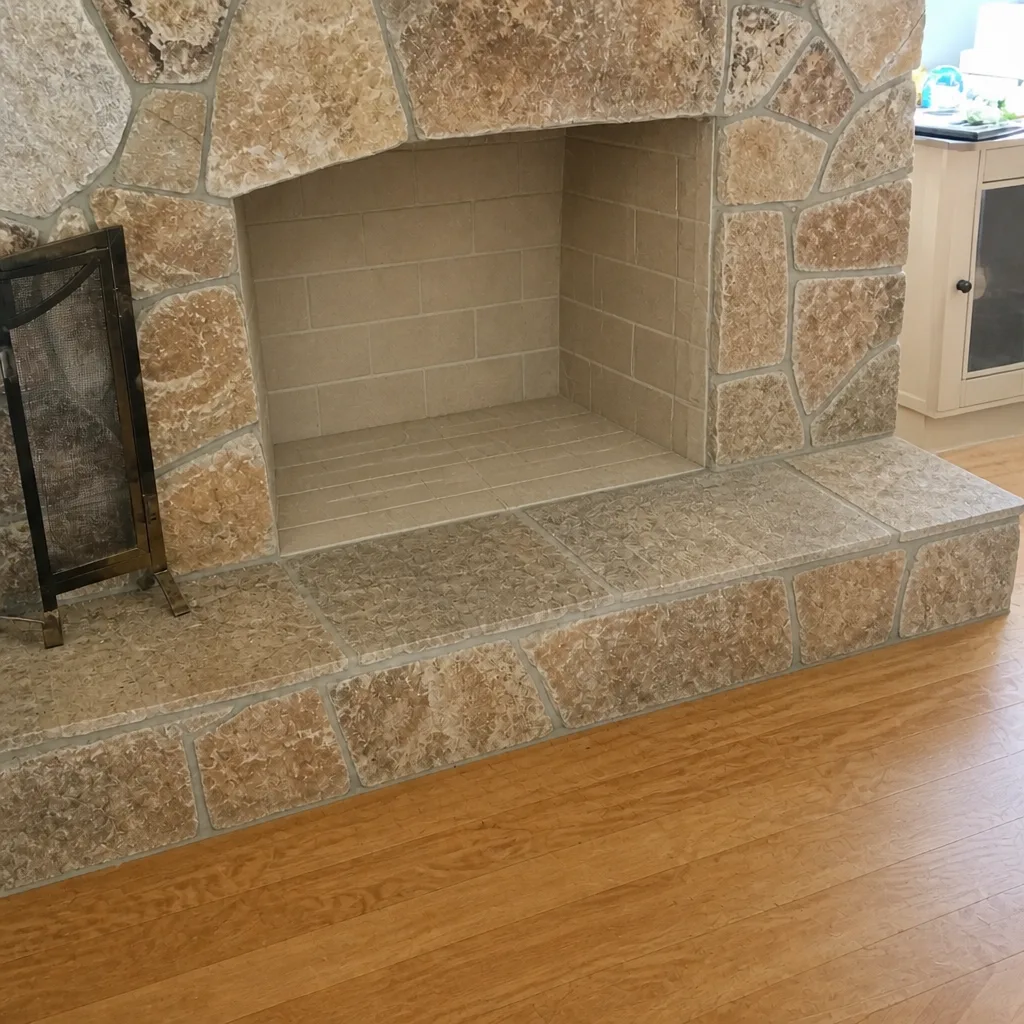 After
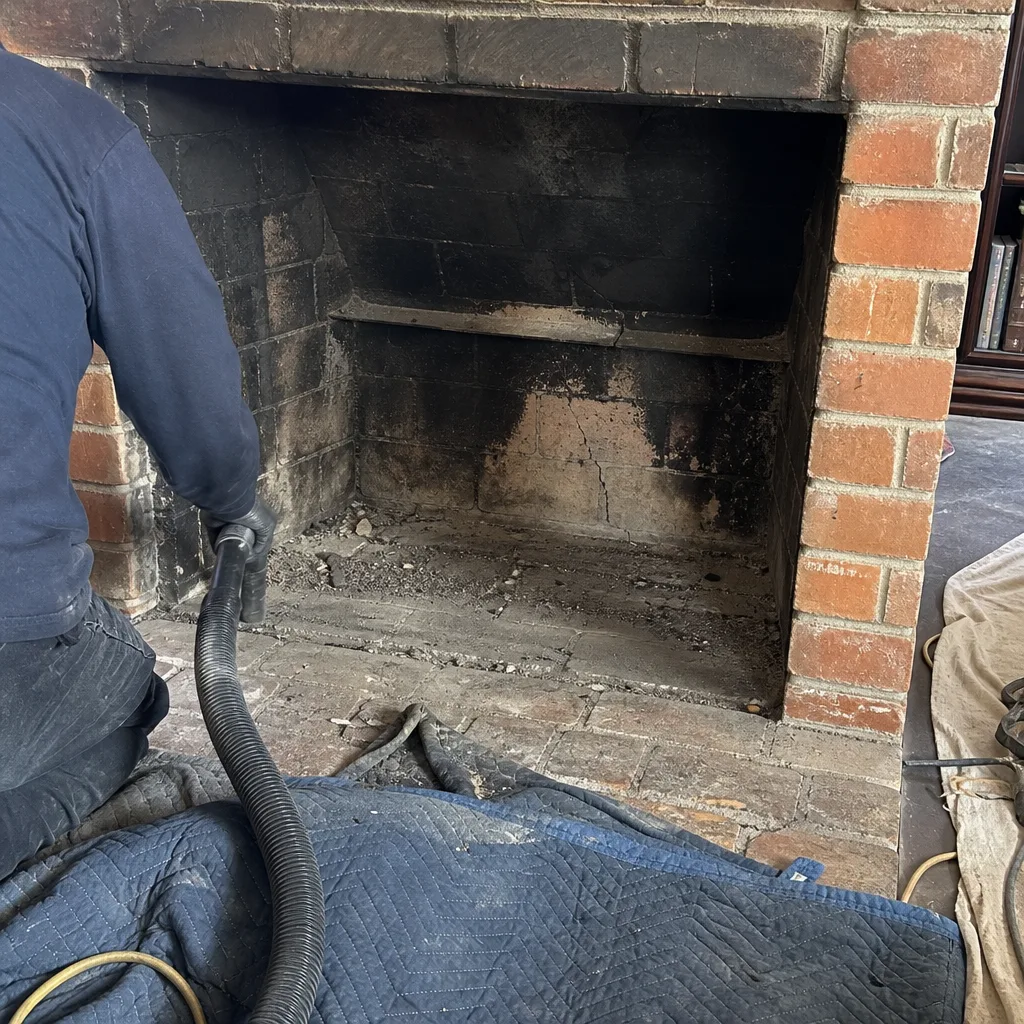 Before
 After
 Before
 After