
Last updated November 4, 2026
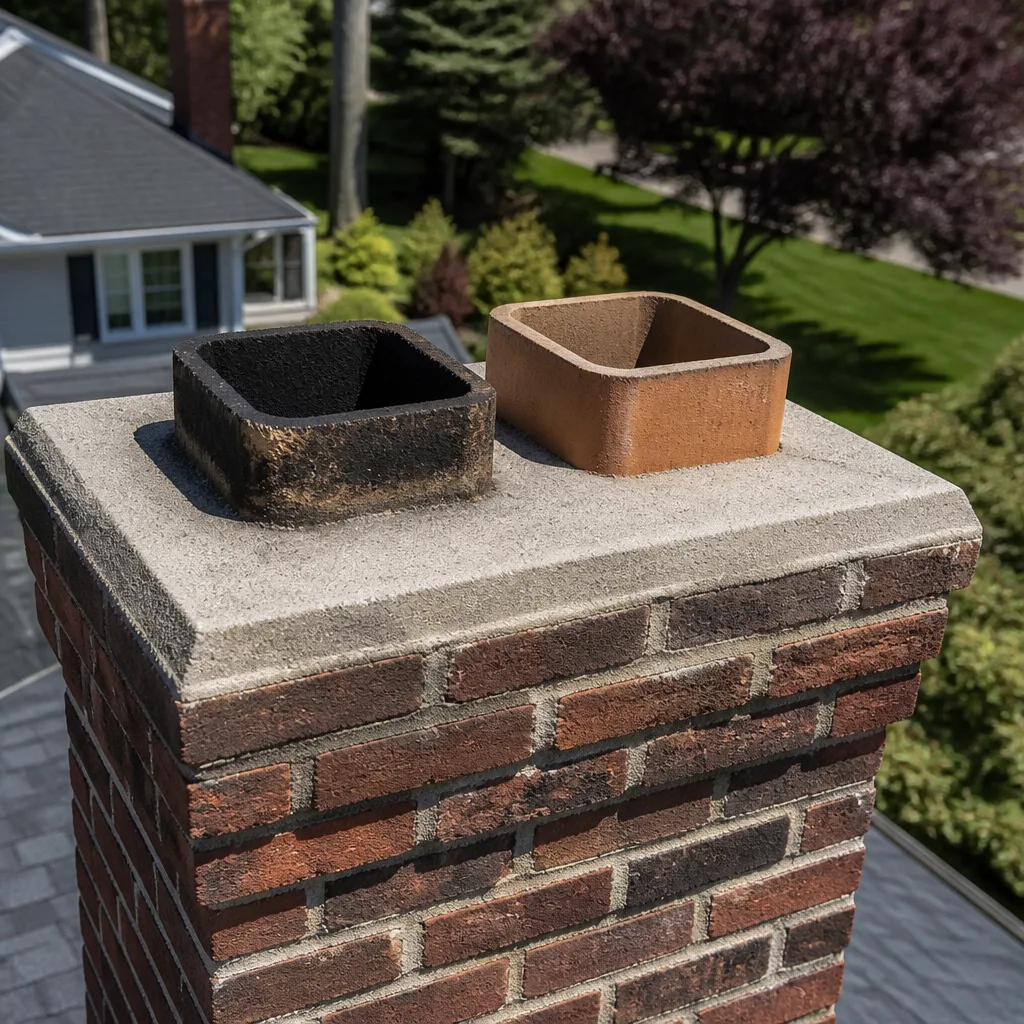 Sweep & inspection
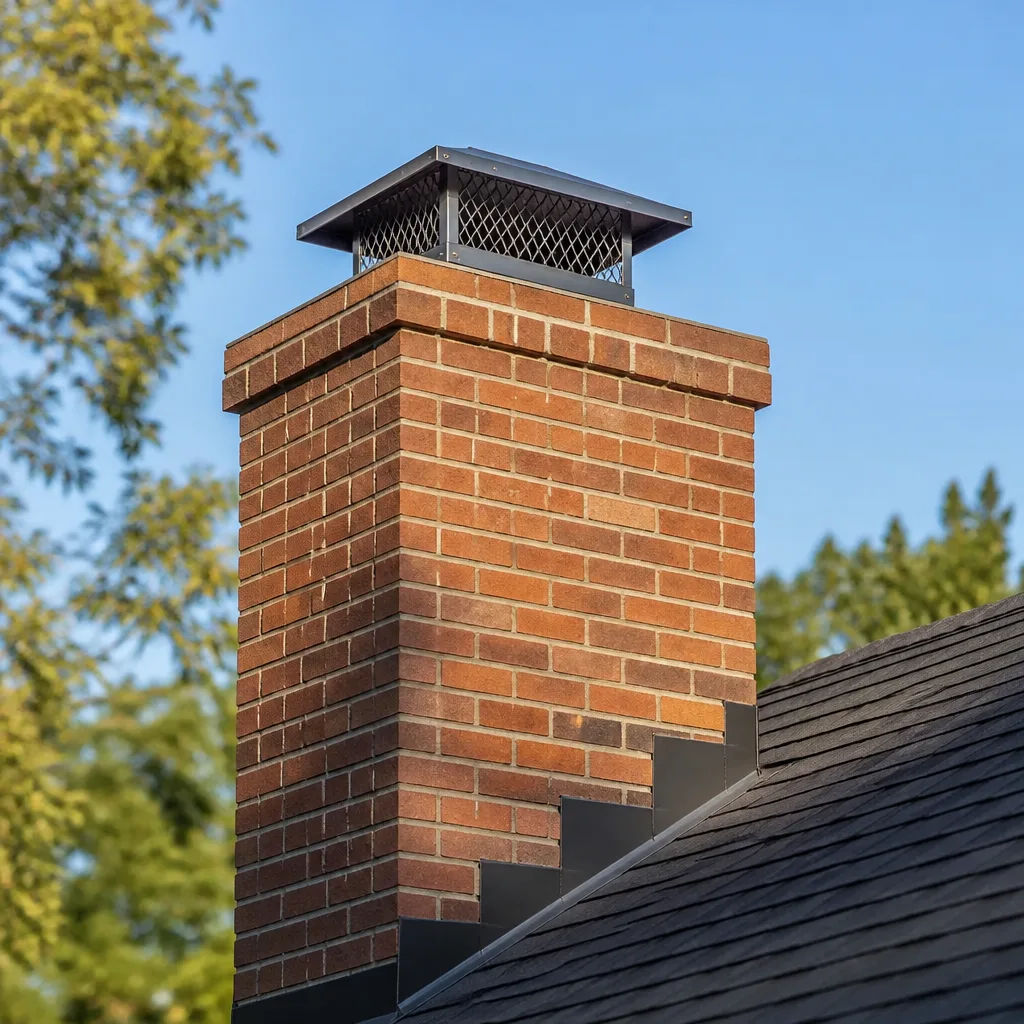 Caps & crowns
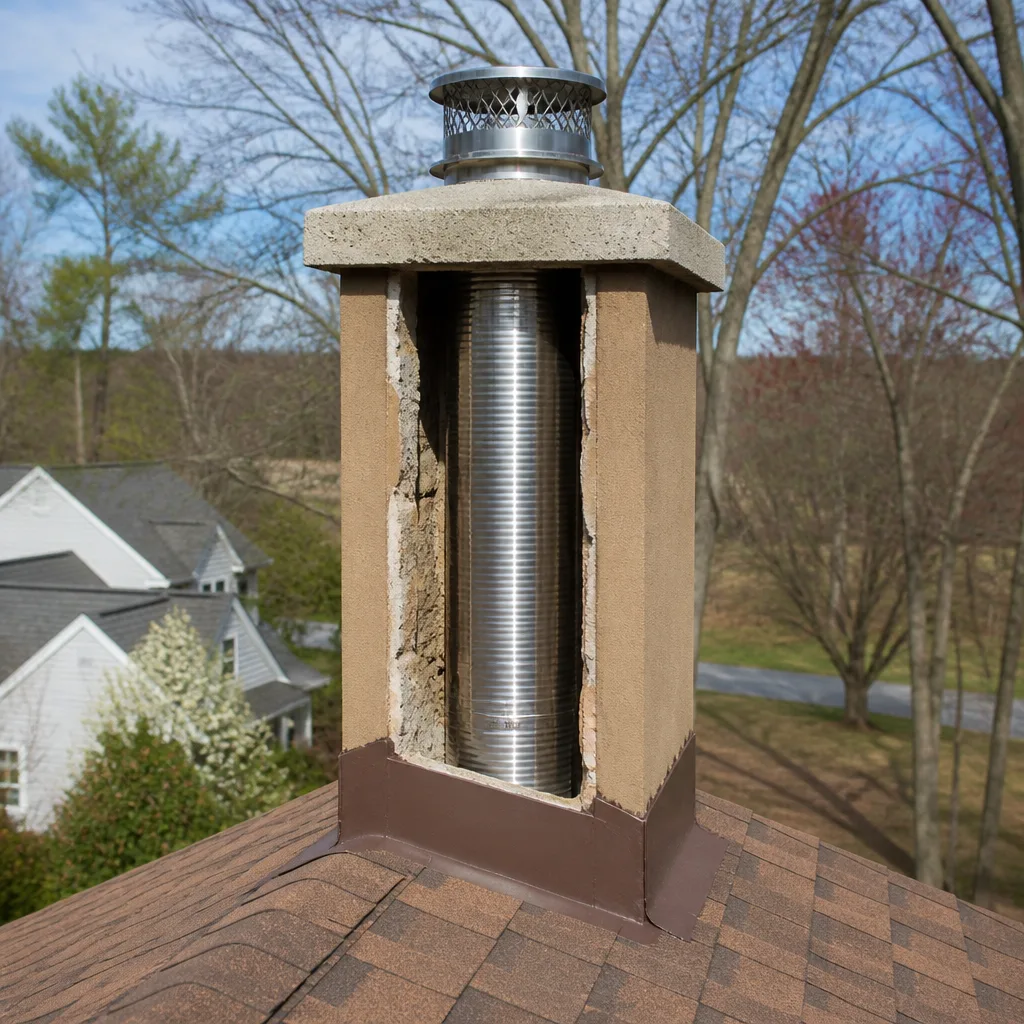 Flue relining
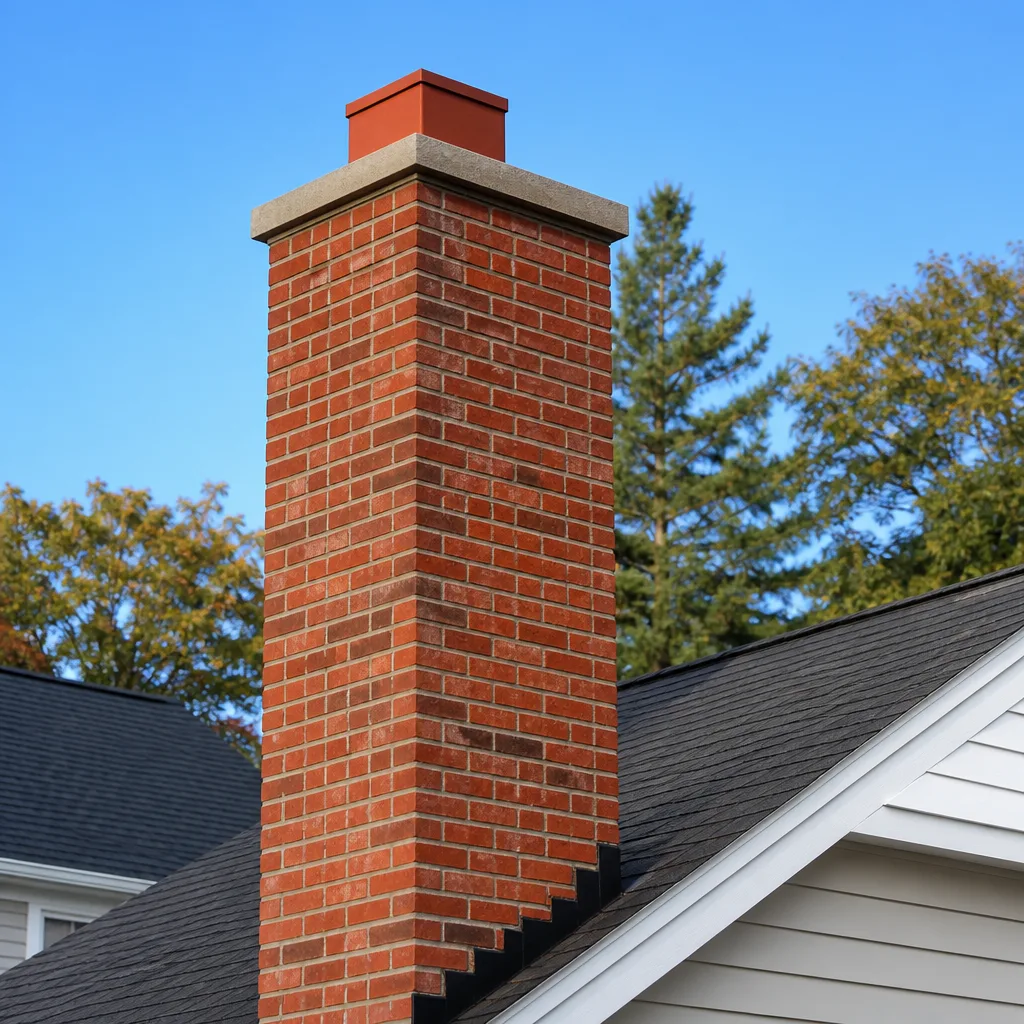 Masonry repair
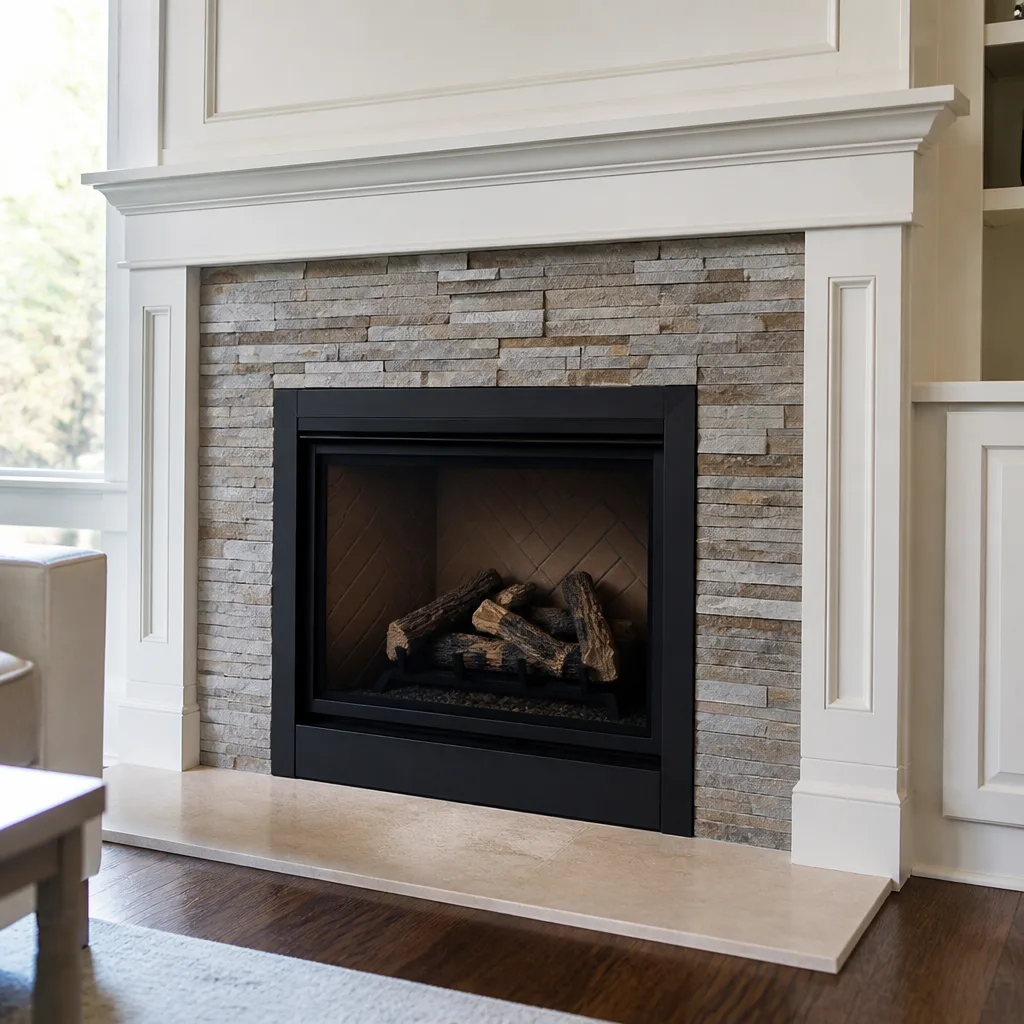 Gas fireplace service
Level 1 sweep and inspection to the NFPA 211 annual standard - flue, crown, cap, and flashing checked and photographed
Chimney sweep logs do not sweep chimneys. They loosen some creosote - which then falls where a brush and vacuum still have to collect it.
Chimney Cleaning Permits, Codes & Inspections in Simi Valley, CA: What You Need to Know
If a chimney company tells you they don’t need a permit to reline your flue, that’s either uninformed or deliberately misleading. In California, structural chimney repairs require building permits in most jurisdictions, including Simi Valley. The routine sweep? That’s maintenance, no permit needed. But the moment cleaning uncovers a cracked flue tile, a deteriorating crown, or a firebox that needs rebuilding, you’ve crossed into regulated territory. This guide walks through exactly where that line sits in Simi Valley, which codes apply, and what happens when an inspector gets involved.
Styles & brands we work with
- Sweep & inspection
- Caps & crowns
- Flue relining
- Masonry repair
- Gas fireplace service
Quick Answer
Routine chimney sweeping and dryer vent cleaning do not require permits in Simi Valley, CA. Structural chimney repairs – including flue relining, crown rebuilding, firebox reconstruction, and fireplace modifications – do require a building permit from the City of Simi Valley or Ventura County, depending on jurisdiction. Any contractor who skips the permit on structural work is putting your insurance coverage and future home sale at risk.
Table of Contents
- Routine Maintenance vs. Permitted Repair: Where the Line Sits
- The Simi Valley Permit Process for Chimney Work
- Why NFPA 211 Matters Even When Local Code Is Silent
- How California Title 24 Intersects with Fireplace and Flue Work
- Unpermitted Work and Your Homeowner’s Insurance
- What Happens When an Inspector Comes: The Inspection Process
- Common Mistakes to Avoid
- When to Call a Professional
- Frequently Asked Questions
- The Bottom Line
Routine Maintenance vs. Permitted Repair: Where the Line Sits
Most homeowners in Simi Valley only think about permits when they’re adding square footage or putting up a fence. Chimney work rarely crosses their radar as a permit question, and that’s understandable because most chimney work genuinely doesn’t need one. A chimney sweep that removes soot, creosote, and minor debris from the flue is classified as routine maintenance. The mechanical brushing of flue walls, the vacuuming of the smoke chamber, the application of a creosote treatment agent, even the removal of a bird nest or dead animal from the flue – these are maintenance tasks. The structure hasn’t changed. No permit required.
But the conversation changes the moment a repair alters the chimney’s structure or venting configuration. Here’s how that plays out in practice across Simi Valley homes:
- Flue relining – installing a new stainless liner or resurfacing flue walls means changing the venting system itself. This is structural. Permit required.
- Crown rebuilding – the concrete crown is a structural component that keeps water out of the chimney chase. Rebuilding it means permit territory.
- Firebox reconstruction – rebuilding the firebox walls involves fire-resistance-rated materials and clearances. Permitted work.
- Chimney tear-down and rebuild – if the chimney is dismantled and reconstructed, you’re doing permitted structural work, not repairing.
- Fireplace insert installation – adding a gas or wood insert involves new venting, gas lines, or both. Different inspections apply.
The distinction matters financially too. A sweep that finds a minor crack and says “we can seal that with refractory mortar today” is offering a repair, not maintenance. A conscientious technician will tell you when a crack is cosmetic versus when it’s a structural failure that needs permitting. That’s the difference between a sweep-only company and a chimney specialist who performs Chimney Sweep Simi Valley work alongside genuine repair capability. We find it, we fix it – but we also tell you when the fix needs a permit.
The Simi Valley Permit Process for Chimney Work
Simi Valley is an incorporated city that administers its own building permits through the City of Simi Valley Building & Safety Division. That means most single-family homes within city limits pull permits from the city, not from Ventura County. Homes in unincorporated pockets of the valley fall under Ventura County jurisdiction. The distinction isn’t academic – the forms, the fees, and the inspection scheduling all flow through whichever agency has authority, and pulling from the wrong one just creates delay.
Here’s the typical sequence for a permitted chimney repair in Simi Valley:
- Scope of work is defined. The contractor documents exactly what’s being repaired – relining, crown rebuild, firebox work. Vague scopes trigger plan review delays.
- Permit application is submitted. This typically includes the scope of work, material specifications, and sometimes a simple diagram showing the chimney configuration.
- Plan review. Simple repairs usually clear quickly. Work involving gas appliance venting or significant structural alteration may take longer because it intersects with mechanical and structural code sections.
- Permit is issued. The permit number and inspection requirements are posted at the job site.
- Work is performed. The contractor completes the repair according to the approved scope.
- Inspection is scheduled. The relevant inspector comes out, verifies the work matches the approved scope and meets code, and signs off.
The permit is the homeowner’s protection. It creates a record that the work was done to code, that it was inspected, and that the chimney system meets minimum safety standards. When a repair is done without a permit, none of that record exists. In our experience with Simi Valley homes across neighborhoods like Wood Ranch, Big Sky, and central Simi, the quality of the original repair can be excellent and still create a problem at resale simply because there’s no paper trail.
Why NFPA 211 Matters Even When Local Code Is Silent
NFPA 211 is the National Fire Protection Association’s Standard for Chimneys, Fireplaces, Vents, and Solid Fuel-Burning Appliances. It is not a law in itself. But it’s the standard that building codes reference when they write their chimney sections, and it’s the authority a court or insurance adjuster turns to when there’s a dispute. In California, where the California Building Code incorporates sections of NFPA 211 by reference, a chimney contractor who ignores NFPA 211 is effectively ignoring the benchmark that defines professional practice.
What does NFPA 211 actually cover that matters to a Simi Valley homeowner?
- Clearance requirements. How far combustible materials must sit from the chimney and firebox.
- Flue sizing. Whether the flue diameter matches the appliance it serves. An oversized flue on a modern high-efficiency fireplace causes drafting problems; an undersized one is a fire hazard.
- Inspection frequency. NFPA 211 recommends a Level 1 inspection at least annually for chimneys that are in regular use, a Level 2 inspection when conditions of use change (new appliance, new home purchase, after a chimney fire or seismic event), and Level 3 when hidden damage is suspected.
- Materials standards. What materials are acceptable for relining, including stainless steel systems like DuraFlex and resurfacing products like HeatShield.
The Level 2 inspection point deserves more attention than it gets. When a home is sold in Simi Valley, a Level 2 inspection – often including a video scan of the flue interior – is frequently part of the transaction. Sellers who’ve had unpermitted repairs done in the past get flagged at this stage, and the deal can stall or fall apart. A properly permitted repair, documented and inspected, sails through a Level 2 because there’s a record of code-compliant work.
A contractor who references NFPA 211 unprompted is telling you something about their training. They’re working from a standard, not a habit.
How California Title 24 Intersects with Fireplace and Flue Work
Title 24 is the California Code of Regulations, Part 6 – the state’s energy efficiency standards. Most homeowners know it from the energy audits required on home sales or the requirements around insulation and windows. But Title 24 also affects any work that changes how a building uses or vents energy, and fireplaces fall into that category.
The most common Title 24 intersection in chimney work is when a fireplace is converted or replaced. If you’re swapping a wood-burning fireplace for a gas insert, the gas appliance has to meet current efficiency standards. If you’re relining a flue to serve a different or higher-efficiency appliance, that liner and its venting configuration are part of the building’s energy profile. And if the work involves closing off a fireplace permanently – something we see occasionally when a homeowner wants wall space back – that’s an alteration that can trigger Title 24 compliance questions about the building envelope.
For routine chimney sweeping, Title 24 is irrelevant. You’re not changing the system; you’re cleaning it. But the moment a repair modifies function – relining, insert installation, venting alteration – Title 24 is part of the permitting conversation. A contractor who says Title 24 doesn’t apply to any chimney work is oversimplifying. It doesn’t apply to sweeping. It can absolutely apply to modification.
The practical upshot: when you’re having a permit pulled for chimney repair in Simi Valley, expect the building department to ask whether the existing fireplace or appliance is being modified. If the answer is yes, energy compliance documentation may be part of the submittal. If the answer is no – pure maintenance repair like a crown rebuild – Title 24 mostly stays out of it.
Unpermitted Work and Your Homeowner’s Insurance
Here’s the scenario most people don’t think about until it’s too late. A homeowner has a flue relined by someone who says “you don’t need a permit for that.” The work is done. The chimney looks fine. Two years later, there’s a chimney fire. The insurance adjuster comes out, sees evidence of recent relining work, and asks for the permit. There isn’t one. Now the homeowner is fighting a claim denial while also dealing with fire damage.
Is this a certainty? No. Insurance companies don’t automatically deny every claim involving unpermitted work. But they have the right to investigate whether unpermitted modifications contributed to the loss, and if they can argue that the work wasn’t done to code – and they can’t verify it was, because there’s no inspection record – the claim gets complicated. Some policies have exclusions or limitations for damage caused by unpermitted work. Others deny the portion of the claim attributable to that work.
Beyond insurance claims, there’s the disclosure obligation. California law requires sellers to disclose known material facts about the property. A homeowner who had unpermitted chimney work done and doesn’t disclose it at sale is exposing themselves to post-sale liability. Homebuyers in Simi Valley frequently obtain chimney inspections as part of their due diligence because wood-burning fireplaces are common in the housing stock here. Those inspections find unpermitted work. And then what happens depends on the buyer, the lender, and the contract – none of which favors the seller who has no permit record.
The permit is cheap insurance. The repair itself is priced per job by the written estimate. The permit is a small administrative cost that protects against a large financial one.
What Happens When an Inspector Comes: The Inspection Process
When you’ve pulled a permit for chimney work in Simi Valley, the inspection is the moment everything gets verified. Knowing what the inspector looks at helps you prepare, and it also explains why some contractors are reluctant to pull permits – they can’t hide sloppy work from an inspector.
A typical chimney inspection for permitted work covers several checkpoints:
- Scope verification. The inspector checks that the work performed matches what was permitted. You can’t permit a crown rebuild and then quietly reline the flue without updating the permit.
- Material verification. For relining work, the inspector wants to see that listed materials were used. A stainless liner system like DuraFlex carries a UL listing and meets the flue sizing standards the code requires.
- Clearance compliance. The inspector verifies that combustibles are the required distance from the firebox, the flue, and any new components.
- Workmanship. This isn’t aesthetic – it’s structural. A crown that’s poured wrong, a liner that’s not properly connected to the appliance, a firebox rebuilt with the wrong mortar – all of these are workmanship issues the inspector will flag.
- Operational test for gas appliances. If a gas insert or log set is involved, the inspector may verify proper gas connection, venting, and carbon monoxide detection placement.
For homeowners, the inspection is not adversarial. It’s the verification step that makes the permit meaningful. If the inspector finds an issue, it gets corrected and re-inspected. That correction cycle is normal and doesn’t mean the contractor was negligent – it means the system is working as intended.
One thing worth knowing: some chimney repairs in Simi Valley can trigger a simple “final inspection” only, meaning one visit at the end of the job. Others require a “rough inspection” mid-repair, where the inspector looks at work before it’s covered over. This is common with firebox reconstruction, where the inspector wants to see the interior masonry before the facing goes on. Your contractor should tell you which type your permit requires.
Common Mistakes to Avoid
- Believing a contractor who says structural repairs never need permits. In California, including Simi Valley, structural chimney work requires a permit. A contractor who denies this is either uninformed or avoiding the inspection. Either way, you don’t want them on your roof.
- Assuming a “handyman chimney sweep” can legally do repair work. Chimney sweeping is low-risk work that almost anyone can do with a brush and a vacuum. Chimney repair is a different trade. Hiring a handyman to reline a flue because the price is lower often means unpermitted work with unlisted materials.
- Pulling a permit yourself and managing a contractor you found on a marketplace app. The permit names the responsible party. If you’re the permit holder and the contractor you hired disappears mid-repair, you own the unfinished permitted work. Better to work with a contractor who pulls the permit as part of their scope.
- Skipping the chimney inspection when buying a home in Simi Valley. The home inspection usually includes a basic visual chimney check, but a Level 2 chimney inspection goes deeper. Some of the city’s older housing stock has original masonry chimneys that have been through decades of Santa Ana wind-driven temperature swings and occasional minor seismic shaking – and the home inspector’s roof-level glance isn’t enough.
- Confusing a “cleaning” with an “inspection.” A sweep removes soot and creosote. An inspection assesses structural integrity, clearances, and code compliance. They’re often done together, but they’re not the same service. Ask specifically whether your appointment includes a Level 1 inspection.
- Ignoring dryer vent issues while pulling a chimney permit. Dryer vents are a leading residential fire cause, and dryer vent cleaning is one of those services that’s usually maintenance-level. But if the vent runs through a wall that’s being altered as part of a chimney repair, it can get pulled into the permit scope. Two fire risks, one call.
- Waiting until the burner season is here. In Simi Valley, the mild winters mean many homeowners run their fireplaces from October through March – and sometimes just for ambience, not heat. The best time to address a known chimney issue is before the first burn of the season, while timelines are still relaxed.
When to Call a Professional
Chimney code and permit questions are not DIY territory. If your chimney has visible cracks in the crown, spalling bricks, a flue liner that’s flaking, or evidence of past chimney fire (shiny or puffed creosote, damaged flue tiles), call a chimney specialist before using the fireplace again. If you’ve bought a home in Simi Valley and don’t know the chimney’s condition, schedule a Level 2 inspection before your first fire. If you’re planning to sell, the same inspection protects your transaction. And if a previous homeowner had chimney work done that you suspect wasn’t permitted, we can assess what’s there and advise on next steps. Chimney Sweep Simi Valley offers free estimates in Simi Valley – call (833) 593-4098 for a full evaluation.
Frequently Asked Questions
No. Routine chimney sweeping is classified as maintenance, not construction, and does not require a permit anywhere in Ventura County, including Simi Valley. The sweep removes soot, creosote, and debris without altering any structural component. If the cleaning uncovers damage that needs repair, the repair – not the cleaning – may require a permit. Call (833) 593-4098 to schedule a sweep and get an honest assessment of anything we find.
Chimney sweeping in Simi Valley typically runs $150 – $250 for a standard open fireplace with one flue, with the final price set by the written estimate. Larger chimneys, multiple flues, inserts, and heavily creosote-loaded systems cost more. We price per job, not per hour, and the estimate is free. Call (833) 593-4098 for an exact quote.
Yes. Relining a flue means changing or installing a new venting component, which is structural chimney work under California building code. The City of Simi Valley requires a building permit for flue relining, and the work is inspected before final sign-off. A contractor who says otherwise is wrong. We install listed systems like DuraFlex and HeatShield, and we pull the permit as part of the job.
NFPA 211 recommends at least an annual inspection and sweep for chimneys in regular use, and that matches what we recommend for San Fernando Valley-adjacent homes like Simi Valley’s. Even in our mild climate, creosote accumulates with each burn – especially in fireplaces where the fire is more ambience than full-heat. If you burn regularly during the season, once a year before the season starts is the right rhythm. Call (833) 593-4098 to book your annual sweep.
Creosote builds up in layers. The first layer is soft and brushes off easily. The second is denser and requires more aggressive sweeping. The third is often glazed – hardened, tar-like, and far more flammable. A chimney fire at that stage can crack flue tiles, damage the smoke chamber, and put flame into combustible framing. The fix at that point is repair work, not just sweeping. The mild winters in Simi Valley don’t reduce creosote formation – they just mean you may burn more “low and slow” fires, which produce more creosote, not less. Call (833) 593-4098 to have it checked before it becomes a structural problem.
No. Gas insert installation involves both appliance installation and venting alteration, and it typically requires permits for the gas connection and the venting. The permit process exists to verify the work is safe to burn – and with gas, that includes carbon monoxide venting. We install inserts properly and pull the required permits. Call (833) 593-4098 to assess whether your fireplace is a good candidate.
Most straightforward permitted chimney repairs – crown rebuilds, flue relining with a system like DuraFlex, firebox repairs – are completed within a week once the permit is issued. Plan review in Simi Valley is typically fast for simple mechanical and structural chimney work, though anything involving gas line or venting changes may add review time. Your final price is set by the written estimate, and we schedule the work around your availability. Call (833) 593-4098 for a timeline on your specific repair.
The Bottom Line
Most chimney cleanings in Simi Valley are maintenance work with no permit requirements. But the moment a cleaning uncovers structural damage – cracked flue tiles, a failing crown, a compromised firebox – the repair crosses into regulated territory. In Simi Valley and across Ventura County, that means a building permit, an inspection, and a paper trail that protects your insurance claim and your home sale. Unpermitted repair work doesn’t just create a code violation; it creates a liability you carry into every future insurance conversation and every disclosure packet. The smart move is to work with a chimney contractor who pulls permits when they’re needed, references NFPA 211, and doesn’t hand the permit question back to you. That’s the standard we hold ourselves to.
Written by the team at Chimney Sweep Simi Valley, serving Simi Valley since 2015.
Call (833) 593-4098 for a free estimate on chimney sweeping, repair, or dryer vent cleaning in Simi Valley. We answer 24/7. Fast dispatch from 7am to 7pm, Sunday through Friday.
See the difference
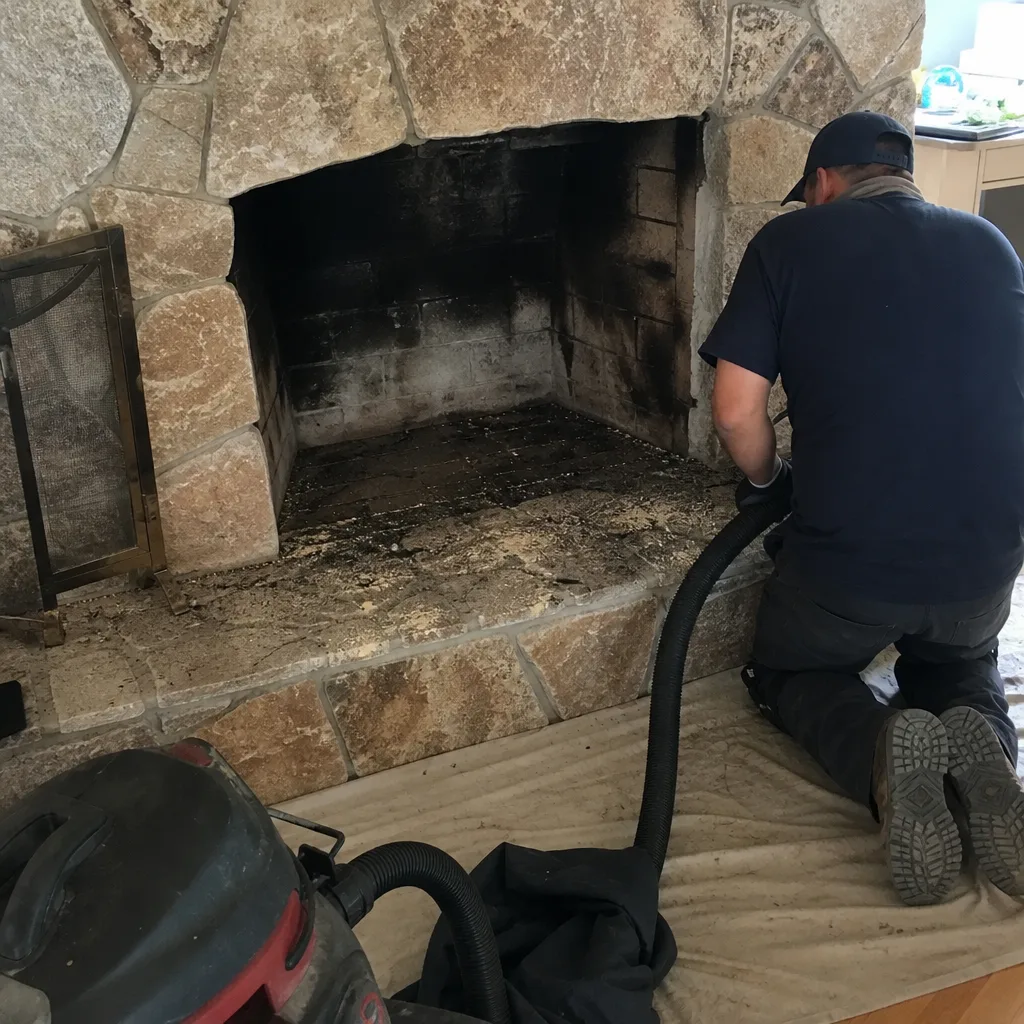 Before
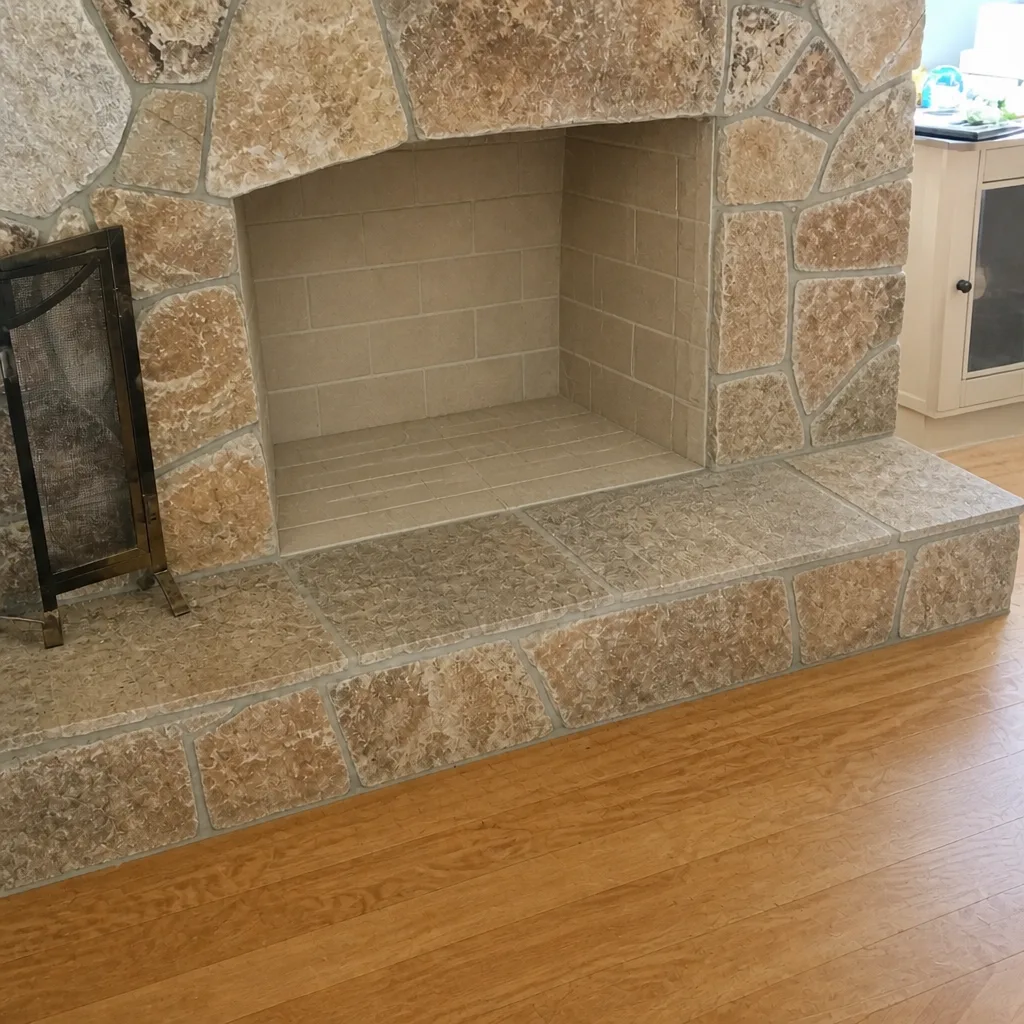 After
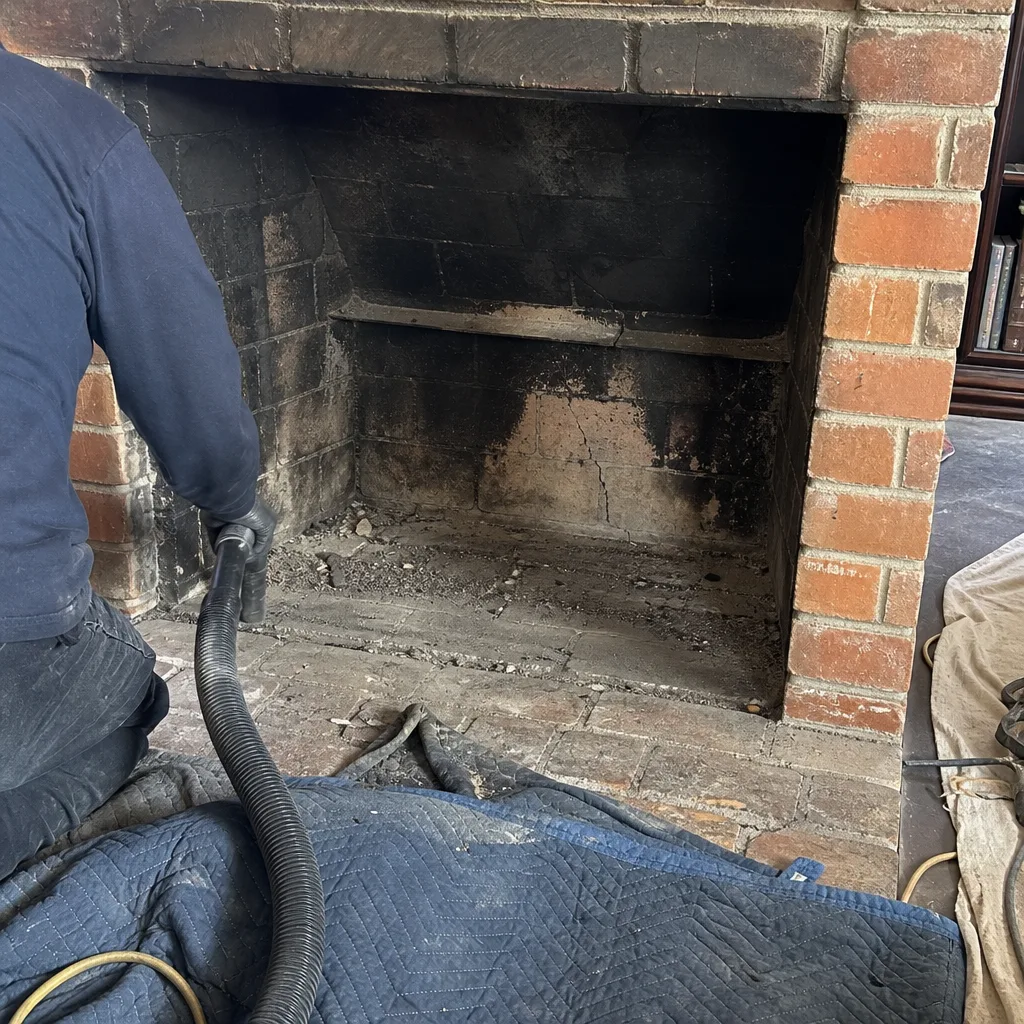 Before
 After
 Before
 After