
Last updated November 4, 2026
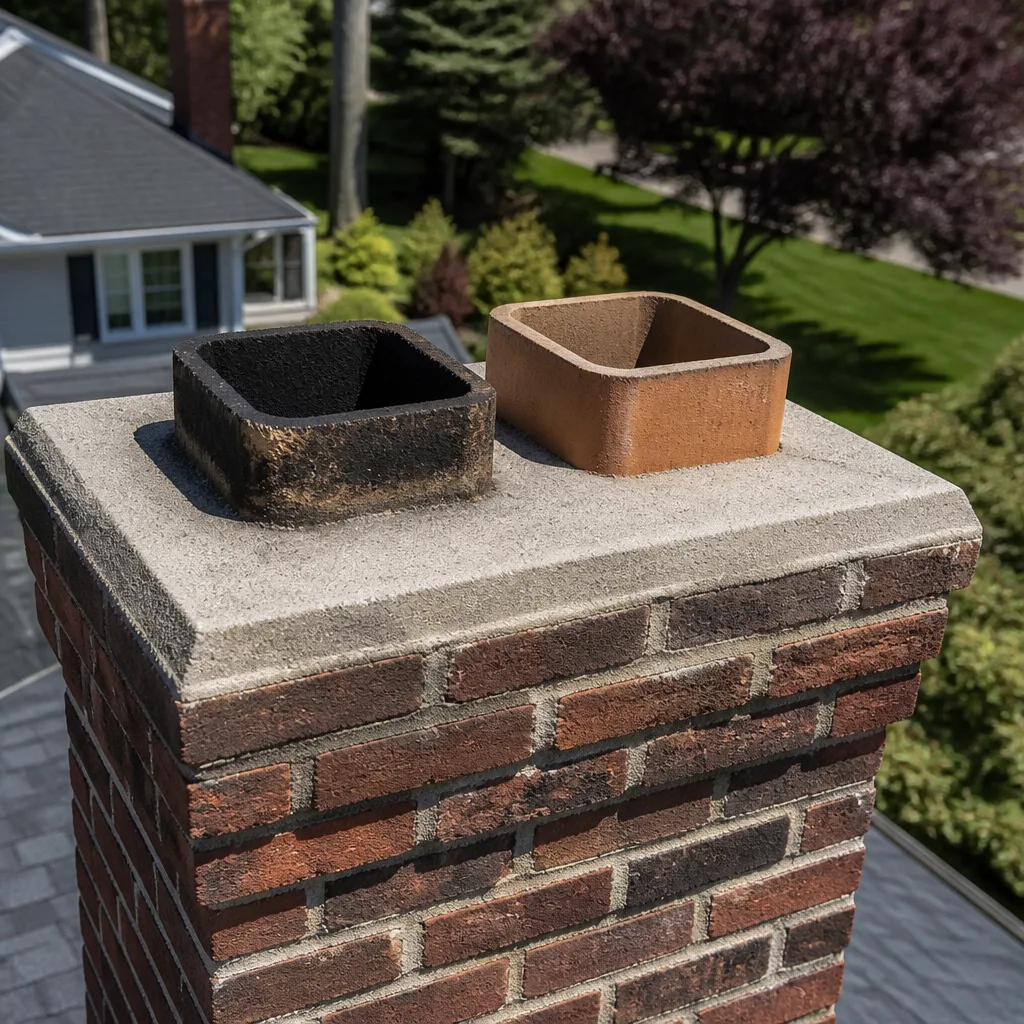 Sweep & inspection
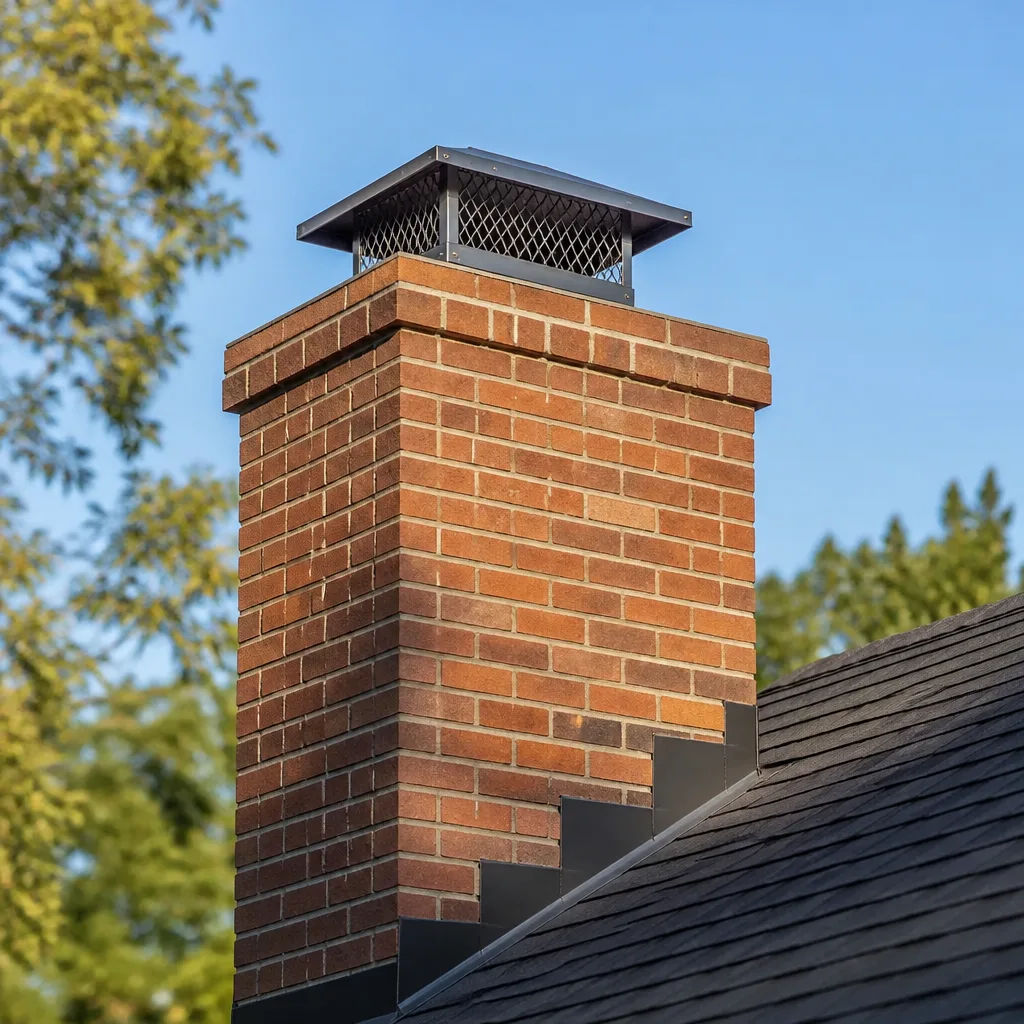 Caps & crowns
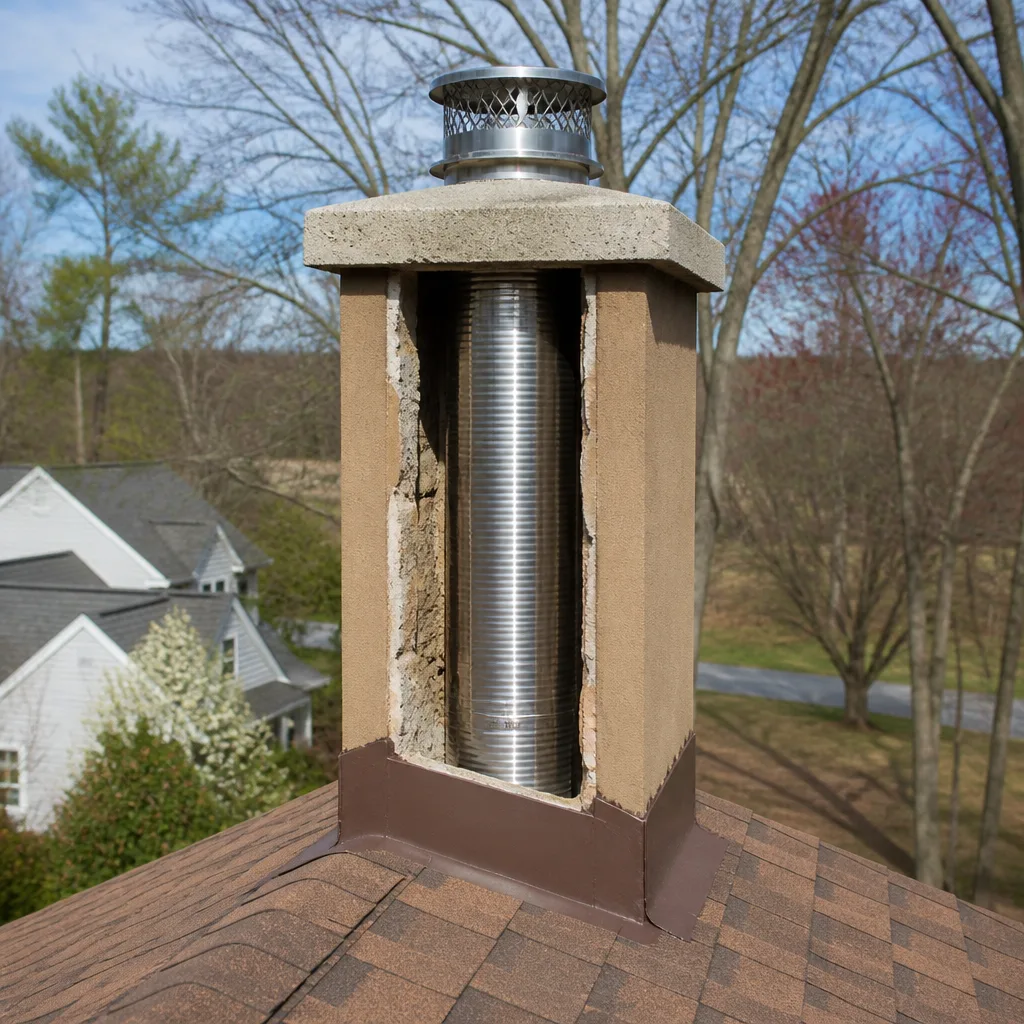 Flue relining
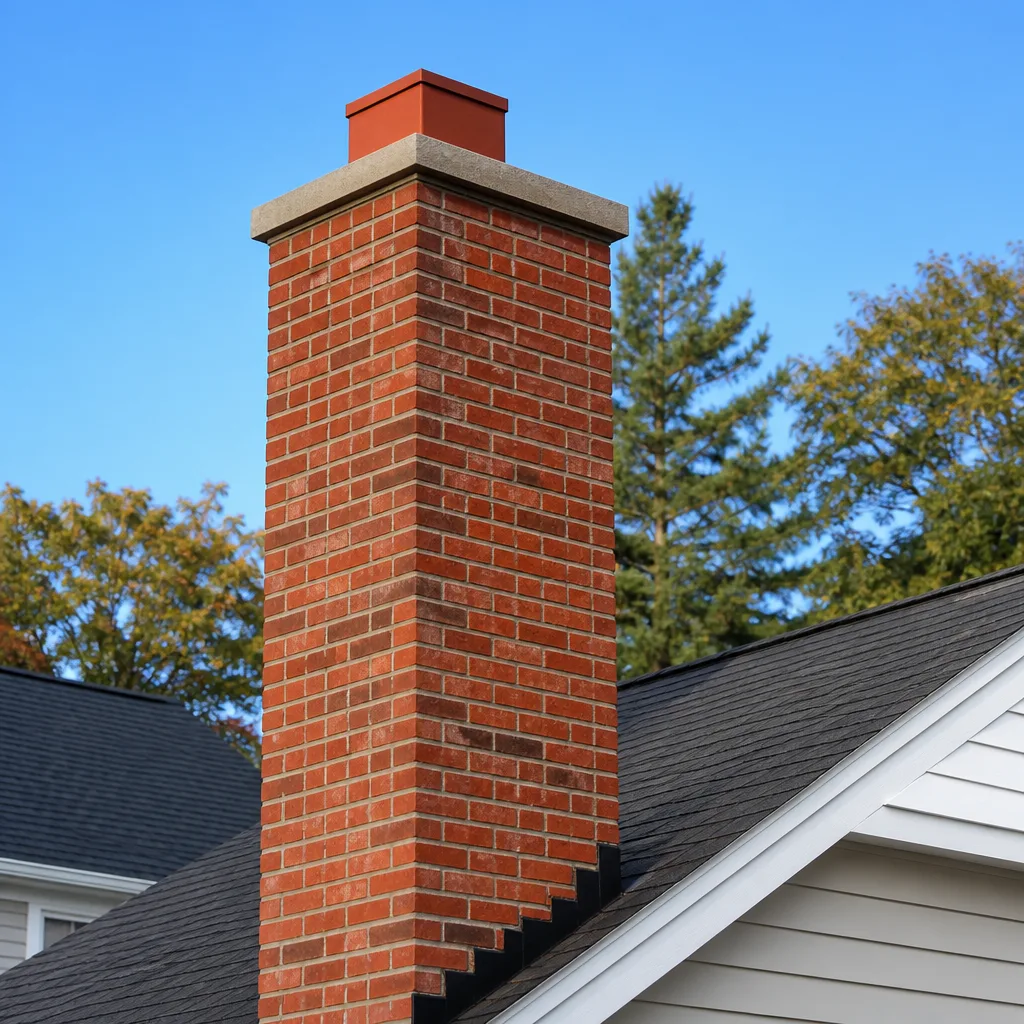 Masonry repair
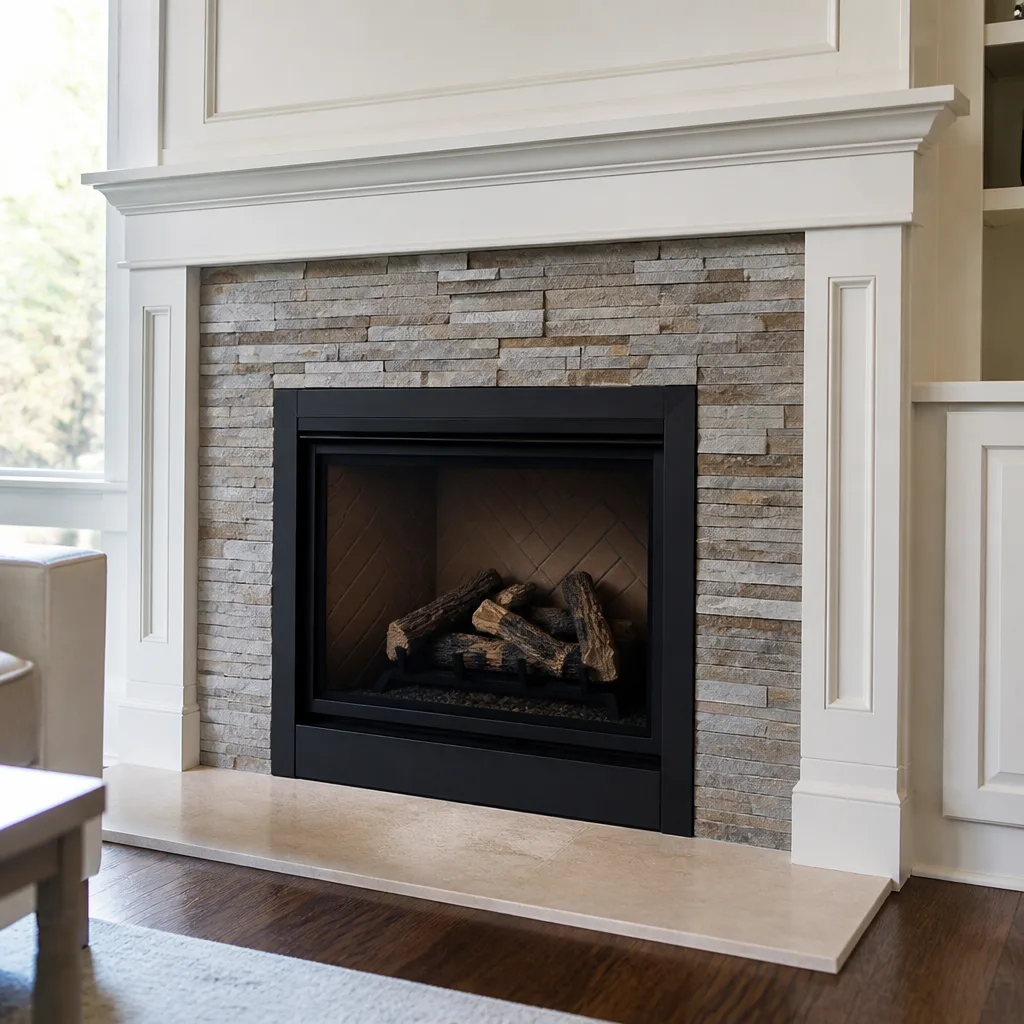 Gas fireplace service
Level 1 sweep and inspection to the NFPA 211 annual standard - flue, crown, cap, and flashing checked and photographed
Chimney sweep logs do not sweep chimneys. They loosen some creosote - which then falls where a brush and vacuum still have to collect it.
Chimney Sweep Maintenance Checklist for Simi Valley Homeowners
Most chimney maintenance checklists you’ll find online tell you to shine a flashlight up your flue and look around. Here’s the problem with that advice: the section of flue where most chimney fires actually start is physically impossible to see from the firebox opening. You’re getting false confidence from a check that can’t see the danger zone. This guide draws an honest line between what you can inspect yourself in Simi Valley and what requires a trained eye with a camera, so nothing dangerous slips between professional visits.
Quick Answer
A proper chimney maintenance routine in Simi Valley has two layers: monthly homeowner checks you can do yourself (firebox, damper, visible masonry, cap from the ground) and annual or usage-based professional inspections with a camera that reach the flue sections you can’t see. The most important homeowner skill is knowing which warning signs mean stop using the fireplace today versus which ones can wait for a scheduled visit. Most Simi Valley homes with regular fireplace use need a professional chimney sweep once per cord of wood burned, or annually for gas fireplaces.
Styles & brands we work with
- Sweep & inspection
- Caps & crowns
- Flue relining
- Masonry repair
- Gas fireplace service
Table of Contents
- Homeowner-Visible Checkpoints and What to Look For
- What a Visual Check Misses and a Camera Inspection Catches
- Maintenance Tied to Simi Valley’s Fire Season Calendar
- How to Log Usage to Predict Cleaning Intervals
- Warning Conditions That Stop Fireplace Use Immediately
- Issues That Can Wait for a Scheduled Visit
- The Overlooked Second Fire Risk: Dryer Vents
- What Sweep-to-Repair Continuity Actually Means for You
Homeowner-Visible Checkpoints and What to Look For
You can inspect five areas of your chimney system without special tools, and each one tells you something different about how your fireplace is performing. The goal here isn’t to replace a professional inspection. It’s to catch problems early enough that they don’t become expensive repairs or safety hazards between visits.
The firebox is the chamber where the fire burns. Look for cracked firebrick, gaps in the mortar joints, or a buildup of soot thicker than about an eighth of an inch. Hairline cracks in firebrick are normal and not urgent. Gaps where the mortar has fallen out between bricks can let heat reach the framing behind the firebox, and that’s a stop-burning condition.
The damper is the metal plate just above the firebox that opens and closes the flue. It should move freely without sticking. A damper that’s rusted open means heated air from your home escapes up the chimney year-round. A damper that’s stuck closed means smoke pours into the living room. Operate it once a month and listen for grinding or resistance.
The smoke shelf is the flat area just above the damper. You can’t see it without a mirror or camera, but you can learn a lot from what falls onto it. If you’re finding chunks of creosote or debris in the firebox, the smoke shelf above is catching and holding them, and that’s a sign of heavy flue buildup deeper up.
The crown is the concrete or mortar slab on top of the chimney. From ground level you can often see cracks with binoculars. A cracked crown lets water into the chimney structure, and in Simi Valley’s hot, dry summers water intrusion is often followed by flaking masonry and failing mortar. Any crack wider than a pencil lead warrants a closer look.
The cap sits on top of the flue. It should be in place, not tilted, and the mesh around it should be intact. A missing or damaged cap in Simi Valley means starlings and rats can use your flue as a nesting site during nesting season, and nests are both a blockage and a fire load.
What a Visual Check Misses and a Camera Inspection Catches
A homeowner’s visual check stops at the smoke shelf. Above that point the flue bends, narrows, and runs through the structure of the home. That entire upper section is where most creosote accumulates because that’s where flue gases cool and condense. It’s also exactly where a flashlight from the firebox can’t reach.
A camera inspection sends a small video probe up the full length of the flue. What it shows that a visual check can’t:
- Creosote thickness at the top third of the flue, where the darkest, most dangerous Stage 3 glaze forms
- Cracks or gaps between clay tile liner sections that you’d never feel from below
- Hidden animal nests or dead birds that are partially blocking the flue
- Rusted-out damper assemblies above the visible section
- Masonry gaps inside the flue that let combustion gases reach the home’s structure
- Liner damage that makes the chimney unsafe even when it looks clean from the firebox
This is why a professional chimney sweep in Simi Valley isn’t just about brushing soot. The camera footage is what tells us whether the flue is actually safe to burn, not just clean-looking. When a chimney looks clean from the firebox but the camera shows glaze buildup two stories up, that’s the difference between an honest assessment and a guess. We show homeowners the footage, because nobody should be told they need thousands of dollars in liner work without seeing the evidence for themselves.
Maintenance Tied to Simi Valley’s Fire Season Calendar
Simi Valley doesn’t get snow, but the maintenance calendar here isn’t about winterizing. It’s about the rhythm of burn bans, Santa Ana winds, and the practical reality that most households light their fireplaces from Thanksgiving through Valentine’s Day, then ignore the chimney for the rest of the year.
October to early November: This is the window to have the chimney swept and inspected before regular burning starts. Simi Valley sees air quality burn restrictions during certain conditions, and homeowners who wait until the first genuinely cold evening often find themselves on a long waitlist. Book early, not during the first cold snap.
December through February: Regular use season. This is when your usage log matters most. If you burn a cord of wood between Thanksgiving and February, you’ve hit the typical threshold for needing another sweep before next season. Gas fireplace users who run the unit most evenings should be thinking about an annual inspection at minimum.
March through May: Post-season assessment. After the last fire of spring, check the firebox for debris, run the damper, and look for any new cracks in the crown or visible masonry. Wet winter rain followed by dry heat can work mortar loose, and spring is when it shows.
June through September: The dormant season is actually the best time for repairs. Chimney repair in Simi Valley during summer means no conflict with burning season, faster turnaround, and no rush to get the fireplace back online. It’s also when animals are most likely to nest in an uncapped chimney, so a summer check is worth doing even if you don’t burn until fall.
Santa Ana season deserves special attention. High winds can dislodge caps, damage mortar, and blow debris onto the roof and chimney crown. After a strong Santa Ana event, take a ground-level look at the cap and crown. If the mesh is dented or the cap looks off-kilter, a professional should inspect it before you burn again. This is the one local weather pattern that realistically affects Simi Valley chimneys year-round.
How to Log Usage to Predict Cleaning Intervals
The honest answer to “how often should I sweep my chimney?” is that it depends on how you burn and what you burn. A fireplace that sees weekend fires with seasoned oak needs attention at different intervals than an insert burning soft wood every night. Careless burning with unseasoned wood can create dangerous glaze buildup in a single season.
A usage log doesn’t need to be complicated. A simple notebook by the wood rack or a note on your phone covers it. Here’s how to build one that actually predicts when you need service:
- Record the date each time you burn. A quick line with the date and approximate burn time is enough.
- Track the volume of wood. Most homeowners find “cords” too abstract. Instead track “face cords” (a stack 8 feet long, 4 feet high, and 18 inches deep) or simply count the number of loads you put through the firebox.
- Note the wood type. Oak and almond burn clean and hot. Pine and soft woods burn faster and cooler, producing more creosote. The type matters as much as the volume.
- Check for signs of moisture. Wood that hisses or bubbles at the ends when burning is still too wet. Wet wood is the single largest contributor to creosote buildup in Simi Valley, where what’s sold as seasoned isn’t always actually seasoned.
- For gas fireplaces, track hours. If your gas logs run 4 evenings a week through winter, that’s roughly 150-200 hours per season. Annual inspection is appropriate at that level. Occasional use may stretch to 18-24 months, but don’t push past two years even with light use.
The rule of thumb we give Simi Valley homeowners: schedule a sweep after approximately one cord of wood burned. If you don’t keep the log, you’re guessing. If you keep it, the log tells you with useful precision when the chimney is due, and you never burn through a question that should have been answered weeks earlier.
Warning Conditions That Stop Fireplace Use Immediately
Some problems are urgent. These are the conditions where you stop using the fireplace or stove today and phone a professional before the next fire:
- Smoke rolling into the room when the damper is fully open. This indicates a blockage, a damaged flue, or a draft problem, and continuing to burn means pumping combustion gases into your living space.
- A strong chimney odor in summer, especially on humid days, that wasn’t there before. This usually means a significant creosote accumulation that’s off-gassing. It’s a warning sign, not a normal smell.
- Visible cracks wider than about 1/8 inch in firebrick or gaps between firebricks where mortar has fallen out. Heat escaping through those gaps can reach combustible framing.
- Flakes or chunks of creosote falling into the firebox. Creosote doesn’t flake off a clean flue. If you’re finding pieces, the buildup above is significant.
- Water in the firebox or water stains on interior walls near the fireplace. Water intrusion is damaging the structure regardless of whether you burn.
- Any unusual sound from the flue: scratching, chirping, or flapping. That’s an animal, and burning with a nest in the flue is a fire hazard.
- Gas odor from a gas fireplace when the unit is off. This is not a chimney issue alone and needs immediate professional attention.
If you’re unsure whether a condition is urgent, err on the side of stopping use and calling. A phone call is free. A chimney fire is not.
Issues That Can Wait for a Scheduled Visit
Not everything requires urgent action. Some conditions can safely wait until your next scheduled sweep or a convenient appointment time:
- Light soot buildup at the firebox level. Soot is normal. It’s the byproduct of burning and doesn’t signal danger unless it’s thick or oily.
- Hairline cracks in firebrick that haven’t widened. Firebrick is designed to withstand thermal cycling, and fine surface cracks are common.
- A damper that’s a bit stiff but still moves. It’s a maintenance item, not an emergency.
- Minor rust on the damper or firebox grate. Rust happens. It only becomes an issue when it compromises function.
- Cosmetic masonry wear: small spalling areas on exterior brick that aren’t structural. This is something to monitor and address when convenient.
- A missing or damaged cap mesh. While you should replace it, this can wait a few weeks as long as you’re not burning and you’re not in the middle of nesting season.
The distinction matters because honest chimney work means telling homeowners when something can wait. A company that treats every issue like an emergency is selling fear, not service. Our approach in Simi Valley is straightforward: we tell you what’s urgent, what can wait, and what’s cosmetic. You decide with real information.
The Overlooked Second Fire Risk: Dryer Vents
Chimney maintenance checklists almost never mention dryer vents, but if you’re in Simi Valley taking fire prevention seriously, the dryer vent belongs on the same list. Dryer vents are a leading residential fire cause, and unlike a chimney, the vent is something most homeowners never think about until the dryer stops working.
A clogged dryer vent doesn’t always show obvious symptoms until it’s seriously blocked. Clothes take longer to dry. The dryer feels hot to the touch. The laundry room gets humid. All of those are late-stage warning signs that the vent has been accumulating lint for months or years.
This is why we include dryer vent cleaning alongside chimney service. Two fire risks, one call. The venting knowledge from working with Famco-grade materials means we’re not just brushing lint; we’re checking the entire vent run for proper termination, airflow, and safety. Homeowners who schedule both services in one appointment save a second trip fee and get a single report covering both hidden hazards in the home.
In Simi Valley, where running the dryer year-round means the vent gets constant use, an annual dryer vent cleaning is a sensible interval for most households. Homes with long interior vent runs or multiple occupants should consider cleaning more frequently.
What Sweep-to-Repair Continuity Actually Means for You
Here’s the typical experience with a sweep-only company: the technician sweeps the flue, cleans up, and hands you a report. If the camera found a cracked liner or damaged crown, you get a recommendation to call someone else. Then you’re back on the phone, scheduling another company, paying another service fee, and hoping the second contractor sees the same problem the first one did.
The single-provider model works differently. We use HeatShield and DuraFlex products because chimney repair is a core part of what we do, not a referral to someone else. When a sweep in Simi Valley turns up liner damage, the same crew can evaluate whether HeatShield resurfacing is appropriate or whether a DuraFlex liner replacement is needed. When the inspection finds a crown crack, we can repair it on the spot with materials from Olympia Chimney. When the cap is missing, we carry Copperfield options on the truck.
We find it, we fix it. That’s not a marketing slogan; it’s the practical difference between a technician who cleans and a team trained to sweep, inspect, and repair in one visit. The chimney work that matters in Simi Valley is rarely just soot. It’s usually structural, and it’s usually invisible. Being able to address it without a second company and a second round of scheduling is why the single-provider model exists.
Common Mistakes to Avoid
- Relying on a flashlight inspection from the firebox. You’re checking the one part of the flue you can see and missing the two-thirds where most fires start. This is the most common checking habit we see in Simi Valley, and it creates false safety.
- Burning unseasoned wood. Even in a mild climate, green or wet wood burns cool and deposits creosote quickly. Ask your wood supplier when the wood was split. Anything under 6 months is likely still too wet.
- Leaving the damper open during summer. It’s a small thing, but in Simi Valley’s hot summers an open damper pushes cooled air up the flue and invites insects, dust, and the occasional bird into the house. Close it when the fire is out.
- Assuming a gas fireplace doesn’t need service. Gas fireplaces produce less creosote, but they still need venting checks, burner inspection, and occasional cleaning. Neglected gas log vents can be just as hazardous as wood systems.
- Ignoring a missing cap because you don’t burn much. The cap isn’t about burning. It’s about keeping wildlife, debris, and water out of the flue. A chimney without a cap is an open pipe into the house.
- Delaying repair because the chimney “still works fine.” A cracked liner doesn’t stop the fireplace from functioning until it becomes a dangerous problem. By the time the symptom appears, the fix is often larger and more expensive. Early repair is cheaper repair.
See the difference
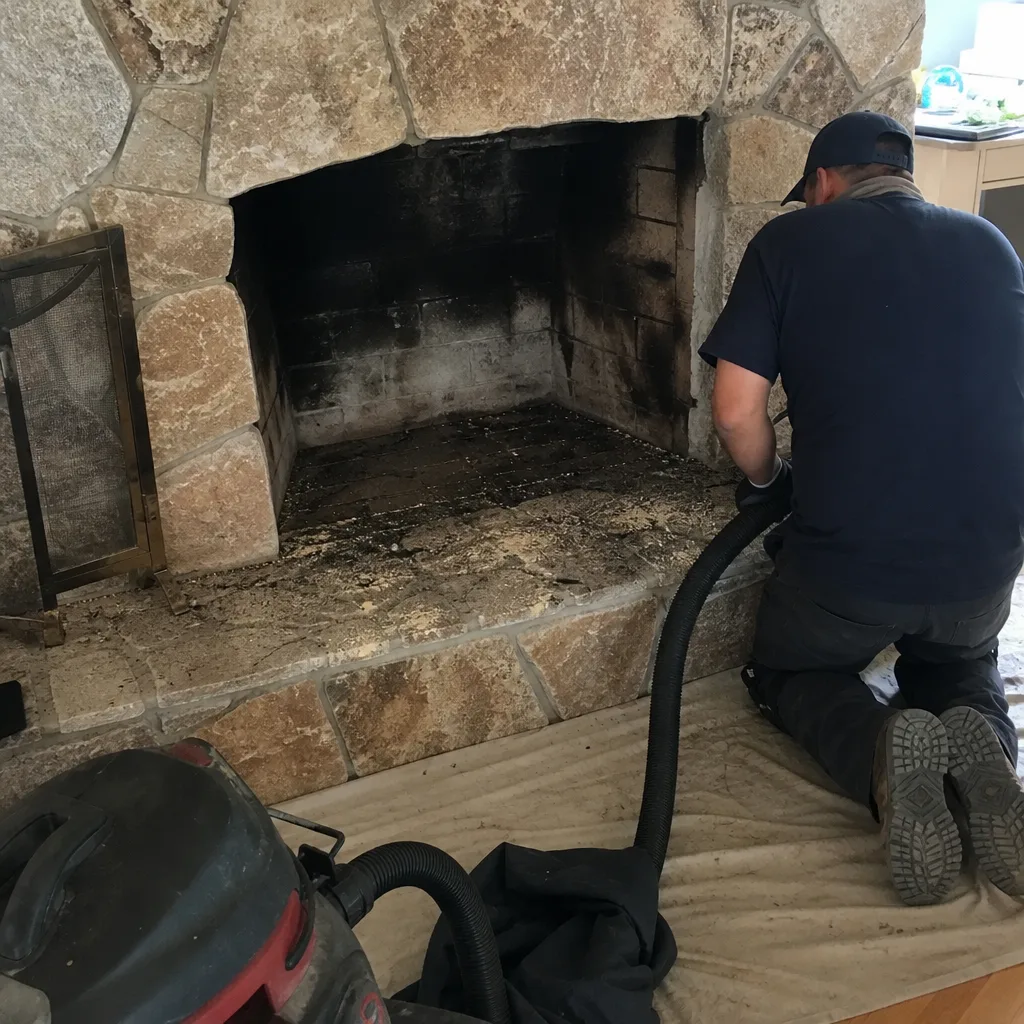 Before
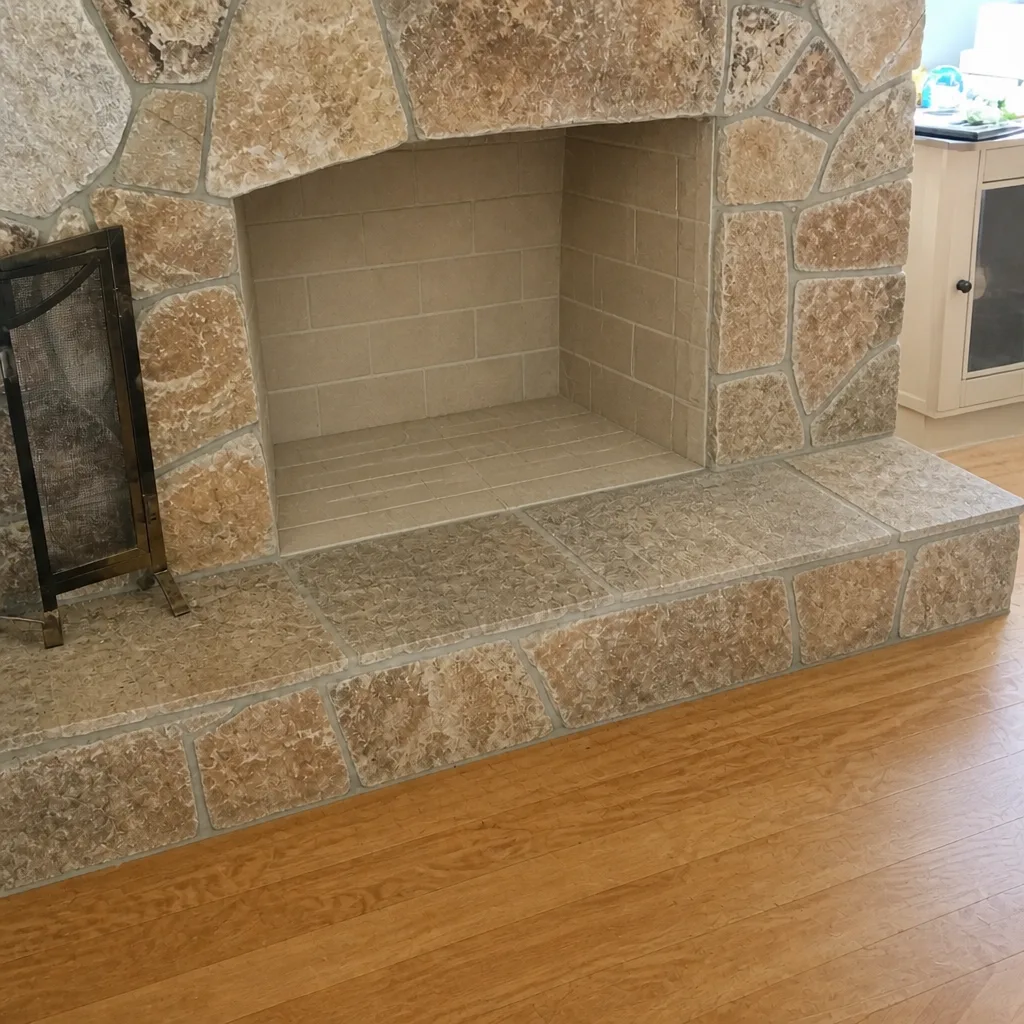 After
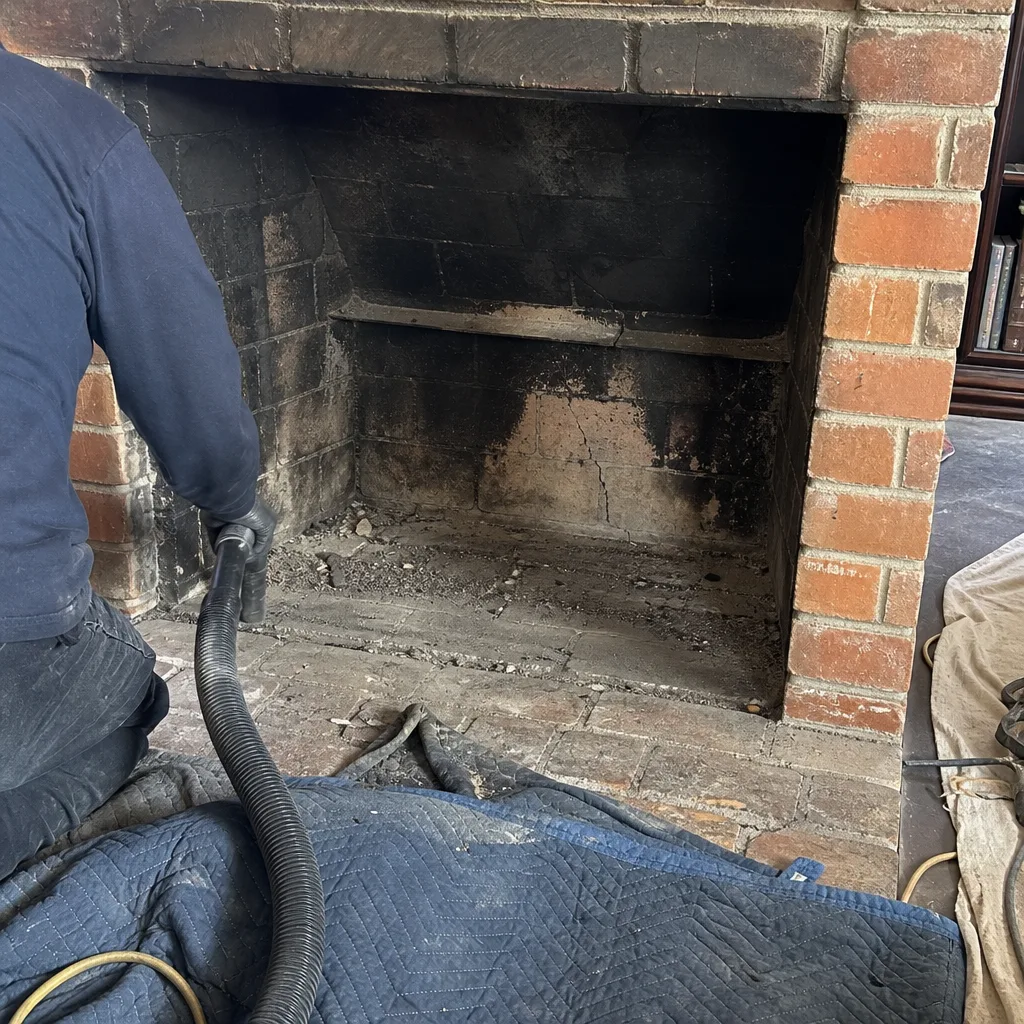 Before
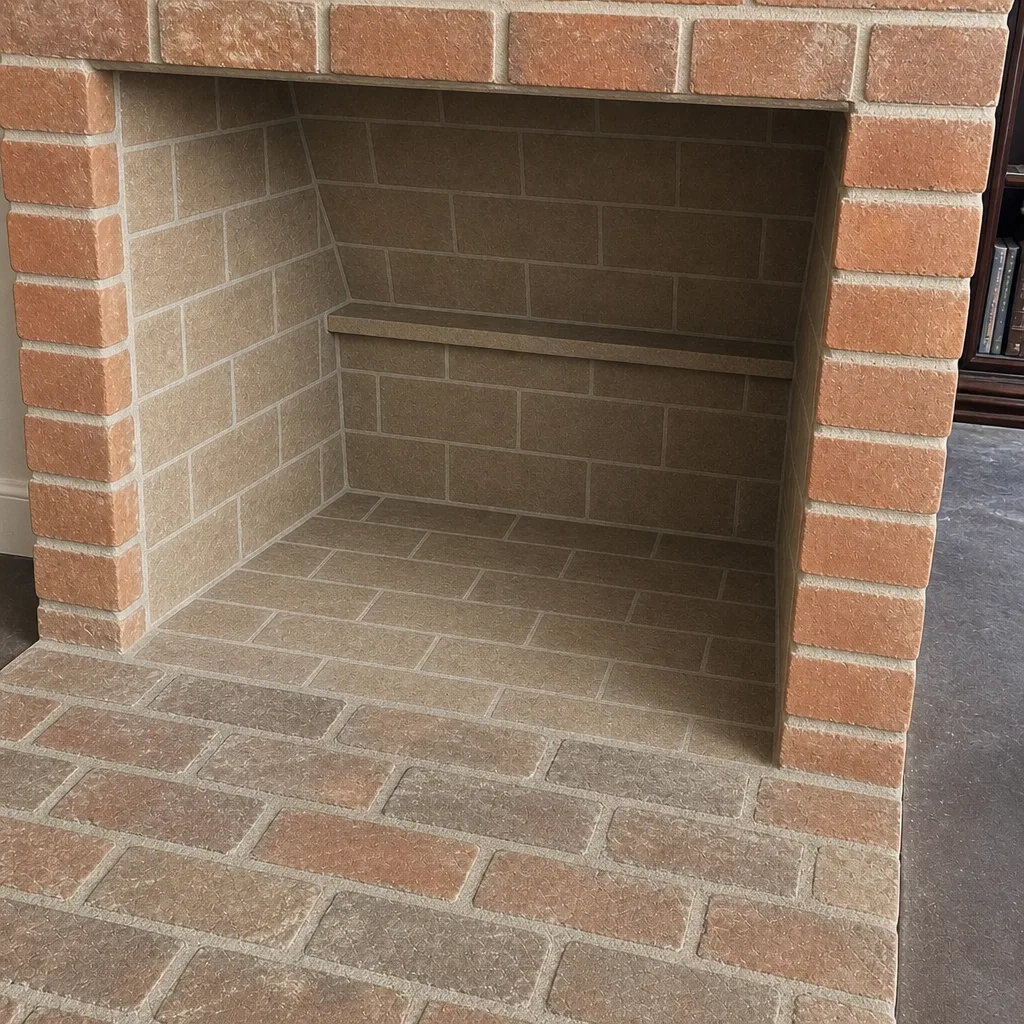 After
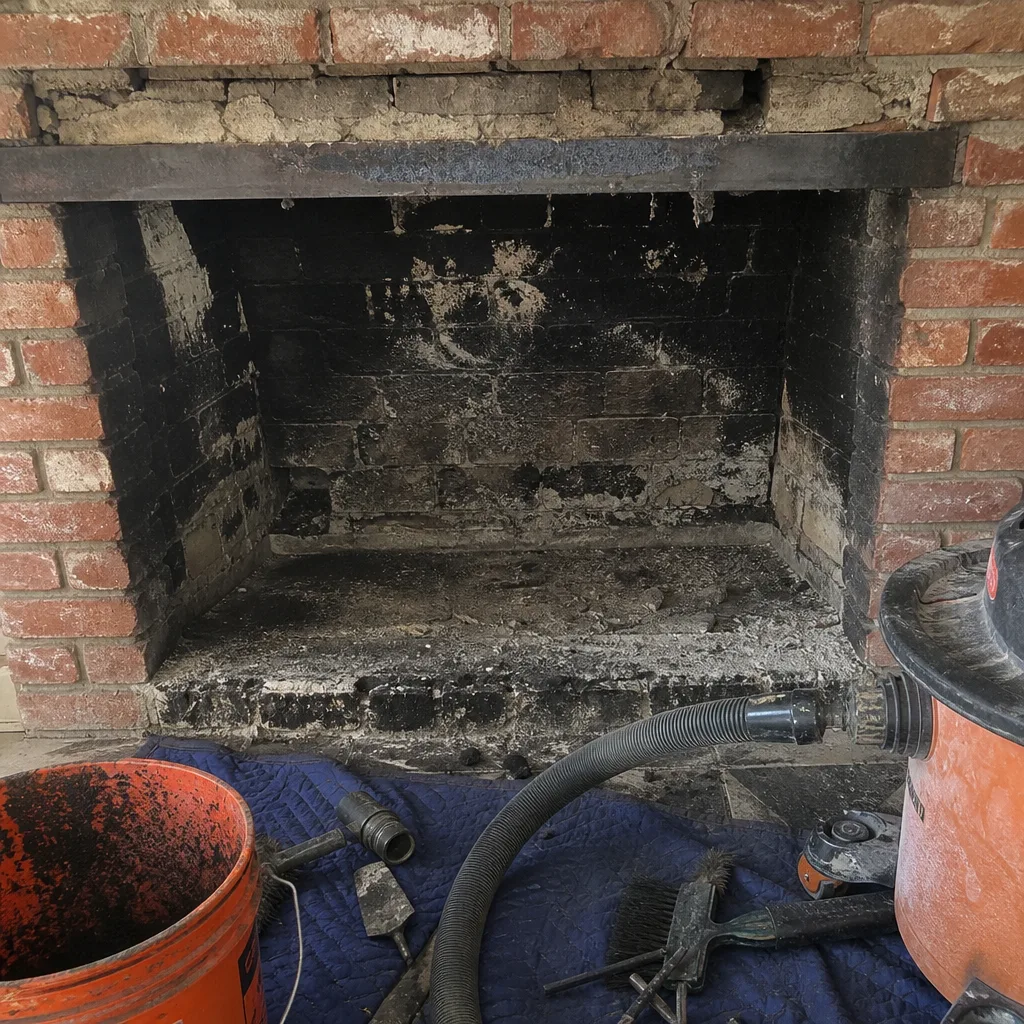 Before
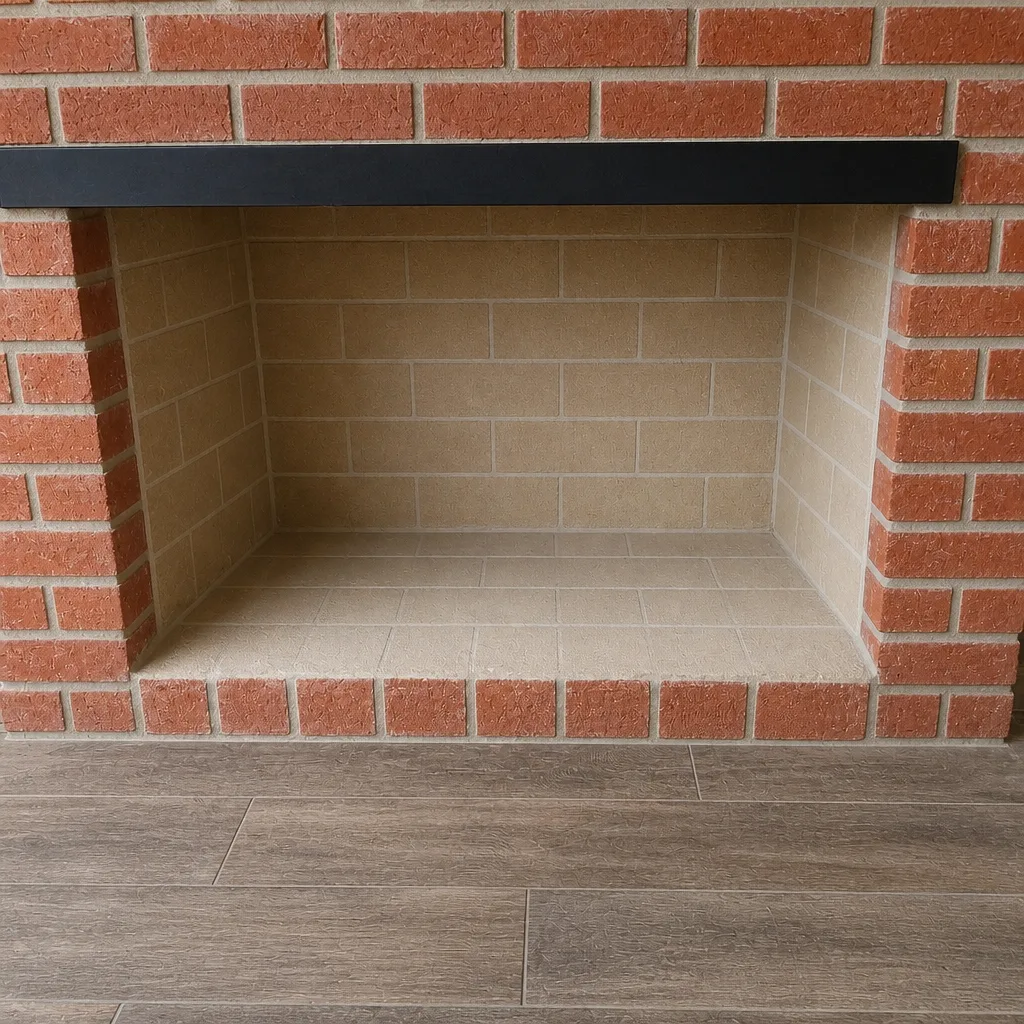 After
When to Call a Professional
Call for professional service when you see any of the stop-burning conditions listed above, when you’ve burned a cord of wood since the last sweep, when the camera footage from the last inspection recommended a follow-up, or when you haven’t had the chimney inspected in more than two years. Also call if you’re buying a home in Simi Valley with an existing fireplace: a pre-purchase chimney inspection is inexpensive insurance against inheriting someone else’s deferred maintenance. Chimney Sweep Simi Valley offers free estimates in Simi Valley. Call (833) 593-4098. We answer 24/7. Fast dispatch from 7am to 7pm, Sunday through Friday.
Frequently Asked Questions
A standard chimney sweep in Simi Valley typically runs between $180 and $340 depending on the chimney’s condition, height, and accessibility. Additional work like cap replacement or crown repair is priced separately by written estimate. The estimate is always free, and the final price is set before work begins. Call (833) 593-4098 for an exact quote.
In Simi Valley, sweep your chimney after approximately one cord of wood burned, or at minimum once per year if you use the fireplace regularly. Gas fireplaces should be inspected annually even with light use. The frequency tightens if you burn soft woods or unseasoned wood. Your usage log is the most honest predictor.
You might. Liner damage occurs where a homeowner’s visual check can’t reach, and a chimney that looks clean from the firebox can still have cracks, gaps, or glaze buildup in the upper flue. A camera inspection is the only way to answer this question honestly. We don’t recommend liner work without showing you the footage that justifies it.
Creosote continues to accumulate with every fire. At a certain thickness it becomes a fire hazard, and that hazard is invisible from ground level. A chimney fire can crack the liner, damage the structure, and spread to the home’s framing. Skipping a sweep doesn’t save meaningful money; it just defers a maintenance cost into a potential repair cost.
You can purchase a brush and rods, but you can’t inspect what you’re cleaning, and the upper third of the flue is where the danger concentrates. A trained chimney sweep in Simi Valley brings a camera and the ability to evaluate whether the flue is actually safe to burn. The sweep itself is only half the service. The inspection is the other half.
Yes. Simi Valley has active bird and rodent populations, and an uncapped chimney is an open invitation. A cap also blocks rain from entering the flue, which over time causes masonry damage. If the cap is missing or damaged, it’s a simple replacement, and it’s one of the most cost-effective protections you can add. Call (833) 593-4098 for a free estimate.
The Bottom Line
A useful chimney maintenance checklist for Simi Valley homeowners does two things: it tells you what you can actually see and check on your own, and it makes clear what you can’t. The danger zone in a chimney is the upper flue, and no flashlight from the firebox will ever show it to you. That’s what a camera inspection is for. Keep your usage log, check the firebox and damper monthly, watch the crown and cap after Santa Ana winds, and schedule professional service when the log says you’ve burned a cord. It’s not complicated, but it is specific. Do the visible checks, book the camera work, and burn with confidence.
Written by the team at Chimney Sweep Simi Valley, serving Simi Valley since 2015.