
Last updated November 4, 2026
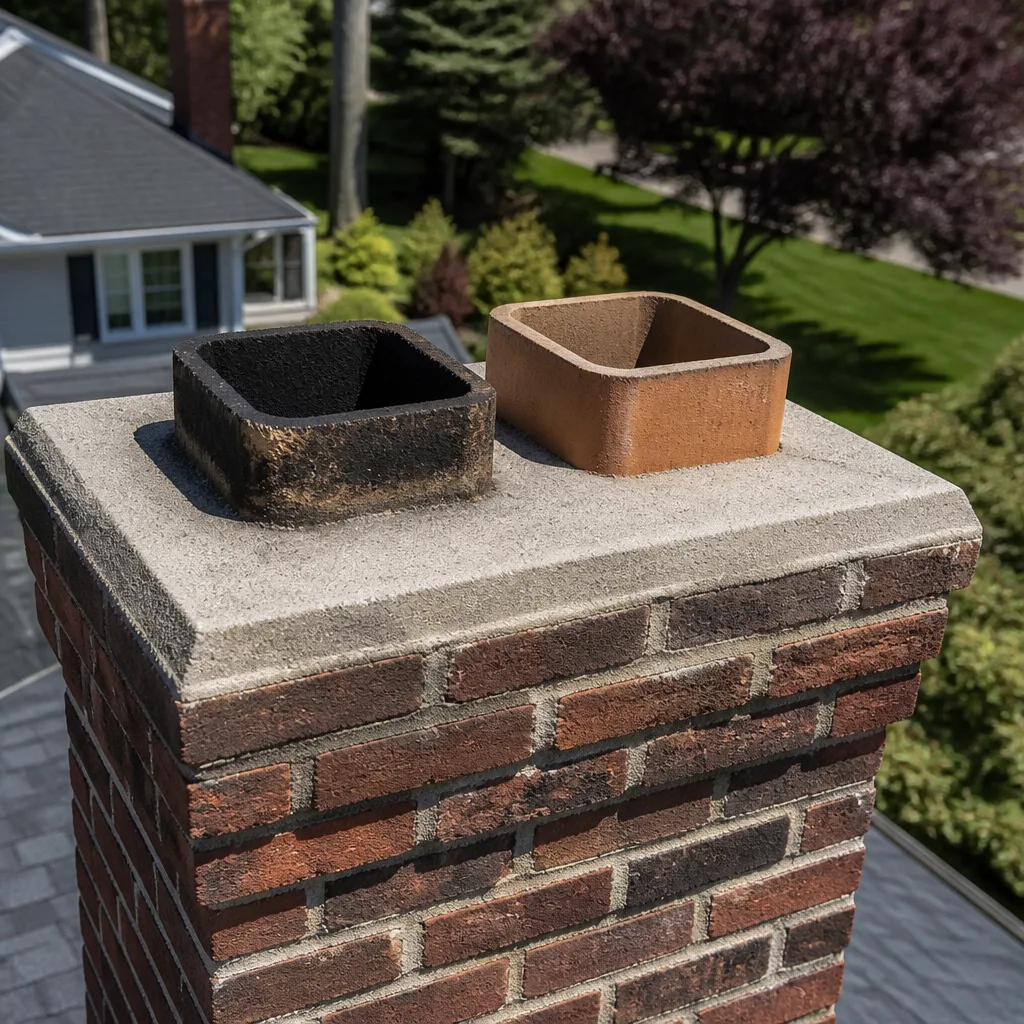 Sweep & inspection
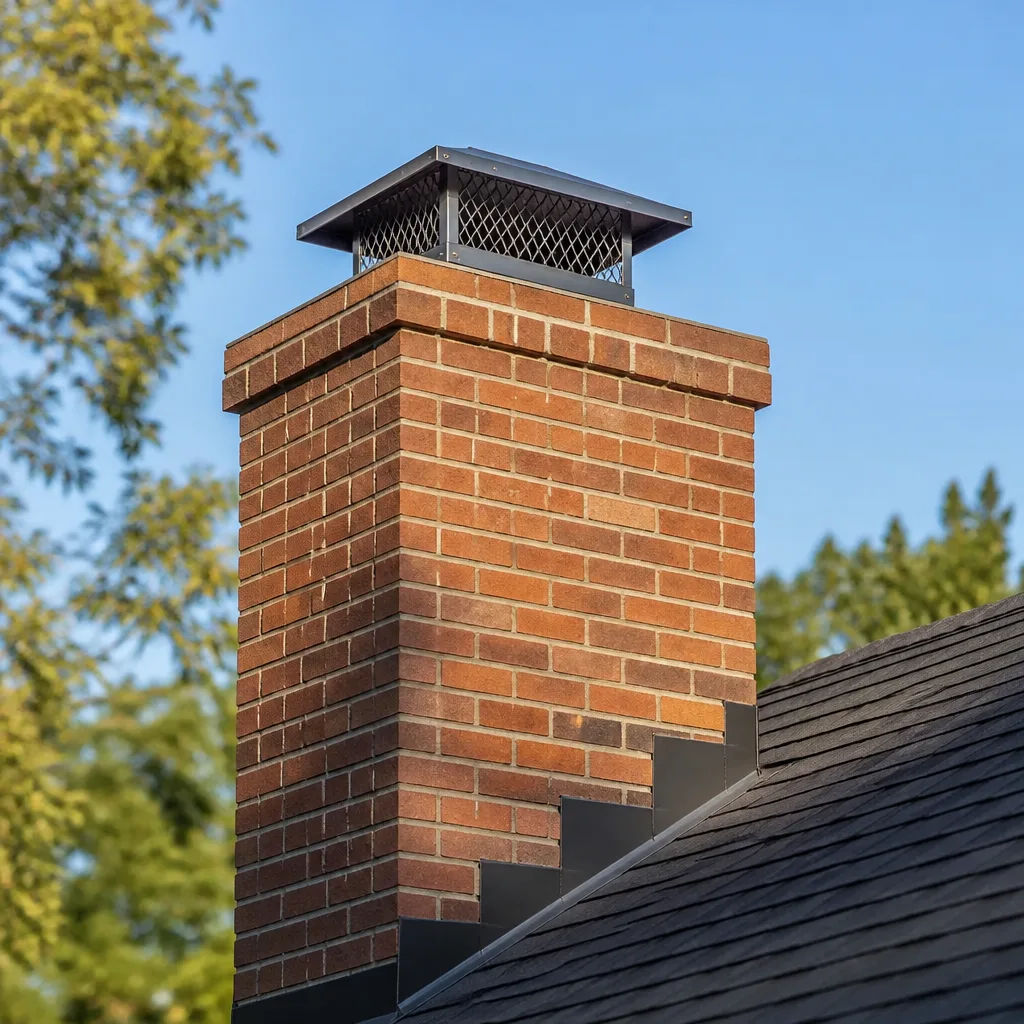 Caps & crowns
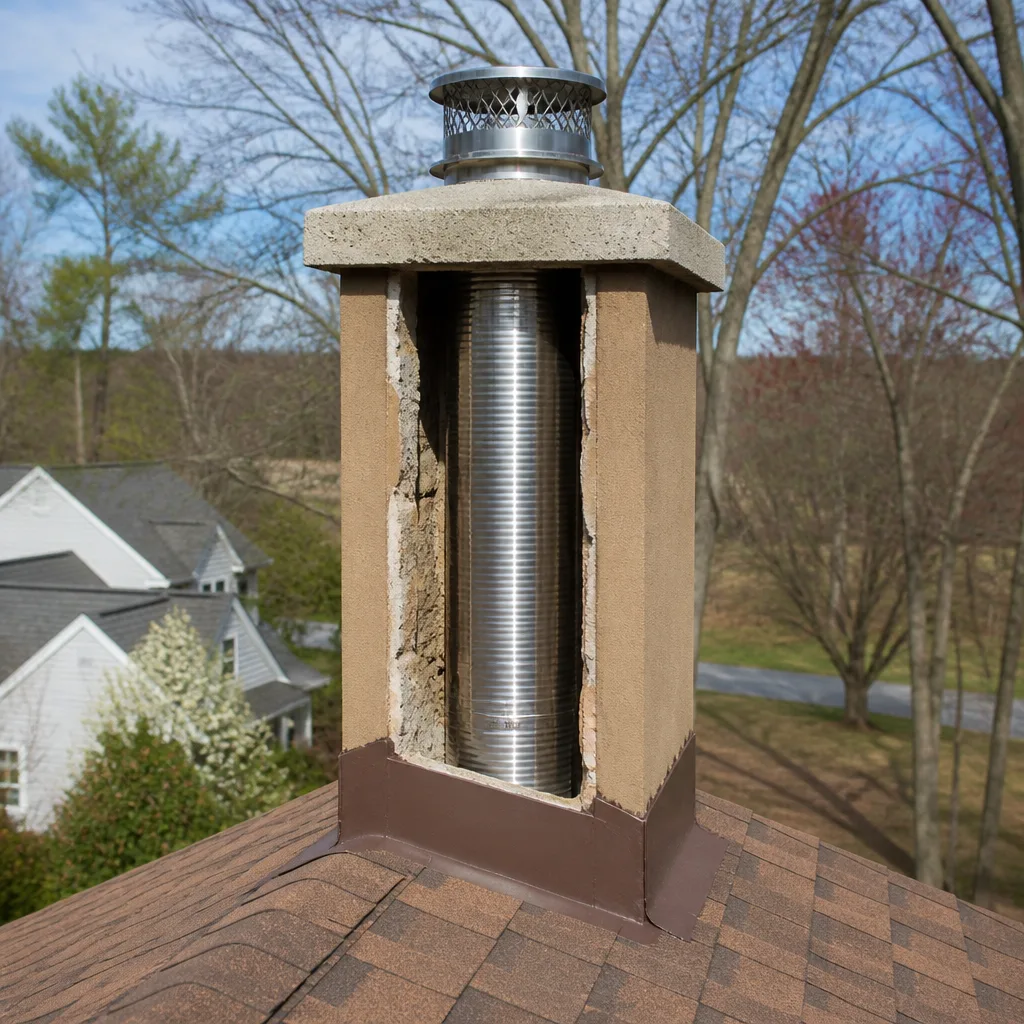 Flue relining
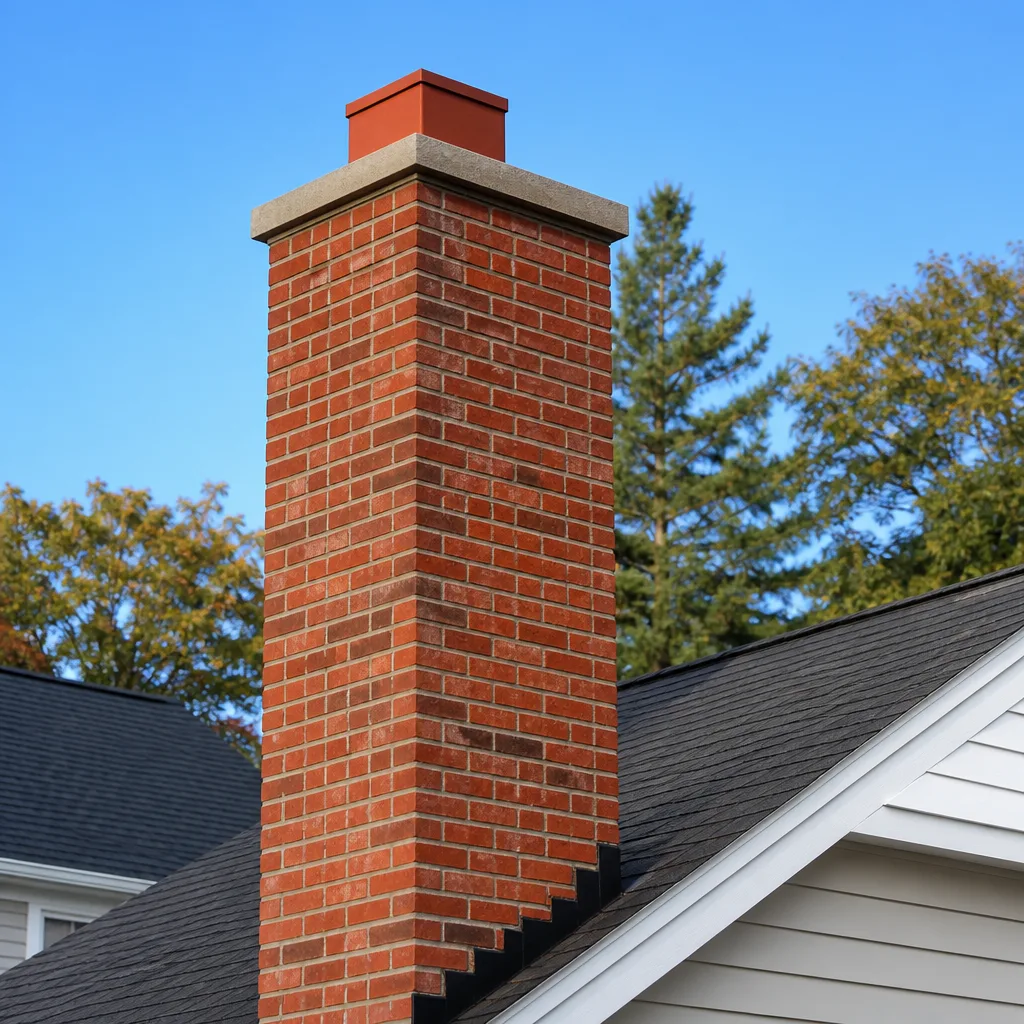 Masonry repair
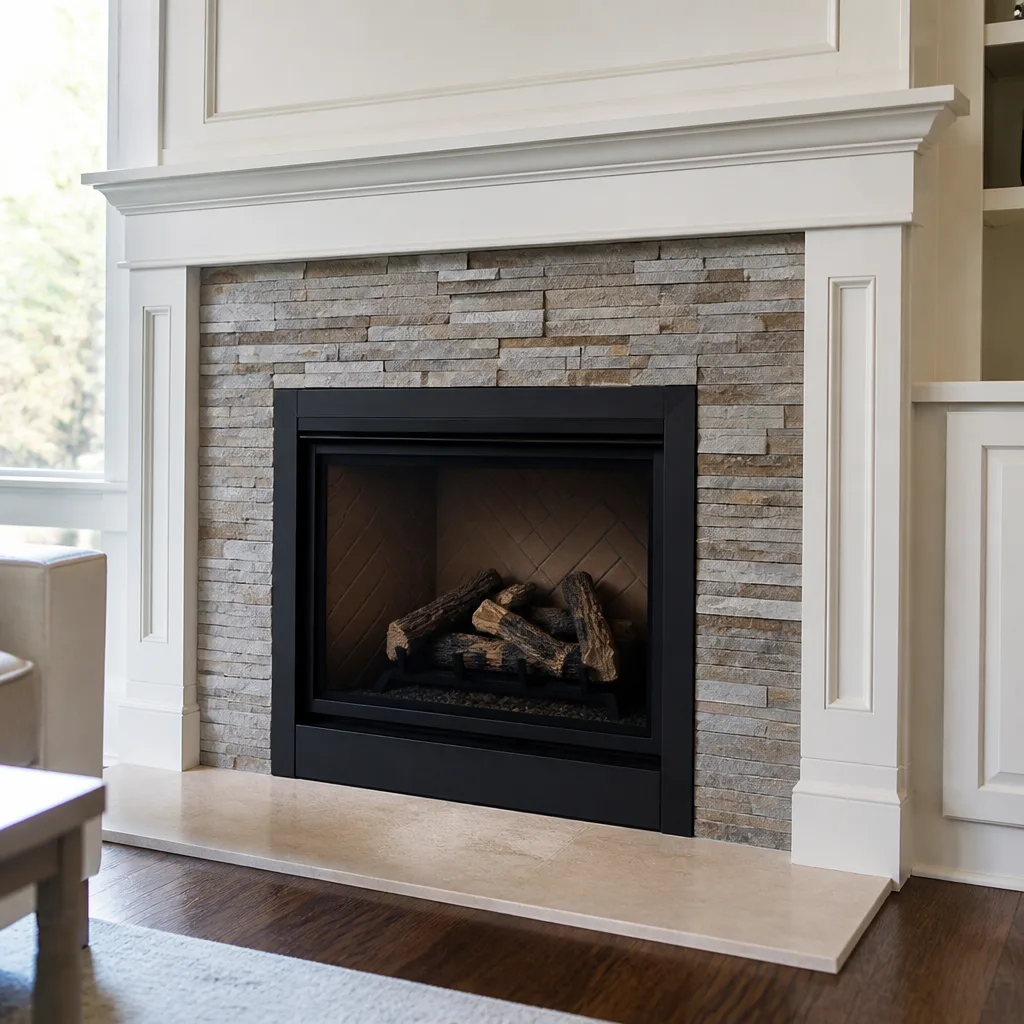 Gas fireplace service
Level 1 sweep and inspection to the NFPA 211 annual standard - flue, crown, cap, and flashing checked and photographed
Chimney sweep logs do not sweep chimneys. They loosen some creosote - which then falls where a brush and vacuum still have to collect it.
Choosing the Right Chimney Cleaning Brand: A Buyer’s Guide for Simi Valley
Most homeowners start their search for a chimney company by comparing prices for a standard sweep. That’s a mistake, and here’s why: a cleaning alone rarely solves the real problem. What separates one chimney service from another in Simi Valley isn’t the brush they run up your flue. It’s the materials, training, and repair capability they bring when the cleaning uncovers something wrong. This guide explains what to look for past the sweep itself, so you can choose a provider who can actually keep your fireplace safe to burn all year.
Quick Answer
Choosing the right chimney cleaning brand in Simi Valley comes down to repair capability and material quality, not just sweeping technique. Look for a company that works with professional-grade liner and sealant brands like DuraFlex, HeatShield, or Olympia Chimney, and one that can fix problems found during the sweep rather than handing you off to another contractor. A sweep-to-repair provider gives you one accountable team from inspection to resolution.
Styles & brands we work with
- Sweep & inspection
- Caps & crowns
- Flue relining
- Masonry repair
- Gas fireplace service
Table of Contents
- Why the Cleaning Process Is Largely Standardized
- Where Real Differentiation Shows Up
- Understanding Liner Systems: Cast-in-Place vs. Stainless vs. Rigid
- Chimney Sealants and Crown Coatings: Hardware Store vs. Professional Grade
- How to Evaluate a Company’s Repair Capability
- What Documentation and Warranty Terms Reveal
- What Simi Valley Homeowners Should Know
- Common Mistakes to Avoid
Why the Cleaning Process Is Largely Standardized
Here’s a truth most companies won’t lead with: the actual chimney sweep is the most standardized part of the job. Proper sweeping means running the right brush through the flue, containing the dust, and vacuuming everything out. The tools and techniques we use for a standard cleaning look similar from one competent provider to the next. What shifts company to company is whether they start that process with a camera inspection, and what they’re capable of doing when that camera reveals something the brush can’t fix.
In Simi Valley, we sweep masonry fireplaces, prefab units, and wood stoves throughout the year, though most homeowners book before the cooler months. The basic protocol stays consistent. Set up drop cloths. Protect the floor. Run the brush. Remove the creosote and soot. Inspect the flue. But the inspection findings are where things diverge sharply. A sweep-only company will hand you a list and suggest you call someone else. A full-service chimney repair provider can open the truck, pull out the right materials, and address the top of the list before we leave.
That continuity is the core financial reason to be picky. You are not paying for a better brush. You are paying for a better outcome if the sweep finds damage. And in our experience, a meaningful share of chimneys that have not been maintained for several years will need at least a small repair beyond the cleaning.
Where Real Differentiation Shows Up
Once you accept that the sweep is fairly uniform, you can start evaluating companies on the things that actually vary. Three areas matter most.
- Repair capability on staff. Does the technician who cleans your chimney also have the training and materials to repair it? A company that stocks and installs products from brands like DuraFlex, HeatShield, Gelco, Olympia Chimney, Famco, and Copperfield is signaling something specific: they do more than surface maintenance. They can address structural and liner issues in one visit.
- Material quality. A HeatShield resurfacing system or a DuraFlex liner is not the same as a patch job with off-the-shelf cement. The material difference is lifespan. Homeowners who install professional-grade liners rarely revisit the problem. Those who accept a quick patch often pay again in a few years.
- Inspection depth. A sweep that begins with a camera inspection tells you the truth about your flue. A sweep that skips the camera saves ten minutes and leaves you uninformed. We always document what the camera shows so you can see the problem yourself, not just hear a verbal report.
In other words, don’t hire a chimney company for the part of the job every decent company does the same. Hire them for the part of the job most companies can’t do at all. A provider who sweeps, inspects, and repairs in one visit removes the referral gap where problems get forgotten.
Understanding Liner Systems: Cast-in-Place vs. Stainless vs. Rigid
When a camera inspection reveals a cracked clay liner or a flue that’s no longer safe to use, you’re suddenly in the liner market. This is the single most consequential purchase decision in chimney repair, and it’s where material knowledge separates specialists from sweep-only companies.
There are three main approaches. Each has a proper application, and none is universally correct.
- Cast-in-place systems. Products in this category, like HeatShield, restore a damaged flue by applying a ceramic-based material directly to the existing walls. The result is a smooth, insulated, code-compliant surface. Cast-in-place is often the least invasive option because it does not remove the original flue. It works well when the existing chimney structure is sound and the liner is damaged but not collapsed. The downside is that it requires a trained applicator; you don’t want a generalist experimenting with it.
- Flexible stainless steel liners. A DuraFlex liner is a flexible stainless tube that slides down the existing flue. It is the standard solution for wood stoves and inserts, and it’s also used for masonry fireplaces. Flexible liners are durable, UL-listed for the appliances they serve, and relatively straightforward to install. The material itself carries a strong lifespan. Proper sizing and insulation matter; a liner that’s too small restricts draft, and a liner that’s poorly insulated can condense creosote.
- Rigid stainless steel liners. Rigid sections lock together and are most often used when the flue is straight and the appliance demands a specific diameter. They are excellent for venting gas and oil appliances, and they’re less likely to sag or twist over long runs. The install is more involved, and the chimney usually needs to be able to accommodate the rigid sections without complex offsets.
Simi Valley has plenty of older homes with original clay tile liners, and those liners are now decades old. When we inspect a 1970s or 1980s-era chimney, cracks and missing mortar joints are common findings. The liner decision then comes down to fuel type, appliance, and the condition of the surrounding structure. A company that knows the difference between cast-in-place and flexible stainless can explain why one is the right call for your situation. A company that only does one thing will always recommend that thing.
Chimney Sealants and Crown Coatings: Hardware Store vs. Professional Grade
The chimney crown is that concrete slab at the very top of the chimney. Its job is to shed water away from the flue and the masonry below. When it cracks, water gets in. And water is the slow killer of every chimney in Simi Valley, even though our winters are mild and we never deal with freeze-thaw cycles the way colder climates do.
The typical hardware store response is a tube of silicone caulk or a bucket of generic sealant. Here’s the honest problem: most of those products are not formulated to handle the expansion and contraction of a masonry crown through even our moderate temperature swings. They fail, water continues to enter, and the crack returns. You’ve spent money and gained almost nothing.
Professional-grade crown repair uses coatings and sealants built specifically for masonry chimneys. These products flex with the structure, bond to concrete, and are designed to be recoated rather than ripped out. The difference in a Simi Valley chimney is longevity. A properly sealed crown with a professional product can go years before it needs attention. A hardware store patch can fail within a season or two, and the homeowner never sees the damage until the ceiling shows water stains.
This is another area where the brand question matters. We stock chimney-specific sealants and crown coatings because they do the job. We don’t send a technician to a big-box store to pick up whatever caulk is on sale. When we seal a crown, we want the next inspection to show a crown that is still doing its job, not a crack that’s already opening back up.
How to Evaluate a Company’s Repair Capability
So how do you tell, before you ever call, whether a chimney company can actually repair what it finds? Most websites claim they can. The question is how to verify it. Here’s a methodical way to evaluate a provider.
- Ask what happens when the camera finds damage. The best answer is some version of: we can usually handle it on the spot, and we’ll show you the photo report first. A weak answer is: we’ll note it on your report and recommend a mason. If discovering damage means a second contractor, you’ve lost the continuity that makes the first appointment valuable.
- Ask which liner and sealant brands they work with. If the person on the phone can’t name the product lines they install, that’s a signal. A repair-capable company will mention specific professional brands. They don’t have to recite a catalog, but they should be comfortable saying something like Olympia Chimney caps, Famco connectors and vents, or DuraFlex and HeatShield for liners and resurfacing.
- Ask if dryer vent cleaning is done in-house. This is a useful tell. A chimney company that also provides dryer vent cleaning is thinking about fire risks holistically, and they usually have the duct inspection equipment and repair knowledge to match. It’s not proof of chimney repair skill, but it’s a sign of a more complete service mindset.
- Ask about the inspection report. We believe you should see what we see. A camera inspection with a photo report means nothing gets recommended without evidence. If a company won’t show you the camera feed or can’t provide still images, be cautious about any repair they quote.
- Watch for pressure. A professional will tell you what needs attention now and what can safely wait. A sales operation will make everything sound urgent. Our job is to give you enough information to make a sound decision, not to scare you into a same-day liner replacement.
None of this is hard to ask, and the answers are usually revealing within the first phone call. You’re hiring a specialist, so interrogate the specialty.
What Documentation and Warranty Terms Reveal
Warranty language is one of the most overlooked parts of choosing a chimney company, and it’s also one of the most revealing. A company that installs a liner but won’t stand behind the work is telling you something with fine print.
Professional-grade materials generally come with manufacturer-backed specifications. When a company installs a DuraFlex liner or a HeatShield resurfacing job, the material has defined performance characteristics and a traceable product identity. That matters if something goes wrong. A company using unbranded or generic materials often can’t produce documentation, which means you have no recourse and no clarity about what was actually installed.
You should also ask what the written warranty covers and for how long. Not every job carries a long warranty, and that’s fine; the key is that the terms are explicit and in writing. A written estimate that lists the materials by brand and describes the scope in plain language is the minimum standard. If the quote is vague about materials, ask for specificity before you sign.
And keep the documentation. In Simi Valley, we’ve returned to homes years after an install and been able to identify the liner and its condition because the homeowner kept the paperwork. Without it, every future inspection starts from scratch. Good providers leave a paper trail. It’s part of the craft.
What Simi Valley Homeowners Should Know
Simi Valley’s climate is easier on chimneys than a lot of the country. We don’t get the freeze-thaw stress that destroys masonry in the Northeast or the Midwest, and we’re not a coastal town fighting salt air and marine corrosion. That’s genuinely good news. But it does not mean chimneys here can be ignored.
The two issues we see repeatedly in Simi Valley homes are routine creosote buildup from wood-burning fireplaces and slow water intrusion through crowns and flashing. Creosote forms regardless of climate, and it’s the leading cause of chimney fires. Water is quieter but equally persistent. A small crown crack lets moisture into the masonry, and over years that moisture degrades the structure without any visible warning from outside.
One seasonal note: many homeowners in Simi Valley use their fireplaces mostly between late fall and early spring. That means the best time to schedule a Chimney Sweep Simi Valley service is before burning season begins, not after the first fires have already been lit. Booking early means the inspection and any needed repairs are done before you want to use the fireplace, not during the first cold snap when every chimney company is booked out.
Homes in neighborhoods like Wood Ranch, Big Sky, and central Simi Valley include a mix of older masonry chimneys and newer prefab units. Each requires a different inspection approach and a different set of repair options. A provider who works across the city sees that full range, not just one chimney type.
Common Mistakes to Avoid
- Hiring based on sweep price alone. The sweep is the standardized part of the service. If a company is drastically cheaper, ask what they leave out. Usually it’s the camera inspection, the depth of repair capability, or both.
- Ignoring the liner question until it’s an emergency. A cracked liner is not cosmetic. It’s a fire and carbon monoxide risk. Waiting until the fireplace is unusable means choosing under pressure, and that’s when bad decisions get made.
- Using hardware store sealants on a crown. This is the most avoidable problem we see. The product fails quickly, water keeps entering, and the repair cost is higher later because the masonry has absorbed another season of moisture.
- Assuming all liners are the same. Cast-in-place, flexible stainless, and rigid stainless are different products for different applications. A company that explains the difference is worth more than one that just quotes a price for “a liner.”
- Not asking for a photo report. If you can’t see the problem, you can’t evaluate the recommendation. Always ask for camera documentation of any proposed repair.
- Forgetting the dryer vent. A home’s dryer vent is a hidden fire risk, and an appointment that includes both dryer vent cleaning and a chimney sweep is more efficient than two separate visits on two different days.
- Hiring a generalist to do specialty work. A handyman is not a chimney technician. Liner installation, crown coating, and masonry repair are specific trades. The stakes are too high to trust a generalist.
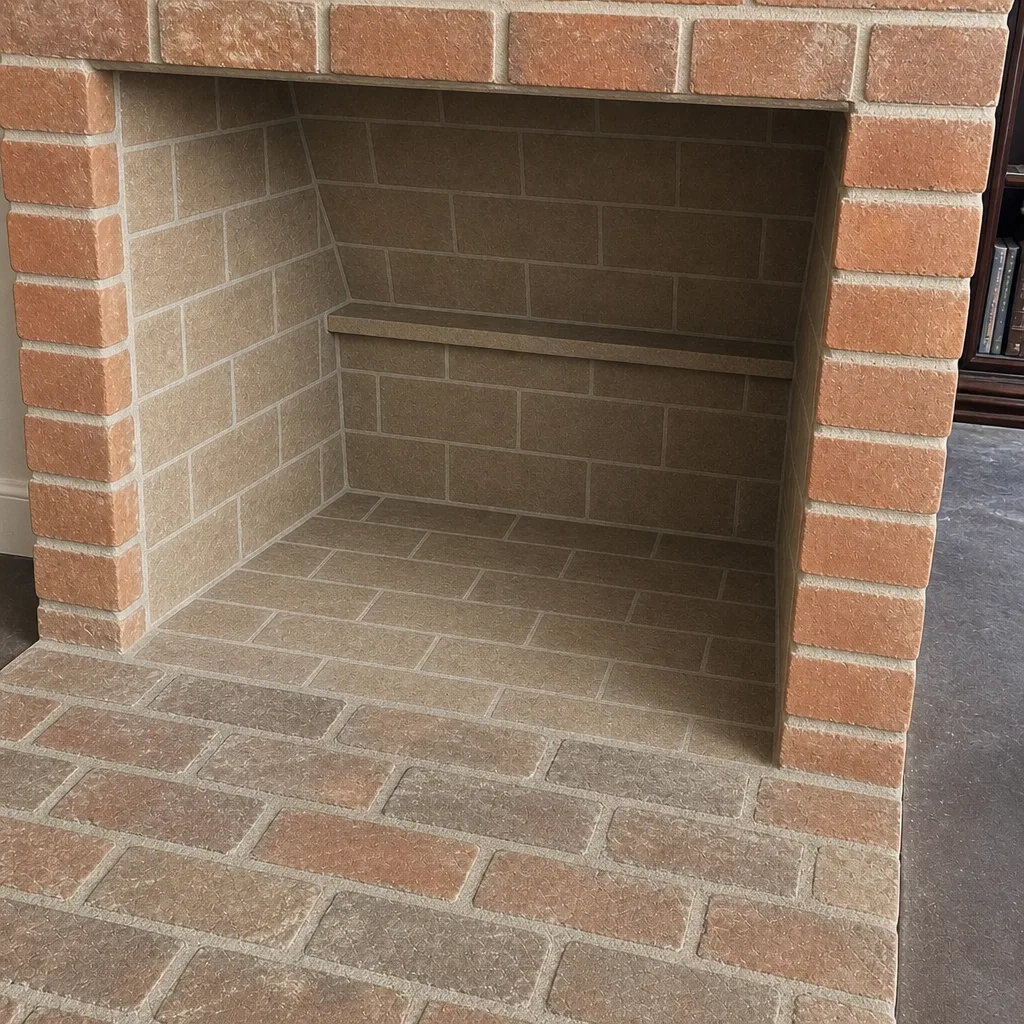
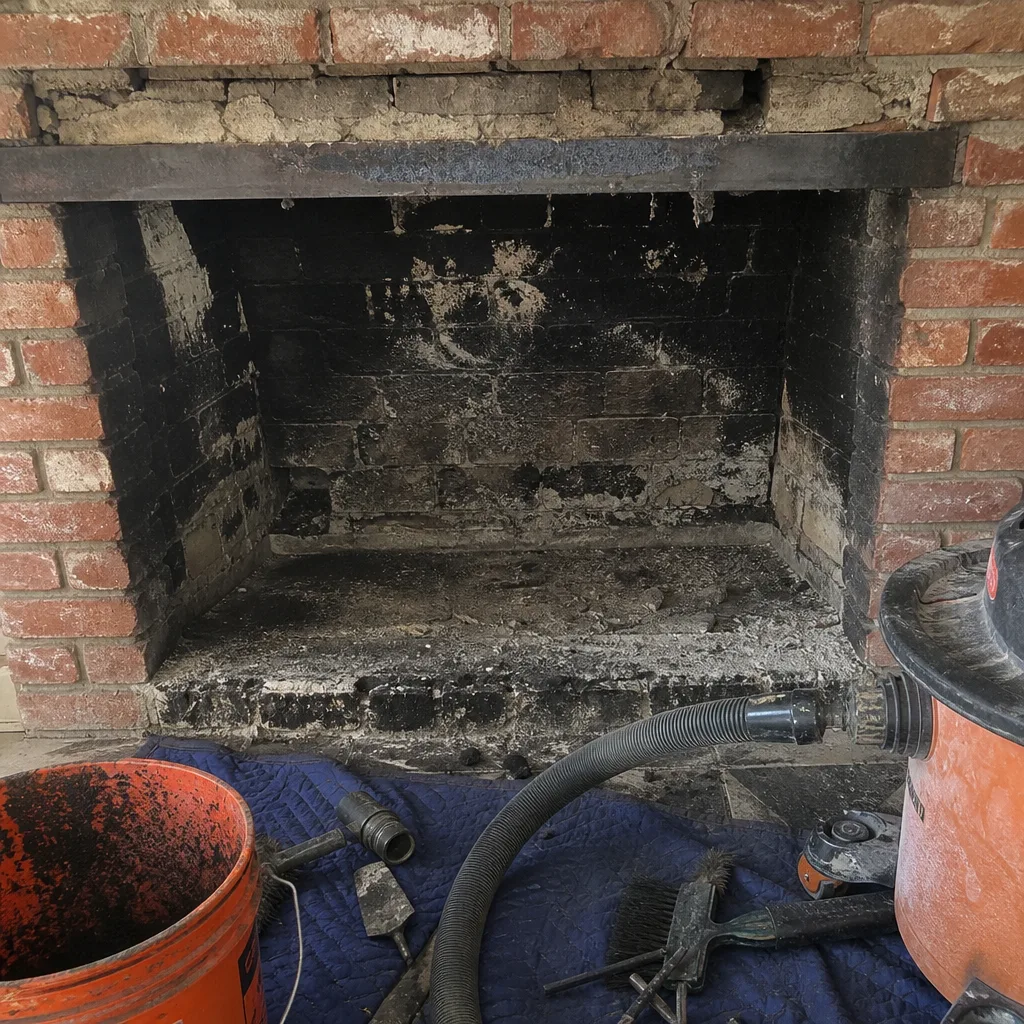
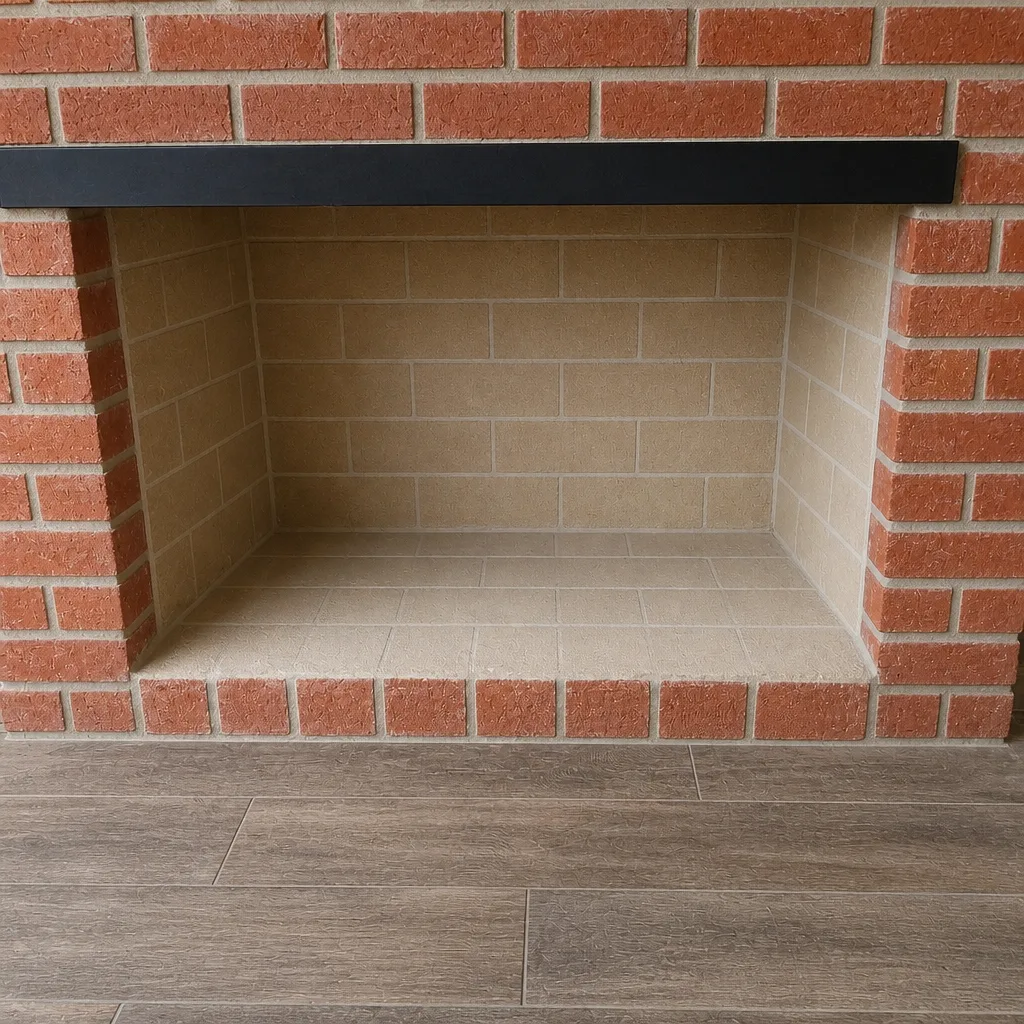
See the difference
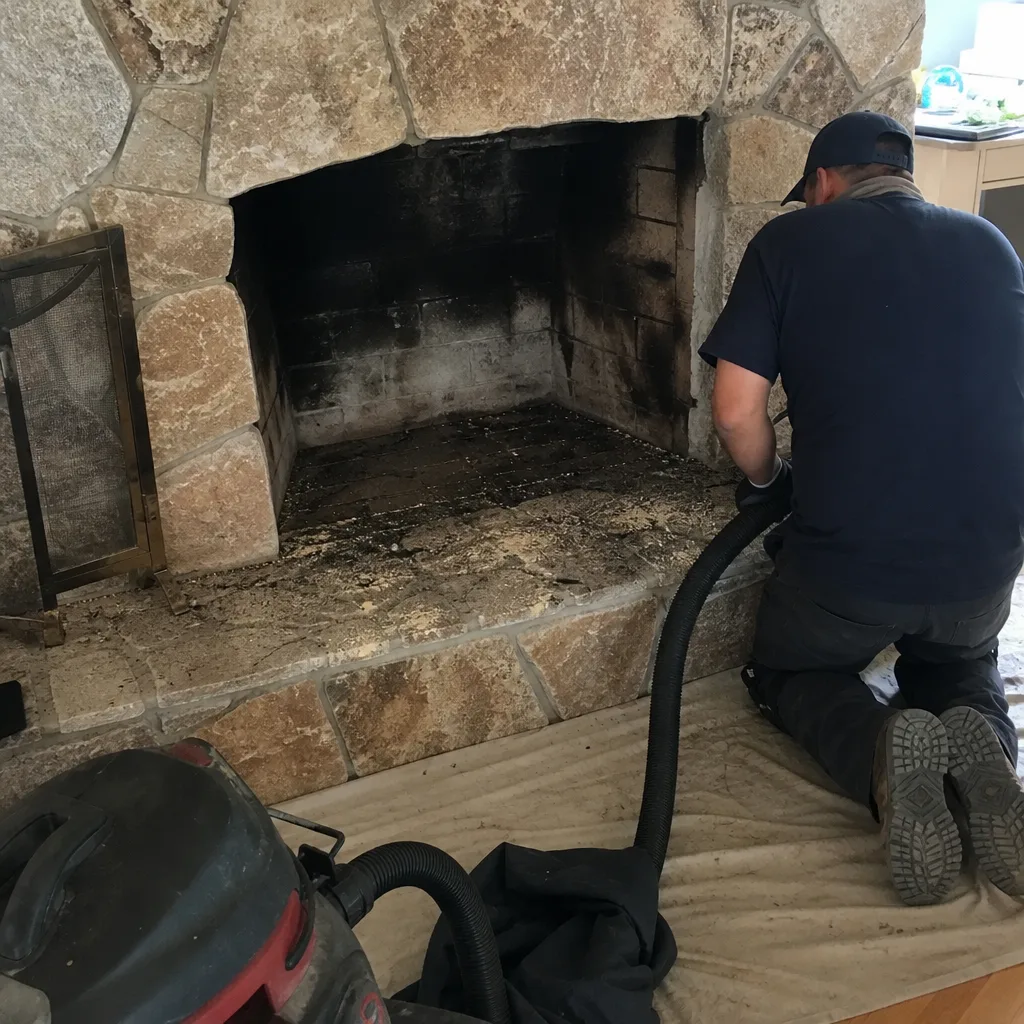 Before
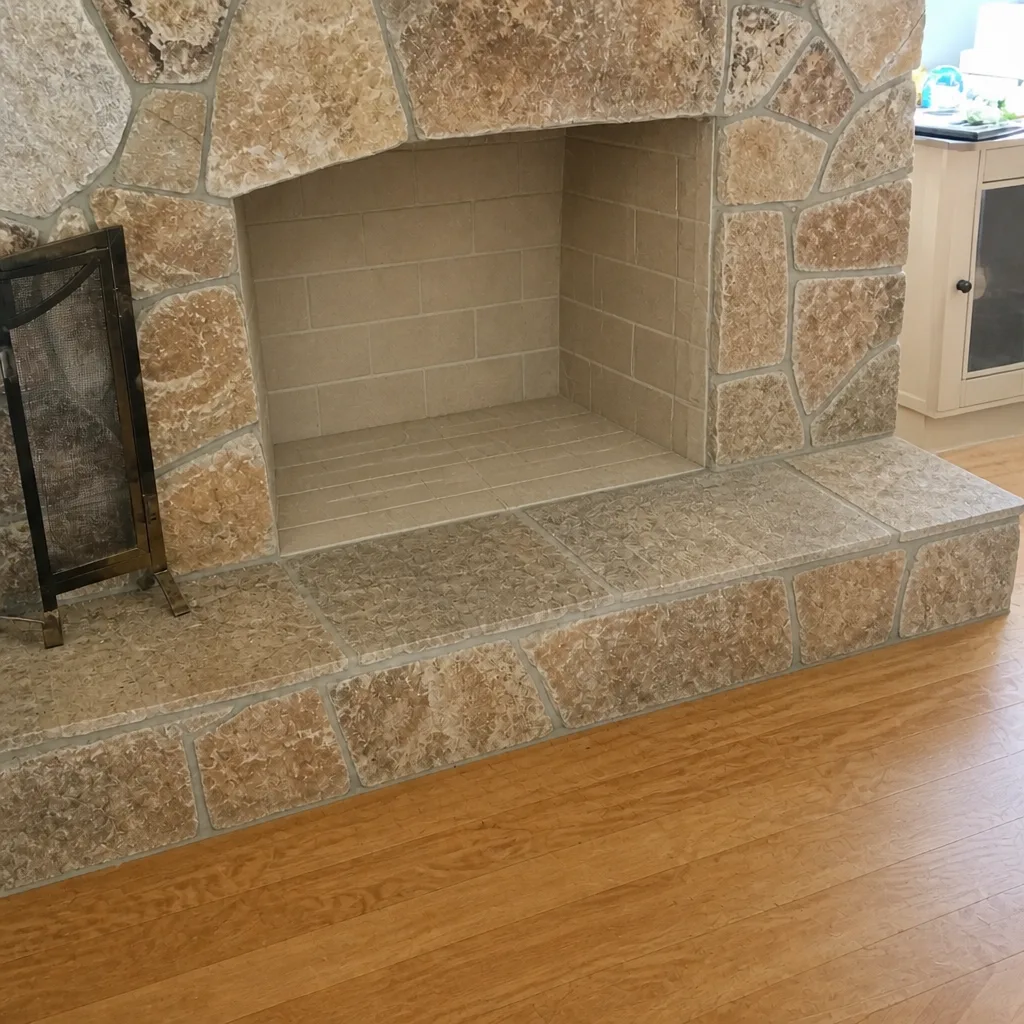 After
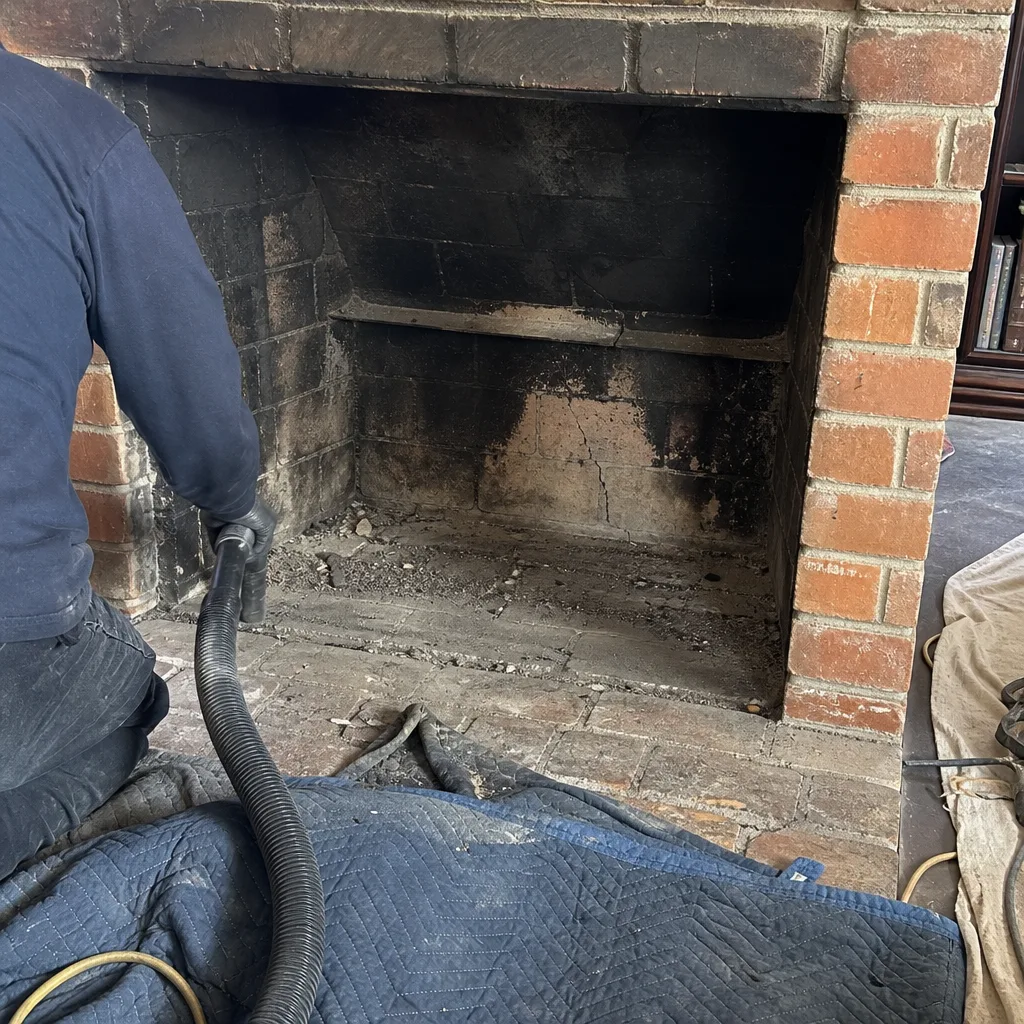 Before
 After
 Before
 After
When to Call a Professional
Some chimney situations clearly call for professional attention, and waiting only makes them worse. If you smell smoke or soot inside the house when the fireplace is lit, that signals a draft problem and possibly a blockage or liner issue. If you see white staining on the exterior brick, water is penetrating the masonry. If you hear debris falling inside the chimney, or if you see cracking around the crown, the structure needs evaluation. If it has been more than a year since the last cleaning, or you just bought a home with a fireplace of unknown history, an inspection is the right first step. Chimney Sweep Simi Valley offers free estimates in Simi Valley. Call (833) 593-4098. We answer 24/7. Fast dispatch from 7am to 7pm, Sunday through Friday.
Frequently Asked Questions
A professional chimney sweep in Simi Valley is a service call with a written estimate agreed before work begins. The final price depends on the chimney’s size, accessibility, and condition. Because the estimate is free, you can get a precise number for your home without any commitment. Call (833) 593-4098 for an exact quote, and we’ll scope the job before we do anything.
That depends on what the camera shows. A liner with minor surface cracks may be resurfaced with a cast-in-place product like HeatShield, while a liner that’s collapsed or missing sections usually needs a stainless steel replacement. What we won’t do is recommend a liner job without showing you the camera images that justify it. If the liner can wait, we’ll tell you that plainly.
The difference is what happens after the cleaning. A sweep-only company removes soot and creosote, and then refers you to someone else for repairs. A full-service provider sweeps, inspects, and repairs in one visit, using professional-grade materials like DuraFlex and HeatShield. That continuity is what keeps a chimney safe to burn over the long term.
The standard is once per year for a wood-burning fireplace that sees regular use. Even if you only burn a few fires each season, an annual inspection catches water damage and liner issues before they become expensive. For gas fireplaces, the frequency can be lower, but an annual check is still smart.
Yes. A dryer can still dry clothes while the vent behind it is packed with lint, and that lint is a leading residential fire cause. Dryer vent cleaning is a quick service that removes the risk, and it pairs naturally with a chimney appointment so both fire hazards get addressed in one stop.
Look for specificity. The warranty should identify the materials by brand and describe what’s covered and for how long. Professional-grade products carry manufacturer-backed specs that generic materials don’t. A clear written warranty is a signal that the company expects to stand behind its work, not disappear after the check clears.
The Bottom Line
The chimney cleaning brand question is less about the sweep and more about the repair capability behind it. In Simi Valley, where mild weather masks slow water damage and creosote builds up in every wood-burning fireplace, the right provider is one who can inspect honestly, explain clearly, and fix what’s found. Look for professional-grade liner and sealant products, camera documentation, and a single team that handles everything from the first sweep to the final repair. That’s the only model that treats chimney safety as a craft rather than a commodity. Call (833) 593-4098 for a free estimate. We answer 24/7. Fast dispatch from 7am to 7pm, Sunday through Friday.
Written by the team at Chimney Sweep Simi Valley, serving Simi Valley since 2015.