
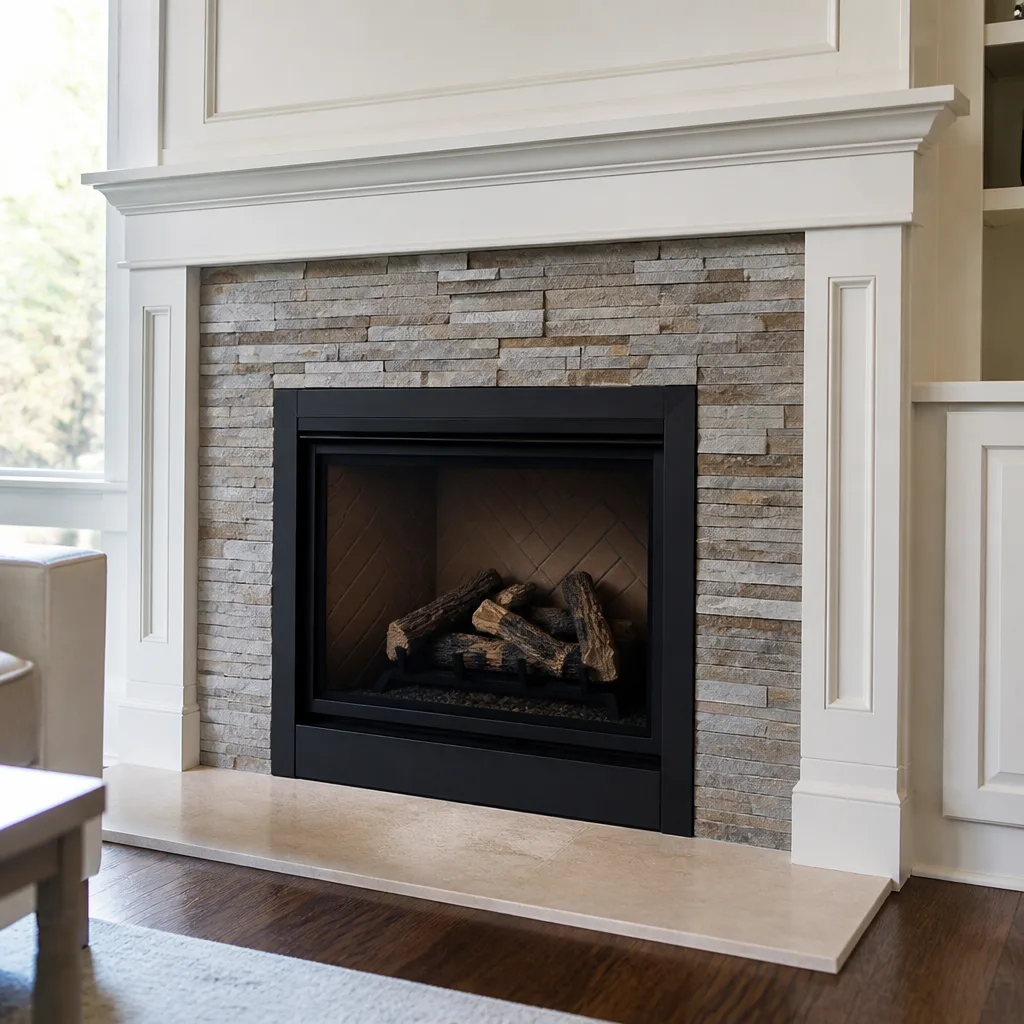
 Gas fireplace service
 Sweep & inspection
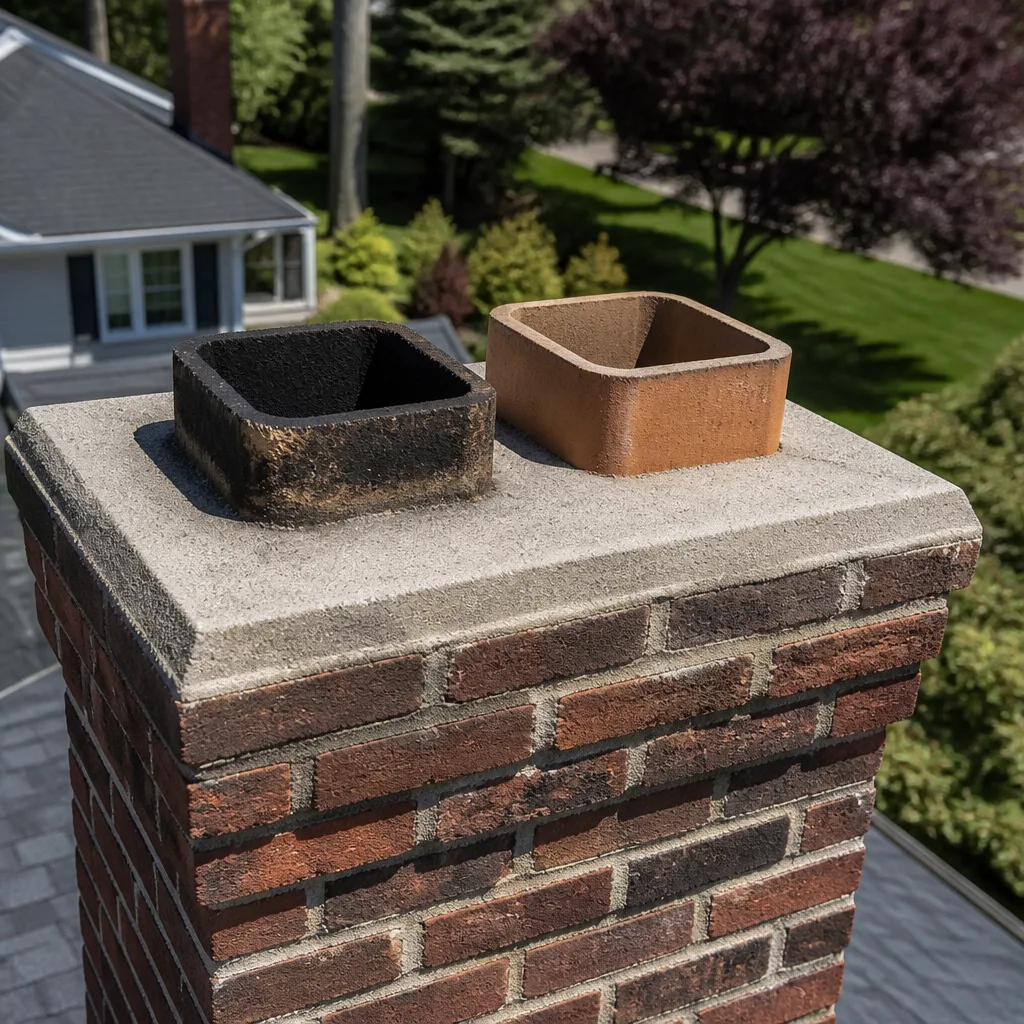
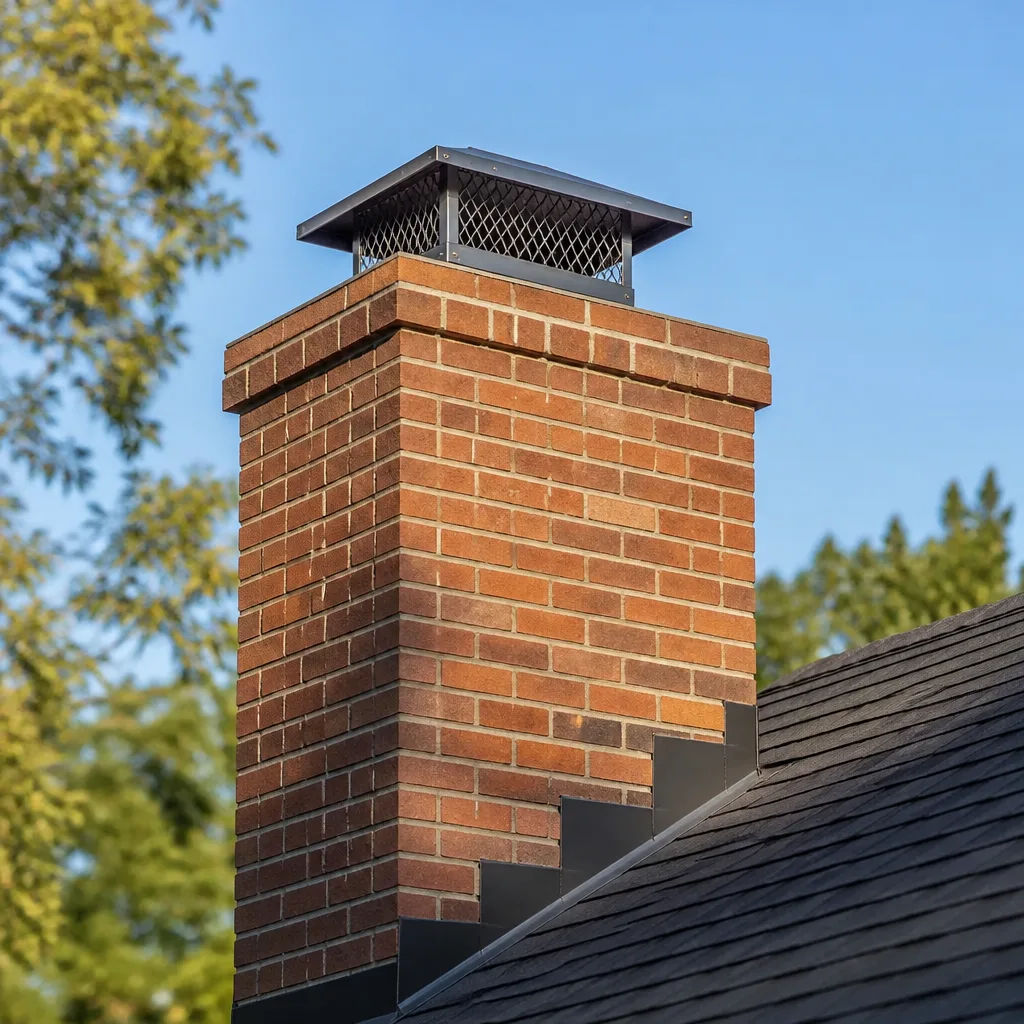 Caps & crowns
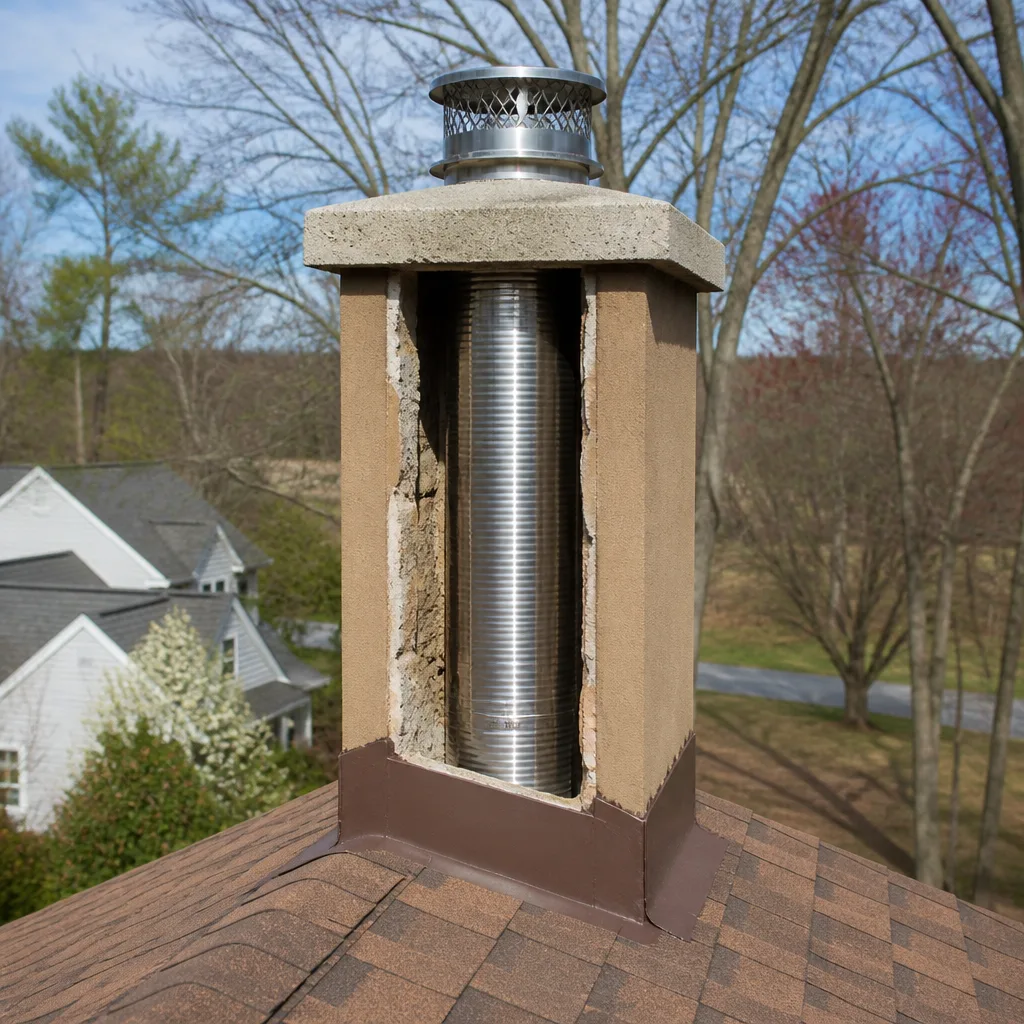 Flue relining
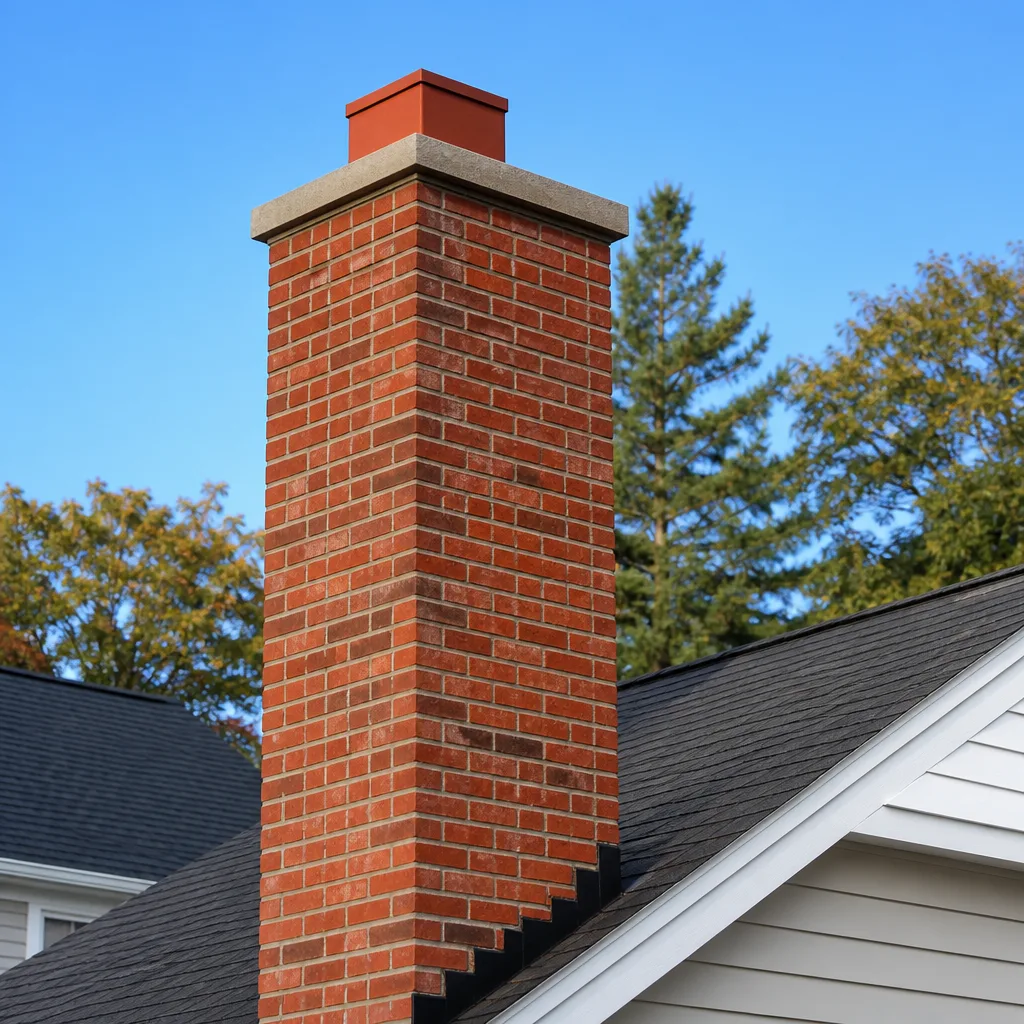 Masonry repair
Level 1 sweep and inspection to the NFPA 211 annual standard - flue, crown, cap, and flashing checked and photographed
Chimney sweep logs do not sweep chimneys. They loosen some creosote - which then falls where a brush and vacuum still have to collect it.
Why Simi Valley Homeowners Choose HeatShield Chimney Cleaning
We provide independent HeatShield chimney cleaning and repair service across Simi Valley, and what sets our work apart is that we actually understand how this coating behaves after years of Santa Ana winds, thermal cycling, and the occasional small earthquake. HeatShield is a flue resurfacing product, a castable ceramic coating applied inside chimneys to seal cracks and restore structural integrity, and it needs a technician who knows where it fails and why. We don’t just sweep the soot off the surface; we inspect the coating itself for the failure modes this material develops in our semi-arid climate, and we repair it with the right materials when needed. You can call us at (833) 593-4098 for a free estimate, and we’ll tell you honestly whether your HeatShield liner is still doing its job or whether it’s time for a patch, a re-coat, or a full reline.
We’ve cleaned and repaired hundreds of HeatShield-armored flues across Simi Valley and the surrounding valleys, so we know exactly how the compound wears, where it cracks, and when a HeatShield liner can be saved versus when it’s time to reline. Our independent status means we evaluate the HeatShield system honestly, no push to sell you a new liner if a proper repair will do. If I wouldn’t light a fire in it myself, I’ll tell you that straight.
Why Trust Chimney Sweep Simi Valley for Your HeatShield Chimney Cleaning?
Ray Wilkins, our owner and lead chimney technician, has spent over a decade working on chimneys across the Conejo and Simi Valleys, and he started Chimney Sweep Simi Valley in 2015 after years in the trade. He grew up in the Wood Ranch area of Simi Valley, which means he knows the tract homes built in the 1960s through the 1980s, the original brick and masonry fireplaces, the aftermarket gas inserts, and the pre-fab metal flues that show up all over town. That local knowledge matters because HeatShield coatings behave differently depending on how the original chimney was built, how the homeowner uses the fireplace, and what kind of retrofit was done later.
We work with an industry-recognized portfolio of professional brands: HeatShield, DuraFlex, Gelco, Olympia Chimney, Famco, and Copperfield. That’s not about having a fancy catalog. It means when we open up a flue and find a problem, we can choose the right repair path from trade-level materials rather than reaching for whatever’s on the truck. For HeatShield work specifically, we use genuine HeatShield Cerfractory compound and Prime for any recoating or repair, because aftermarket refractory coatings don’t match the expansion characteristics and can fail prematurely. We’re not going to slap a generic patch on your flue and call it done.
Styles & brands we work with
- Sweep & inspection
- Caps & crowns
- Flue relining
- Masonry repair
- Gas fireplace service
Common HeatShield Chimney Cleaning Problems We Fix in Simi Valley
HeatShield is a solid product when it’s applied correctly and maintained, but it’s not indestructible. Here are the specific failure modes we see most often when we’re called out to clean or inspect a HeatShield-lined chimney in Simi Valley:
- Cracking and delamination at the smoke chamber transition. The smoke chamber is where the firebox narrows up toward the flue, and it takes the worst thermal shock because it’s closest to the fire. Years of heating and cooling cycles, especially with the hot, dry summers we get here, cause the Cerfractory coating to pull away from the original masonry at that transition point. When we clean a HeatShield chimney, we’re not just removing soot; we’re looking for hairline cracks that let creosote and moisture get behind the coating.
- Spalling and flaking of the topcoat from poor surface prep. If the original HeatShield application didn’t include adequate wire-brushing or priming before the topcoat went on, the coating doesn’t bond properly. A few years of use and the surface starts flaking off in small pieces. Homeowners sometimes see those flakes on top of the damper or in the firebox and think the chimney is disintegrating. The coating is failing, yes, but the flue itself may still be structurally sound. We can tell the difference on a Level 2 camera inspection.
- Pop-outs or blisters from trapped moisture. Simi Valley’s semi-arid climate doesn’t mean moisture never gets in. A missing rain cap, a cracked crown, or failed flashing lets water seep into the coating during our winter rain spells, and when the heat from a fire hits that trapped moisture, it creates a blister that pops and leaves a void. Those voids collect soot and creosote, which becomes a fire risk if it’s not addressed. During a cleaning, we feel for uneven surfaces that signal trapped moisture behind the coating.
- Joint separation between HeatShield sections and the original clay tile. When the coating was installed, if the original clay tile liner wasn’t properly prepared or already had joint gaps, the HeatShield can separate at those joints. That creates ledges where creosote and soot collect and restrict draft. A homeowner might notice the fireplace starts smoking back into the room, especially during Santa Ana wind events when downdrafts are already pushing against the chimney. We see this often in the older tract homes around Simi Valley where the original clay tile was already shifting from decades of use.
- Creosote buildup behind failed coating sections. Once the coating cracks or delaminates in a wood-burning fireplace, creosote gets behind it and starts building up where you can’t see it from the firebox. This is the most dangerous condition because the coating still looks intact from the bottom, but there’s a fire hazard hiding behind it. Our cleaning process includes probing and video inspection to find these hidden pockets before they become a problem.
HeatShield Parts & Our Repair-vs-Replace Approach
When we find damage in a HeatShield chimney, the first question is always the same: can this be saved with a patch and re-coat, or does the homeowner need a full reline? We’re not going to sell you a reline if the coating is still serviceable. And we’re not going to pretend a patch will hold if the underlying masonry is shot. The honest answer is usually visible on the camera feed, and we show that to you before we recommend anything.
For recoating and repair work, we use genuine HeatShield Cerfractory compound and HeatShield Prime. We also carry HeatShield 2000 high-temperature refractory mortar for joint and crack repairs in fireboxes and smoke chambers. Aftermarket refractory coatings are available, and they’re cheaper, but they don’t expand and contract at the same rate as the original HeatShield material. That mismatch causes premature failure, which means you’d be paying for the same repair again in a few years. We won’t do that to you. If the flue is too far gone, we’ll tell you straight and talk about a stainless reline with a system like DuraFlex, which is often the more honest long-term fix. Call (833) 593-4098 and we’ll walk you through what we found.
Our HeatShield Service Process – Step by Step
- 1
Diagnosis. We start with a Level 2 inspection, which means running a camera up through the firebox, smoke chamber, and flue to see the condition of the HeatShield coating from the inside. We’re looking for cracking, delamination, spalling, pop-outs, and joint separation. We also check the crown, rain cap, and flashing because most HeatShield failures start with water. If the coating looks intact, we move to cleaning. If not, we show you the video and explain what we’re seeing.
- 2
Repair or install. If the coating needs work, we remove the loose material, wire-brush the surrounding area, apply HeatShield Prime, and then re-coat with HeatShield Cerfractory compound. For firebox damage, we use HeatShield 2000 mortar to fill cracks and rebuild the firebox before the coating goes on. If a full reline is needed, we handle that too, often with a stainless system like DuraFlex.
- 3
Test. After repair work, we run the camera again to confirm the coating is uniform and the joints are sealed. We check draft with a smoke test, and we look for any signs that the coating is going to fail again at the same spot. If we’re not satisfied, we fix it before we leave.
- 4
Warranty-safe documentation. We document everything with photos and notes so you have a record of what was done and why. If a manufacturer or home warranty question comes up later, you’ll have the paperwork to back it up. We don’t claim to be authorized by HeatShield, and we don’t pretend our work extends their warranty, but we do stand behind the quality of our installation and repair.
See the difference
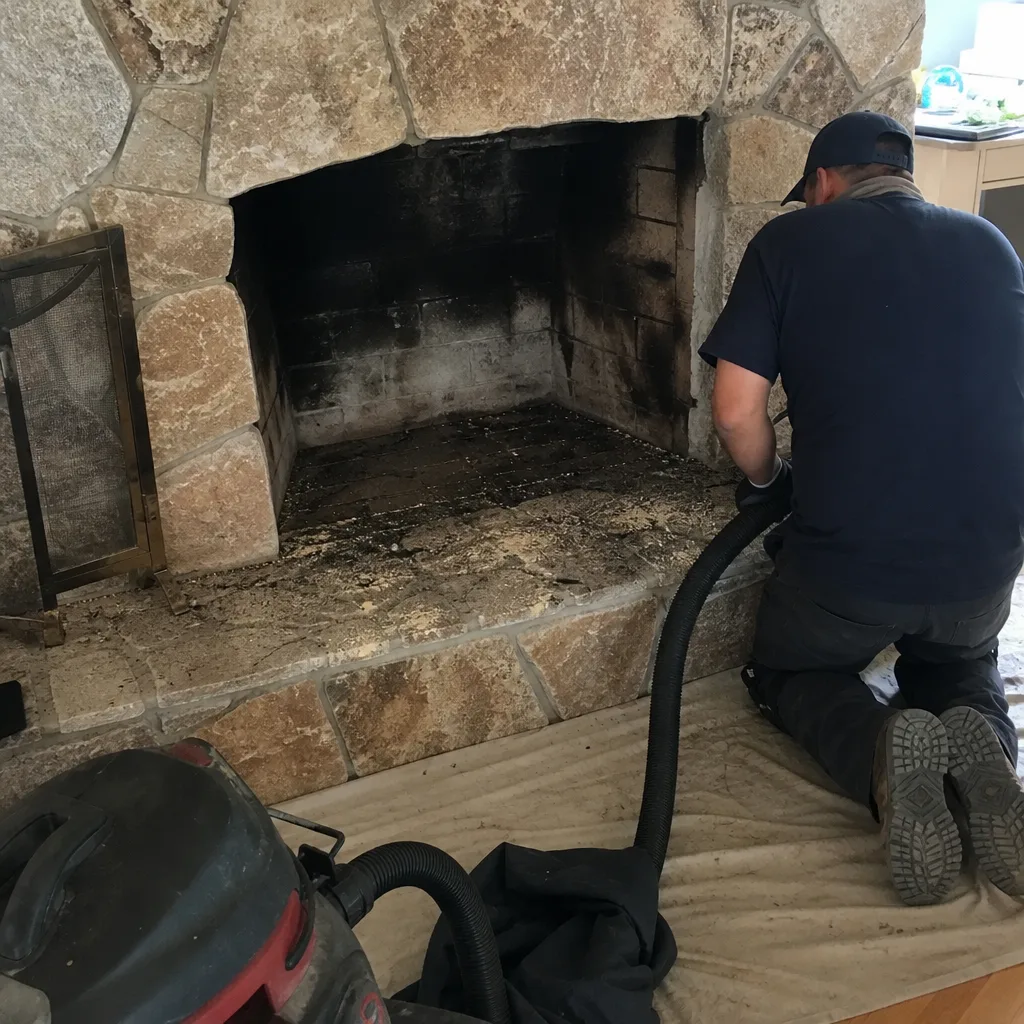 Before
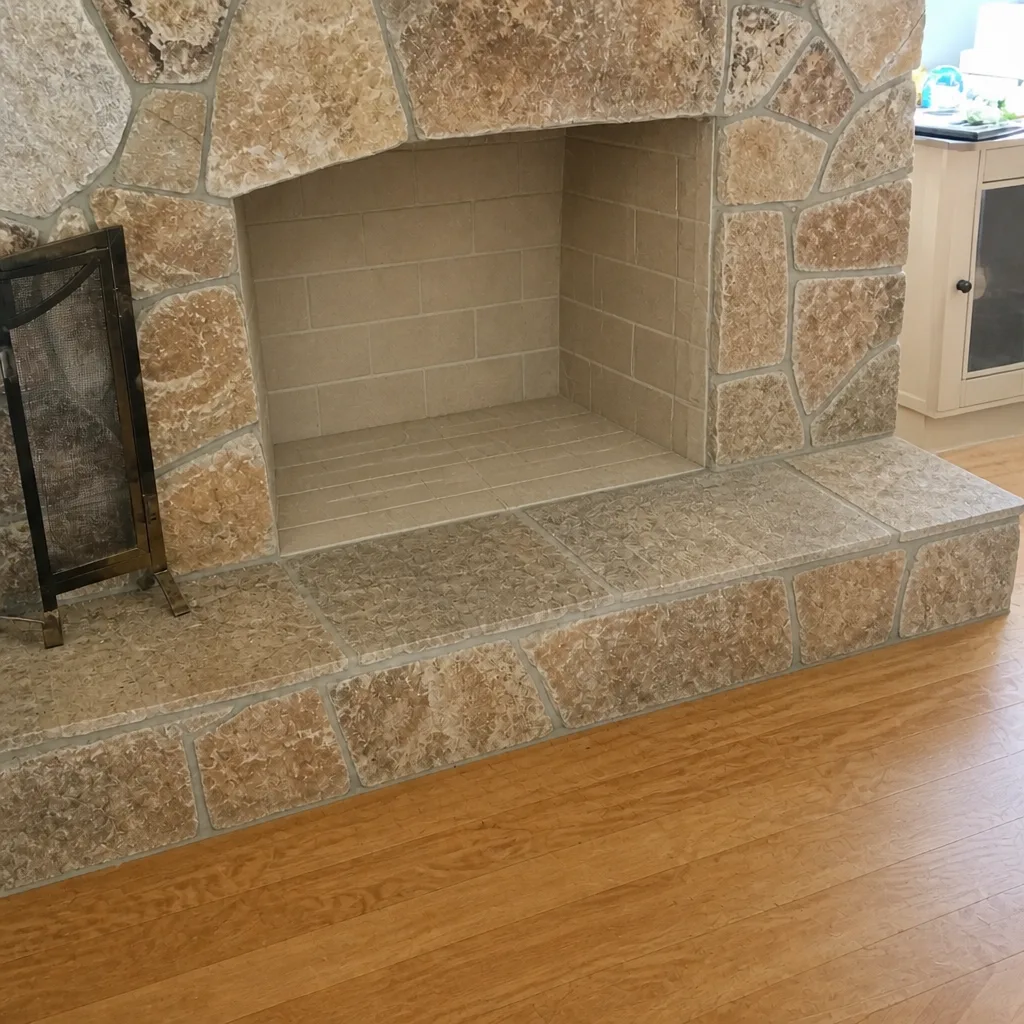 After
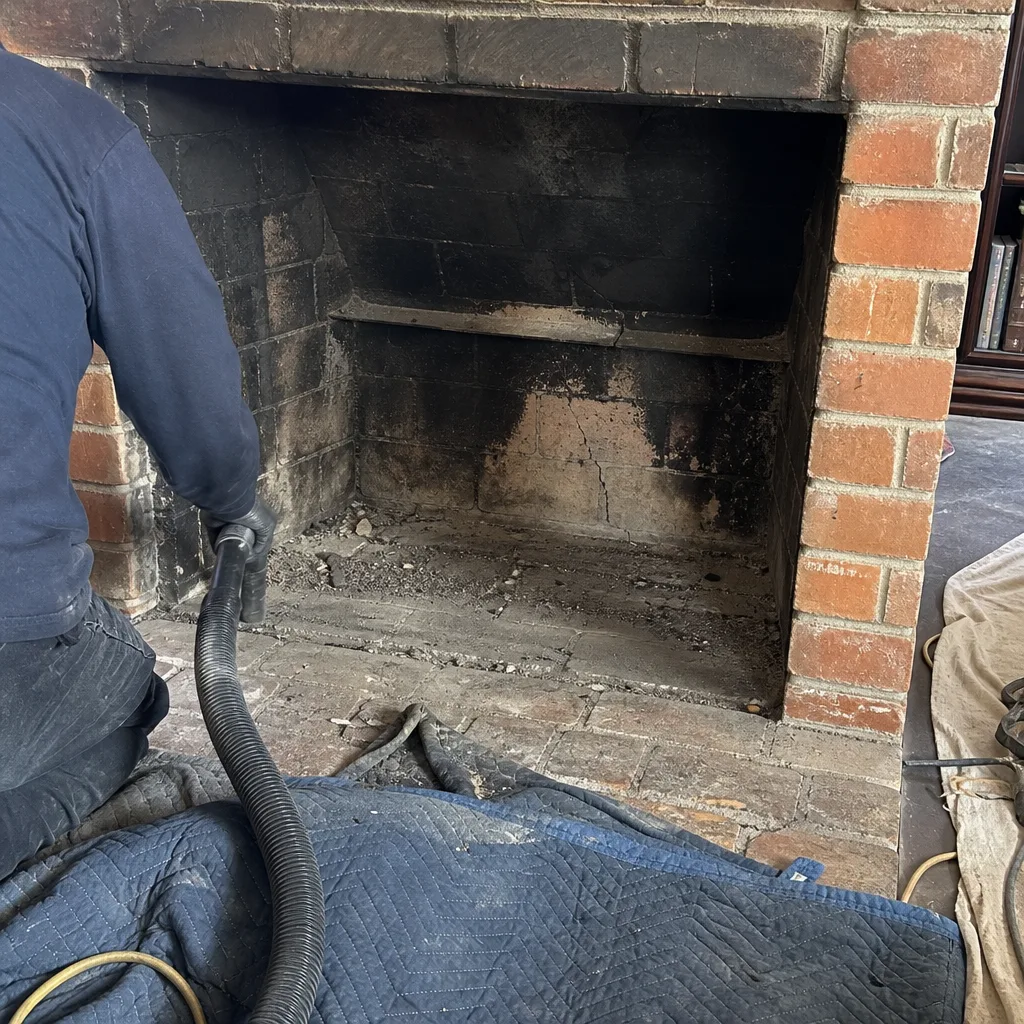 Before
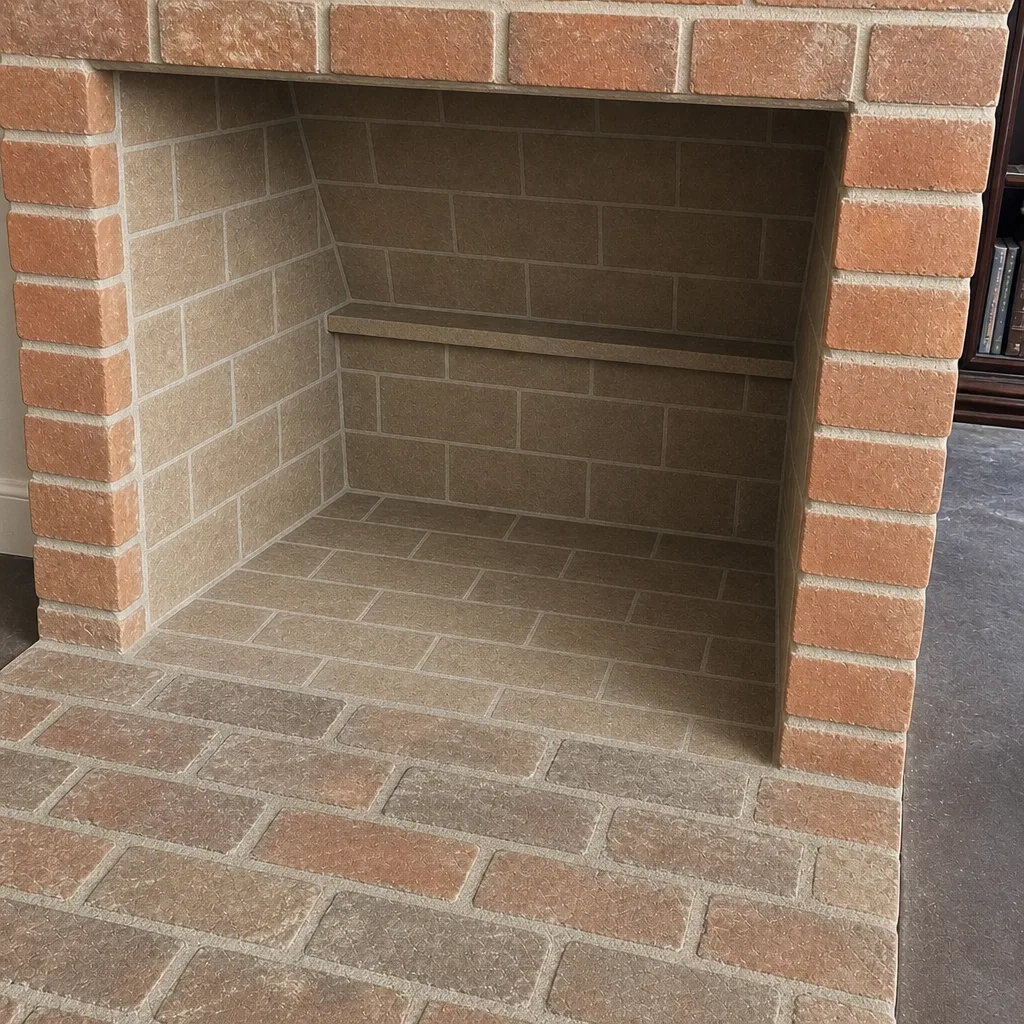 After
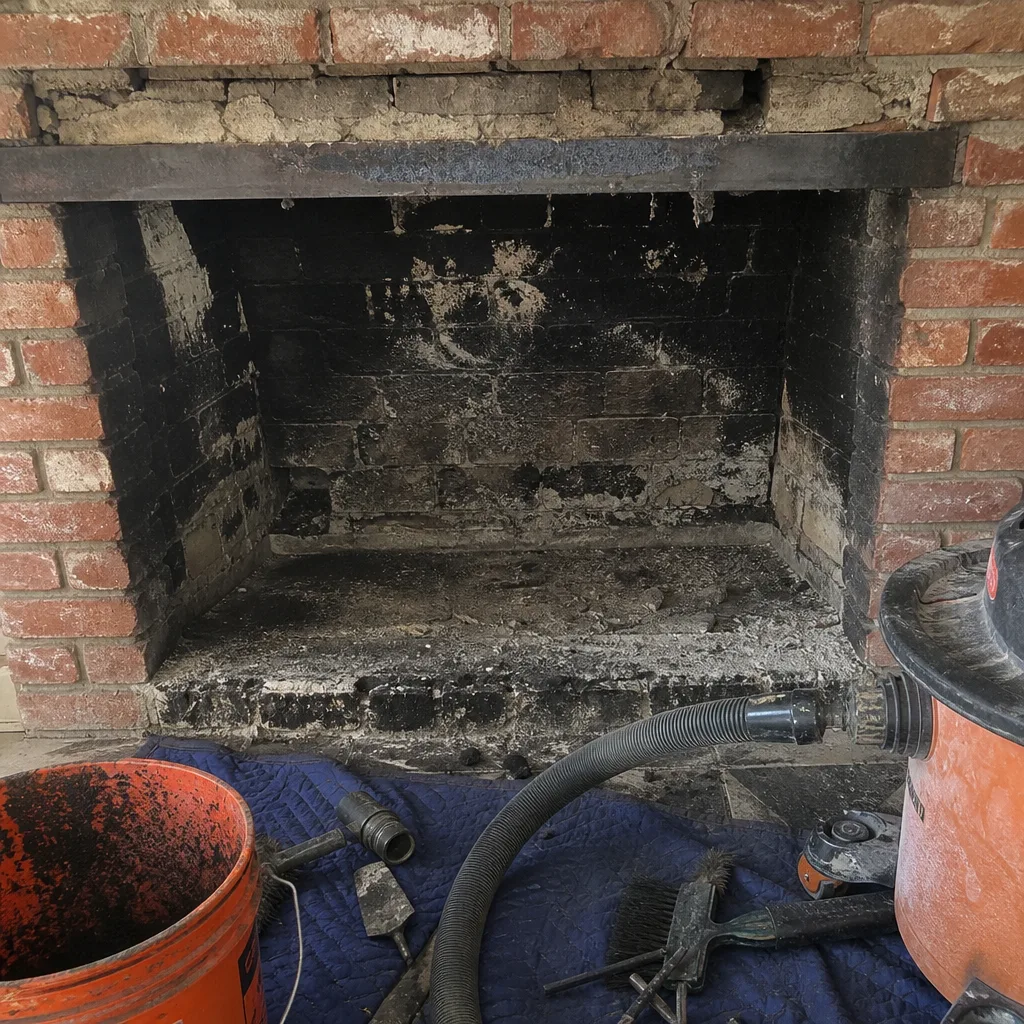 Before
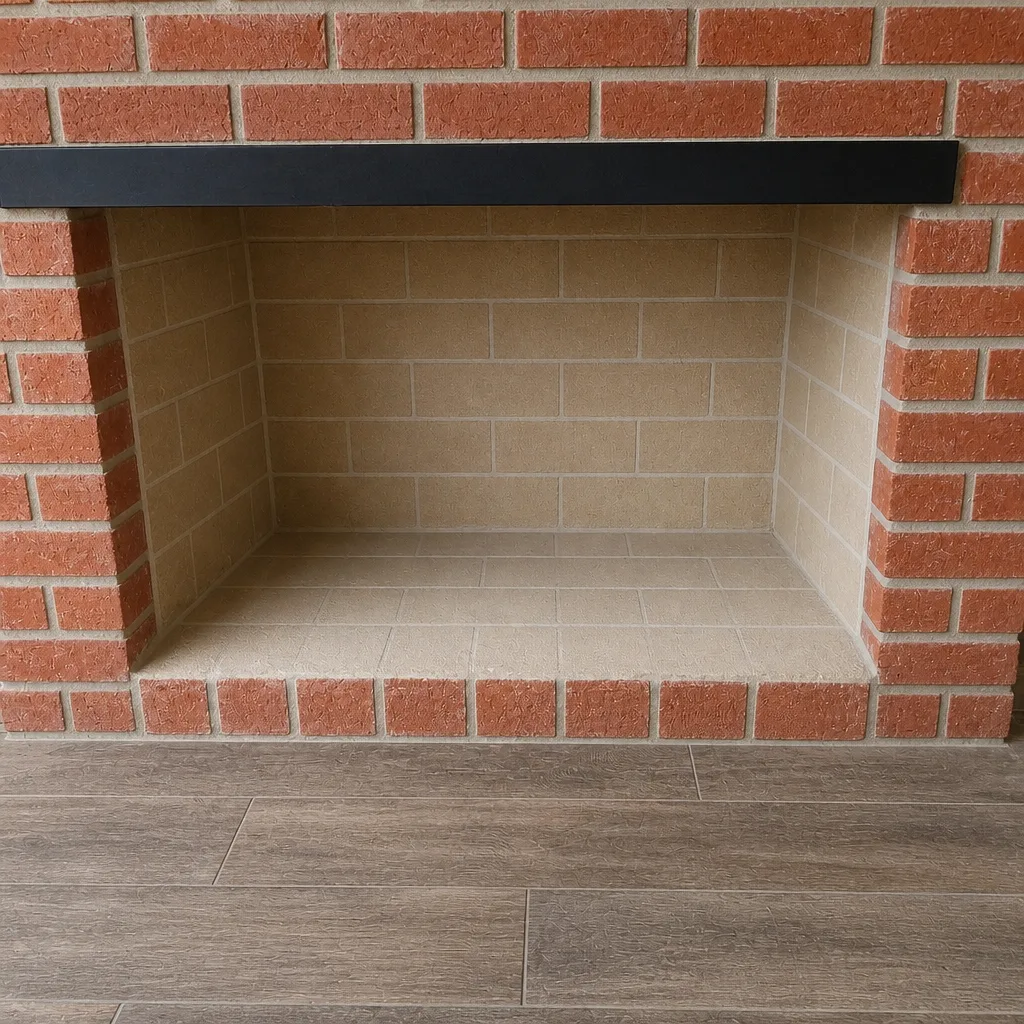 After
HeatShield Products We Service & Install in Simi Valley
The HeatShield products we see most often in Simi Valley homes include the Cerfractory Flue Sealant, which is the castable liner coating applied inside flues; HeatShield Prime, the adhesion-promoting primer used before the topcoat goes on; the Resurfacing System for masonry fireboxes and smoke chambers; and HeatShield 2000 mortar for joint and crack work. We service all of them. We don’t carry every product on the truck at all times, and we don’t pretend to be a parts warehouse. We source what’s needed for the job, use the right materials for the failure we found, and install them correctly.
We Also Service These Brands
HeatShield is one part of what we do. We also service and install DuraFlex stainless liner systems and Gelco chimney products, along with the rest of the professional brand portfolio we work with. That matters when a repair calls for a different material than what’s currently in the flue. We’re not locked into one brand, so we can recommend what actually fits your chimney.
FAQs – HeatShield Chimney Cleaning Service in Simi Valley
Can you tell if my HeatShield liner is still good without tearing it out?
Yes. Our Level 2 camera inspection shows the condition of the coating from the inside, including cracks, delamination, and hidden creosote pockets. We can usually tell you whether the liner is serviceable, repairable, or needs a full reline without removing anything. Call (833) 593-4098 to schedule an inspection and we’ll show you exactly what we see.
Does HeatShield coating need special cleaning tools to avoid damage?
Yes, and this is something we pay close attention to. Aggressive wire brushing or the wrong rods can gouge the coating and create new failure points. We use rotary cleaning tools with the right tension and angle to remove soot and creosote without damaging the HeatShield surface. A standard power sweep can do more harm than good if the technician doesn’t know what’s on the flue walls.
Why does my HeatShield-lined chimney get white chalky stains on the exterior?
That chalky white residue is usually efflorescence, which means water is moving through the masonry and carrying mineral salts to the surface. It doesn’t necessarily mean the HeatShield coating inside has failed, but it does mean water is getting where it shouldn’t, and water intrusion is the leading cause of HeatShield failure. Missing rain caps, cracked crowns, and failed flashing are the usual culprits. We can identify the source and fix it before the coating starts popping and flaking.
Can a HeatShield firebox be repaired after a chimney fire?
Sometimes, and we’ll tell you honestly after we inspect it. A chimney fire can crack the firebox and damage the coating behind it. If the firebox structure is still sound, we can rebuild the damaged sections with HeatShield 2000 mortar and re-coat the smoke chamber. If the fire compromised the masonry itself, a full rebuild or reline is the only safe option. We won’t patch a firebox that’s no longer safe to burn in.
Do you use genuine HeatShield materials for repairs, or generics?
We use genuine HeatShield Cerfractory compound, HeatShield Prime, and HeatShield 2000 mortar for HeatShield repair work. Aftermarket refractory coatings exist, but their expansion characteristics don’t match the original material, and the repair fails prematurely. We’re not going to save you a few dollars on materials and set you up for another repair in three years.
How much does HeatShield chimney cleaning cost in Simi Valley?
The cost depends on what we find during the inspection. A straightforward cleaning of a HeatShield-lined chimney in Simi Valley typically runs in the same range as a standard sweep, but if the coating needs repair, the price goes up based on the extent of the damage and the materials required. We give you a written estimate before any repair work starts, and no repair gets recommended without camera evidence you can see for yourself. Call (833) 593-4098 for a free estimate, and we’ll give you an honest number based on what’s actually in your flue.
Book Your HeatShield Service in Simi Valley, CA
If your HeatShield-lined chimney hasn’t been inspected in a while, especially after a Santa Ana wind event or before wildfire season, now is the time. We answer 24/7. Fast dispatch from 7am to 7pm, Sunday through Friday. Call (833) 593-4098 for a free estimate.
Written by Ray Wilkins, Owner at Chimney Sweep Simi Valley, serving Simi Valley since 2015.